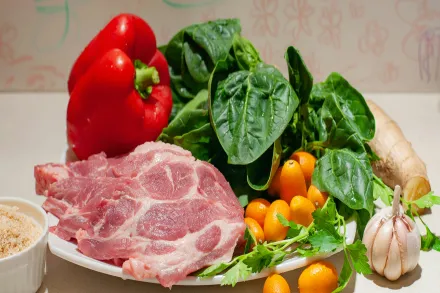
Inflammation is a natural and essential part of the body's defense system, a carefully orchestrated response that helps wounds heal, fights infections, and signals immune activity. Yet when the inflammatory response becomes chronic, how the body processes signals and nutrients can shift, contributing to a landscape of health challenges. A growing body of research suggests that the food we eat can influence inflammatory pathways at a molecular level, modulating the activity of immune cells, enzymes, and signaling molecules that govern inflammation. This article delves into foods that have been associated with reduced inflammatory activity, explains the underlying mechanisms in approachable terms, and offers practical guidance for weaving these foods into daily life so meals remain enjoyable and sustainable over the long term.
Foundational Principles of an Anti-Inflammatory Diet
An anti-inflammatory dietary approach rests on three connected pillars: prioritize whole foods that deliver a broad mix of nutrients, emphasize colorful plant based foods that bring a spectrum of polyphenols and fiber, and choose healthy fats that support cell membrane function and signaling while limiting highly processed, sugary, and refined products that can provoke inflammatory responses. The idea is not to chase a single “silver bullet” food but to cultivate a pattern that provides steady nourishment, supports gut health, and fosters a steady supply of minerals, vitamins, and bioactive compounds capable of dampening inflammatory signals. In practice this means making room for vegetables and fruits at most meals, cooking with olive oil or other healthy fats, including dependable sources of lean protein such as legumes and fish, and savoring whole grains, nuts, and seeds for their fiber and phytonutrients. Building meals around these elements creates a foundation that supports balanced metabolism, steady energy, and a cellular environment that is less prone to chronic, low grade inflammation.
Omega-3 Fatty Acids and Lean Protein Sources
Among the most consistently studied nutrients for inflammatory modulation are the omega-3 fatty acids, which include long chain varieties found in certain fish such as salmon, sardines, and mackerel, along with vegetarian sources like flaxseed, chia seeds, and walnuts. When these fats enter cell membranes they influence the production of eicosanoids and other signaling molecules in ways that tend to favor resolution rather than amplification of inflammation. Dietary patterns that regularly incorporate fatty fish or well balanced plant based omega-3 sources can be linked to reduced levels of inflammatory markers in some populations, which translates into practical health benefits over time. Protein itself plays a crucial role in immune regulation and tissue repair, and choosing high quality, minimally processed proteins supports immune balance without overburdening the body with excess saturated fats or artificial additives. It is not merely about individual nutrients but about the synergy they create when consumed as part of a diverse diet, a synergy that helps stabilize immune responses while maintaining culinary satisfaction.
Fruits, Vegetables, and Colorful Polyphenols
The color and composition of fruits and vegetables reflect a complex blend of phytochemicals that work as a defense system against inflammatory processes. Anthocyanins in berries, flavonoids in leafy greens, and carotenoids in deeper orange vegetables collectively contribute to a nutrient dense tapestry that supports immune function and gut health. These compounds interact with cellular pathways to help regulate oxidative stress and inflammatory signaling, and their presence is often accompanied by a robust supply of fiber that feeds beneficial gut bacteria. A diet rich in a variety of fruits and vegetables not only delivers dozens of these compounds but also ensures a steady intake across the week, which helps maintain stable blood sugar levels and reduces the likelihood of inflammatory spikes linked to meals high in refined carbohydrates. Including a spectrum of colors in meals, from dark leafy greens to bright berries and sunlit peppers, reinforces the body’s capacity to respond adaptively to daily stresses and supports a calmer inflammatory environment.
Whole Grains, Legumes, and Gut Health
Fiber stands at the intersection of digestion and inflammation, shaping the gut microbiome and influencing immune signaling. Whole grains such as oats, quinoa, barley, and brown rice provide soluble and insoluble fiber that promotes a diverse microbial community, helps regulate transit time, and supports a steady release of nutrients into the bloodstream. Legumes like lentils, chickpeas, and beans contribute both protein and ample fiber, adding texture and satiety to meals while helping moderate postprandial blood sugar responses. The fermentation landscape of foods such as yogurt, kefir, and cultured vegetables introduces beneficial microbes that complement the gut ecosystem, potentially influencing inflammatory markers indirectly through improvements in gut barrier function and microbial balance. A diet centered on fiber rich carbohydrates paired with an array of plant proteins often yields a resilient metabolic state in which inflammatory processes are less prone to becoming chronic.
Herbs and Spices with Potent Anti-Inflammatory Effects
Several culinary staples offer measurable anti-inflammatory properties beyond their basic nutrition. Turmeric contains curcumin, a compound repeatedly linked with modulation of inflammatory pathways when consumed through food as part of a balanced diet. Ginger provides gingerols that may influence inflammatory mediators, while garlic contributes sulfur containing compounds that appear to support immune function and gut health. Black pepper, commonly used to season dishes with turmeric, contains piperine which can enhance the absorption of curcumin, illustrating how the interaction of ingredients can amplify benefits. The practice of incorporating these spices into meals not only enhances flavor but also introduces bioactive compounds that work in concert with other nutrients to support a more tempered inflammatory state over time.
Healthy Fats and Olive Oil as a Core Ingredient
Monounsaturated fats, particularly those found in olive oil, are a cornerstone of many anti-inflammatory dietary patterns. Extra virgin olive oil provides a complex mixture of fatty acids and polyphenols that can influence lipid profiles, cell signaling, and oxidative stress. Regular use of olive oil in place of trans fats and highly processed fats aligns with reduced indicators of inflammation in several studies. The fat content in meals helps with the absorption of fat soluble vitamins and carotenoids, enabling a broader spectrum of anti-inflammatory nutrients to function effectively within the body. The practice of using olive oil for dressings, light sautéing, or finishing dishes supports a satisfying palate while nurturing a physiological environment that is less prone to chronic inflammatory activity.
Beverages to Support an Anti-Inflammatory Balance
Beverages can play a meaningful role in managing inflammation when chosen with intention. Green tea is rich in catechins that may help dampen oxidative stress and inflammatory signaling, while coffee, consumed in moderate amounts, has been associated with a nuanced interplay of inflammatory markers in various populations. In addition, herbal infusions such as chamomile or ginger tea can offer soothing warmth and contribute bioactive compounds without added sugars or artificial additives. Water remains essential for overall bodily function and the transport of nutrients that support immune and metabolic health. The careful selection of beverages helps maintain hydration and provides opportunities to introduce beneficial compounds into the daily routine, reinforcing a lifestyle capable of sustaining a calmer inflammatory profile.
Practical Meal Ideas and Everyday Patterns
In practice, a day centered on anti-inflammatory eating involves balance, texture, and flavor that keep meals enjoyable and sustainable. A breakfast might feature rolled oats cooked with milk or a plant based alternative, topped with berries and a sprinkling of nuts, providing a comforting combination of fiber, protein, and healthy fats. A lunch wrap could fold in a bed of leafy greens, colorful vegetables, a portion of chickpeas or tuna, and a drizzle of extra virgin olive oil, accompanied by a side of fruit. Dinners can be built around a protein source such as baked salmon or lentil stew, accompanied by a generous serving of vegetables either roasted, steamed, or sautéed in olive oil with garlic and turmeric. Snacks can be practical and satisfying—slices of cucumber and pepper with hummus, a handful of almonds, or yogurt with sliced fruit and a dash of cinnamon. The common thread through these meals is attention to whole foods, variety, and the purposeful inclusion of ingredients that collectively temper inflammatory processes while delivering pleasure and nourishment.
Special Considerations and Practical Cautions
Adopting an anti-inflammatory eating pattern does not require perfection or extreme restrictions, but it does benefit from mindful choices and sensitivity to individual health circumstances. People with certain medical conditions, those who are pregnant or nursing, or individuals taking specific medications should consult healthcare providers to tailor dietary choices to their unique needs. Some individuals may respond more sensitively to inflammatory triggers such as highly processed foods, refined sugars, and excess saturated fats, while others tolerate certain foods well and derive substantial benefits from their inclusion. In addition to focusing on nutrient dense foods, limiting highly processed items that contain artificial additives, trans fats, and high sodium content contributes to a healthier inflammatory profile. Alcohol is best consumed in moderation or avoided depending on personal health status, as excessive intake can exacerbate inflammatory processes in some individuals. By integrating flexibility, personal preferences, and thoughtful planning, it is possible to sustain a luxurious and flavorful diet that aligns with inflammatory reduction goals without feeling restrictive.
Putting It All Together for Long-Term Health
Ultimately the aim is to create a sustainable diet pattern that nourishes the body across multiple pathways involved in inflammation, including gut health, antioxidant balance, and immune regulation. The most reliable approach is a diverse palette of plant based foods complemented by generous portions of seafood or plant based protein, baked or sautéed vegetables, whole grains, nuts, and seeds, all prepared with healthy fats and seasoned with herbs and spices known to support inflammatory balance. Small, incremental changes often accumulate into meaningful improvements over months and years, especially when meals are crafted to be satisfying and socially enjoyable. By embracing variety and focusing on quality ingredients obtained from trusted sources, individuals can reduce inflammatory load while maintaining the pleasures of eating and the social dimension of shared meals. The journey toward a calmer inflammatory milieu is not a single destination but an ongoing, evolving practice that fits naturally into everyday life and supports long term well being without sacrificing taste, satisfaction, or personal preferences.