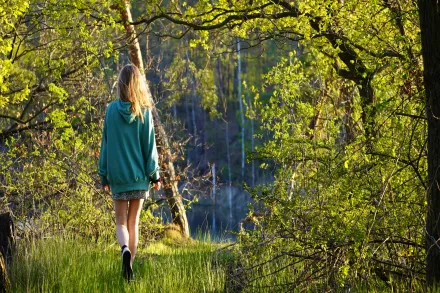
Walking in nature is a simple, accessible practice that many people overlook in a fast moving world. Daily walks through parks, forests, or riversides offer something more than physical movement; they provide a gentle reset for the nervous system, an invitation to observe light, sound, and texture, and a chance to reconnect with the rhythms of the natural world. When we commit to this routine, we do not merely exercise a few muscles or burn a few calories; we nurture attention, mood, and resilience in ways that ripple through daily life, work, and relationships. The act of stepping outside, even for a short stretch, creates a boundary between inside and outside that can help restore perspective and a sense of belonging to a larger ecosystem. The following sections explore the many dimensions of walking in nature daily, from the body to the brain, from the senses to the social world, and from routine habit to a creative catalyst for living more fully.
Physical health and cardiovascular benefits of daily nature walks
Regular walking strengthens the heart, lungs, and circulatory system in a gentle but persistent way. When you walk outdoors, your stride combines pace and posture with oxygen intake, improving how the body uses energy and resources. Over weeks and months, consistent movement leads to lower resting heart rate, improved blood sugar regulation, and healthier lipid profiles for many people. The exposure to outdoor light helps regulate circadian rhythms, which in turn supports metabolic balance and daytime energy. For those who are new to exercise or recovering from injuries, walking daily offers a safe pathway to increased endurance without excessive joint load. The slow, continuous motion supports blood flow to muscles, helping to deliver oxygen and remove waste products efficiently, which translates into steadier energy levels throughout the day and a willingness to engage in longer outings when time allows. Cardio improvements accrue gradually, yet the cumulative effect is often noticeable after just a few weeks of consistent practice, encouraging people to maintain the habit even on days when motivation feels uncertain.
Beyond the heart and lungs, daily nature walking can aid in maintaining healthy blood pressure. The motion of walking stimulates the cardiovascular system in a balanced way that does not produce the spikes sometimes seen with intense workouts. The outdoor environment adds another dimension; the sight of trees and open skies can influence breathing patterns and reduce the sense of heaviness that sometimes accompanies stress, which in turn contributes to more stable blood pressure readings over time. For individuals with moderate hypertension, a regular walking routine conducted at a comfortable pace can complement other medical recommendations and often improves the efficacy of medications by supporting vascular flexibility and reducing arterial stiffness. The key is consistency, not speed, along with listening to the body to avoid overexertion and injury.
Musculoskeletal health also benefits from daily nature walks. The varied terrain encountered in parks, trails, and shorelines challenges joints and muscles in a manner that is gentle yet effective. Walking on soft surfaces, such as grass or packed earth, reduces impact compared to hard pavements and can lessen the risk of joint irritation while still building strength. The posture encouraged by upright walking promotes core engagement and balance, which in turn supports stability, especially as age advances. The ankles, knees, and hips gain endurance through repeated cycles of flexion and extension, while the back and shoulders adopt posture cues that alleviate tension often carried in sedentary routines. Regularity, rather than intensity, becomes the ally in shaping healthier biomechanics and a more resilient body overall.
Weight management and metabolic efficiency are also influenced by daily outdoor walks. Even modest increases in daily energy expenditure can shift the balance between calories consumed and used, contributing to gradual weight stabilization or loss when paired with mindful food choices. The outdoor atmosphere often makes walking feel less like a chore and more like an opportunity to explore, which can naturally extend the duration of a stroll and foster habits that persist through busy seasons. In addition, exposure to sunlight enhances vitamin D synthesis, which plays a role in bone health and immune function, contributing to a more comprehensive sense of wellness that integrates with daily movement. When combined with strength elements such as gentle incline walking or occasional hill climbs, the metabolic effects can become more pronounced while remaining accessible to a broad range of fitness levels.
Mental health and mood improvements from nature immersion
The human mind benefits profoundly from time spent in natural settings. Regular walks outside engage sensory channels in a way that quiets the frenetic pace of indoor life, giving the brain a chance to rest, reorganize, and reset cognitive resources. The visual diversity of a natural landscape—greens, browns, blues, and the play of light on surfaces—can improve attention and reduce mental fatigue, especially for people who spend long hours in front of screens. As attention-restoration ideas suggest, nature walks help restore directed attention by providing gentle, fascinating stimuli that demand effortless engagement rather than constant concentration. The result is a clearer sense of concentration and improved mood after even short interactions with the outdoors.
In everyday life, mood fluctuations can be influenced by small environmental cues that we often overlook. The presence of birdsong, the rustle of leaves, and the scent of earth after rain create a multi-sensory experience that signals safety, relaxation, and novelty in a balanced way. This sensory richness can stimulate the brain to release neurotransmitters associated with positive emotion, creating a subtle uplift that compounds across days and weeks. Walking in nature can also enhance self-esteem by aligning action with environment in a simple, tangible way. The sense of agency that comes from choosing to walk, noticing progress over time, and feeling the body move with ease can foster a resilient self-image and a more hopeful outlook, which are valuable anchors during stressful episodes or life transitions.
Social nature walks add another dimension to mood benefits. Shared time with friends, family, or even strangers encountered on a trail can foster connection, belonging, and mutual encouragement. The atmosphere of a natural setting often invites softer conversations, playful exchanges, and moments of quiet companionship that reinforce social bonds. When mood improves, motivation improves as well, making it easier to sustain the habit and invite others into the practice. Even solitary walks bring a sense of companionship with the natural world, offering a respectful space where thoughts can rise and drift away with the wind, leaving behind a calmer, steadier emotional state.
For individuals dealing with anxiety, depression, or chronic stress, the daily habit of walking in nature provides a non pharmacological tool that complements clinical care. The practice does not require special equipment or a perfect fitness level, and it can be tailored to personal preferences and daily schedules. The combination of movement, fresh air, and natural beauty acts as a gentle therapy that supports emotional regulation, reduces rumination, and nurtures a more balanced mental environment. The cumulative experience of walking outdoors can build a reservoir of calm that is accessible during challenging moments, helping people to respond to life with greater patience, clarity, and compassion for themselves and others.
Cognitive benefits: attention, memory, and creativity
Engaging with nature through regular walks has the potential to sharpen cognitive functions in meaningful ways. Attention, an executive function that governs focus, planning, and decision making, often benefits from the restorative effects of natural surroundings. When the mind is not overwhelmed by constant indoor stimuli, it can reallocate cognitive resources to more efficient problem solving and more flexible thinking. This can translate into better performance at work or school, more effective planning in daily life, and an enhanced ability to switch gears when faced with new tasks. The cognitive landscape of a walk includes noticing patterns, keeping track of where you are, and adapting to changing terrain, all of which exercise memory systems in a gentle but persistent manner.
In addition to attention and memory, walking in nature can stimulate creative thinking. The slower, immersive experience of a stroll allows ideas to incubate, associations to emerge, and creative insights to surface in a way that is different from indoor, high distraction environments. The interplay between movement and reflection can yield fresh perspectives on problems, projects, or personal goals. The scenery itself—hills, water, trees, sky—provides a vast gallery of prompts that can spark associations and mental imagery helpful for storytelling, design, or strategic planning. Creative thinking often follows during or after a walk, making ordinary outings into opportunities for meaningful breakthroughs that carry forward into other aspects of life.
Learning and cognitive resilience are also supported by nature exposure. When people walk in green spaces, they frequently encounter varied textures, scents, and sounds that challenge sensory processing in productive ways. This can strengthen the brain’s capacity to filter distractions and maintain focus, a skill that translates into more effective study routines, better recall, and more careful attention to detail in daily tasks. The brain gradually learns to regulate arousal and attention, moving between alertness and calm as needed, which is a valuable defense against fatigue and burnout during demanding periods. The net effect is a brain that feels more capacious, adaptable, and resourceful after regular exposure to natural environments.
To support cognitive health over time, daily nature walks should feel enjoyable rather than punitive. The goal is to cultivate curiosity, not to push through sensory overload or rigid routines. A walk that invites noticing small details—how moss clings to a rock, the way light shifts along a hillside, the chorus of insects at dusk—tends to be more engaging and memorable. This engaged, curious stance turns walking into a playground for the mind, where attention can rest and return with renewed vigor, where ideas can roam freely, and where cognitive energy is replenished rather than depleted by the demands of modern life.
Sleep quality and circadian rhythm alignment
Daily exposure to natural light and physical activity helps synchronize the body’s internal clock. In the morning, a walk outdoors reveals bright light that signals wakefulness and helps set the timing for the day. The interplay of daylight, temperature fluctuations, and gentle movement influences melatonin production, easing the transition to sleep in the evening and improving sleep onset. People who incorporate regular outdoor walks often experience more consistent sleep patterns, fewer awakenings during the night, and deeper, more restorative rest. Aligning sleep with the natural day reduces daytime sleepiness and enhances daytime functioning, creating a positive loop where better sleep supports more energetic walks and better mood.
Evening strolls can aid wind down by providing a calm, reflective atmosphere that signals the body to prepare for rest. The soft, cooler air of twilight, the sounds of nature fading into gentle quiet, and the physical effort of a moderate pace can help reduce residual arousal and promote a sense of calm readiness for sleep. The routine itself matters; when walks become a predictable part of the day, the brain learns to associate outdoor time with relaxation, making it easier to ease into bedtime rituals. Over time, this can lead to improved sleep efficiency and a more balanced sleep architecture, both of which contribute to daytime vitality and mood stability.
A regular walking practice also supports a healthier metabolism through the night. The energy expended during daytime activity can influence glucose handling and energy availability during the evening and overnight. When combined with a balanced diet, the routine can help stabilize blood sugar patterns and reduce late night hunger fluctuations that disrupt sleep. For those who experience jet lag or irregular schedules, the timing and consistency of morning walks can help reset physiological rhythms more quickly, providing a practical tool for adapting to new time zones or changing work patterns without losing sleep quality.
Sleep quality benefits are often most pronounced when walks are enjoyable and not forced. A long, tedious routine can produce stress rather than calm, undermining sleep rather than supporting it. The best approach is to tailor walking duration and intensity to personal energy levels, listen to the body, and choose paths that feel restorative. A walk that balances movement with moments of stillness—pausing to observe a bird, resting on a bench, or just breathing in the fresh air—can become a ritual that primes the brain for rest and refreshment each night, reinforcing long term sleep health as part of a broader wellness strategy.
Immune system support and inflammation modulation
The immune system benefits from regular moderate exercise, and nature walks offer a gentle, sustained form of activity that can help modulate inflammation and support immune surveillance. Moderate walking stimulates immune cell circulation, enhancing the body’s ability to detect and respond to potential threats without triggering excessive inflammatory responses. Fresh air and outdoor environments provide additional physiological and psychological advantages by reducing chronic stress levels, which are known to impair immune function when persistent. By lowering stress hormones and improving mood, nature walks create conditions that are conducive to a healthier immune system over time.
Beyond the direct effects on immune cells, the sensory experience of nature may influence immune health by reinforcing a sense of safety and well being. A sense of connection to the natural world can lower perceived stress, which in turn reduces the production of proinflammatory cytokines that contribute to chronic disease. The cumulative effect of daily exposure is not about a single spectacular victory, but about a steady state of improved resilience. This resilience shows up in how the body handles infections, recovers from illness, and maintains energy levels during recovery. The practice of walking in nature daily aligns habit, environment, and physiology in a way that supports immune balance across the seasons and across life’s inevitable challenges.
Outdoor walking also supports respiratory health, particularly for people who spend time in urban environments with air quality concerns. While it is important to monitor air quality and avoid heavily polluted areas, walking in parks with trees and open spaces often provides access to cleaner air corridors and microclimates that reduce exposure to irritants. The rhythmic breathing associated with walking helps exercise the lungs in a controlled way, promoting more efficient gas exchange and better tolerance to temperature changes. In people with asthma or seasonal allergies, gradual, low intensity walking can be a gentle way to maintain respiratory fitness and may lessen symptoms over time when combined with appropriate medical care and avoidance strategies.
In sum, walking daily in nature acts as a kind of ongoing, low dose immune support program. It does not replace medical treatment when needed, but it complements it by reducing stress, supporting sleep, improving mood, and encouraging physical activity that keeps systems in balanced motion. The steady cadence of a walk, the soft cues of the environment, and the predictable routine collectively create a physiological climate that favors health and resilience, making it a valuable habit for people across ages and health statuses.
Metabolic health, appetite regulation, and energy balance
Walking in nature daily helps regulate appetite and energy balance in a gentle, sustainable way. The act of moving the body at a comfortable pace can improve insulin sensitivity, particularly when the activity becomes a regular habit rather than an occasional effort. Improved insulin sensitivity means the body uses glucose more efficiently, which can translate into steadier energy levels and less post-meal fatigue. The environment may also influence eating behavior through mood and mindfulness, with many walkers reporting a more measured approach to snacking or overeating after a walk in a quiet, natural setting. The combination of physical activity and mental calm can reduce cravings driven by stress, leading to healthier food choices in the hours after a walk.
Additionally, weight management tends to become more feasible with daily nature walking because small, consistent energy expenditures accumulate over time. A daily walk adds a reliable chunk of calories burned that does not require intense exertion or specialized equipment. When someone includes walks as part of a broader lifestyle that includes balanced meals, hydration, and adequate sleep, the cumulative effect supports gradual body composition changes and a healthier body mass index over months and years. The accessibility of walking means it can be maintained in the long term, building a durable habit that outlasts more transient fitness fads and provides ongoing metabolic benefits without the sense of deprivation often associated with strict diets.
Beyond fat loss and energy balance, walking outdoors provides mental clarity and emotional regulation that supports better dietary choices. The calm, reflective state created by movement and nature can reduce impulsive snacking and promote mindful eating. People who track their walks and reflect on how physical activity affects mood and appetite frequently discover a personal pattern: certain times of day, types of landscapes, or walking companions produce the most positive metabolic outcomes. This awareness helps tailor a sustainable routine that respects individual preferences and life commitments while delivering meaningful health gains over time.
Even small changes, such as incorporating a longer stroll after meals or choosing a route with gentle elevation, can enhance metabolic health. The body responds to these incremental adjustments with improved postprandial glucose handling, better energy distribution, and a more reliable sense of satiety after meals. The key is consistency and pleasure; a walk that feels like a welcome invitation rather than a task is far more likely to become a lasting habit, and this lasting habit is what yields the strongest metabolic dividends across seasons and years.
Emotional resilience, stress management, and autonomic balance
Regular walks in nature influence the autonomic nervous system by tilting the balance toward the parasympathetic, or rest-and-digest, state more often. The combination of rhythmic movement, fresh air, and natural sounds acts as a gentle counterbalance to the sympathetic drive that dominates during busy or stressful days. This shift helps reduce heart rate variability in a healthy way, supporting calmer responses to daily pressures and fewer spikes in cortisol when confronted with challenges. People who practice nature walking frequently report a sense of steadiness and a greater capacity to weather setbacks with patience and clear thinking, which is a cornerstone of emotional resilience.
Beyond physiological changes, walking outdoors cultivates an emotional intelligence rooted in observation and mindfulness. The practice invites individuals to notice subtle changes in weather, light, and sound; to acknowledge small feelings as they arise; and to respond with intention rather than reaction. This habit, repeated day after day, accumulates into a form of inner weather forecasting, enabling a person to anticipate mood shifts and deploy coping strategies ahead of time. The gentle pace of walking supports a reflective mood that makes it easier to process experiences, release tension, and reframe difficulties within a larger, more forgiving perspective. In this way, nature walking becomes a portable, practical tool for strengthening emotional balance and resilience across life’s trials.
Stress reduction from nature exposure also has social advantages. When stress levels decrease, interactions with others tend to become more constructive, and conflicts can be de-escalated by the calm and grounded presence generated by outdoor time. The social dimension of walking—whether with a friend, family member, or community group—adds an additional buffer against stress by providing social support, shared purpose, and opportunities for laughter, conversation, and mutual encouragement. The net effect is a holistic improvement in well being that encompasses body, mind, and relationships, all nurtured by the simple act of putting one foot in front of the other amid the natural world.
Social benefits and environmental connection
Walking in nature daily often expands social horizons in subtle, meaningful ways. Community trails and parks become venues where people from diverse backgrounds converge with a common, uncomplicated activity. This shared practice fosters rapport, curiosity about others, and opportunities for informal social support that can be hard to cultivate in more isolated routines. When walkers greet one another, exchange tips about trails, or share a quiet moment of contemplation by a pond or a canopy of trees, a sense of belonging grows. Over time, these social threads can strengthen local networks and contribute to a more resilient community fabric, where people support each other’s health goals and celebrate small collective achievements.
Environmentally minded walkers often become ambassadors for nature stewardship simply by showing up. The act of walking in natural spaces reinforces appreciation for landscapes, biodiversity, and seasonal cycles, and it can inspire gentler, more sustainable habits in daily life. When communities see regular walkers who demonstrate care for trails, leave no trace, and participate in volunteering or cleanup efforts, a culture of respect for the natural world begins to take hold. This culture not only benefits the walkers themselves but also contributes to the broader health of local ecosystems that support future generations in countless ways. By weaving personal health with environmental responsibility, daily nature walking becomes a civic as well as private act of well being.
Social narratives around walking also shift expectations, especially for families. Children observe how adults prioritize time outdoors, and they internalize routines that support curiosity, resilience, and empathy toward living beings. Family walks become laboratories of learning, where observation of flora and fauna translates into questions, stories, and shared discoveries. When communities cultivate welcoming, inclusive spaces for nature walks, people of all ages and abilities can participate, strengthening social equity and ensuring that the benefits of outdoor time are accessible to everyone, regardless of background or circumstance.
For many individuals, the social dimension of nature walking evolves into a network of companions and mentors who provide encouragement during difficult times. The simple commitment to show up every day, rain or shine, can model perseverance for others and create a sense of accountability that counteracts procrastination. The reciprocal nature of support—encouragement given and received—transforms a solitary activity into a shared journey of growth, where successes are celebrated collectively and setbacks are met with empathy and practical strategies for moving forward.
Accessibility, inclusivity, and tailoring walks to personal needs
Nature walking is remarkably adaptable, making it accessible to a wide range of ages and abilities. Parks with flat, well maintained paths can accommodate beginners, seniors, and people with mobility considerations, while more rugged trails offer opportunities for those seeking extra challenge. The key is to listen to the body and choose routes that feel safe and enjoyable. Even short, indoor outdoor experiences such as walking a loop around a conservatory garden or a quiet lakeside promenade can deliver meaningful benefits, particularly for individuals who live in urban centers where longer excursions may be impractical. The varied options ensure that daily nature time can fit around work schedules, caregiving responsibilities, and physical limitations without undermining the consistency of the practice.
Inclusivity grows when outdoor spaces are designed with accessibility in mind. Well shaded seating areas, clear signage, good lighting, and signage in multiple languages create welcoming environments for people with diverse needs. Community programs that offer guided nature walks, audio described routes, or wheelchair friendly paths expand the reach of the habit to those who may previously have felt excluded. When spaces are inviting, more people can experience the mood lifting, mood stabilizing, and health supporting effects of regular outdoor activity. The goal is not a perfect trail but a welcoming set of options that honor different bodies and different life circumstances, enabling every person to discover the transformative potential of stepping outside and moving through nature daily.
In practice, tailoring a nature walk means contemplating duration, terrain, and pace as living variables. A person recovering from an illness might begin with a brief, easy loop and slowly extend the distance as stamina returns. Someone who is pregnant or managing fatigue can benefit from shorter, slower strolls with pauses to observe their surroundings. A caregiver balancing time constraints can combine a walk with a short stretch of mindful breathing or a quick stretch alongside a lake, turning the outing into a micro retreat that refreshes energy and mood. The beauty of this approach lies in its flexibility: daily time outdoors becomes a personal practice that respects the body’s signals while still delivering long term benefits across physical, mental, and emotional domains.
Practical tips to sustain daily nature walking and maximize benefits
Creating a sustainable nature walking routine hinges on small, thoughtful choices rather than heroic efforts. The first principle is consistency; choosing a predictable time and a favorite route helps establish the habit so it feels as natural as tending to a daily routine. The second principle is comfort; wearing appropriate footwear, layering for weather changes, and carrying water or a light snack can transform an outing into a pleasant, enjoyable experience rather than a burden. The third principle is curiosity; bringing a light notebook or simply keeping mental notes about what you notice along the way can enhance engagement and transform each walk into a personal exploration of place and time.
Another practical element is safety and mindfulness. While outdoor time is generally safe and restorative, paying attention to surroundings, walking with a companion when possible, and informing someone of your route can add a layer of security. Adjusting plans for weather, daylight, and terrain ensures that walks remain within comfortable boundaries, reducing the risk of injury or fatigue. For urban walkers, choosing routes away from traffic congestion and pollution pockets can improve comfort and breathing experiences, while rural or coastal trails often present opportunities for cleaner air, cooler shade, and more fascinating scenery. These considerations help maintain enthusiasm and consistency, enabling the daily practice to endure through seasons and life changes.
A practical routine might include a gentle warm up, a steady, sustainable pace, and a cool down that includes a moment of reflection or breathing. The warm up primes the muscles for movement, the steady pace delivers cardiovascular and metabolic benefits, and the cool down allows the body to transition back to rest. Using a loop that includes water views or tree canopies often enhances mood and sensory engagement, making the walk feel less like exercise and more like a refreshing interlude in the day. As you grow more comfortable, you can vary routes to maintain novelty, introduce gentle hills to challenge strength, or extend duration gradually while keeping a sense of ease and enjoyment at the core of the practice.
Tracking progress can be as simple as noting the time spent outdoors, the distance covered, or the emotional state before and after a walk. Celebrating small milestones—such as adding five more minutes to a routine, or discovering a new trail—can reinforce motivation and help maintain momentum. The most powerful indicator of success is not a number on a map, but a felt sense of vitality, mood lift, and a calmer mind that persists beyond the moment of stepping outside. When walking becomes a trusted, pleasant part of daily life, it naturally expands from a habit into a valued source of health, connection, and meaning that you carry with you into every other activity you pursue.
Environmental mindfulness, awe, and gratitude during nature walks
Daily walks through natural spaces are opportunities to practice environmental mindfulness, a discipline that cultivates attention to the present moment and appreciation for the living world. The practice involves slow, attentive observation: noticing how sunlight moves across a leaf, listening to the conversation of birds, feeling a breeze on the skin, and sensing the texture of a path beneath the feet. This kind of attention trains the mind to rest and settle into the experience rather than racing ahead to tasks or worries. The effect is a sense of awe in the ordinary, an awareness that the world offers continuous wonder if we pause long enough to notice it.
Gratitude naturally grows from such encounters. A walk can become a ritual of gratitude for the body that carries us, for the legs that sustain movement, for the senses that reveal the beauty of a tree or the artistry of a sunset. Expressing gratitude in daily life—internally or aloud to a companion—creates a positive emotional climate that supports resilience and optimism. Gratitude also broadens attention outward, making people more aware of their impact on the environment and more motivated to protect the places that sustain them. The result is a virtuous cycle where appreciation fosters care, care fosters sustainability, and sustainability enriches future walks with meaning and joy.
Nature walks also offer an invitation to cultivating patience and humility. The pace of nature rarely conforms to human deadlines, and observing the slow unfolding of seasons can remind us that growth, healing, and learning occur in their own time. Embracing this tempo reduces pressure to perform and instead emphasizes presence, curiosity, and gentle curiosity about what will emerge in the next hour, the next trail, or the next encounter with a small creature or plant. This patient stance can transform daily life by teaching a calmer approach to goals, setbacks, and the everyday flow of responsibilities.
Seasonal considerations and adapting nature walks to the year
Walking in nature is enriched by the seasonal tapestry, from the blossoms of spring to the quiet, sunlit austerity of winter. Each season presents unique experiences and adjustments that can deepen the practice and sustain it across the year. In spring, new growth and rising temperatures invite longer walks, the chance to observe budding leaves, birds, and insects, and a sense of renewal that energizes mood and motivation. Summer offers warmth and abundant daylight, encouraging more extended outings, mountain breezes, and opportunities to explore watery trails or shaded woodlands. It is important to protect skin from sun exposure, stay hydrated, and seek shade when heat becomes intense so the experience remains comfortable and enjoyable.
Autumn brings a field guide of textures and colors as foliage shifts from green to golds, oranges, and reds. The cooler air invites brisk, refreshing walks, and the crunchy sound of fallen leaves underfoot can make each step feel vivid and cheery. Dressing in layers, noting early darkness, and planning routes with safe lighting extend the day’s outdoor time while maintaining safety. Winter, with its shorter days, calls for warmth, visibility, and careful footing on potentially slippery surfaces. Yet winter also reveals a different beauty—frost on branches, quiet landscapes, and a stillness that invites contemplation. Even brief winter strolls can lift mood and maintain movement during months when energy levels might feel lower.
The guiding principle across seasons is flexibility and listener awareness. The body’s needs shift with weather and daylight, and the environment responds to seasonal cycles with subtle cues. A good approach is to tailor pace, distance, and terrain to current conditions while preserving the core habit of stepping outside and moving. The reward is a resilient practice that respects natural rhythms, supports health, and fosters a continued sense of connection to the world beyond personal screens and routines. This annual rhythm turns daily walks into a dynamic companion through the changing landscape of life, offering continuity, challenge, and solace in equal measure.
Integrating daily nature walks into a holistic wellness mindset
Nature walking is most powerful when it sits within a holistic approach to health. It complements other healthy habits such as balanced nutrition, adequate sleep, stress management, meaningful social connection, and purposeful work. The practice is not a standalone solution but a versatile thread that weaves together different aspects of well being. By coordinating walking with other activities, individuals can create a coherent lifestyle where movement supports, and is supported by, nutrition, rest, and social life. The result is a sustainable pattern of living that emphasizes vitality, longevity, and a sense of purpose that endures through changing circumstances.
Making daily nature walking part of a broader wellness strategy also helps address barriers that commonly derail healthy habits. Time constraints, weather, and competing responsibilities can make it hard to sustain a routine. Flexibility, a nonjudgmental mindset, and a focus on small, achievable daily steps help overcome these obstacles. For instance, a 15 minute stroll in the morning can eventually grow into a longer expedition on weekends. A stroll around a campus green or city park can become a bridging activity that keeps you connected to nature even when travel is limited. By reframing walking as a partner in daily life rather than a separate obligation, it becomes a durable ally in health and happiness that people are eager to maintain over the long term.
The habit of walking in nature daily also calls for patience with oneself as life changes. Births, moves, job transitions, or health fluctuations may temporarily alter capacity, but the practice can adapt rather than disappear. Gentle adjustments, such as reducing distance, changing routes to simpler terrain, or sharing walks with a friend, help maintain momentum. The resilience built by this adaptability is itself a virtue, reinforcing a belief that personal well being is an ongoing journey rather than a final destination. By embracing flexibility while keeping the core intention intact, daily nature walks can endure through years and become a trusted source of strength and joy.
As this article has explored, the benefits of walking in nature daily are broad and interconnected. They reach into bodily health, mental clarity, emotional steadiness, social connectedness, cognitive vitality, sleep quality, immune resilience, and environmental appreciation. The simple act of moving along a trail or path, in the company of trees and open sky, creates a chain reaction of positive effects that resonate throughout life. The choice to make nature walking a daily habit is a choice to invest in a sustained, holistic form of well being that enhances both everyday living and long term health. With patience, curiosity, and care, anyone can discover that the most accessible form of wellness often begins with a small step outside and a slow, steady walk through the living world.