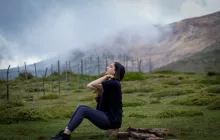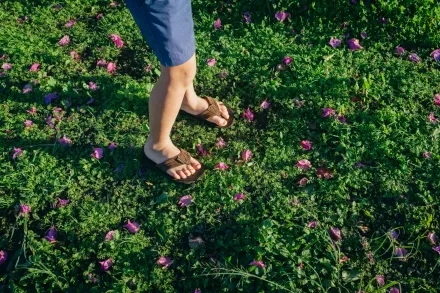
Walking barefoot on grass has inspired curiosity in many people who seek a simple way to reconnect with the living world around them. The experience blends touch, balance, and breath in a single moment, inviting an immersion that feels closer to nature and closer to the body itself. The grass beneath the feet offers more than a soft surface; it provides tactile variety through blades of different textures, moisture levels, and temperatures, all of which engage the sensory system in nuanced ways. When the skin of the feet directly meets the ground, information travels to the brain through countless nerve endings, creating a sensory map that can sharpen awareness and foster a sense of presence. For curious learners, this practice becomes a subtle mindfulness exercise, a chance to notice small shifts in how weight is carried, how the toes grab hold of the earth, and how the ankles respond to the micro-variations in terrain. The act of barefoot walking on grass invites a small daily ritual that can alter hormonal rhythms, posture, and mood over time, without requiring expensive equipment or complicated routines.
Physical grounding and foot mechanics
In the biomechanics of walking, the feet act as the primary interface between the body and the ground. When the protective barrier of footwear is removed, the muscles, tendons, and ligaments of the feet and lower legs must engage more fully to control the movement, absorb impact, and adapt to uneven surfaces. The sensory feedback that comes from this direct contact helps the muscles to activate with a natural cadence. The arch, which bears much of the body's weight, can be stimulated by the pressure patterns that arise as the foot adapts to the springy turf. This can encourage healthier engagement of intrinsic foot muscles that are often underused in modern footwear, especially when shoes with built in arch support encourage a more rigid gait. Over time, the living tissue of the foot may become steadier and more capable of distributing forces through the entire leg, potentially aiding in the alignment of the ankle, knee, and hip. In this light, walking on grass becomes not only a momentary sensation but a small training ground for foot health, with benefits that echo into everyday activities such as climbing stairs, standing for long periods, or walking during travel. The variability of grass—soft patches beside firmer soil, short blades next to longer ones, a gentle slope here and a dip there—forces the body to adjust continually, which in turn can improve proprioception and balance control in a natural setting.
Neurological and sensory pathways
The skin is rich with mechanoreceptors that respond to touch, pressure, and vibration. When these receptors are stimulated by the varied textures of grass, the brain receives a richer stream of information about the body's relation to its environment. This heightened sensory input can enhance neural messaging related to balance, posture, and coordination. The upshot is often a clearer sense of body awareness and a more confident sense of orientation within a landscape. For some people, this sensory richness also carries a mood-enhancing effect, as gentle physical activity combined with a pleasant outdoor environment can shift attention away from ruminative thoughts and toward the present moment. The activation of these pathways may contribute to a feeling of lightness in the limbs and a sense that the body is operating with a degree of precision that is sometimes dulled by sedentary routines. In addition, the interaction between skin and ground can stimulate micro-circulatory responses in the superficial vessels of the feet, which might support a sense of freshness in the extremities after a walk that lasts several minutes or longer.
Posture, gait, and alignment
As the feet reengage with the ground in bare form, subtle shifts in posture often accompany the experience. Without the cushion and contour of footwear, the body may adjust by inviting a more natural alignment of the spine and pelvis. This can lead to a more even distribution of forces through the legs and a gentle straightening of the torso during walking. For some individuals, the experience encourages a lighter stride and a more mindful pace, which can reduce the tendency to overstride or to land heel-first in a jarring manner. In grass, where the surface might invite a softer landing, the body may adopt a pattern that reduces harsh impact, which in turn can ease the joints and connective tissues over time. Regular exposure to this soft feedback through the soles of the feet might also contribute to improved balance on varied terrain, as the nervous system learns to interpret different ground conditions and to adjust the center of gravity accordingly. The cumulative effect can be a steadier gait and a freer sense of movement, both of which tend to make everyday walking feel more effortless and less prone to fatigue.
Circulation, breath, and energy flow
Ground contact with grass can influence the way blood circulates in the lower body during walking. The act of lifting and lowering the feet while remaining barefoot may promote a rhythmic pumping of blood through the arches and calves, which can feel refreshing after a sedentary period. When the skin touches the earth, there is often a subtle reminder to breathe more deeply and evenly, a response that supports a calm but energized state. Deep, regular breaths help deliver oxygen to working muscles and feed the brain with nutrients, which can enhance focus and reduce feelings of tension. In this way, the body and breath act in synchrony with the tactile feedback from the ground, creating a loop of physical ease and mental clarity. This synergy between breath, circulation, and sensation is a small but meaningful aspect of barefoot time on grass that many practitioners notice after only a few sessions, and it tends to become more pronounced with consistency and gradual lengthening of the walking period.
Immune system and exposure to nature
Being outdoors, especially in a grassy environment, invitations a gentle exposure to natural elements that can support a balanced immune response. Sunlight helps the body synthesize vitamin D, which plays a role in bone health and immune function, while fresh air exposes the lungs to a spectrum of potential benefits from environmental microbiota and plant-derived compounds. The grass itself becomes part of a broader ecological interaction in which soil microbes, plant resins, and airborne particles mingle with the skin and the senses. This doesn't imply risk-free exposure to every environment, but in many benign settings, respectful barefoot walking on grass can strengthen the sense of being alive in a natural ecosystem. The experience can also foster ecological awareness, as individuals learn to observe how different grasses respond to weather, water, and foot traffic, deepening a sense of place and responsibility toward shared spaces in communities that value access to restorative outdoor environments.
Emotional and stress-related benefits
Nature-based experiences have long been associated with improved mood and reduced stress. The simple act of placing bare feet on grass can serve as a cue that invites relaxation and a slower pace, even in busy minds. The gentle pressure of blades against the skin, the coolness of a morning dew, or the warmth of sun-warmed turf can anchor present-moment attention and reduce the intensity of stress signals. The sensory richness of grass can also spark curiosity and playfulness, especially for adults who have not recently engaged in tactile exploration. This playful dimension can foster a sense of reclaiming youthfulness or curiosity, which in turn may strengthen resilience and emotional steadiness. Over time, regular barefoot sessions can contribute to a more hopeful daily mood, an increased willingness to engage with outdoor spaces, and a greater sense of gratitude for small sensory experiences that previously went unnoticed in the rush of routine life.
Soil health, microbes, and cautious optimism
While it is not necessary to become an expert in soil science, a mindful approach to barefoot walking on grass involves recognizing the soil beneath our feet as a living system. Soils host communities of microbes, fungi, and nutrient cycles that support plant life and ecosystem health. Gentle contact with the ground can remind walkers that their own bodies are part of a larger environmental network, encouraging more mindful stewardship of parks, lawns, and natural patches. It is wise to be mindful of the surfaces encountered, avoiding areas treated with chemicals, and choosing grass that feels resilient and unbroken, without sharp debris or hidden hazards. This reflective stance toward the ground can enrich daily life by fostering a sense of connection to living systems and a sense of responsibility to protect and nurture shared outdoor spaces for future generations and for the next person who pauses to feel the grass beneath their feet.
Seasonal considerations and practical safety
Seasonal changes affect the texture and temperature of grass, and mindfulness about these shifts can improve the barefoot experience. In cool mornings, grass might feel crisp or damp, inviting a slower, more deliberate pace. In warmer hours, blades may heat up quickly and the surface could feel drier underfoot, encouraging shorter sessions or timing your walk to cooler portions of the day. In grassy fields, there may be hidden hazards such as stones, irrigation fixtures, or uneven patches that require gentle foot placement and steady attention. Wearing light footwear for certain sections can be a sensible compromise between safety and the desire for direct contact with the ground. When practicing barefoot walking, it helps to start gradually, listening to the body and not pushing beyond comfortable limits. If blisters or persistent discomfort appear, it is prudent to reassess technique, surface choice, and duration, and to allow the feet to rest and recover between sessions. By honoring these practical considerations, the barefoot practice remains enjoyable and sustainable across seasons and weather conditions.
Limitations, cautions, and who should proceed with care
While barefoot walking on grass offers a range of potential benefits, it is not appropriate for everyone in every circumstance. Individuals with certain medical conditions, such as diabetes with neuropathy, poor circulation, or wounds on the feet, should consult a healthcare professional before embarking on regular barefoot activity. People who have a history of foot injuries, structural concerns, or persistent pain should approach barefoot practice with caution and may benefit from a gradual, supervised introduction. Even for healthy individuals, a cautious approach is wise at the start: choose safe grassy areas away from pedestrians carrying heavy loads, pets, or significant foot traffic, and avoid slippery surfaces or extremely uneven terrain. Listening to pain signals from the feet and moving slowly into longer sessions is essential. By conditioning the feet and building confidence through small, progressive steps, the practice becomes a source of curiosity and nourishment rather than discomfort or risk. In all cases, personal health status and environmental factors guide how long and how often barefoot walking on grass should be pursued.
Environmental stewardship and community spaces
Walking barefoot on grass also invites a broader sense of stewardship for shared green spaces. The body benefits from outdoor time, but so do parks, lawns, and fields when communities invest in well-maintained, safe, and accessible environments. Respect for other users, minimizing damage to turf by avoiding heavy impact during peak hours, and choosing paths that reduce wear on grass all contribute to a healthier shared resource. When people feel welcome and safe in outdoor spaces, the habit of stepping outside becomes easier to sustain, and the cumulative effect is a more active culture that values physical well-being as part of daily life. The grass itself, with its resilience and gentle cushioning, becomes a partner in this shared practice, offering a forgiving surface for exploration, curiosity, and private moments of quiet attention amid the bustle of daily existence.
With practice, the experience of walking barefoot on grass can become a daily invitation to slow down, breathe with intention, and notice the living world underfoot. It can nurture a heightened sense of place, a more mindful gait, and a kinder relationship with the body as it moves through space. The grass serves as a natural teacher, offering feedback in the form of temperature, texture, and subtle resistance that invites patience and curiosity. This simple activity can become a gateway to better posture, more balanced energy, and a renewed sense of connection to nature, demonstrating how modest changes in daily routine can yield meaningful shifts in health, mood, and overall well-being. The practice invites not rigidity but readiness to listen to the body, to adapt, and to enjoy the quiet, restorative cadence of a walk in natural light and open air, with the earth gently supporting every step.