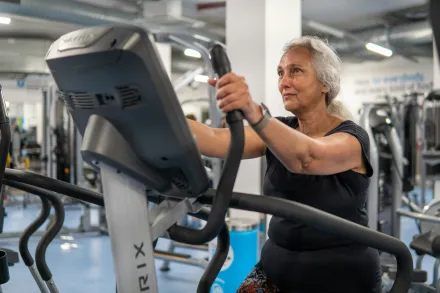
Active aging is a multifaceted journey that benefits from a structured approach to physical fitness, and among the options available, strength training stands out as one of the most impactful for older adults. While cardiovascular exercise often takes center stage in popular messaging, lifting weights or using resistance bands provides a unique set of advantages that target the muscles, bones, joints, and nervous system in ways that running or cycling alone cannot replicate. For seniors, building and preserving muscle mass is not simply about vanity or aesthetics; it is a direct investment in mobility, independence, and resilience against illness and injury. By engaging in regular resistance work, older adults can slow the natural decline that accompanies aging, restore functional capacity for everyday activities, and improve the quality of life across domains that matter most in the later years of life.
Understanding Strength Training and Aging
Strength training is a disciplined method of challenging muscles by imposing forces that exceed their accustomed work level, prompting adaptation in the form of increased strength, size, and efficiency. With aging, the body undergoes changes that reduce muscle fiber size and the speed of nerve signaling, a process known as sarcopenia. Regular resistance training counteracts these changes by stimulating muscle protein synthesis, improving motor unit recruitment, and enhancing connective tissue integrity. Importantly, strength work can be tailored to meet safety considerations, and it does not require elite equipment or a membership to a gym to be effective. Beginning with light loads and focusing on technique allows bones, tendons, and joints to adapt gradually while a person gains confidence in performing movements that replicate daily tasks. The nourishment of the muscles through thoughtful rest and protein intake complements the mechanical stimulus, creating a cycle of improvement that becomes evident in everyday performance, from carrying groceries to climbing stairs with less effort.
Beyond the obvious gains in raw force, strength training improves posture, reinforces balance, and reduces the risk of fatigue during activities that once felt strenuous. The training stimulus can be met with various modalities, including free weights, machines, resistance bands, or bodyweight exercises, and the selection can evolve with the individual's progress and preferences. A sustainable program emphasizes a balance between pushing, pulling, hip and leg work, and core stabilization, ensuring that no single muscle group becomes overtrained. The goal is to develop a well-rounded foundation that supports day-to-day functioning and cross-training with other fitness activities. Emphasizing full range of motion and controlled movements lowers the risk of joint irritation, and programming that includes adequate rest and gradual progression minimizes the likelihood of overuse injuries, which are common concerns among seniors starting a workout regimen.
Physical Advantages
The most visible and immediate benefits of strength training for seniors are typically improvements in muscle strength, endurance, and functional capacity. When muscle fibers respond to consistent resistance, seniors often notice more power when performing tasks such as standing up from a chair, lifting a bag of groceries, or turning to reach for something on a shelf. Increased muscular strength translates into better stability, which in turn contributes to balance and coordination, reducing the probability of slips and falls. Moreover, stronger muscles support joints, distributing stress more evenly and reducing discomfort associated with common conditions like osteoarthritis. Over time, the enhanced muscular framework can lead to greater confidence in activities that previously felt risky, enabling more freedom to engage in social and recreational pursuits. Muscular improvements also support metabolic efficiency, since lean tissue is a major determinant of resting energy expenditure, and maintaining muscle helps the body manage energy and glucose more effectively, potentially contributing to better weight management and metabolic health.
Additionally, progressive resistance training stimulates the development of denser bones through mechanical loading, which is especially important for bone health in older adults dealing with osteoporosis or osteopenia. Though it is not a cure, regular loading of the skeletal system helps bones adapt, potentially reducing fracture risk when accidental impacts occur. This bone protection is complemented by improvements in connective tissue resilience, including tendons and ligaments, which tend to stiffen with age. The result is a system that can absorb and dissipate forces more efficiently during daily activities and sudden movements. A well-designed program can also enhance posture, as strengthening the muscles of the back, hips, and core supports the spine and keeps the pelvis in a favorable alignment, alleviating back pain and enabling more comfortable movement across the day. In tandem with flexibility work, strength training becomes a cornerstone of durable mobility for seniors who seek to preserve independence and diminish pain-related limitations.
Neurological and Cognitive Benefits
Emerging research and sustained clinical observations reveal that resistance exercise confers benefits that extend beyond the muscular system to the brain and nervous system. Regular engagement in heavier or progressively challenging movements stimulates neural adaptations, including improved motor cortex efficiency and better intermuscular coordination, which translates into smoother and more precise movements. The brain also benefits from increased blood flow and metabolic activity during and after resistance sessions, which can support cognitive function and mood regulation. For seniors facing stress, anxiety, or mild depressive symptoms, the routine and predictable structure of a well-planned workout provide psychological anchors that foster a sense of mastery and control. The social dimension of training—whether in a community gym, a studio, or a simple home setup with a training partner—can further amplify mood benefits, creating a positive feedback loop that strengthens commitment and consistency. In addition, sleep quality often improves after regular strength training, helping memory consolidation and daytime alertness. While individual responses vary, the overall pattern supports a holistic approach to mental health and cognitive vitality in later years.
Neural and muscular adaptations also interact to improve gait and balance. Strengthening the muscles that propel the leg and stabilize the ankle and foot improves proprioception, which helps the body sense its position in space. When navigation tasks such as turning around in a kitchen or stepping onto uneven surfaces become less daunting, seniors experience greater independence. The consistent routine of training reinforces discipline and focus, and this mental framework tends to generalize to other areas of life, including adherence to medications, better management of chronic conditions, and more thoughtful engagement with healthcare providers. It is important to pair strength work with appropriate balance and mobility training to maximize safety and to tailor programs to personal abilities, but the overall cognitive and neurological benefits provide a compelling case for adding resistance training to a senior's wellness plan.
Metabolic Health and Bone Density
Strength training plays a central role in metabolic regulation for older adults. Lean muscle mass serves as a dynamic reservoir that uses glucose for energy and supports insulin sensitivity. As people age, glucose regulation can become less efficient, and muscle loss exacerbates this tendency. By maintaining or increasing muscle mass through resistance work, seniors can help stabilize blood sugar levels, reduce the risk of type 2 diabetes, and improve metabolic flexibility—the ability to switch between burning fats and carbohydrates depending on activity and dietary intake. Weight-bearing and resistance exercises stimulate bone remodeling, which strengthens bone structure and may slow the progression of osteoporosis. This is particularly important for seniors who may have a history of fractures or who live with conditions that compromise bone health. In practice, combining lower-body loading with upper-body pulling and pushing movements yields a comprehensive effect on bone strength and density while also contributing to general metabolic resilience. The cumulative effect is a body that is better equipped to manage energy, maintain a healthy weight, and resist age-associated metabolic disorders.
Beyond metabolic and bone considerations, resistance training supports cardiovascular health through indirect pathways. While traditional cardio remains essential, strengthening muscles improves vascular efficiency and blood pressure responses during daily activities. The heart experiences less strain when the body is more capable of moving with less effort over extended periods, and researchers have noted improvements in resting blood pressure and cholesterol profiles with regular resistance work, especially when combined with appropriate aerobic activity. For seniors, this integrated approach to fitness fosters a more balanced cardiovascular profile without overemphasizing one modality at the expense of the others. The practical implication is that older adults can achieve meaningful health benefits while enjoying varied workouts that keep routines interesting and sustainable, rather than forcing adherence to a single method that may feel restrictive or monotonous over time.
Safety Considerations and Getting Started
For seniors entering resistance training, safety is the bedrock of a durable, enjoyable practice. A cautious start that prioritizes medical clearance, proper technique, and gradual progression reduces the risk of injury and encourages long-term adherence. Initial assessments with a qualified professional can establish baseline strength levels, mobility benchmarks, and any joint or medical limitations that require accommodations. A program should emphasize controlled, deliberate movements rather than maximal effort, focusing on form, breathing, and joint alignment. It is important to begin with lighter loads, more repetitions, and longer rest periods to allow adaptation, especially for those with chronic pain, arthritis, or prior injuries. Warm-up routines that mobilize the joints and increase tissue temperature prepare the body for work and help prevent strains. As confidence and capacity grow, loads can be increased gradually, with careful attention to signals from the body that indicate discomfort or fatigue. Periodic reassessments ensure that the program continues to align with evolving goals and health status, maintaining safety as the guiding principle at every step.
Injury prevention also hinges on smart equipment choices and environmental awareness. For some seniors, machines with guided movement can provide stability and reduce the risk of poor form, while others may benefit from free weights or resistance bands that enhance coordination and stabilizer muscles. Consistency matters more than intensity in the early stages, and adherence is supported by scheduling workouts at predictable times, partnering with a friend, or joining a class designed for older adults. Nutrition and hydration play supporting roles; adequate protein intake helps repair tissue after workouts, and hydration maintains blood volume and temperature regulation during training. Emphasis on restorative practices such as gentle mobility work, stretching, and adequate sleep complements the training program, enabling the body to recover and progress safely over weeks and months. With these safety foundations, seniors can pursue strength gains while minimizing risks and maintaining a positive, sustainable relationship with exercise.
Designing a Senior Strength Program
A well designed program for seniors takes into account individual goals, medical history, and current activity levels. It begins with a period of assessment, followed by a structured plan that emphasizes progressive overload within safe limits. Progressive overload is the concept of gradually increasing the demands on the muscular system to drive adaptation, and it can be achieved through modest increases in resistance, the number of repetitions, or the number of sets, as well as through improvements in technique or tempo. A practical approach is to select two to three major movement patterns for each session, ensuring that the hips, spine, and shoulders receive attention from multiple angles over the week. A typical week may include two or three resistance workouts on non-consecutive days, allowing adequate recovery time for muscles and connective tissue. The program should also incorporate balance and mobility components that complement strength work, supporting posture, joint health, and fall prevention. Long term success depends on a clear progression plan, periodic monitoring, and the flexibility to adjust to life’s changing demands while preserving core fitness goals.
In terms of exercise selection, a mix of compound and isolation movements can be effective. Compound movements engage multiple joints and muscle groups, such as squats or presses, and they often provide the most functional carryover to daily activities. Isolation movements can target specific muscles that may require extra attention, such as the calves or the rotator cuff. When performing these exercises, attention to technique is essential, including stable foot positioning, neutral spine, engaged core, and controlled breathing. A program should also address mobility and flexibility to maintain joint range of motion and reduce stiffness that can accompany aging. The rhythm of training should be sustainable and enjoyable, with a focus on consistent effort rather than sporadic peaks. Keeping a training diary, noting how each session felt and what obstacles appeared, can help tailor future workouts and identify patterns that support ongoing improvement.
Practical Training Tips for Different Abilities
People enter strength training with a wide range of abilities, medical backgrounds, and levels of daily activity. A thoughtful approach honors this diversity by offering adaptable movement options and scaleable resistance. For someone with limited mobility or chronic pain, focusing on gentle, pain free ranges of motion and strengthening the muscles around the affected joints can yield meaningful gains without triggering discomfort. For those who are more agile, progressions can include heavier loads, faster tempos, or more complex movements that challenge balance and core stability. The key is to listen to the body, progress gradually, and avoid comparing progress to others. A supportive environment, whether at home with simple equipment or in a dedicated gym, can boost confidence and persistence. The use of simple tools such as resistance bands and light dumbbells enables safe practice at home, reducing barriers to consistency and providing an accessible path to a long term habit that delivers tangible improvements in strength, posture, and energy.
In addition to core resistance work, seniors should consider integrating functional training that mirrors everyday tasks. Training that emphasizes hip hinge mechanics, leg drive, and meaningful patterns like stepping up or kneeling can improve everyday independence. It is also beneficial to include multi directional movements to improve balance and proprioception, such as lateral steps or controlled rotations, which contribute to safety in daily life. Recovery practices, including gentle mobility work and mindful breathing during and after training, help the nervous system reset and prepare for subsequent sessions. When the practice is designed with respect for the body’s signals and a focus on gradual improvement, seniors build resilience and a sense of empowerment that extends beyond the gym and into the home, workplace, and community settings.
Common Myths about Training After 60
Myth: It is too late to start building strength in old age. Reality: The human body demonstrates capacity for improvement at most stages of life, though the rate of adaptation may slow with age. The essential ingredient is consistency and a thoughtful approach that respects current capabilities rather than chasing unrealistic goals. Myth: resistance training is unsafe for elders with osteoporosis or joint pain. Reality: With appropriate supervision, option selection, and proper technique, resistance work can be adapted to support bone health and joint safety, and several studies show improvements in bone density and muscular support when science guided. Myth: lifting heavy weights risks injury and should be avoided. Reality: Properly prescribed progressive overload, within individual limits, supports safety, and the focus should be on form, tempo, and control rather than raw weights alone. Myth: cardio should replace strength work to preserve health. Reality: A combined strategy that blends cardiovascular training with resistance training yields the broadest range of benefits, especially for mobility, balance, and metabolic health. Myth: seniors cannot recover quickly from workouts. Reality: Recovery can be managed through appropriate rest periods, nutrition, and sleep; the body responds to training when given time and care. These myths can be dispelled by education, careful planning, and a respectful attitude toward aging as a phase with its own possibilities.
Addressing misconceptions is an ongoing part of building a sustainable practice. By reframing strength training as a means of preserving independence, reducing pain, and enhancing mood, seniors can approach workouts with confidence and curiosity rather than fear. The emphasis should be on steady progress, safety, and personal empowerment rather than perfection or comparison. Emphasizing small, consistent steps over dramatic, unsustainable changes helps create a realistic path that leads to meaningful improvements in strength, balance, and daily living.
Nutrition and Recovery for Longevity
Nutrition interacts with training to maximize the benefits of resistance work, and seniors often find that modest dietary adjustments support training goals and recovery. Adequate protein intake is essential for muscle repair and growth, and many older adults require slightly higher daily protein than younger individuals to optimize nitrogen balance and muscle protein synthesis. Spreading protein intake across meals and including a source of protein in every feeding can help maintain muscle with less reliance on supplements. Hydration, electrolytes, and mineral balance also play critical roles, particularly for those who live in warmer climates or who engage in longer or more intense sessions. Sleep quality is another cornerstone of recovery; during deep sleep, the body orchestrates tissue repair, hormonal regulation, and cognitive processing that contribute to overall health and resilience. When training is coupled with mindful nutrition and adequate rest, seniors experience a synergistic effect that enhances progression while reducing soreness and the risk of overtraining. The goal is a balanced approach that supports energy availability for workouts and fosters long-term vitality rather than short-term gains.
Specific dietary considerations may include ensuring adequate calcium and vitamin D intake for bone health, incorporating anti-inflammatory foods such as leafy greens, berries, and fatty fish, and paying attention to timing around workouts to optimize recovery. Individual needs vary based on medical history, medications, and activity level, so consulting with a registered dietitian or healthcare provider can help tailor nutritional strategies. In practice, small, sustainable changes—such as adding a protein-rich snack after a training session, choosing whole food sources over ultra-processed options, and preparing meals in advance—can create durable habits that support strength gains, mood, energy, and sleep. The synergy between training, nutrition, and recovery builds a foundation for a resilient aging process that emphasizes quality of life and independence over the long horizon of aging.
Community and Social Benefits
Strength training often creates a social dimension that enhances motivation and adherence. Participating in a group class, finding a training partner, or engaging with a supportive coach can turn workouts into opportunities for connection, belonging, and shared purpose. The social aspects are not superficial; they provide accountability, feedback, and a sense of safety that comes from training with others who understand the common challenges of aging. This social engagement has spillover effects, improving mental well-being, reducing isolation, and fostering a sense of communal resilience. Even when practicing at home, seniors can leverage online communities, virtual classes, and regular video check-ins to maintain a sense of accountability and encouragement. The psychology of group or partner-based training often leads to greater consistency, higher effort, and sustained interest, which are crucial for long-term health outcomes. This human element makes strength training not just a physical activity but a lifestyle choice that supports dignity, autonomy, and meaningful engagement with life’s daily routines.
Beyond the emotional and social gains, community-based training creates opportunities to learn from others, share strategies for managing age-related changes, and celebrate milestones together. The sense of progression—be it a new personal record, a more challenging balance drill, or simply increased daily energy—becomes a social currency that reinforces healthy behavior. For seniors facing loneliness or schedule fatigue, the structure of regular classes or club meetings provides a reliable anchor in weekly routines. The long-term impact extends into families and caregivers as well, as healthier, more capable elders can participate more fully in family activities and community life. The cumulative effect is a broadened support network that complements medical care and traditional wellness approaches, giving aging individuals a richer, more resilient framework for living with vitality and purpose.
In practice, the most successful seniors create a personal narrative around strength training that aligns with their values and daily routines. They view workouts as a form of self-care, not punishment, and they treat setbacks as temporary adjustments rather than failures. This mindset fosters patience, curiosity, and adaptability, which are essential for long-term success. When people see meaningful gains in strength, energy, and balance, they become ambassadors for healthy aging, sharing their experiences with friends, family, and healthcare providers. The ripple effects of such an approach extend into community spaces, where older adults model active living for younger generations, challenging stereotypes about what is possible later in life.