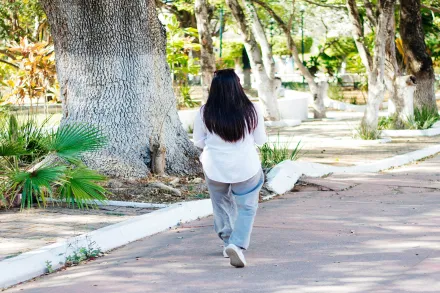
Introduction to mindful walking
Mindful walking is more than simply moving from one place to another. It is a practice that invites awareness into the rhythm of your steps, the feel of your feet on the ground, the breath that rises and falls with each stride, and the sensory details of the surrounding environment. Rather than rushing through a route or using walking as a quick means to burn calories, mindful walking invites a deliberate pace, a posture of curiosity, and the intention to notice without judgment. This practice can transform ordinary strolls into opportunities for learning, rest, and resilience. By attending to sensation, attention, and intention at the same time, you build a bridge between inner experience and outer movement, creating a harmonious integration of body and mind. You may start with a simple awareness of the contact between your soles and the earth, then gradually expand to include listening to distant sounds, watching light and shadow, noticing the air on your skin, and observing the thoughts that arise without becoming entangled in them. Over time, this simple routine can become a gentle anchor that supports health, mood, and clarity in daily life. The practice does not require fancy equipment or special locations; it can be practiced on a familiar sidewalk, along a tree-lined street, or in a quiet park, turning each walk into a mindful inquiry rather than a routine obligation. The simplicity of the approach is part of its power, because it invites consistency without overwhelming the practitioner with a long list of rules or techniques. Instead, it invites you to listen closely to what your body and mind are telling you in the moment, which later translates into steadier habits, calmer reactions, and a more reliable sense of presence when life becomes busy or unsettled.
Historical and philosophical roots of mindful walking
Mindful walking emerges from a lineage of contemplative practices that emphasize presence, attention, and compassionate awareness. Across diverse cultures, walking has served not only as a practical activity but also as a symbolic path toward clarity, humility, and connection with the world. In some traditions, movement and breath are woven into meditative forms that invite practitioners to notice the space between each step, to sense how the body carries history, and to cultivate a patient relationship with the present moment. Philosophers and teachers have spoken about walking as a form of inquiry, a way to observe how thoughts arise and dissolve on the backdrop of physical experience. The modern adaptation of mindful walking keeps this sense of inquiry while making the practice accessible to a wide audience. It distills the essence of presence into a simple routine that can be sustained even during a hectic day, providing a tangible antidote to distraction and disconnection. By acknowledging the body's cues and honoring the environment through careful attention, mindful walking bridges ancient wisdom with contemporary life, offering a practical path toward steadiness, resilience, and a renewed sense of belonging in the world. This historical awareness enriches the practice, reminding us that walking has always carried meaning beyond mobility, that movement itself can be an act of mindfulness and care, and that each step can be a small but meaningful invitation to attend to what is real right now.
The practice of breath and step synchronization
At the heart of mindful walking lies a natural coordination between breath and movement. The rhythm of the exhale can slow the pace of the stride, while a calm inhale can invite a gentle lengthening of the next step. This synchronization is not about forcing a specific tempo but about creating a synergy that reduces tension and enhances focus. When attention lingers on the breath, the body tends to settle, and the mind follows with greater ease. You may begin by noticing the contact of the heel with the ground, the roll of the foot as it travels from heel to toe, and the subtle shift in weight with each step. As you walk, you can soften the jaw, relax the shoulders, and allow the hands to rest, observing how posture influences breathing and mood. If thoughts arise, you acknowledge them briefly and gently guide the focus back to the sensation of movement and the cadence of the breath. With time, this practice becomes less about controlling outcomes and more about sustaining attention in the present moment. The result is a walking experience that feels more spacious, more connected to the environment, and more aligned with a sense of well-being that emanates from a balanced breath and a balanced body.
Physical health benefits
Mindful walking nurtures physical health by encouraging a steady, low-impact form of movement that supports cardiovascular function, muscular endurance, and joint stability. The deliberate pace reduces the likelihood of overexertion while promoting circulation and metabolic activity in a sustainable way. As attention to posture improves, muscles along the spine, core, and limbs are engaged with awareness, which can translate into improved balance and reduced discomfort during daily activities. The practice also fosters consistent daily activity, and regular, mindful walking can contribute to weight management, better sleep, and a stronger immune response over time. In addition to the direct effects of movement, mindfulness reduces the stress response, which plays a critical role in physical health. Lower stress levels can translate into healthier blood pressure, more effective digestion, and a more resilient response to inflammatory processes. While mindful walking is not a substitute for medical treatment when needed, it serves as a gentle way to support overall fitness and bodily harmony, creating a foundation that makes it easier to engage in other forms of healthy activity in daily life. The cumulative effect of daily, mindful movement often becomes a public health asset, particularly for populations with limited access to structured exercise programs, because it requires nothing more than attention, presence, and a willingness to move with intention.
Mental health and emotional balance
The mental health benefits of mindful walking arise from the way attention training reshapes patterns of awareness and response. By repeatedly guiding awareness back to present experiences without judgment, individuals cultivate greater emotional regulation and a calmer inner atmosphere. This process can reduce rumination, lessen the intensity of negative moods, and create space for more adaptive responses to stress. The growing body of research on mindfulness-informed practices suggests that regular mindful walking can improve mood, decrease anxiety, and bolster resilience in the face of daily pressures. Beyond laboratory findings, many walkers report a softening of harsh self-criticism, a gentle increase in self-compassion, and a heightened sense of connection to others and the world around them. The practice often enhances mood stability by providing a reliable tool to interrupt automatic reactivity. When confronted with frustration or fatigue during a walk, practitioners can pause, breathe, and observe sensations with curiosity, which tends to reduce impulsive reactions and promote thoughtful choices. Over time, the habit of mindful walking can become a personal refuge, a quiet sanctuary in which emotional balance is restored and maintained through simple, repeatable actions.
Impact on attention and cognitive function
Mindful walking engages attention in a way that is both disciplined and flexible. By training the mind to notice sensory inputs while letting go of endless mental chatter, the practice supports improved concentration, working memory, and sustained focus. As attention becomes more reliable during walking, everyday tasks may feel less taxing, and moments of distraction become less intrusive. The practice invites a curious stance toward experience, encouraging the observer role that helps separate thought from sensation. When the mind wanders, which it inevitably does, returning to the experience of walking—feeling the foot strike, sensing the air, hearing distant sounds—strengthens attentional control. This strengthening can generalize to other activities, making it easier to read, study, or work with longer attention spans. In addition, mindful walking can help with speed-accuracy tradeoffs in tasks requiring careful observation, as the habit of pausing and recollecting intention supports more deliberate, thoughtful responses. As cognitive systems evolve with sustained practice, individuals often find themselves less overwhelmed by sensory input in busy environments, able to maintain composure and clarity even when external demands intensify.
Neuroscience insights
From a neurological perspective, mindful walking interestingly influences networks involved in attention, interoception, and emotion processing. Practices that combine movement with mindful attention tend to modulate activity in brain regions associated with executive function and self-regulation, while also engaging sensory cortices that process touch, proprioception, and spatial awareness. Regular engagement of these neural circuits can strengthen connectivity and promote more adaptive patterns of neural communication. Some researchers describe experiences of increased parasympathetic activation during mindful movement, a sign of the body transitioning toward a more relaxed and restorative state even while in motion. The interplay between motor control and affective regulation appears to be central to the benefits of mindful walking, making the practice a potentially valuable complement to aerobic exercise for those seeking to support mental health through lifestyle choices. While neurobiological interpretations call for cautious optimism, the converging evidence aligns with subjective reports of enhanced calm, better mood, and sharper awareness, reinforcing the idea that mindfully moving through space can shape the mind in meaningful, measurable ways.
Practical guidelines for starting
Starting mindful walking does not require a dramatic overhaul of daily routines. It begins with a small commitment to a walk taken with simple intentions. Choose a route that feels safe and pleasant, whether it is a quiet street, a park path, or a courtyard trail. Allow the pace to match what feels comfortable, avoiding the urge to speed up or to chase a predetermined time or distance. While walking, gently draw attention to a few focal anchors, such as the sensation of the foot making contact with the ground, the rhythm of the breath, or the sounds you notice in the environment. When the mind wanders, which is natural, acknowledge the distraction briefly and softly guide attention back to the chosen anchor. It can be helpful to observe posture, noticing how the spine is aligned, how the shoulders rest, and how the hands move or remain still. If weather or terrain presents challenges, adapt with kindness rather than judgment, offering yourself permission to pause, adjust, or simply observe the moment as it is. Consistency matters, so try to practice at roughly the same time each day, even if the duration changes. A few minutes of reflection after the walk, perhaps in a quiet space or sitting on a bench, can help consolidate the experiences from the movement into the wider fabric of daily life. Over weeks, the practice tends to deepen, revealing subtler layers of awareness and a growing sense of companionship with your surroundings as you walk.
Mindful walking in different environments
Environment shapes the texture of mindful walking, inviting you to notice how surroundings influence perception and mood. In urban settings, you may notice the pulse of traffic, the mosaic of light and shadow on buildings, and the rhythm of pedestrians passing in and out of sight. The practice invites a gentle curiosity about the city’s textures—the roughness of a brick facade, the smoothness of a polished rail, the prickling of a breeze that carries distant scents. In nature, the sensory experience often intensifies, with birdsong, the scent of soil, the feel of gravel underfoot, and the changing temperature of shade and sun creating a layered canvas for attention. Indoor mindful walking, such as in a long hallway or through a gallery, can cultivate focus through repetition and controlled movement, providing a structured practice when outdoor options are limited. Each setting offers its own richness and challenges, yet the core intention remains consistent: to meet each moment with attentiveness, curiosity, and a patient, compassionate presence. The flexibility to adapt to various environments is part of the practice’s strength, encouraging a lifelong capacity to stay grounded wherever you find yourself.
Mindful walking in daily routines
Integrating mindful walking into daily life transforms routine movements into opportunities for steadiness. While commuting, heading to a meeting, or taking a break during work, you can set a gentle intention to become more present with the act of walking. The shift is not about adding more tasks, but about re-framing existing ones with attentive awareness. In such moments, you may notice how tension accumulates in the shoulders or how a pace intended to be efficient becomes a source of strain. By pausing, checking in with your breath, and noticing sensations in the body, you invite a restorative pause into the day. This approach can help improve decision-making, reduce impulsivity, and create a steadier baseline from which to respond to challenging situations. The practice also fosters an open, nonjudgmental relationship with yourself, encouraging self-care that extends beyond the walk itself. Over time, mindful walking can become a familiar ally, a dependable tool that supports patience, balance, and a measured response to life’s pressures while maintaining a sense of ease and curiosity.
Overcoming common challenges
Like any practice, mindful walking comes with hurdles that can tempt you to abandon it. A busy schedule can make a daily routine feel impossible, while distractions from notifications or noisy environments can erode attention. Restlessness and fatigue may imitate disinterest, which can be mistaken for lack of discipline. In response, it helps to lower expectations and to recognize that progress happens in small increments. Short walks conducted with full attention can be just as valuable as longer sessions, and mindfulness can be maintained even when the mind wanders frequently. When weather or terrain place limits on the senses, you can shift the focus to internal cues, such as the breath or the rhythm of your steps, turning inward to sustain focus. If self-judgment arises, practice self-compassion as you would with a friend—acknowledge the moment, reorient, and continue. The key is to keep showing up with kindness and curiosity, letting the practice adapt to your life rather than forcing your life to fit a strict mold. Through patient repetition, ordinary obstacles gradually lose their edge, and the walk itself becomes a reliable way to nurture resilience and calm.
Mindful walking as a social and cultural practice
Mindful walking is also a sociocultural activity when practiced in groups or shared spaces. Walking together in stillness can foster a sense of collective presence, a quiet companionship rooted in mutual awareness rather than chatter. In community settings, the practice has the potential to strengthen social bonds, reduce the isolation that can accompany modern life, and invite people from different backgrounds to experience a shared moment of attention. Communities can explore mindful walking as a form of gentle advocacy, encouraging outdoor time, public health, and environmental appreciation. Even in crowded urban centers, small circles of walkers contribute to a broader culture of attentiveness and care. The shared intention to walk mindfully can become a quiet, powerful invitation to notice the ways in which place shapes us and how we shape our place in return. This communal aspect does not replace personal practice but enriches it, providing opportunities for connection, empathy, and a deeper sense of belonging to a larger human story that unfolds with every footstep.
Sustaining mindful walking over time
As the practice becomes a steady element of life, it begins to nourish a durable sense of presence that colors other experiences. The simple act of walking slowly enough to notice details can ripple outward, influencing how you listen to others, how you manage stress, and how you approach difficult tasks. Sustaining mindful walking involves maintaining gentle curiosity, recognizing that the path of practice is often non-linear and that growth emerges through repeated, compassionate engagement with each moment. The habit can be woven into daily routines, seasonal changes, and even travel, offering a portable refuge that travels with you. When motivation wanes, returning to a short, steady walk with focus can rekindle a sense of aliveness and purpose. The body remembers the rhythm, the mind remembers the clarity, and the heart remembers the gratitude that arises from simply being present in motion. In this way, mindful walking becomes more than an activity; it becomes a practice of living with greater attention, care, and openness, inviting continues discovery with every step.