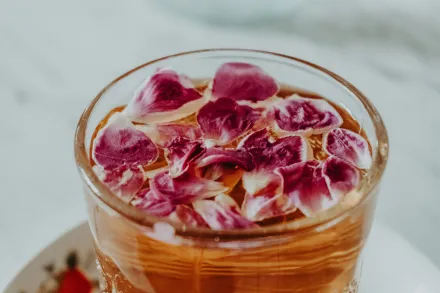
Herbal teas have long been part of human culture, offering more than a comforting aroma and a pleasurable taste. In modern times they are celebrated for their potential effects on health, mood, and daily hydration. Unlike true teas from Camellia sinensis, herbal infusions are brewed from a variety of plants, flowers, roots, and spices, each contributing a distinctive profile that can be tailored to the season, time of day, and personal needs. The practice of preparing and savoring herbal beverages is a sensory ritual that connects people to nature, history, and a slow pace of life that seems increasingly valuable in crowded schedules. When you drink herbal tea, you often drink a small moment of calm, a chance to pause and recharge, while simultaneously exposing your body to a spectrum of phytochemicals that have been consumed for centuries with appreciation and curiosity.
Historical roots and modern appeal
Herbal teas have roots in countless cultures where herbs were used medicinally, spiritually, and recreationally. In ancient civilizations farmers, healers, and kitchen sages combined plants such as peppermint, chamomile, sage, and hibiscus to address digestive discomfort, sleep challenges, or the need for refreshment. Today the scene has broadened into a global marketplace that still honors these traditional practices while embracing rigorous testing for safety and quality. The modern consumer seeks not only flavor and aroma but also transparency about sourcing, preparation guidelines, and the possibility of choosing blends that align with personal health goals. The continuity between past and present is most evident in the way people describe how a cup of herbal tea can anchor a moment of stillness in a busy day, how it can serve as a gentle ceremony that accompanies morning routines or evening wind downs. It is this bridge between memory and science that makes herbal tea something more than a simple drink; it becomes a cultural artifact that supports wellbeing in everyday life.
Nutritional profile and antioxidant benefits
Herbal infusions rarely supply large quantities of macronutrients, but they can be rich in micronutrients and plant compounds that confer antioxidant activity. In many infusions the presence of flavonoids, phenolic acids, and essential minerals depends on the plant matter used, and careful preparation can maximize the extraction of beneficial compounds. While the exact content varies widely from one herb to another, a common thread is the role these components play in neutralizing free radicals, supporting cellular health, and possibly reducing low-grade inflammation. The color, aroma, and taste signal a complex chemistry that can also influence how deeply we breathe and how our bodies respond to stress. Drinking a cup of herbal tea can become a practice that supports resilience at a cellular level, inviting the body to participate in a steady, gentle renewal rather than a sudden dose of stimulation or sugar-laden energy beverages. In this sense, the health value lies not only in isolated compounds but in the overall harmony of hydration, warmth, and mindful sipping.
Digestive health and gut comfort
Many herbal blends have long been used to support digestion, calm occasional stomach upset, and ease discomfort after meals. Ginger, peppermint, fennel, and caraway are frequently cited for their potential to soothe nausea, reduce abdominal bloating, and encourage smoother gut motility. The soothing warmth of a cup can help relax the muscles of the gut and adjust perception of discomfort, turning a troublesome episode into something more manageable. Beyond direct effects, the ritual of sipping a hot beverage after a meal can signal the body to engage digestive processes with a certain calm focus. It is important, though, to recognize that individual responses vary; what eases one person’s symptoms might irritate another due to sensitivity to certain essential oils or compounds. Therefore a mindful approach, starting with small amounts and observing responses, is sensible when exploring herbal teas for digestive support.
Calmness, sleep support, and mood balance
Several herbs are renowned for their sedative or anxiolytic properties when used in appropriate amounts, and many people include them in evening routines to ease tension before sleep. Chamomile has a long history of association with relaxation and restful nights, while lavender in small quantities can contribute to a sense of centered calm, and lemon balm is often cited for its mild uplifting effect without overstimulation. Valerian root is sometimes used in traditional medicine for deeper sleep, though it may carry interactions with certain medications or cause drowsiness in some individuals. The overall effect of these infusions lies less in drastic changes and more in gentle modulation of arousal and mood, offering a pathway to a restorative pause that complements healthy sleep habits. The experience of a warm cup, the scent of flowers and herbs, and the act of slowing down can positively influence circadian rhythms, stress hormones, and perceived fatigue, contributing to a more balanced daily rhythm over time.
Immune system support and respiratory benefits
Many herbs are celebrated for their potential to support immune function or ease symptoms of seasonal discomfort. Echinacea is one widely discussed example, while elderflower and elderberry are popular in traditional remedies for their perceived anti-inflammatory and anti-viral properties. Hibiscus offers tart flavor and a bright hue, and its high vitamin C content in some preparations is thought to contribute modestly to immune resilience, though it should be consumed in moderation by people with certain conditions. Expectorant herbs such as thyme and thyme-derived blends may help with throat comfort and minor coughs in dry environments. The respiratory benefits of herbal teas are often best realized as part of a holistic approach that includes good hydration, rest, and environmental controls, especially during cold seasons or allergy seasons. In all these cases the aim is to support the body's natural defenses without relying on a single miracle ingredient, recognizing that synergy among herbs and gentle lifestyle practices often yields the most consistent results.
Hydration, hydration quality, and subtle metabolic effects
While herbal teas contribute to hydration, their quality is influenced by temperature, steeping time, and water composition. A properly brewed infusion releases aromatic compounds and beneficial constituents gradually, without forcing too much caffeine or bitterness into the cup. The experience of drinking warm or hot beverages can influence sensations of fullness, appetite, and even mild energy levels in ways that support mindful eating without creating dependency on sweetness or stimulants. Some herbs have mild metabolic effects, such as ginseng or yerba mate in certain preparations, but many traditional infusions rely more on ritual, aroma, and soothing warmth than on measurable shifts in metabolism. The net effect is often a more satisfying hydration pattern that reduces cravings for sugary drinks, and when integrated with a balanced diet, can support overall wellbeing and energy stability throughout the day.
Choosing quality, safety considerations, and responsible consumption
Quality matters when selecting dried herbs and blends. Organic certification, transparent sourcing, fresh aroma, and properly stored herbs all contribute to a more enjoyable and safer experience. It is wise to read labels for potential additives such as preservatives, artificial flavors, or colorants that may detract from the intended herb benefits. People with allergies or sensitive digestive systems should exercise caution, starting with small portions and observing reactions. Some herbs interact with medications or medical conditions, so consulting with a healthcare provider when in doubt is prudent. Pregnant or nursing individuals should pay particular attention to the safety of certain botanicals, avoiding those associated with known risks. Knowing the origin of the herbs and the method of drying can also influence the presence of residual pesticides or contaminants. In practice this means choosing reputable brands, storing tea in a cool, dry place away from sunlight, and rotating blends to enjoy a wide range of flavors without overexposure to any single plant.
Preparation methods, flavor pairing, and sensory enjoyment
Brewing technique can dramatically affect aroma, flavor, and perceived health benefits. Water temperature and steeping duration should align with the herb type; delicate flowers may benefit from cooler water and shorter times, while sturdy roots and bark may require longer extraction at near boiling temperatures. The use of a timer helps avoid over-extraction that can lead to harsh notes, while gentle steaming can preserve volatile aromatics that create a sense of comfort with every sip. Flavor pairing with citrus zest, a hint of honey, or a dash of spice can transform an otherwise simple cup into a refined experience that invites slower sipping and mindful attention to the senses. The ritual itself—boiling water, measuring dried leaves, watching the infusion change color, and savoring the first warm breath—is part of the wellness equation, reinforcing meals, breaks, and transitions throughout the day.
Herbs with notable benefits and cautions
Chamomile provides gentle soothing properties and is often recommended for evening use, but some people may react to it or experience mild drowsiness as a side effect. Peppermint offers a cooling sensation and potential digestive aid, yet it can interact with conditions such as acid reflux by altering the lower esophageal sphincter tone in sensitive individuals. Ginger is widely cherished for its warming bite and potential antiemetic effects, though it may irritate the stomach in high doses for some. Hibiscus lends a vivid flavor and a tart tang, along with possible effects on blood pressure; those on antihypertensive therapy should monitor intake with medical guidance. Hibiscus may interact with certain diuretics and medications, so awareness of personal health context is essential. This nuanced landscape underscores the importance of approaching herbal teas with curiosity and caution, treating them as complementary support rather than sole remedies for medical conditions.
Cultural diversity, seasonal rituals, and community
Across the world, communities cultivate unique traditions around plants, flowers, and spices. In some cultures the day begins with a mug of warm mint tea that signals a clear break from the previous day; in others a fragrant sage infusion accompanies meals, while hibiscus blends bring color to festive gatherings. Seasonal rituals often reflect the harvest cycles, offering botanicals that align with weather, holidays, and communal gatherings. Sharing a teacup can become a form of hospitality and storytelling, a small but meaningful practice that sustains connection and continuity. In contemporary life, these diverse customs can be embraced in modern kitchens, offices, or retreat spaces, providing a sense of belonging and rhythm, even amid the pace of digital communication. The emotional resonance of tea draws people together and invites reflective conversation about health, taste, and daily care for oneself and others.
Sustainability, sourcing, and mindful consumption
Sourcing herbs with attention to sustainable farming practices helps ensure that future harvests remain available and that ecosystems are respected. Fair-trade networks, small farms, and cooperative growers often produce blends that carry a narrative of stewardship alongside flavor and benefit. Choosing blends that use whole herb parts rather than excessive processing can enhance both aroma and the sense of authenticity. For readers who care about the environmental footprint of their beverages, there is value in choosing loose-leaf infusions when feasible, composting spent plant material, and supporting brands that publish farming practices or partner with regenerative agriculture initiatives. Mindful consumption also includes listening to one’s body, adjusting the amount of herbal tea taken daily, and allowing periods of caffeine-free hydration as part of a balanced approach to health and wellbeing.
Practical integration into daily life and routines
Incorporating herbal tea into daily life is a flexible and accessible practice that can adapt to a wide range of schedules and preferences. A morning tea with a gentle lift in aroma can set a thoughtful tone for the day, a midday cup can offer a quiet interlude amid tasks, and an evening blend can close the day with warmth. The key is to approach tea as a partner in wellness rather than a quick fix, to observe how different botanicals affect mood, digestion, or energy, and to rotate blends to keep experiences fresh. As you become familiar with the primary flavors and aromas of the herbs you enjoy, you may begin to notice subtle shifts in how you sleep, how you digest food, or how your body handles stress. The practice also invites a slower pace of life that contrasts with the ease of grabbing a caffeinated beverage on the run, offering instead a moment of presence with each cup.
Integrating herbal tea into social and family life
Tea time can become a social ritual that fosters conversation, shared taste exploration, and quiet hospitality. Hosting a tasting with a few simple blends, inviting friends to describe what they smell and taste, and exchanging notes about preferred aromas can transform a humble beverage into a small celebration of multisensory experience. Families can use herbal teas as a nonalcoholic option during gatherings, providing a comforting alternative that still carries warmth and ritual. Children may be drawn to fruit-tinged or naturally sweet infusions, while adults may appreciate blends that balance flavor with a note of nostalgia. The social dimension of herbal tea is not merely about the drink itself but about the quality time spent together, the stories exchanged, and the sense of care that comes from sharing something nourishing.
Future directions in herbal tea research and practice
Scientific inquiry into herbal teas continues to expand, exploring pharmacological effects, interactions with medications, and long-term outcomes associated with regular consumption. Researchers examine how compounds such as polyphenols, terpenes, and essential oils behave in the body, how preparation methods influence bioavailability, and how individual genetics may modulate responses to different botanicals. While some claims remain preliminary, the growing body of knowledge encourages thoughtful experimentation with blends, mindful measurement of intake, and collaboration with healthcare professionals when managing chronic conditions. The evolving field also highlights the role of consumer education, quality standards, and transparent labeling as essential components of safe enjoyment. At the heart of this trajectory lies a simple premise: a cup of herbal tea can be a gateway to broader patterns of nourishment, curiosity, and everyday resilience.