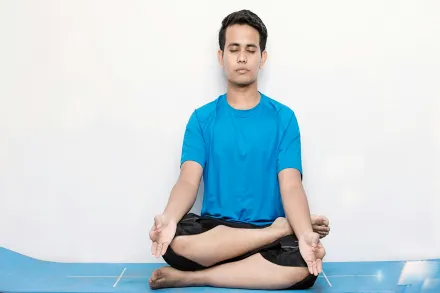
Understanding the Practice: What Daily Meditation Entails
Daily meditation refers to a simple, repeated discipline where attention is directed inward to observe thoughts, feelings, bodily sensations, and the flow of breath without judgment. It is not about erasing thoughts or achieving a flawless state of calm but about developing a steady relationship with our inner experiences. The practice can take many forms, from focused breathing and body awareness to open monitoring and gentle visualization, yet all share a common aim: to cultivate present-moment awareness with kindness. When learned with patience, daily meditation becomes a reliable movement of attention that can be folded into ordinary life rather than relegated to a separate retreat or ritual. The foundational idea is that attention trained in the quiet of practice gradually expands into the busyness of daily scenarios, helping individuals respond rather than react to circumstances.
In practical terms, a typical daily routine might involve a quiet space, a simple posture that allows the body to be upright and relaxed, and a window of time ranging from a few minutes to longer sessions as comfort grows. The breath often serves as an anchor because it is always present, rhythmic, and accessible. Yet the breath is not a constraint; it is a companion that helps the mind notice when it has wandered and gently invites it back. The cognitive frame that emerges from consistent practice is one of curiosity rather than judgment, recognizing thoughts as passing events rather than fixed truths. This shift lays the groundwork for healthier emotional processing and a more balanced mental experience across different contexts.
When approached with realism, daily meditation can be understood as a sustainable skill rather than a cure. It emphasizes process and ongoing cultivation over perfect outcomes. This means recognizing that there will be days when attention is easily scattered, and days when insight arrives with surprising clarity. The benefit, over time, accrues as a quiet foundation that underpins emotional regulation, attention, and self-awareness. The practice is a form of mental training, much like physical exercise strengthens the body, and it can be adapted to fit personal needs, including shorter sessions during a busy morning or longer sessions on weekends when more reflective time is available. The adaptability is a key strength because it reduces the pressure to perform and invites consistent engagement.
Immediate Psychological Shifts After a Session
Many people experience tangible shifts after a single meditation session, though the duration and intensity of these effects vary. A common immediate outcome is a gentle reduction in cognitive chatter, which frees up space for calmer sensory experience. With repeated practice, this quiet moment becomes more accessible, allowing emotions to be seen without becoming entangled in them. The sense of self often softens in these moments, shifting from a rigid self-critic to a more compassionate observer. This compassion is not a contrived sentiment; it arises from recognizing that thoughts and feelings are part of a shared human experience rather than isolated faults to be endured or dismissed.
The body also responds to short bouts of meditation with physiological changes. Heart rate tends to settle, breath becomes steadier, and muscle tension may ease in places that commonly hold stress, such as the shoulders and jaw. Even shallow sessions can yield subtle improvements in mood and energy levels, while longer sessions can deepen a sense of spaciousness that helps dilute anxious reactivity. The tangible benefits in the moment can reinforce the motivation to return to practice, creating a positive feedback loop where the perceived usefulness of meditation sustains ongoing engagement. Importantly, these immediate shifts are not the sole measure of benefit; they are markers on a trajectory toward longer-term mental health resilience.
How Daily Meditation Shapes Mood Regulation
Mood regulation is a dynamic process that involves recognizing fluctuations, understanding their triggers, and choosing responses that align with long-term well-being. Daily meditation trains the mind to observe mood states with greater equanimity. Rather than oscillating between elation and despair, a meditator learns to acknowledge the current mood and respond with deliberate intention rather than automatic behavior. Over weeks and months, this practice can reduce the amplitude of emotional swings, making stressful events feel more manageable and less overwhelming. The enhanced ability to observe mood without immediate reaction fosters patience, which in turn supports more stable affect and better social interactions.
From a cognitive perspective, meditation can influence the appraisal of emotional stimuli. By strengthening nonjudgmental attention, individuals become less prone to catastrophizing or ruminative spirals that magnify distress. This creates a cognitive environment in which emotions can be processed more adaptively, allowing for quicker repair after a setback. The cumulative effect is improved emotional flexibility, enabling people to shift strategies when faced with challenging situations instead of clinging to automatic patterns that may be maladaptive. The broader implication for mental health is a more reliable capacity to regulate mood over time, reducing the burden of chronic distress and promoting a clearer sense of psychological balance.
Impact on Stress and Anxiety Levels
Stress and anxiety are natural responses to perceived threats, but when they become frequent or chronic, they can erode well-being and impair functioning. Daily meditation addresses the underlying mechanisms that sustain stress responses by training attention to rest on the present moment rather than on imagined threats or past regrets. This approach dampens the overactivation of the stress response system, which can translate into fewer intrusive worry patterns and a calmer physiological profile. Practitioners often report less racing thoughts, slower breathing, and a reduced sense of impending danger after regular sessions, which collectively contribute to a lower baseline of anxiety and a more resilient stress response.
Optimization of coping resources is another meaningful consequence of sustained practice. As individuals cultivate a nonreactive awareness, they develop a toolbox for moments of acute stress: re-grounding through breath, labeling emotions, and choosing more deliberate actions. This repertoire is portable and can be deployed in real time, whether in a tense workplace meeting, a difficult conversation, or a moment of personal vulnerability. The long-term benefit is not a sudden absence of anxiety but a gradual normalization of stress physiology and a redefinition of what counts as a manageable level of distress. Such shifts enhance overall functioning and contribute to a healthier relationship with daily pressures.
Effects on Depression and Rumination
Depression and rumination often share a common thread: a persistent focus on negative content that feeds a cycle of hopelessness. Daily meditation interrupts this pattern by creating spaces in which attention can disengage from repetitive narratives. By noticing when the mind has wandered into self-criticizing loops and gently guiding it back to the present, meditators weaken the automatic pull of rumination. The practice thereby supports mood stabilization and a reduction in the frequency and intensity of ruminative episodes. It is not a panacea, but it functions as a constructive counterbalance to negative thinking that can contribute to depressive symptoms over time.
Additionally, meditation nurtures self-compassion, a critical factor in addressing depressive experiences. When practiced with kindness, individuals learn to relate to themselves with understanding rather than harsh judgment, which can alleviate the emotional pain associated with negative self-evaluation. The sustained cultivation of compassion also tends to improve interpersonal functioning, as people become less reactive and more able to listen and respond with warmth. While the science continues to explore the nuances of how meditation may influence depressive processes, many listeners report meaningful relief and a renewed sense of agency through regular practice.
Sleep Quality and Emotional Wellbeing
Sleep is a pillar of mental health, and meditation can play a substantial role in improving sleep quality by reducing arousal before bedtime. The act of sitting quietly and watching the breath can calm physiological systems that are often overactive at night, such as the sympathetic nervous system, which governs the fight-or-flight response. By fostering a downward shift toward parasympathetic dominance, meditation helps ease the transition into sleep, lowers the time needed to fall asleep, and can reduce awakenings during the night. In addition, daytime stress reduction contributes to more restful sleep by decreasing the likelihood of rumination and worry that can bleed into nighttime hours.
Beyond falling asleep, consistent meditation supports daytime emotional stability, which in turn reduces sleep-disruptive irritability and improves overall mood upon waking. The interplay between sleep and mental health is bidirectional, so improvements in sleep can amplify the benefits of meditation on mood and cognition, while better mood provides a more favorable platform for sustained practice. For many people, this creates a positive spiral in which sleep and meditation reinforce each other, yielding a more energetic, attentive, and emotionally balanced day-to-day experience.
Cognitive Benefits: Focus, Attention, and Flexibility
Attention is a finite resource, and daily meditation acts like a mental strength-training regimen that hones this resource. Regular practice improves sustained attention, allowing individuals to maintain focus on chosen tasks for longer periods without becoming distracted by peripheral stimuli. In addition to improving concentration, meditation enhances cognitive flexibility, which is the capacity to switch between tasks or adapt to changing demands without getting stuck in a single mode of thinking. These improvements can ripple outward, supporting learning, problem solving, and creative thinking, all of which contribute to a healthier sense of intellectual agency in daily life.
Another cognitive advantage lies in metacognition, or the awareness of one’s own cognitive processes. Meditation cultivates an observer perspective that helps people notice when their thinking becomes biased or distorted, such as overgeneralization or catastrophic thinking. This heightened awareness enables more accurate self-appraisal and more effective strategies for corrective action. The result is a sharper mind with better executive function, which supports decisions ranging from routine errands to complex professional tasks. Although results vary among individuals, the overall trend points toward improved cognitive vitality as a function of consistent practice.
Developing Resilience Through Meditation
Resilience in mental health refers to the capacity to recover quickly from stress, adapt to setbacks, and maintain a sense of purpose under pressure. Daily meditation contributes to resilience by strengthening the regulation of emotions, reducing reactivity, and fostering a more balanced appraisal of challenging experiences. When confronted with a difficult situation, a meditator is more likely to pause, observe, and choose a response that aligns with long-term well-being rather than relying on habitual reactions. This causal chain—from mindfulness to deliberate action—supports a steadier course through life’s inevitable perturbations.
Resilience also grows from a sense of intrinsic self-efficacy that emerges when individuals notice that they can guide their own mental state through practice. This realization is empowering and reduces feelings of helplessness that often accompany stress and trauma. As resilience strengthens, people tend to engage with adversity in more constructive ways, seeking social support when needed, leaning on coping strategies that have proven effective, and maintaining hope even when immediate circumstances are discouraging. The cumulative effect is a more robust mental architecture capable of withstanding future challenges with greater confidence and clarity.
Physical Health and Mind-Body Connection
Although the focus here is mental health, the mind and body are inextricably linked, and meditation invites a more harmonious relationship between them. Regular practice can influence autonomic nervous system balance, inflammatory processes, and hormonal regulation in ways that support emotional well-being. For example, reduced chronic stress translates into lower levels of cortisol, which can have downstream benefits for sleep, energy, and immune function. The mind-body connection becomes a practical asset as people experience improved vitality, better digestion, and a sense of steadiness that arises from aligning mental states with physical experiences.
Moreover, meditation encourages mindful awareness of bodily signals, which can improve how individuals respond to physical discomfort or chronic conditions. This heightened interoceptive awareness does not require dramatic changes in health status to be beneficial; even modest improvements in how one notices and interprets bodily sensations can reduce anxiety around pain or illness. As people learn to treat their bodies with greater gentleness and attention, mood and motivation often follow, creating a holistic uplift that reinforces daily practice and enhances overall quality of life.
Creating a Sustainable Daily Practice
Sustainability in meditation means creating a habit that fits naturally into everyday life rather than relying on willpower alone. This involves crafting a routine that respects personal rhythms, noise levels, and time constraints. A sustainable practice emphasizes accessibility, such as short sessions on busy days, the ability to practice in various environments, and a focus on consistency rather than intensity. When meditation becomes a flexible ally rather than a rigid obligation, people are more likely to sustain it through the fluctuations of life, including travel, work pressures, and family responsibilities. The key is to anchor practice in positive associations rather than in a binary standard of success or failure.
In practical terms, sustainability can be supported by framing the practice as a daily check-in with oneself rather than a performance metric. This reframing helps reduce anxiety about doing it "correctly" and instead centers on making gentle contact with present experience. Small rituals, such as a specific location, a preferred posture, or a cue that signals the start of practice, can enhance reliability. The longer-term effect is the gradual accumulation of calm, focus, and emotional clarity that spills over into other domains, enriching relationships, work, and personal growth without requiring dramatic life changes.
Barriers and Misconceptions
Common barriers to daily meditation include time pressures, skepticism about efficacy, and the belief that one must quiet the mind completely to benefit. These misconceptions can create unnecessary pressure and lead to discouragement when experienced thoughts persist. In reality, the most valuable aspect of meditation is not the absence of thoughts but the consistent practice of noticing them with gentle interest. Understanding that wandering attention is a natural part of learning helps individuals stay committed and patient, which is essential for long-term gains.
Other obstacles can be practical, such as noisy environments, uncomfortable seating, or inconsistent routines. Solutions often involve flexible scheduling, using simple chairs instead of cushions, or incorporating short sessions during commutes or breaks. The aim is to normalize practice as a practical and approachable tool rather than an idealized endeavor. By reframing challenges as opportunities to refine the approach, many people discover that what initially felt daunting gradually becomes a modest, dependable habit with meaningful rewards for mental health and daily functioning.
Meditation Across Different Populations
Daily meditation has relevance across diverse populations, though approaches may be tailored to fit distinct contexts, ages, and life experiences. For young adults managing academics or early career pressures, brief, focused sessions can provide relief from performance anxiety and chronic stress. For older adults facing life transitions, meditation can offer a framework for processing stress and maintaining cognitive vitality. In clinical settings, meditation can complement other treatments by impacting mood, attention, and intrusive worry, though it is not a substitute for professional care when needed. The universal value lies in cultivating a compassionate, attentive stance toward one’s own experience, which naturally supports psychological resilience.
Within family and community contexts, shared meditation routines can foster connection and reduce interpersonal tension. Even when practiced individually, the ripple effects extend into relationships, as calmer communication and greater empathy tend to emerge from regular internal work. Accessibility in terms of language, culture, and socioeconomic status is important, and choosing practices that align with individual values can enhance engagement. The goal is to honor diversity while providing a core skill that supports mental health, dignity, and recognizeiable humanity across different life paths.
Technology and Accessibility
Technology has transformed access to meditation, offering guided sessions, timer tools, and structured courses that can support beginners and seasoned practitioners alike. The convenience of apps and online programs makes daily practice more feasible for people who might otherwise struggle to establish a routine. Yet it is important to curate the use of technology thoughtfully; screens and notifications can also become distractions if not managed with intention. The ideal approach blends guided structure with opportunities for autonomous practice, recognizing that the ultimate aim is steady attention and compassionate awareness rather than perfect adherence to a digital format.
For accessibility, it is valuable to choose formats that accommodate diverse needs, such as brief audio guides, subtitles, and adaptable pacing. In clinical or therapeutic contexts, qualified instructors or clinicians may tailor programs to address specific mental health concerns, ensuring that the practice remains safe and appropriate for each individual. The overarching message is that meditation is not isolated from the broader landscape of health resources and should be integrated with sensitivity to personal histories and present circumstances to maximize benefits.
Practical Guidelines for Beginners
Beginners often benefit from starting with a modest commitment that aligns with real life, such as a few focused minutes each day and a simple anchor like the breath. The emphasis should be on consistency rather than on achieving a particular feeling, and it is normal for the mind to wander during early sessions. When this happens, gentle redirection back to the chosen anchor reinforces skill development rather than failure. Comfort with stillness tends to grow gradually, and the process becomes easier as the body learns to settle into a natural rhythm that supports sustained attention and emotional clarity.
As confidence builds, beginners can experiment with varied angles of practice, including body awareness, loving-kindness exercises, or brief explorations of thoughts as passing phenomena. It is helpful to maintain a nonjudgmental stance, avoiding self-critique for wandering attention, and to celebrate small milestones, such as maintaining a daily routine for a full week or noticing a subtle shift in mood or focus. The key is to cultivate a friendly relationship with the practice, recognizing that even modest improvements accumulate into meaningful life changes over time.
Advanced Practices for Sustained Benefit
For those who have established a regular practice, more advanced approaches can deepen benefits while still honoring the core principles of mindfulness and compassionate awareness. Extended sessions, varied techniques, and slow, deliberate breathing patterns can provide deeper experiences of calm and insight. It is important, however, to pursue progression with patience and self-compassion, avoiding the lure of sensational experiences or elation as prerequisites for value. The most robust gains come from sustained engagement, not from rare peaks of experience.
Advanced practice might also include exploring interoceptive awareness, where attention is directed to subtle bodily signals and their connection to emotional states. This approach enhances the mind-body integration that supports resilience and overall mental health. In addition, practitioners sometimes incorporate elements from contemplative lineages that emphasize ethics, intention, and compassionate action as integral parts of the practice, recognizing that meditation blossoms most fully when it informs how we treat ourselves and others in daily life. The result is a comprehensive mental health practice that impacts mood, cognition, relationships, and meaning, creating a coherent path toward well-being.