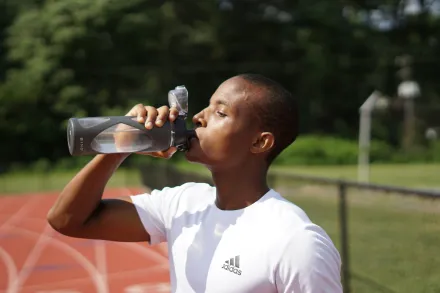
Role of hydration in exercise physiology
Hydration stands as a foundational pillar of athletic performance and everyday physical capability because water is the medium through which most physiological processes operate. When you move, your body relies on plasma volume to deliver oxygen and nutrients to working muscles, regulate temperature, and support the recovery processes that begin long after you finish. The act of sweating, a key cooling mechanism, consumes body fluids and electrolytes, and this loss is not merely a matter of thirst but a real shift in the delicate balance that keeps the cardiovascular system stable and the nervous system operating with precision. Without careful attention to hydration, the consequences can unfold as a cascade of increased heart rate, rising core temperature, diminished cognitive function, and a perceptible drop in endurance, all of which undermine both performance and safety. In short, fluid status does not exist in a separate corner of physiology; it touches every aspect of how efficiently the body can perform, how well it can regulate heat, and how effectively it can recover after intensity or duration pushes the limits of tolerance. The degree to which hydration influences performance can vary from person to person, but the general rule remains consistent: maintaining an appropriate fluid balance supports smoother cardiovascular response, steadier thermoregulation, and more stable energy production throughout exercise and beyond.
The body continuously negotiates hydration during activity through a balance of intake, loss, and redistribution of fluids. When exercise intensifies, metabolic heat generation increases and sweating accelerates to expel this heat. Sweat itself is not a uniform fluid; it carries electrolytes such as sodium and potassium, and the ratio of these minerals in sweat can differ widely among individuals, among activities, and with environmental conditions. As this fluid exchange unfolds, the body strives to preserve blood volume, ensure adequate salinity for nerve signaling and muscle contraction, and keep the core temperature within a narrow, survivable range. If hydration is neglected, the cardiovascular system may compensate by beating faster and harder to maintain blood pressure and perfusion, which translates into earlier onset of fatigue and impaired performance. Conversely, well-timed hydration helps preserve the pace you want to sustain, supports motor coordination, and helps you feel better during and after the session.
In practical terms, hydration is not simply a function of drinking when thirsty. Thirst often lags behind real deficit, especially during intense or prolonged activity, and by the time thirst signals appear, some level of dehydration is already present. This delay means that smart hydration strategies depend on anticipating needs based on the duration, intensity, environmental heat and humidity, clothing, individual sweat rates, and body size. The interplay of these factors means that even a modestly dehydrated state can slow performance and degrade cognitive sharpness, while overhydration can lead to discomfort and, in rare circumstances, more dangerous imbalances. The goal, therefore, is to cultivate a habit of proactive hydration that matches the demands of your specific exercise context rather than relying solely on internal cues such as thirst or fatigue. By aligning your fluid intake with the physiological realities of exercise, you set a foundation for consistent performance, steadier energy, and safer workouts under a wider range of conditions.
Additionally, electrolytes play a critical role in how the body preserves fluid balance and supports neuromuscular function. Sodium in particular helps retain water in the bloodstream and aids in nerve signaling that coordinates muscle contractions. Potassium contributes to cellular function and helps prevent cramping in some individuals, though cramps can have multifactorial causes. The precise electrolyte needs can vary based on sweat rate, climate, training state, and dietary intake, but recognizing that fluids alone are not the sole answer is essential. A well-rounded hydration plan acknowledges both water and electrolytes, using the right fluids to supplement water so that hydration is comprehensive rather than superficial. With this understanding, athletes can tailor their strategies to sustain performance while minimizing the risks associated with both dehydration and electrolyte imbalance.
Another dimension to hydration during exercise concerns body temperature regulation, where sweat production serves as the main cooling mechanism for most moderate to intense activities. As you exercise in warm or hot environments, your sweat rate tends to rise and with it the potential for rapid fluid loss. The stability of core temperature depends not only on how much you drink, but also on how quickly you replace fluids and electrolytes that accompany sweat. In cooler conditions, the body still benefits from maintaining hydration to preserve joint lubrication, circulatory efficiency, and metabolic processes that support muscle function. The overarching message is clear: hydration during exercise is not a single action but a dynamic process that integrates fluid quantity, electrolyte balance, environmental context, and individual physiology to preserve performance and safety.
When hydration strategies are aligned with these physiological insights, athletes often experience a smoother ride through workouts, with fewer drops in power output and less perceived effort at a given pace. That alignment depends on a conscientious approach that respects personal fluid needs while staying adaptable to the conditions and the demands of the activity. The interplay of drinking, sweating, and rehydrating is a living system during exercise, and recognizing its dynamism helps athletes make informed choices that improve both immediate performance and longer-term health. Understanding hydration at this level empowers you to tailor your routines so that fluid intake complements endurance, strength, and focus rather than fighting against the body's needs.
How much fluid do you need
Determining a universal fluid target for every person is impossible because sweat rates differ widely among individuals and are shaped by muscle mass, fitness level, acclimatization, clothing, intensity, duration, and environmental stressors. Nevertheless, there are practical principles that help athletes estimate and monitor their needs in a reliable, repeatable way. A sound starting point is to consider daily hydration as a baseline for health and performance and then adjust it in proportion to activity and heat exposure. For many people, maintaining regular water intake throughout the day supports a steady state, with more emphasis on fluids around training sessions to compensate for losses. The goal is to minimize fluid deficit during exercise to avoid impairments in cardiovascular function, heat dissipation, and cognitive performance. This does not require perfection; rather, it encourages a consistent approach that adapts with experience and feedback from your body.
To gauge more precisely how much you should drink during exercise, a practical approach is to estimate sweat rate using body weight before and after a training session under similar conditions, adjusting for any food and fluid intake that occurred during that period. In simple terms, weigh yourself in light clothing before exercising, then again after you finish, accounting for any fluids consumed during the session. The difference in weight reflects fluid loss, usually measured in liters. A ballpark guideline is that for each liter of sweat lost, you should aim to replace roughly that amount during and after the workout, while keeping the intake in smaller, consistent portions that your stomach tolerates. This method requires honesty in tracking and a bit of trial and error to match individual tolerance and gut comfort, but it yields a personalized map of intake that aligns with real losses rather than theoretical targets.
Beyond the sweat rate, a practical daily habit is to distribute hydration evenly across the hours of the day so that the body starts exercise with a favorable hydration status. In addition to plain water, fluids containing electrolytes can offer a margin of safety, especially for longer sessions or activities in hot or humid environments. The preference for certain beverages often comes down to taste, tolerance, and how well you can maintain consistent intake without feeling overfull. The important message is that hydration is a continuous process, not a one-time act, and establishing a steady routine improves accuracy and reduces the chances of both underhydration and excessive fluid intake that can burden the digestive system.
Seemingly simple guidelines, such as aiming for pale urine and regular thirst cues, can be helpful but are not flawless markers for everyone. Urine color can vary with vitamins, medications, and certain foods, while thirst may still lag behind the needs of high-intensity or long-duration exercise. Therefore, practical hydration strategies rely on proactive planning that considers the type of sport, climate, and personal response, rather than a rigid rule that may not fit your physiology. In this sense, hydration is an optimization problem where small, consistent adjustments over weeks create a resilient and responsive system that supports performance, comfort, and health across a wide spectrum of activities.
When considering fluid targets, it is also useful to think about the composition of beverages. Water is essential for early replenishment and maintenance, but for sessions that push beyond an hour or occur in challenging environments, drinks containing electrolytes and a modest amount of carbohydrate can make a meaningful difference. Sodium helps preserve blood volume and neuronal signaling, while carbohydrates provide a quick energy source to delay fatigue during long endurance efforts. The precise balance among water, sodium, and carbohydrates should reflect the duration and intensity of exercise, plus the ambient conditions and your personal tolerance. With a thoughtful approach, you can ensure that your hydration plan not only replaces lost fluids but also sustains performance and supports steady cognitive function as you push through demanding workouts.
Before you start: prehydration strategies
Prehydration serves as a quiet foundation that prepares the body for the upcoming workload, particularly when heat, humidity, or altitude are present. Arriving at exercise with a well-hydrated state helps maintain blood volume, supports circulation to muscles, and reduces the risk of early dehydration during the first minutes of activity. A practical mindset is to drink deliberately in the hours preceding exercise, rather than attempting to compensate for losses solely in the minutes right before you begin. The amount of fluid that feels comfortable will vary, but the general aim is to achieve light, regular hydration that does not lead to bloating or discomfort. The timing can be guided by routine cues, and many athletes benefit from sipping an easily digested beverage in the hours before training, while avoiding large volumes at once that might slow the stomach. In addition to water, beverages with a small amount of sodium can help participants start at an optimal volume, and this practice can be especially helpful when workouts will occur in warm conditions or after periods of low daily intake.
As you prepare, consider the environment and the anticipated intensity. If you expect to train in a warm setting or for a long duration, you might increase your preexercise intake modestly to ensure that your body begins with a favorable hydration status. People who train early in the morning may benefit from a light morning hydration session that includes not only water, but a beverage with electrolytes to begin the day with a balanced electrolyte profile. The key is to avoid abrupt, heavy drinking immediately before activity, which can cause discomfort or a slowed gastric emptying. Instead, establish a cadence of small, steady sips that gradually bring the body to an optimal hydration baseline and reduces the risk of a rapid shift in osmotic balance once exercise starts.
In addition to fluids, paying attention to nutrition around training helps hydration. Foods contribute water content as well as minerals that influence fluid balance. A balanced meal or snack that contains both carbohydrates and electrolytes can support hydration by providing energy and a steady source of fluid-rich materials. Moreover, comfortable clothing, a well-ventilated environment, and a routine that allows for gentle warmups before the main effort all synergize with hydration by maintaining a stable body temperature and smoother blood flow. With a thoughtful prehydration approach, you lay a groundwork that supports your performance goals and reduces the need for urgent corrections once activity begins.
During exercise: maintaining hydration
Maintaining hydration during exercise requires a rhythm that respects your body’s tolerance, the pace of the activity, and environmental challenges. A practical approach is to sip fluids at regular intervals rather than chugging large amounts infrequently, as this approach supports steady gastric emptying and prevents both acute stomach discomfort and excessive fluid shifts. For many workouts, a modest intake of a few hundred milliliters every fifteen to twenty minutes may be effective, with adjustments based on felt thirst, sweat losses, and practical considerations such as the availability of fluids and the duration of the session. It is helpful to listen to your body and respond with a flexible plan that adapts to the pace of the workout, rather than following a rigid timetable that does not reflect how you actually feel in the moment.
Sweat is not a precise indicator of fluid needs, but observing how your body behaves during training can guide adjustments. If you notice a heavier weight loss after a session or persistent thirst after beverages, you may need to increase both the volume and the frequency of intake, particularly on hot days or during longer sessions. In hot or humid climates, electrolyte-containing drinks can help replace sodium losses that accompany sweat and can support the preservation of thirst perception and hydration status. It is also important to recognize that a small amount of carbohydrate in a sports beverage can help sustain performance by providing a quick energy source, which is especially useful during endurance activities. The objective remains clear: prevent dehydration-related declines in performance while avoiding the discomfort that can accompany overhydration.
The choice of beverage during exercise can be tailored to the duration and intensity of the activity. Plain water suffices for shorter, lower-intensity sessions or activities in cooler environments. For longer bouts or for those with higher sweat rates, a beverage with electrolytes and a moderate carbohydrate concentration may be advantageous. Carbohydrates in the drink help fuel muscles and can improve endurance by maintaining blood glucose levels, which in turn supports cognitive function and coordination. Sodium content becomes particularly important during sessions that exceed an hour or are performed in heat; sodium helps maintain plasma volume and reduces the sensation of heavy thirst, creating a more stable hydration state. In practice, many athletes gravitate toward a beverage that feels comfortable, tastes appealing, and fits the length and intensity of the workout while ensuring that intake is not excessive.
The environment exerts a powerful influence on hydration needs. Training in high temperatures or humidity accelerates fluid losses and often requires a higher rate of fluid intake and a smarter electrolyte strategy. In such conditions, you may find that thirst cues are less reliable as a guide because the body prioritizes rapid cooling and fluid distribution over the sensation of thirst. Consequently, planned drinking strategies become especially valuable, inviting athletes to practice and refine how much and how often they sip during training to maintain stable weight and performance. Even small changes, such as carrying a bottle during warm sessions or using a hydration belt during longer runs, can make a meaningful difference in how well you sustain effort and how comfortable you feel while exercising.
In addition to fluids, it is important to consider the timing of hydration around high-intensity intervals or rapid surges in effort. Short bursts of intense activity can temporarily elevate core temperature and shift fluid distribution away from the active muscles toward the core, which can lead to a feeling of dryness in the mouth or a drop in perceived performance. Responding to these dynamics with consistent sipping and a cautious approach to electrolyte balance can help you maintain both power output and neural function, supporting smoother transitions between work and rest phases. The goal is to stay ahead of fluid losses, not chase them after you already feel depleted, so shy away from waiting until thirst becomes compelling if your training demands rapid shifts in pace or extended durations.
Choosing the right fluids
The question of what to drink during exercise does not have a single universal answer, because personal tolerance, tolerance for stomach comfort, and the specific demands of the session all matter. For many athletes, water remains the backbone of hydration, offering an effective way to replace fluid losses without introducing extra calories or electrolytes that might upset the stomach. For longer workouts or hot environments, beverages that supply electrolytes, especially sodium, can help preserve blood volume and reduce the risk of hyponatremia. Some athletes prefer drinks with a modest carbohydrate content to maintain blood glucose and sustain energy. The carbohydrate level in sports drinks is typically designed to support endurance without causing rapid spikes in insulin that can lead to a crash later in the session. While some beverages may include minerals such as potassium and magnesium, the core electrolyte of concern in the context of hydration during exercise is usually sodium, given its central role in maintaining fluid balance and nerve function.
For individuals who are sensitive to dairy or who are seeking natural alternatives, it is possible to pair water with electrolyte-rich foods or mineral beverages that align with their preferences. The most important guideline is to avoid beverages that cause stomach distress or lead to excessive fullness during activity, as this can interfere with performance and comfort. It is also wise to limit diuretic substances that can contribute to fluid losses, at least around training sessions where maintaining hydration is critical. Ultimately, the best beverage choice is the one that you can consistently use across a range of workouts without compromising your gut comfort, energy, or concentration.
Understanding the role of electrolytes helps refine your choices. Sodium has a well-established function in maintaining plasma volume and thirst signaling, while potassium supports muscle function and electrical neutrality in cells. If you are preparing for prolonged endurance work in heat, a sports drink with a balanced electrolyte profile can give you a margin of safety by stabilizing fluid distribution when sweat losses are substantial. If your training is shorter or conducted in mild conditions, plain water may be entirely adequate. Each athlete can adjust the balance of fluids and electrolytes in response to how they feel, what their fluid losses look like, and how their performance responds in practice sessions.
Hydration in different environments and durations
Environmental conditions shape hydration needs in meaningful and sometimes surprising ways. In hot climates, sweat rates can rise dramatically, demanding careful planning to replace both fluids and electrolytes without overwhelming the stomach. In humid environments, the perception of effort can rise sharply even when the actual workload remains similar, and this subjective experience often correlates with greater fluid losses that justify more frequent drinking. Dry heat presents another dynamic; sweating can be less noticeable but still capable of causing substantial fluid losses, so a proactive hydration approach is prudent to protect performance and safety. Altitude introduces its own complexities, as dry air and altered respiratory demands can increase fluid needs and alter thirst signaling, necessitating adjustments in both the timing and quantity of fluid intake. Regardless of the setting, tuning hydration to the specific environment helps preserve plasma volume, maintain cardiovascular efficiency, and support effective cooling.
The duration of exercise is another critical factor. Short, moderate sessions may not require electrolyte-enhanced beverages, while longer workouts, resistance circuits that endure for more than an hour, or multi-stage events typically benefit from a fluid strategy that integrates electrolytes and carbohydrates. In endurance events, the risk of hyponatremia rises if fluid intake is excessive relative to sodium losses, especially when the exercise lacks a high intensity or measurable pace in the endgame. Conversely, severe dehydration can precipitate dizziness, fainting, and a dangerous rise in heart rate. The art of hydration, then, is balancing the fluid volume with the pace of the exercise and the environmental stress, acknowledging the potential for different days to demand distinct approaches while consistently prioritizing safety and comfort.
Recognizing hydration status and signs of dehydration or overhydration
Thirst is a cue, but it is not the sole indicator of hydration status. An athlete might feel thirsty yet be near the upper range of safe hydration or, conversely, appear well hydrated but still experience inadequate tissue perfusion under heavy load. Urine color offers a rough gauge, with pale straw color generally indicating adequate hydration and darker tones suggesting the need for more fluids, though medications, supplements, and certain foods can influence color independently of hydration. Dizziness, lightheadedness, dry mouth, headaches, irritability, and reduced endurance are symptoms that often accompany dehydration and can signal a need to adjust fluid intake. On the other hand, overhydration or hyponatremia can manifest as nausea, confusion, swelling, or seizures in extreme cases, particularly if fluid intake is excessive and sodium losses are not adequately compensated. Healthful hydration navigates between these extremes, recognizing that both underhydration and overhydration carry risks for performance and safety, and it emphasizes a steady, responsive approach based on experience and objective cues.
Proper hydration also requires attention to the timing of intake around the workout. Consuming fluids gradually and consistently in the hours leading up to exercise and continuing during the session helps maintain fluid balance and reduces the likelihood of abrupt shifts that can disturb digestion or thermoregulation. Post-workout hydration becomes a continuation of the strategy, aiming to restore the losses that occurred during the session and to support recovery processes. The combination of steady intake, electrolyte balance, and environmental awareness forms a comprehensive blueprint for a hydration plan that respects your body’s needs while enabling you to train stronger, longer, and with less risk of adverse effects.
Recovery and rehydration after exercise
After exercise, the body works to restore fluid balance, replenish electrolytes, and repair tissues, making post-exercise rehydration a key step in the overall training cycle. Drinking fluids with electrolytes soon after activity helps restore plasma volume, support nerve and muscle function, and promote a faster return to baseline for cognitive and physical performance. A practical approach is to continue sipping fluids for several hours after the workout, aligning intake with body weight changes and thirst cues while avoiding the temptation to gulp large volumes in a short span, which can lead to stomach discomfort or hyponatremia if electrolytes are not adequately addressed. In addition to fluids, foods containing water and minerals contribute to recovery, and a balanced meal or snack after training can accelerate the restoration of hydration status as part of the broader recovery strategy.
Tracking long-term trends in body weight after workouts can provide valuable feedback about hydration practices. If you notice consistent post-session weight loss that exceeds what would be expected from sweat alone, you may need to adjust your fluid plan upward, particularly for hot days or longer sessions. Conversely, if you regain weight rapidly or feel bloated after meals and fluids, you might be overdrinking or consuming fluids with an inappropriate electrolyte balance for the context. A steady, attentive approach that combines mindful drinking with electrolyte-aware choices helps maintain a stable hydration state, supports tissue recovery, and reduces the risk of delayed fatigue or impaired performance following a hard workout.
Special populations and considerations
Hydration needs can differ across ages, health statuses, and training levels, and there are particular considerations for children, older adults, or people with medical conditions that affect fluid balance. Children may have higher surface area-to-body mass ratios and different sweating patterns, which can influence both fluid needs and risk of dehydration during play or sport. Older adults may experience blunted thirst perception, requiring more deliberate hydration strategies to maintain safety and performance as they train or participate in activities. Individuals with certain medical conditions, such as kidney disease, diabetes, or cardiovascular problems, should consult healthcare professionals to tailor hydration plans that consider medications, hydration cues, and the potential impact on blood pressure and electrolyte status. In all cases, the core principle remains the same: hydration should be thoughtful, individualized, and responsive to the person’s needs, taking into account age, health, training status, and environmental exposure.
For athletes managing heat training, acclimatization plays a meaningful role, gradually expanding the body’s ability to tolerate higher temperatures and sweat more efficiently. In acclimated individuals, sweat composition can shift, and the body may adjust by increasing plasma volume and optimizing heat dissipation, which can influence both fluid needs and the timing of electrolyte replenishment. Even in acclimated athletes, hydration strategies should remain flexible and scenario-specific, because day-to-day variations in weather, training load, and fatigue can all alter the optimal approach. The essence lies in listening to bodily signals, experimenting with beverages that feel comfortable, and maintaining a sustained habit of proactive fluid management that supports safety and endurance across a range of conditions.
Common mistakes and practical tips
Several common missteps can undermine hydration efforts despite good intentions. Relying solely on thirst during exercise, especially when activity is intense, can lead to insufficient intake. Drinking too quickly or consuming excessive volumes in a single sitting can cause stomach discomfort and may impair performance, as rapid shifts in fluid volume challenge digestion and may overwhelm the small intestine’s ability to absorb fluids efficiently. Underestimating the impact of environmental heat and humidity on sweat losses can leave athletes underprepared for the actual fluid needs of a session. Overemphasizing caffeine or alcohol while training can contribute to fluid losses and complicate hydration plans. The practical antidote to these missteps is a measured, personalized approach that includes regular hydration outside of workouts, beverages with a modest electrolyte content for longer sessions, and a gentle, consistent intake pattern during training that respects stomach comfort and perceptual cues.
One effective practical tip is to carry a hydration plan into training that aligns with your typical routine and environment and communicates it with coaches, teammates, or training partners. This shared understanding helps reinforce consistency and safety, ensuring that everyone remains aware of how much to drink and when to drink it during sessions. Another useful practice is to experiment during non-critical training days with different beverages to learn what your gut tolerates best and what feels most natural under various workloads. By iterating in a controlled manner, you can refine your hydration approach so that it feels almost automatic during competitions or high-pressure workouts. A simple rule of thumb is to favor gradual, steady intake, prioritize electrolyte-containing drinks when sweat losses are high, and adjust the plan based on how you feel and the environmental conditions you encounter.
It is also wise to consider hydration within the broader context of daily habits, ensuring that hydration remains a consistent thread across training, rest days, and recovery windows. A steady pattern of fluid intake not only supports workouts but also helps foster overall health and well-being by maintaining organ function, skin health, and digestion. Within this framework, hydration becomes a sustainable lifestyle choice rather than a sporadic adjustment before or after workouts. This approach reduces the risk of dramatic shifts in fluid balance and supports a smoother adaptation to varying training demands, climate conditions, and life responsibilities that influence how much fluid you consume.
The path to effective hydration is highly personal, and it rewards patience, observation, and adaptability. By integrating the physiological principles discussed, listening to your body, and tailoring strategies to the specifics of your activities, you can maintain a hydration plan that feels natural and reliable. The result is not merely improved endurance or reduced fatigue but a healthier relationship with your body’s needs during all phases of training and daily life. When hydration aligns with physiology and context, you equip yourself to train with confidence, perform consistently, and recover more smoothly, regardless of the terrain, climate, or season you face.
The ongoing practice of hydration requires a respectful and iterative mindset. Track how different beverages affect your comfort and performance, note environmental conditions, and adjust accordingly. The objective is to support blood volume, electrolyte balance, and heat regulation while avoiding extreme extremes on either end of the spectrum. By honoring the body's signals, preparing for anticipated losses, and choosing fluid strategies that suit your workouts, you cultivate a resilient hydration habit that accompanies you across seasons, sports, and life’s shifting demands. In this way, proper hydration becomes a reliable ally in your pursuit of fitness, health, and well-being that endures beyond any single exercise session.
Ultimately, hydration during exercise is a personalized, dynamic process that integrates science, experience, and common sense. It requires attention to how your body responds in different environments, a willingness to adjust based on the context, and a steady commitment to distributing fluids in a way that sustains performance and protects health. When you approach hydration as an essential, ongoing part of training rather than as a one-off obligation, you empower yourself to perform at your best, stay safe, and enjoy the broad benefits that come with maintaining an optimal fluid balance through every workout and daily activity.
By employing these principles, you can craft a hydration plan that respects the complexity of human physiology while remaining practical, flexible, and sustainable. The focus remains on consistency, the right balance of water and electrolytes, responsiveness to environmental stressors, and mindfulness of personal tolerance. Through thoughtful preparation, steady execution during workouts, and attentive recovery afterward, you build a hydration routine that supports peak performance, healthy adaptation, and enduring well-being.