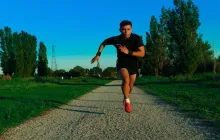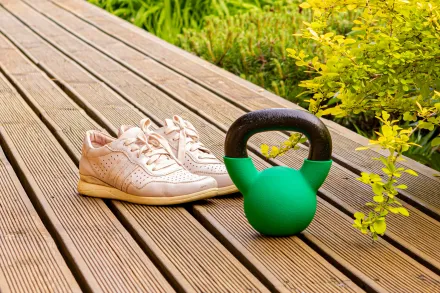
For many people, holidays trigger a shift in routine that can erode fitness habits if not approached with intention. A successful approach begins with a mindset that treats movement as a companion to celebration rather than a punishment or a chore. Recognizing that the holidays are temporary helps reduce guilt around indulgence while anchoring a plan to maintain a level of activity that sustains energy, mood, and sleep quality across busy days. A flexible frame of mind allows you to adapt to crowded schedules, late nights, and unfamiliar environments without abandoning your health goals. By redefining fitness as a regular act of care rather than a rigid ritual, you create a foundation that carries you through travel, family gatherings, and long days of sightseeing. This attitude matters as much as the workouts themselves, because intention shapes completion, and consistency compounds.
When you enter a holiday period with a clear understanding that some days will be lighter and others more intense, you reduce the risk of burnout and guilt. A practical outlook involves recognizing that progress is not erased by one week of indulgence, but it can be reset or redirected with small, deliberate actions. Visualize a simple plan that emphasizes sustainable movement rather than perfection. Treat each day as an opportunity to move in a way that respects your current conditions, whether you are in a bustling city, a quiet ski cabin, or a sunlit beach town. With that mindset, you begin to notice how even brief activity windows can restore energy, sharpen mood, and support better choices around meals and sleep.
Planning Before the Trip
Preparation before a holiday journey pays dividends when schedules become crowded and gym access shifts from routine to sporadic. Begin with a clear picture of what you want to accomplish during the travel period, not as a strict mandate but as a flexible intention. Create a lightweight plan that can adapt to different environments: a few core movements that require minimal space, a handful of training days you can adjust in length, and a device or notebook where you track progress without overwhelming yourself. Packing light is a virtue here—think a resistance band, a couple of compact options like a jump rope, and a plan that can be executed with bodyweight in a hotel room, a park, or a beachside walkway. By preemptively outlining times for movement, you reduce decision fatigue and increase the odds of acting when opportunities appear during the day.
Another important part of preparation involves logistical clarity with commitments at your destination. If you know hotel gym hours, you can slot workouts into quiet morning periods or late-evening windows after meals and family activities. If gym access is uncertain, you can design variations of workouts that rely on space and gravity rather than equipment, ensuring you maintain strength and mobility when facilities are limited. The objective is not to overpack or overplan but to set a realistic framework that respects your travel pace while preserving a sense of routine. A well-thought-out plan also includes a strategy for hydration and nutrition, which often shifts during holidays and can have a bigger impact on how you feel than the workouts themselves.
Designing Flexible Workouts
Flexible workouts are the lifeblood of fitness maintenance during holidays because they adapt to changing spaces, times, and energy levels. A robust approach combines strength, mobility, and cardiovascular elements in circuits that can be completed in a compact window. In a small hotel room, you can perform sets that move through a sequence of squats, push-ups, rows using a towel, planks, and planks with hip rotations to maintain core integrity. If you have a resistance band, you can layer in assisted push-ups, banded rows, glute bridges, and overhead presses without needing much space. The key is to structure routines that are exhaustive but safe within the environmental constraints you encounter, ensuring you achieve an adequate training stimulus without pushing into risk or injury.
To keep workouts engaging and comprehensive, you can design micro-cycles that emphasize different aspects of fitness while keeping a common framework. A session might begin with a brief warm-up that elevates heart rate and mobilizes joints, followed by a sequence of compound movements that work multiple muscle groups, then a cooldown that emphasizes breathing and lengthening the musculature. When time is tight, aim for short but intense efforts such as 15 to 20 minutes of continuous movement rather than longer, lower-intensity sessions. In addition, emphasize mobility and balance work, because these elements often decline during travel and sedentary planning, yet they are crucial for maintaining posture and preventing discomfort during longer days of walking or standing.
Scheduling Realistically
Realistic scheduling means acknowledging the realities of holiday life and weaving movement into the fabric of daily activities rather than treating it as a separate chore. You can create a cadence that fits naturally with meals, sightseeing, shopping, or family time by placing movement blocks at moments when energy and mood are highest. A morning session before the day’s obligations can set a positive tone, while a short active break in the afternoon can counteract fatigue from travel or socializing. Realism also means accepting that some days will require lighter effort or rest without feeling like a failure. Rather than pursuing perfection, you pursue consistency over the span of the holiday period, which is more sustainable and protective of your overall progress. The act of planning with honesty about your schedule reduces the friction you experience when opportunities arise and increases the likelihood that you will seize them.
Another dimension of realistic scheduling involves choosing workouts that align with your energy patterns. If you tend to feel more fatigued in the evenings after long days, you can prioritize a brisk walk, mobility work, or a short strength circuit earlier in the day. If you are a morning person, you can commit to a consistent brief session before breakfast, knowing that later hours may bring social commitments that are less forgiving for long workouts. This approach respects personal rhythms while preserving a sense of accountability. It also helps you maintain social presence, as you can partake in activities with family and friends without feeling as though your fitness plan is in conflict with celebrations or cultural experiences.
Travel and Airport Tips
Travel often disrupts routines, yet it can also create opportunities to stay active in creative ways. When you have a plan for airports, layovers, and hotel days, you can preserve momentum even in transit. On flying days, you can incorporate light movements that break up sedentary periods: gentle lunges in the aisle or hallway, ankle rotations, shoulder circles, or a quiet marching cadence in your seat to stimulate circulation. In hotels, you can explore stairs instead of elevators, which provides a practical source of cardio and leg strength. If you have access to a gym, you can opt for a short, efficient routine that targets major muscle groups and uses intervals to maximize intensity in a limited time. If not, you can adapt by performing bodyweight circuits in your room, using a chair for incline push-ups or triceps dips, and integrating balance work to maintain proprioception during travel.
Another core idea is to leverage external cues in the travel environment. You can schedule a morning walk to a local market, climb a set of stairs in a historical building, or participate in a short, guided outdoor circuit near your lodging. By making movement a deliberate part of the travel plan rather than an afterthought, you redeem travel time as an opportunity rather than a setback. The approach should be gentle yet consistent, ensuring you maintain a baseline level of fitness without creating unwanted stress around strict adherence. Above all, celebrate small wins: a longer stroll, a more controlled breath during a climb, or an improved pacing on a set route during your exploration days.
Strength and Mobility with Minimal Equipment
Strength maintenance is not solely the realm of gym machines; you can preserve muscle and functional capacity using minimal, portable equipment or even improvised gear. A resistance band expands your options with rows, presses, and hip bridges, while a jump rope adds a cardio element and coordination challenge in tight spaces. If bands are unavailable, you can rescue strength with bodyweight progressions that progress in difficulty, such as elevated push-ups, number-perfect squats, slow tempo lunges, and isometric holds that demand control rather than sheer speed. Mobility work should accompany these efforts to reduce stiffness and support joint health across travel days. Gentle dynamic stretches, hip openers, thoracic rotations, and ankle mobility drills can be embedded into warm-ups or cooldowns to protect against the sedentary rhythms of long flights and bus rides.
In addition, you can creatively reuse everyday items as tools for resistance work. A filled backpack, water-filled bottles, or a bag of groceries can function as makeshift weights for goblet squats, rows, or farmers carries. The key is safety and balance: keep movements controlled, start with light loads, and progress only when form remains solid. With thoughtful variation, you can create an effective program that travels with you and respects both space and energy constraints while maintaining a steady path toward strength retention and posture awareness.
Active Logistics in Hotels and Resorts
Hotels and resorts offer opportunities to embed movement into daily routines, often with fewer barriers than home gyms. You can use the lobby stairs for intervals, explore nearby running paths or parks, and take advantage of morning light for a quick outdoor session. In a resort setting, you might combine walking with scenic sightseeing to keep both fitness and relaxation in balance. When indoor space is limited, turn to compact circuits that rely on bodyweight and isometrics, which can be performed in a bedroom or a corridor. The aim is to transform spaces that could feel restrictive into arenas for movement by using creativity rather than excuses. Short sessions can yield meaningful adaptations if they are performed consistently over the course of the vacation, avoiding the trap of postponing activity until a perfectly scheduled window appears.
Bookend each day with a simple routine that you can perform without equipment: a sequence of squats, push-ups or incline push-ups, hip hinges, planks, and a few mobility drills. You can also schedule a gentle walk in the evening to aid digestion and fosters a calm transition to rest. By integrating movement into the daily rhythm of your holiday lodging, you maintain a neutral baseline of activity that helps you recover from longer days of walking or standing, maintaining energy for social interactions and meals without becoming depleted by a rigorous, unattainable plan.
Movement in Public Spaces
Public spaces offer rich opportunities to stay active even when you are away from a gym. A park or plaza can become a natural gym if you bring a lightweight plan that uses space, benches, and open ground. A short cardio circuit might include brisk walking or stair climbs, followed by bodyweight exercises such as step-ups on a bench, elevated pushes against a railing, and mobility drills that address the hips, spine, and shoulders. If you encounter cobblestones and uneven terrain, you can turn this into an opportunity for balance work and proprioception, performing controlled single-leg stands or slow lunges with careful attention to foot placement. Walking and hiking seasons are often excellent during holidays, so you can frame long excursions as a training block that also enables cultural exploration and memory-making with friends and family.
When you join group activities or family outings, you can negotiate to add a longer walk before a meal or a quick stretch break during a rest stop. The social dimension of holidays often creates natural motivation for movement, and you can harness this energy by choosing activities that align with collective interests while still meeting personal fitness goals. The combination of outdoors, social engagement, and purposeful movement creates a sustainable rhythm that feels enjoyable rather than burdensome, which in turn encourages repeated participation and reduces the chances of neglecting movement during crowded days.
Nutrition and Hydration During Festivities
Casting movement as part of a broader lifestyle during holidays includes mindful nutrition and steady hydration. You can enjoy seasonal foods with a thoughtful approach that prioritizes protein, fiber, and hydration while still allowing for indulgences in places where family traditions feature specific dishes. A simple principle is to anchor meals with lean protein and vegetables, then enjoy the plate’s celebratory components in reasonable portions. This approach supports energy for movement and reduces post-meal fatigue that can derail an afternoon activity. Hydration remains essential, particularly when traveling and crossing time zones. Water supports digestion, mood, and performance; carrying a reusable bottle and sipping regularly helps you avoid dehydration that can magnify jet lag and fatigue. If you consume alcohol, pairing drinks with water and spacing them out can limit dehydration and help you maintain better energy for morning workouts or walks the next day.
Balancing indulgence with nourishment also means being mindful of sugar intake and overall caloric balance. Holidays often bring desserts and rich sauces that can tip the scale if eaten in large portions or without consideration. A practical approach is to savor smaller portions, prioritize flavors you truly enjoy, and balance high-calorie treats with lighter meals that emphasize protein and vegetables. You might also plan for a protein-rich snack after heavy meals to stabilize blood sugar and curb post-meal sleepiness, which could otherwise undermine an afternoon activity. By treating meals as part of a larger routine rather than isolated events, you maintain a sense of control that supports ongoing movement, energy, and mood throughout the holiday period.
Sleep and Recovery in New Environments
Sleep quality often suffers during holidays due to travel, different time zones, social obligations, and unfamiliar sleeping environments. Poor sleep can erode the motivation and energy needed for workouts and can dampen mood and cognitive function. A practical strategy is to maintain a consistent wind-down routine and to protect sleep by creating a dark, cool, quiet environment when possible. If you are crossing time zones, exposure to natural light at appropriate times and minimizing bright screens before bedtime can help realign your circadian rhythm more quickly. Short afternoon naps can be helpful when energy dips are substantial, but they should be brief to avoid interfering with nighttime sleep. Recovery also includes gentle movement that promotes circulation and mobility without overtaxing the system; mobility flows, breathing exercises, and light stretching can be integrated into evenings to reduce stiffness and enhance sleep quality.
Another facet of recovery involves listening to your body and adjusting intensity based on how you feel. Holidays can bring stress and fatigue from travel, new surroundings, or busy schedules, and it is wise to scale workouts down during times of high demand. When you notice persistent soreness, fatigue that lasts more than a day, or compromised performance, consider a lighter day or rest. Recovery is not a sign of weakness but a necessary element of long-term adherence. By prioritizing sleep and mindful recovery, you preserve the capacity for meaningful movement across the holiday period and beyond, ensuring that you arrive home less depleted and more prepared to resume normal routines.
Injury Prevention and Listening to the Body
During holidays, the combination of unfamiliar spaces, varied terrains, and occasional overexuberance can elevate the risk of minor injuries. The key to injury prevention is listening to the body and maintaining steady progression. Begin workouts with a thorough warm-up that includes dynamic movements and joint mobilization. Use proper technique, particularly for loaded exercises or movements performed on uneven surfaces. If you experience pain beyond normal muscle fatigue or sharp sensations, pause and reassess your form, load, and range of motion. Selecting an exercise selection that emphasizes control over intensity can help you stay active while protecting vulnerable joints. A simple rule is to err on the side of lighter loads and slower tempo until confidence and energy stabilize. Regular check-ins with your body create a sustainable rhythm that reduces the likelihood of long-lasting discomfort that can derail your holiday fitness journey.
In addition, you can adopt a smart progression strategy that supports gradual adaptation. If a new movement feels challenging, regress temporarily to a simpler version and then return to the more complex form as balance, strength, and confidence improve. This measured approach fosters safety and ensures you can maintain consistency across the holiday period. Injury prevention also includes balancing work across muscle groups so that pushing movements do not overpower pulling movements, and ensuring adequate rest is built into the schedule. By prioritizing cautious, thoughtful progression, you keep movement enjoyable and sustainable while protecting long-term health and performance.
Family and Social Engagement in Fitness
Holiday periods are rich with social interactions that can be leveraged to keep activity levels high without feeling like a separate obligation. Invite family and friends to participate in light, fun activities that encourage movement and shared experience. A stroll through a local market, a game of catch in a park, a scenic walk to a landmark, or a gentle swim can blend social bonding with physical engagement. These activities provide meaningful memories while contributing to your movement goals. Incorporating social elements into your plan also helps to normalize activity as a natural part of celebration, rather than an afterthought left for the end of the day when energy runs low. By aligning movement with togetherness, you create a positive feedback loop that supports both health and happiness during the holidays.
Bearing in mind that holidays are often about connection, you can frame fitness as a family value. Share simple goals with loved ones and invite participation rather than competition. This inclusivity fosters a supportive environment where everyone benefits from movement. A shared approach can transform a routine into a collective tradition, strengthening bonds while sustaining personal health. The social dimension of exercise is a powerful motivator, and when leveraged with warmth and flexibility, it reinforces long-term adherence beyond the holiday season.
Tracking Progress Without Obsession
Maintaining fitness during holidays benefits from a light, constructive approach to tracking rather than an obsessive one. You can monitor high-level indicators such as consistency, energy levels, sleep quality, and the ability to perform basic movements with good form. Documenting your workouts in a short, simple log can help you observe patterns without becoming fixated on numbers or comparisons. A flexible tracking mindset focuses on the narrative of your week: what moved well, what could be adjusted, and how you felt during and after workouts. This qualitative approach keeps motivation intact while preventing stress that can arise from strict metrics during a holiday period.
Another strategy is to capture brief notes about mobilization, posture, and recovery quality. For example, you might record how your hips feel after a travel day or how your posture improves after a routine that emphasizes thoracic mobility. These reflections help you refine future plans without overburdening yourself with precise measurements. The overarching aim is to create a feedback loop that supports continued engagement, rather than a scoreboard that can undermine enjoyment. By maintaining a gentle, curious approach to tracking, you nurture long-term commitment while preserving the joy and spontaneity that often define holiday experiences.
Adapting to Different Environments: Climate and Cuisine
Holiday environments vary widely in climate, altitude, and cultural cuisine, each of which can influence how you train and recover. In warmer climates, you may especially need to hydrate adequately and adjust workouts to cooler parts of the day or to indoor alternatives during peak sun. In colder environments, layering and proper footwear become essential, and you might shift more movement indoors when sidewalks are icy or winds are strong. When navigating different cuisines, you can plan meals that honor tradition while maintaining a balance of protein, fiber, and vegetables. The goal is to enjoy local dishes without feeling deprived, while ensuring you have enough energy to move, explore, and participate in festive activities. By seeing environment as a variable rather than a barrier, you can craft adaptive strategies that preserve your training while honoring the experience of travel.
Even with climate and food variations, you can preserve a sense of routine by scheduling activity in harmony with the day’s tempo. If you are at a seaside destination, you might replace a gym session with a beach jog or a long walk along the shore. In a mountain retreat, you can count longer hikes as part of your cardio block, while using mornings for mobility and strength work indoors when weather or altitude affects performance. The flexibility to substitute one form of movement for another without losing the habit is a powerful ally for maintaining fitness during holidays. With this adaptive mindset, you keep your body resilient and your confidence high, regardless of where you travel or what you eat.
Post-Holiday Transition: Easing Back into Routine
As holidays wind down, you return to normal routines and environments, and the first days back can set the tone for the weeks that follow. Instead of attempting to reclaim the entire lost momentum at once, ease into the transition with a gentle, progressive plan. Reintroduce your regular workouts gradually, perhaps starting with shorter sessions that focus on form and mobility before ramping up intensity or duration. Acknowledge the improvements you maintained during the holiday period, and build on them by increasing volume only when your body signals readiness. This measured approach prevents injury and fatigue that can derail motivation when you resume a standard schedule, and it helps rebuild consistency in a sustainable way. You may find that your energy and mood carry over from the holidays into your return, supporting a smoother re-entry into regular fitness routines.
During the transition, you can also reassess goals and adjust expectations. Holidays can reveal new preferences for movement or highlight areas in need of attention. You may decide to integrate a different kind of training or to place greater emphasis on mobility work to counteract the effects of travel and long days. By treating the transition as a period of learning rather than a sprint, you reinforce the long-term habit of fitness as an ongoing, enjoyable practice that extends beyond festive seasons. This thoughtful approach ensures you carry forward resilience, stamina, and positive energy into the months that follow, maintaining a strong foundation built through mindful preparation, flexible execution, and steady recovery.
Mindful Breathwork and Mental Health
Breathwork and mental health are integral to sustaining movement and enjoying the holidays. Simple breathing practices, such as slow nasal breathing to a count of four or a longer exhale to relax the nervous system, can help manage stress, improve focus, and enhance recovery. Practicing brief, accessible breath routines before workouts can prime your body for movement, while short sessions during travel or evenings can promote calm and better sleep. Mental health supports physical performance by reducing distraction, improving motivation, and enhancing the perceived ease of exercise. The presence of breathwork in a daily routine becomes a quiet anchor that keeps you connected to your body, especially amid festive noise and social obligations.
In addition, cultivating a compassionate mindset toward yourself during holidays reduces the risk of harsh self-judgment when plans shift. Recognize that consistency is a long-term project and that kindness toward yourself helps sustain motivation. By combining movement with mindful breathing and an accepting attitude, you create a holistic system that supports both physical and emotional well-being. This synergy is particularly valuable during holiday periods when external pressures intensify; it helps you stay connected to your goals while enjoying the moment and the people around you.