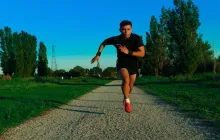
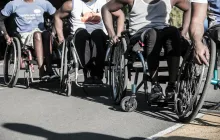
Coordination is the delicate interplay between the brain, the nervous system, the muscles, and the sensory systems that allow the body to move smoothly, accurately, and efficiently. Improving coordination is not solely about balance or agility; it involves developing neural pathways that pair perception with precise motor output, refining timing, sequencing, and control across multiple joints and planes of movement. Regular physical activity that challenges the body's proprioceptive system, integrates cognitive tasks, and progresses gradually can produce meaningful changes in how we move in everyday life and in sport. This article examines the fundamental ideas behind coordination, the mechanisms by which exercise enhances it, and a comprehensive approach to training that you can adapt to your own goals and constraints.
Understanding Coordination and the Role of Exercise
Coordination encompasses several interrelated components, including balance, reaction time, spatial awareness, motor sequencing, and the ability to synchronize breathing and effort with movement. From a neurological perspective, coordination emerges when the brain coordinates signals across motor neurons, sensory receptors, and the musculoskeletal system, creating smooth and accurate actions even under changing conditions. Exercise influences these processes by promoting neuroplastic changes in critical pathways, by strengthening the links between sensory input and motor output, and by improving the efficiency of muscle recruitment patterns. In practical terms, training that combines stability challenges with controlled movement, varied surfaces, and purposeful timing can tilt the balance toward greater precision and fluidity in both sedentary routines and athletic endeavors.
Foundational Principles for Training Coordination
To build coordination effectively, it is helpful to adopt a framework that respects the complexity of motor control. First, specificity matters: the drills should resemble the tasks you want to perform, whether it is catching a ball, stepping over obstacles, writing in the air with your dominant hand while maintaining balance, or navigating a busy environment while carrying items. Second, progressive challenge matters: you start with simple patterns and gradually introduce more variables such as speed, sensory distraction, or multi limb movement. Third, consistency matters: short, frequent practice sessions can be more impactful than sporadic long sessions because the brain benefits from repeated exposure and reinforcement. Fourth, variability matters: exposing the body to a range of contexts helps generalize coordination rather than teaching only a singular motion. Fifth, recovery matters: adequate sleep, nutrition, and rest between sessions support the brain's capacity to consolidate learning and to adapt to higher demands.
Warm-Up and Preparation
A thoughtful warm-up prepares the nervous system, joints, and muscles for the demands of coordination training. It typically begins with gentle cardiovascular activity to raise core temperature and increase blood flow to the nervous system, followed by dynamic movements that mimic the patterns you will train. Drills that involve quick weight shifts, ankle and hip mobility, and light balance work help wake up the proprioceptive receptors and the brain's readiness to coordinate complex actions. A well designed warm-up also includes focused breathing exercises to establish rhythm and to prime the nervous system for controlled, precise movement. When warm-ups are progressive and task specific, they reduce the risk of unexpected perturbations that can undermine form and confidence during more challenging drills.
Systems and Modalities that Promote Coordination
Coordination training benefits from engaging multiple systems in a controlled, progressive way. Balance challenges on stable and unstable surfaces stimulate the vestibular system, ankle and hip stabilizers, and deeper trunk muscles that support posture and control. Proprioception exercises cultivate awareness of limb position in space and time, enabling the nervous system to orchestrate accurate responses with minimal conscious effort. Reaction drills, where the body must respond to a cue or a changing scenario, train the speed and precision with which sensory information is translated into motor output. Open and closed kinetic chain activities, multi planar movements, and unstable yet manageable loads encourage the coordination system to adapt to real world demands. By combining these elements in a single session, the practitioner can cultivate a robust, resilient coordination network that remains functional under fatigue and distraction.
Designing a Training Plan for Coordination
Creating a plan that systematically develops coordination requires clarity about your goals, current abilities, and available time. Start with a baseline assessment of balance, reaction time, and motor sequencing to identify strengths and areas for improvement. Then structure sessions to progress in small, measurable steps, alternating between stability focused work, dynamic controlled movements, and cognitively demanding tasks that require attention and decision making. A balanced weekly template might include two to three dedicated coordination sessions that blend static balance, dynamic balance, and fine motor control tasks, while allowing other days for endurance and strength work that can support overall motor performance. As you progress, introduce real world perturbations, such as unexpected loads or changes in surface, to train adaptability and to maintain coordination under real life conditions. The key is gradualism: small increments in complexity and challenge that accumulate over weeks and months, with mindful attention to technique and safety at every stage.
Examples of Exercises and Drills
In practice, effective coordination training begins with foundational tasks that emphasize awareness and control before adding speed or complexity. For example, practicing single limb stances on firm ground with eyes open trains basic balance and joint control, and then progressions can include closing the eyes, reaching the other leg forward without losing balance, or turning the head to introduce vestibular input. After mastering these basics, you can introduce rhythmic stepping patterns that require precise foot placement and timely arm movement to maintain a stable torso. To challenge the nervous system further, you can perform hand eye coordination tasks such as catching lightweight objects while maintaining a stable posture, or tracing patterns in space with tools that demand smooth, continuous motion. Small, precise movements on a stable surface can be layered with larger, more dynamic actions such as controlled hops or multidirectional lunges to develop coordination across planes. Throughout these experiences, controlled breathing and focused attention help integrate the cognitive and motor demands, making the tasks more authentic to everyday life and sport alike.
Integration with Daily Life and Motor Learning
Coordination is not a separate skill reserved for the gym; it is a competency that can be practiced in daily activities through mindful attention and purposeful design. When you walk in busy environments, clean the house, or carry groceries, you can implement micro drills that reinforce balance, stance stability, and limb coordination without requiring extra time. By paying attention to how the body positions itself, you can learn to anticipate shifts in weight, adjust posture, and coordinate breathing with movement. Motor learning principles suggest that repetition with variation, feedback, and contextual interference—training in slightly different contexts—speed up the consolidation of motor plans into durable habits. As you become more proficient, your nervous system develops more efficient pathways, enabling quicker, smoother responses to changing situations, which in turn enhances confidence in daily tasks and reduces the chance of stumbling or fatigue during routine activities.
Nutrition, Recovery, and Sleep
Coordination training places demands on the brain as well as the body, so recovery and nourishment are essential components of progress. Adequate protein supports muscle repair and helps preserve lean mass that can contribute to stable movement patterns. Carbohydrates provide the energy necessary for training sessions that challenge balance, reaction time, and skill development, while fats support overall brain health and hormonal balance. Hydration is essential for nerve conduction and cognitive function, especially during complex drills that require rapid decision making and precise timing. Sleep facilitates memory consolidation, motor learning, and recovery of neural connections; a regular sleep routine enhances the ability to retain new movement patterns and to adapt to increasing demands. Additionally, strategic rest days and active recovery sessions promote tissue healing, reduce fatigue, and prevent overtraining, allowing the coordination system to absorb the work performed during practice.
Safety and Injury Prevention
As coordination tasks grow in complexity, attention to safety becomes a central consideration. Start from a solid base of core stability, neutral spine alignment, and controlled breathing before introducing more challenging tasks. Use appropriate footwear and a clear training area free from hazards, and gradually increase surface instability or environment variability as your balance improves. Stop immediately if you experience sharp pain, dizziness beyond a normal lightheadedness, or a sense of instability that cannot be corrected with a quick reset. For anyone with a history of ankle sprains, knee issues, or balance disorders, it is prudent to work with a qualified professional who can tailor drills to your needs, monitor form, and progress you safely. Regular check-ins with your own body cues—such as how well you can maintain posture under perturbation or how quickly your feet react to a cue—help you decide when to advance or back off. A prudent approach combines curiosity with caution, allowing you to explore challenging movements while maintaining confidence in control and safety.
Measuring Progress and Safety Considerations
Tracking progress in coordination training can be nuanced because improvements may be subtle and appear across different tasks at different times. Simple in-session checks, such as time locked balance holds, accuracy in target reaching, and the ability to maintain form under light perturbation, provide immediate feedback about neural adaptations. Periodic assessments that compare baseline performance with current capability can help you gauge the rate of improvement and inform adjustments to the training plan. Subjective indicators, such as increased confidence, smoother transitions between movements, or less conscious effort required to perform familiar tasks, are valuable pieces of information. From a safety standpoint, progress should be gradual and personalized; each person has a unique baseline and responds to training at a different pace. It is important to respect the body's signals, avoid pushing into pain, and allow for adequate recovery between sessions to support sustainable gains in coordination.
Long-Term Benefits and Real-Life Scenarios
Over the long term, improved coordination can influence many aspects of life beyond sport, including functional independence, reaction to sudden changes in posture, and the ability to perform complex tasks with confidence. Athletes often notice gains in sprinting efficiency, balance on tricky terrains, and the capacity to execute intricate sequences of movements with less mental load. In occupations that demand precise hand-eye coordination, such as crafts, surgery simulation, or technical trades, progress in coordination translates to more accurate work, faster learning curves, and reduced risk of repetitive strain injuries because movements become more harmonious and reduce unnecessary muscle tension. In everyday settings, enhanced coordination supports safer navigation of crowds, easier multitasking while moving, and the ability to perform everyday tasks—lifting, carrying, reaching and twisting—with greater control. The cumulative effect is a higher quality of movement across contexts, contributing to a sense of athleticism and mobility that remains accessible with aging and high levels of stress.
Psychological Aspects of Coordination Training
Coordination training engages the brain as a whole, integrating sensory input, attentional resources, and motor planning. The process can be psychologically rewarding when progress becomes noticeable, but it can also be challenging during periods of plateaus. Emphasizing curiosity, patience, and deliberate practice helps maintain motivation and reduces the pressure to perform immediately at high levels. Visualization and mental rehearsal can complement physical practice by strengthening the neural networks involved in planning and sequencing movements, particularly when access to the physical environment is limited. Positive feedback loops, such as noticing improvements in balance or timing after a single session, reinforce the habit of mindful practice. Ultimately, a healthy mindset can transform a demanding training regimen into an enjoyable, sustainable journey toward greater coordination that integrates seamlessly with overall wellness goals.
Putting It All Together: A Cohesive Approach
The most effective path to better coordination blends consistent practice with variety and meaningful challenge. Begin by identifying a few core skills that matter most in daily life or sport, then design sessions that interleave balance work, reaction tasks, and fine motor control. Increase complexity by adding head movement, speed, external distractions, or dual-task demands that require multitasking while maintaining form. Schedule recovery days and choose activities that complement each other, such as pairing a balance-oriented session with a flexible mobility practice or a light strength routine that supports postural stability. Track progress over weeks and months through careful observation of technique, ease of execution, and the capacity to maintain coordination under fatigue. By approaching training with curiosity and structured progression, you cultivate a durable, adaptable coordination system that serves you across environments and stages of life.
Adapting Coordination Training for Different Populations
People vary widely in their starting points, goals, and constraints, so a universal plan must be adjusted with care. For children and adolescents, playful elements that require balance, timing, and quick decisions can be highly motivating, while keeping the drills safe and age appropriate. In older adults, the emphasis shifts toward safety, gradual progression, and the maintenance of independence; the focus often includes support from a stable surface, slower tempo, and clearer cognitive cues to facilitate learning without overwhelming the nervous system. Individuals recovering from injury or dealing with chronic conditions should pursue a guided progression that respects pain thresholds, uses analgesic strategies when appropriate, and prioritizes quality of movement over volume. Across populations, the core principle remains the same: build reliable, flexible motor patterns by layering complexity in a controlled, patient manner while honoring the body's signals and recovery needs.
Coordination Training in Different Environments
Training should translate from the gym to everyday contexts and from controlled settings to real world environments. In a gym, you can exploit equipment like balance boards, foam surfaces, ladders, and resistance bands to create progressive challenges that demand precise control. At home, you might use stairs, pillows, or a small open space to practice stepping patterns, dual tasks, and multi directional movements that replicate daily tasks. Outdoors, uneven terrain, curbs, and variable weather introduce authentic perturbations that strengthen adaptability, yet remain safe when approached with proper progression and caution. Across environments, the objective is to preserve technique while introducing context shifts that reflect the unpredictability of life, thereby enhancing transfer of skills beyond the training space.
Technology and Feedback in Coordination Practice
Modern tools can amplify coordination practice by offering real-time feedback and objective benchmarks, yet they should complement rather than replace mindful practice. Wearable devices can track balance metrics, movement symmetry, or reaction time, providing immediate cues that help you correct form and monitor fatigue. Video feedback allows you to observe your own movement patterns, identify subtle compensations, and measure improvements over weeks. Apps and computer-based tasks can introduce gradually increasing cognitive load during physical performance, helping to integrate the mental and motor aspects of coordination. It is important, however, to interpret data with nuance, recognizing that motor learning frequently occurs in bursts and may show apparent plateaus before the next noticeable improvement. When used thoughtfully, technology supports a more precise, personal, and engaging approach to developing coordination through exercise.