The Role of Mind-Muscle Connection in Strength Training


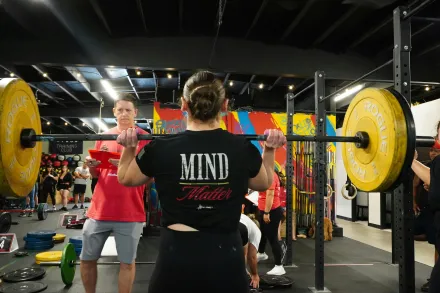
The mind-muscle connection is a concept that has evolved from a practical observation in the gym to a topic of serious scientific inquiry. At its core, it refers to the conscious focus on the tense and deliberate activation of a target muscle group during an exercise, with the aim of enhancing neuromuscular recruitment and improving movement quality. This is not a mystical feeling of “tensing up” but a measurable interplay between sensory feedback, motor planning, and muscle fiber recruitment. When trained effectively, the mind-muscle connection can alter the way the nervous system recruits motor units, influences force production, and potentially change the quality of muscle development over time. It is a bridge between intention and execution, linking perception, attention, and physiology in a way that can influence strength, hypertrophy, and resilience. The responsive feedback loop created by attention to the target muscle allows the brain to fine-tune motor commands, adjust technique, and minimize extraneous movement that can sap efficiency and increase injury risk. In strength training, where performance is built upon precise sequencing and control, cultivating a robust mind-muscle connection can turn a good exercise into a more effective one and a modest load into a more meaningful stimulus for the muscle.
What MMC Means in Modern Training
Mind-muscle connection is not an on/off switch but a spectrum that depends on the individual, the exercise, and the context of the training session. In practice it means that rather than letting the body rush through reps with a passive mental state, the athlete intentionally engages the relevant musculature, visualizes the contraction, and aligns breathing with muscular effort. A strong MMC often correlates with smoother movement patterns, greater time under tension for the targeted muscle, and a reduction in compensatory movements that can blur signal quality to the nervous system. It is equally important to recognize that MMC is not a fix-all solution that substitutes for progressive overload or consistent training programming. Instead, it serves as an amplifier that can help lower the threshold for motor unit recruitment during challenging lifts, especially for beginners who are learning who is doing the work, and for advanced lifters seeking to maximize quality of movement when attempting to push beyond plateaus. In this sense, MMC is a tool within a larger toolkit that includes technique, volume management, tempo, and recovery strategies. When integrated responsibly, it complements measurable inputs such as load, sets, and reps and translate them into more efficient neuromuscular adaptation over time.
Biological Basis of Mind-Muscle Connection
At the biological level, mind-muscle connection involves the brain’s motor cortex, sensory feedback from muscles and joints, and the spinal cord’s pathways that coordinate movement. Motor unit recruitment is not a random process; it follows an organized pattern that the nervous system learns through repetition and feedback. The sensory afferents from muscle spindles, Golgi tendon organs, and joint receptors provide real-time information about muscle length, tension, and joint position. This information informs motor commands, which in turn shape the force output from the muscle fibers. A deliberate focus on a target muscle can enhance the attentional spotlight directed toward the motor plan, making the brain more efficient at selecting the appropriate motor units and suppressing unnecessary coactivation of antagonist muscles. From a neurophysiological perspective, the act of focusing on a muscle increases cortical representation for that muscle in the motor cortex, which can improve the precision of neural drive to the muscle during contraction. Over time, consistent attention to the targeted muscle in combination with appropriate loading can induce neuroplastic changes that support more efficient activation patterns even when attention is divided during more complex movements.
Neuroscience Behind Activation
Emerging research suggests that focused attention on a muscle can alter motor unit recruitment thresholds and refine the synchronization of motor unit firing. When an athlete actively visualizes the contraction of a muscle, there is an observable shift in the way the brain communicates with the muscle, resulting in more efficient motor unit recruitment and a reduction in energy wasted on stabilizing or compensatory movements. The role of proprioceptive feedback cannot be overstated, as it provides the essential information that the brain uses to adapt commands in real time. Pioneering work in motor control has demonstrated that even small changes in attention can influence the timing and magnitude of muscle activation, particularly in complex lifts where multiple muscle groups are involved. This means that a thoughtful cue or a short visualization practice before a set can prime the neuromuscular system for more accurate execution. It also implies that fatigue, stress, or distractions can erode MMC by diminishing the brain’s ability to sustain a high-fidelity sensory-motor loop. Consequently, maintaining a conducive mental state before and during sets is not a luxury but a functional component of effective strength training.
Techniques to Improve MMC
Improving the mind-muscle connection is not about gimmicks; it is about training the nervous system to couple intent with precise muscular activation. One foundational approach is to reduce extraneous load by using lighter resistance temporarily to teach the brain to feel the target muscle more clearly. This does not mean abandoned hard work; it means building a clearer signal-to-noise ratio so that when heavier loads are reintroduced, the targeted muscle remains the primary driver of the movement. Mindful breathing is a practical gateway to this process. A controlled inhale that expands the chest and abdomen, followed by a deliberate exhale during the concentric or pushing phase, can create diaphragmatic stability and reduce unproductive spinal or rib cage motion. This rhythmic breathing pattern fosters intra-abdominal pressure regulation and can keep the torso rigid, which in turn clarifies the engagement of the working muscle. Mental rehearsal before a set—briefly visualizing the contraction, focusing on the length-tension relationship, and recalling a cue—can prime the neural pathways to activate with greater precision, particularly after a warm-up that includes specific activation drills for the target muscle group. The classic approach of contracting the muscle at a slower tempo also enhances MMC by allowing proprioceptive receptors to register the degree of stretch and shortening, reinforcing the brain’s map of the muscle's capacity in that moment. Additionally, deliberate touch or tactile cues, such as placing a hand lightly on the muscle or using a partner’s touch to guide focus, can amplify sensory feedback and help anchor neural activation patterns. It is important, however, to use tactile cues judiciously to avoid creating dependency or masking genuine muscular effort with external stimulation. As fatigue accumulates, MMC can wane, so practitioners should regularly reestablish the connection with fresh micro-focus cues that align with the day’s readiness and the movement’s demands. In summary, techniques to improve MMC combine breath control, mental rehearsal, tempo manipulation, tactile feedback, and sustained attention to the target muscle as it performs the movement. These elements work synergistically to enhance the quality of neuromuscular signaling and can be integrated into warm-ups, activation sets, and main work sets in a cohesive training cycle.
In the practical realm, athletes often employ specific cues that reflect the anatomical reality of the exercise. For instance, during a bench press, cues such as "drive through the chest," "squeeze the pectorals," and "keep elbows tucked" help direct attention to the primary movers and minimize the reliance on shoulder or triceps dominance. In a squat, cues like "sit back, push through the heels, and engage the glutes" orient the nervous system toward the gluteus maximus and adductors as primary drivers, limiting excessive forward knee travel or lumbar rounding. For a deadlift, cues such as "hips hinge first, then lift" emphasize the posterior chain and reduce the risk of early knee extension that can blur signal quality to the hamstrings and glutes. These cues are not mere slogans; they are cognitive anchors that help the athlete access the correct motor patterns under load, a crucial factor when fatigue threatens to degrade form. The key is to pair these cues with a genuine sense of the muscle's active engagement, verified by tactile feedback, movement quality, and, when available, objective measures of performance like bar speed or joint angles. Over time, consistent use of well-chosen cues cultivates an automaticity that preserves MMC even when the workout becomes taxing, thereby supporting more sustainable progress in strength and hypertrophy.
The role of tempo in MMC cannot be overstated. Slower repetitions give the nervous system more time to plan and execute proper muscle activation, while also increasing time under tension, which can amplify the stimulus for muscle growth. A deliberate tempo often includes a controlled eccentric phase, a momentary pause to reset the movement pattern, and a focused concentric phase that emphasizes the contraction of the target muscle. The pause, even if brief, acts as a cueing interval that forces the brain to reengage with the muscle as it resumes movement. For example, in a biceps curl, a two-second descent followed by a one-second pause and a two-second curl with maximal mind-muscle focus can yield a more pronounced peak contraction than a fast, momentum-driven repetition. Breathing coordination with tempo—inhale during preparation, exhale with the contraction—further stabilizes the nervous system and reduces disruptive fluctuations in intra-abdominal pressure that can derail MMC. As athletes advance, they can incorporate micro-delays in the concentric phase to challenge neuromuscular control while maintaining high focus on the target muscle, thereby refining the brain-body map that supports robust contraction.
MMC Across Different Exercises
Mind-muscle connection shows nuance across exercise types. Isolation movements like leg extensions, hamstring curls, or cable flys often present clearer paths to MMC because fewer joints and muscles must coordinate simultaneously. However, compound movements such as squats, deadlifts, or overhead presses demand sophisticated neuromuscular orchestration, and MMC can still play a crucial role if targeted effectively. In compound lifts, the athlete should identify the primary muscle groups intended to drive the movement and invest effort in cues and activation strategies for those muscles while still ensuring safe technique and proper sequencing. Even in multi-joint actions, the brain can prioritize a dominant driver—glutes in hinge patterns, lats in pulling variations, or the core stabilizers during overhead work—and use MMC to dampen compensatory patterns that otherwise siphon force away from the intended muscles. The challenge lies in balancing precision with proficiency in technique; the more complex the movement, the more important it becomes to break down the contribution of each muscle group in a controlled progression. Training cycles that alternate between isolation drills to sharpen MMC and heavier compound work to apply that refined activation in functional patterns can yield meaningful gains in both strength and structural balance. In this context, exercise selection and sequencing matter: begin with activation-focused sets to prime the muscles, proceed to moderate loads with continued emphasis on sensation, and finally progress to near-maximal loads while preserving the quality of the nerve-to-muscle signal. This approach respects the neurological demands of heavy lifting and preserves the mind-muscle loop that supports ongoing progress.
Proprioception serves as a critical support for MMC, acting as the internal feedback system that translates movement into meaningful neuromuscular signals. Exercises that challenge balance, unilateral strength, and controlled stability—such as single-leg variations, step-downs, and slow tempo carries—can heighten proprioceptive acuity and strengthen the neural pathways that govern targeted activation. The interplay between stability and movement precision is central to MMC because stability allows the brain to allocate more resources to the muscle of interest rather than to maintaining posture or compensating for instability. Training that includes deliberate stabilization elements, without overloading the system, can enhance the clarity of the muscle signal, improve intermuscular coordination, and reduce the risk of overload injuries. Feedback, whether from a coach, a training partner, or even an internal check of movement quality, reinforces correct activation patterns and helps sustain MMC across different training contexts. The more consistently the athlete practices with these sensory cues, the more resilient their MMC becomes, even as fatigue, external distractions, or time constraints challenge focus. In the end, MMC is not a static trait; it is a skill that can be strengthened through dedicated practice and thoughtful progression that respects the body’s readiness and the complexity of the movement system.
Role of Proprioception and Feedback
Feedback mechanisms are essential for maintaining and enhancing MMC over time. Immediate, specific feedback about muscle engagement helps the athlete adjust technique and refine mental cues. This feedback can be intrinsic, arising from the athlete’s own sensing of movement, or extrinsic, provided by a coach, training partner, or wearable technology that estimates muscle activation or movement quality. Crucially, feedback should be timely and actionable, focusing on the target muscle’s engagement rather than merely on overall performance metrics such as load or pace. When the brain receives accurate information about which muscles are activated and how they contribute to the movement, it can recalibrate motor commands with greater precision. The nervous system benefits from repetition that pairs clear sensory cues with successful contractions, fostering a more reliable muscle map. Over time, this refined map translates into smoother coordination, less reliance on momentum, and more consistent recruitment of the intended muscle groups across sets, angles, and training cycles. The objective is not to suppress all other muscles but to ensure that the primary muscle remains the primary driver during the intended phase of the movement, especially as fatigue accrues. This balance between targeted activation and overall movement harmony is a hallmark of proficient MMC and a reliable marker of refined athletic performance.
From a programming perspective, practitioners can structure workouts to support MMC with a deliberate progression. Early in a cycle, emphasis can be placed on activation-focused sets, slower tempos, and higher attention to the targeted muscle. As proficiency grows, the athlete can reintroduce heavier loads and more dynamic movements while maintaining cues that sustain the MMC. Periods of deliberate practice, when the goal is to reinstate and strengthen neuromuscular connections, may involve shorter sessions with a high density of focused reps, followed by longer, more demanding training blocks where MMC must be maintained under greater fatigue. The art of training lies in knowing when to prioritize precision and when to push the limits of strength, always ensuring that the mind remains engaged with the muscle for as long as necessary to protect movement quality. This approach reinforces the idea that progress is not just about moving heavier weights but about moving more efficiently and with greater command of the musculoskeletal system. The result is a training culture that values the neural dimension of performance as much as mechanical outputs, paving the way for more enduring gains and lower injury risk over the long term.
Programming Considerations for MMC
In practice, programming for MMC involves thoughtful sequencing, practical load management, and careful monitoring of technique and fatigue. A well-rounded plan includes dedicated activation days or segments within sessions where the focus is purely on improving the connection between the brain and the target muscle. It also involves choosing exercises that maximize the likelihood of clear muscle engagement while gradually introducing more complex movements as the connection strengthens. For novices, a foundational phase that emphasizes technique, cueing, and progressive exposure to light loads helps to establish robust MMC without overwhelming the nervous system. For intermediate and advanced athletes, MMC can be leveraged as a tool to optimize hypertrophy and strength when fatigue is present or when approaching plateaus. In these cases, training may incorporate tempo variations, pause reps, unilateral work, and microloading to maintain high-quality contractions while edging toward higher total work volumes. It is essential to pair this approach with adequate recovery and sleep, as neuromuscular readiness during training sessions hinges on the brain’s capacity to process sensory information and issue precise motor commands. Additionally, measuring progress in MMC should be nuanced and not solely dependent on external outcomes such as one-repetition maximums. Observations of movement quality, consistency of muscle activation across rep ranges, and the ease with which the targeted muscle maintains control under load all contribute to a richer understanding of how MMC is evolving. A holistic view recognizes that MMC exists within the broader tapestry of performance, where nutrition, sleep, stress management, and general health all influence the nervous system’s ability to regulate movement with precision.
Injury risk is an important consideration when integrating MMC into training. While improved activation patterns can reduce compensations that contribute to injuries, focusing on the mind-muscle connection should not come at the expense of body awareness and safe technique. If activation attempts produce pain, sharp discomfort, or a sense of strain beyond normal effort, it is prudent to reassess the movement, adjust the load, or seek guidance from a qualified professional. The objective is to enhance selectivity of muscle engagement while preserving joint integrity and movement efficiency. In this light, MMC is best deployed as part of a broader injury-prevention strategy that includes mobility work, adequate warm-up, progressive overload, and a plan for gradual exposure to higher intensities. The intersection of mind and muscle is a potent driver of strength, but only when applied within the context of sound training principles and individualized considerations. With careful application, MMC can become a sustainable lever for improving performance while maintaining resilience and health across training cycles.
A critical aspect of MMC is recognizing the differences in how various populations respond. Beginners often experience rapid gains simply by learning to focus on and recruit the correct muscles with proper technique, which can be a powerful motivational factor. In contrast, experienced lifters may require more nuanced cues and progressive challenge to maintain MMC as technique becomes highly automated and fatigue more readily degrades signal quality. Older adults may benefit from longer preparation phases and a more deliberate emphasis on activation patterns to counteract age-related declines in neuromuscular function. Across populations, the central theme remains: training the mind to consistently engage the intended muscle yields dividends in movement quality, force production, and the efficiency of neuromuscular recruitment. The adaptability of MMC means it can be tailored to individual goals, such as improving single-joint isolation for rehabilitation, enhancing athletic performance through sport-specific activation patterns, or supporting general strength and health in a well-rounded fitness program. The ongoing challenge is to balance cognitive focus with practical training demands, ensuring that the mind-muscle practice remains enjoyable, sustainable, and aligned with a person’s broader fitness trajectory.
Ultimately, the role of mind-muscle connection in strength training is to serve as a bridge between intention and action. It is the recognition that the quality of neurological signaling to a muscle group can be shaped by attention, visualization, and sensory feedback. When this bridge is stable, lifters experience more precise contractions, better control of movement, and improved adaptation to training stimuli. The ongoing practice of MMC does not replace the need for progressive overload, consistency, and proper programming; instead, it enhances the effectiveness of those elements by ensuring that the muscle being worked is the one that truly bears the burden of adaptation. In everyday training, this translates to fewer wasted efforts, cleaner technique, more reliable muscle activation, and a greater sense of mastery over one’s own body. As research continues to unfold, the practical wisdom remains consistent: invest time in learning how to ignite the correct muscle, verify that activation through conscious cues and feedback, and integrate this skill into a cohesive training plan that respects the nervous system as much as the muscles themselves. The payoff is a more efficient and enjoyable path toward greater strength, resilience, and athletic expression, built on a foundation where mind and muscle work in concert rather than in isolation.