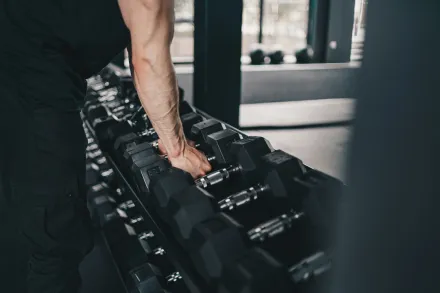
Dumbbells offer a versatile and accessible path to strength, muscle development, mobility, and overall functional fitness. The art of using dumbbells effectively lies not only in choosing weights and performing repetitions but in understanding how the body responds to resistance, how joints move, and how to sequence movements to maximize gains while minimizing risk. This article explores principles, practical strategies, and precise cues that help exercisers of varying levels to use dumbbells with clarity, confidence, and consistency. By embracing thoughtful programming, mindful technique, and attentive recovery, you can transform a simple set of dumbbells into a powerful engine for health, athleticism, and daily performance.
When people think about resistance training, the image that often comes to mind is a rack of machines or a heavy barbell loaded with plates. Dumbbells challenge stability and symmetry in a way that machines do not, because each limb works partly independently, which reveals asymmetries and requires recruitment from stabilizing muscles. This inherent demand makes dumbbells particularly effective for improving joint health, muscular balance, and proprioception. The principle of progressive overload still applies, but the path to overload with dumbbells can be more nuanced, relying on tempo variations, range of motion adjustments, grip changes, and exercise selection to thread consistent adaptations over time. Mastery emerges from combining thoughtful technique with a structure that gradually increases demands while preserving control and form.
To train effectively with dumbbells you should cultivate an approach that respects anatomy, leverages movement variances, and aligns with your goals. The mind-muscle connection matters, but it is reinforced by consistent technique and a training plan that respects recovery. You will benefit from understanding how to warm up properly, how to pattern movements to target different muscle groups without compromising the spine, and how to manage fatigue so that poor technique does not creep in as you push for more reps or heavier loads. In addition, creating a safe and breathable training space, selecting appropriate weights, and maintaining a steady breathing rhythm are practical elements that elevate the quality of every set. When these pieces are in place, dumbbells become a reliable ally for progress, not merely a tool for burning calories or completing a routine.
In practice, effective dumbbell training blends technique with intention. You should aim to move with control, preserve joint integrity, and stay present in each rep. The tempo of each lift influences how your muscles experience stimulus, shaping both strength and endurance. While you can chase progress by adding weight, you can also progress through better form, increased time under tension, deeper ranges of motion, or more challenging grips. The most durable gains often come from small, sustainable improvements implemented consistently over months. The approach described here emphasizes quality over quantity, with an emphasis on technique first, gradually adding difficulty, and listening to your body to manage recovery and avoid overuse injuries. This mindset creates a framework that translates across exercises, training phases, and life responsibilities, ensuring long-term adherence and meaningful results.
A common pitfall is attempting to imitate high-intensity workouts from other modalities with dumbbells without adjusting for load and form. Dumbbells demand deliberate control, particularly when performing movements that move the weight through space near the head, chest, or spine. By prioritizing stable posture, a neutral spine, even scapular retraction, and deliberate bracing of the core, you set a foundation for safe and effective progression. You should also cultivate a habit of checking your form in a mirror or with feedback from a training partner or coach, at least periodically, to identify subtle compensations that accumulate over weeks and cycles. As you refine technique, you will notice that lighter weights can feel surprisingly challenging when tempo, range of motion, or stabilizing demands are intensified, while heavier weights will require precision to maintain form. This dynamic interplay between load, control, and range is the essence of training efficiently with dumbbells.
In addition to technique and progression, nutrition, sleep, and stress management influence your results more than any single exercise choice. Dumbbell work should fit into a broader plan that supports recovery, muscle protein synthesis, and hormonal balance. Adequate protein, sufficient calories for your activity level, and consistent sleep create the environment in which your muscles can repair and grow between sessions. Hydration and micronutrient intake support joint health, energy production, and nervous system function, all of which contribute to the quality of your lifts. When you integrate dumbbell work within this holistic framework, you gain sustainable momentum rather than chasing short-term fluctuations in performance. This integrated approach helps you stay motivated, reduce injury risk, and enjoy the process of becoming stronger and more capable over time.
Understanding your goals shapes every decision about dumbbell training. If your objective is increasing maximal strength, you will arrange your program differently than if you aim for muscular hypertrophy or general fitness with better movement quality. Strength development often benefits from lower repetition ranges, higher loads, and longer rest intervals to permit maximal force production. Hypertrophy goals may lean toward moderate volumes, controlled tempos, and adequate time under tension, while general fitness emphasizes consistency, variety, and sustainable workloads. Regardless of the goal, the underlying principles remain the same: choose appropriate weights, maintain sound technique, manage fatigue, and progress gradually. Treat each session as a chance to practice, learn, and adapt rather than merely to complete a fixed set of movements. This mindset ensures that dumbbell training remains enjoyable, safe, and productive across a lifetime.
Another crucial aspect of using dumbbells effectively is understanding how to balance push and pull movements to protect shoulders and upper back. A well-rounded program includes exercises that train pressing patterns alongside pulling patterns, as well as movements that promote hip hinge, squat mechanics, and rotational control. Balanced training supports posture, reduces pain risk, and enhances athletic performance in daily life. When planning workouts, you should consider how often you will train, how many days you can allocate to recovery, and how to distribute push and pull exercises across those days. The goal is to create a program that yields steady improvements, while giving your joints and connective tissues the opportunity to adapt without becoming overwhelmed by repetitive stress. This approach fosters longevity and consistency in your dumbbell practice, which ultimately drives meaningful outcomes.
The environment you train in also influences how effectively you can use dumbbells. A safe, organized space with adequate lighting, clean flooring, and readily accessible weights supports better practice. A mat or soft surface reduces joint impact on floor-based movements, while a sturdy bench can expand your repertoire of exercises without compromising form. When possible, you should arrange your equipment so that you can move through warm-up, skill drills, and main sets without disruptive transitions. Clear space reduces mental friction and helps you stay focused on technique. The right setup enables you to execute complex sequences with confidence and to progress smoothly as you gain strength and control. By investing in the quality of your training environment, you create conditions that encourage consistency and long-term adherence to your dumbbell program.
Breathing technique is a subtle but essential component of training with dumbbells. Inhale during the preparatory or eccentric portion of a movement and exhale during the exertion or concentric phase. This breathing pattern supports core stability, maintains intra-abdominal pressure, and helps you sustain power and control through challenging sets. Uniform breath control also reduces dizziness and keeps your mind focused on form. When you couple breathing with deliberate bracing and posture, you amplify stability, which translates into smoother reps and less compensatory movement. If you are new to this, start with a simple rhythm and adjust as you become more comfortable with the tempo and intensity of your lifts. Consistent breathing practice enhances performance and reduces the likelihood of technique breakdown at higher loads.
Finally, track your progress in a way that reinforces good habits rather than becoming a source of frustration. Simple journaling of workouts, including the exercises performed, approximate weights, and subjective difficulty, can reveal patterns over weeks and months. The aim is not to chase every ounce of weight but to confirm that you are moving forward in a sustainable manner. Use checkpoints that are meaningful to you, such as the ability to complete a specific number of quality reps with proper form, or the ability to perform a broader range of motion without pain. Over time, your notes become a map of your development, helping you adjust variables like tempo, rest, and exercise selection to keep advancing while staying safe and motivated.
Choosing the right dumbbells and environment
Selecting appropriate dumbbells starts with assessing your current strength, range of motion, and the space you have available. A balanced set with varying weights enables you to scale intensity across exercises and adjust as your strength grows. For beginners, lighter pairs that encourage excellent technique are essential, while more experienced trainees may require heavier loads to challenge the target muscle groups. A practical approach is to start with a modest dumbbell range that allows you to perform multi joint and single joint movements with good form across different speeds and tempos. As you gain confidence and strength, you can expand the range to include heavier options, gradually integrating them into more demanding variations and complex sequences. The goal is to maintain crisp technique at all loads rather than chasing heavier weights at the expense of form. A well-rounded set typically includes light, medium, and heavier dumbbells that cover a broad spectrum of movements and intensities, enabling progression without constant equipment changes. The specific distribution depends on personal goals and current capacity, but the core idea remains the same: have enough variability to progress while keeping technique pristine.
Environment matters because it influences safety, focus, and consistency. A clutter-free space reduces the risk of tripping or bumping weights against furniture. A non-slip mat provides cushioning and stability for floor-based lifts and rolling movements. Adequate lighting ensures you can monitor form and alignment during demanding reps. Ventilation and temperature play a role in comfort and performance, so training in a well-ventilated room can improve mood and energy levels. Equipment storage should be organized so that you can access dumbbells quickly and return them without disrupting your rhythm. The goal is to create a calm, organized sanctuary where you can train with intention, reduce the cognitive load of searching for equipment, and focus on the mechanics of each movement rather than the logistics of your setup. This kind of environment supports adherence, which in turn drives meaningful results over time.
Weight selection is a dynamic decision that depends on exercise type, tempo, volume, and your current level of fatigue. For compound movements that engage multiple joints and larger muscle groups, heavier dumbbells may be appropriate once you demonstrate consistent technique and control. For isolation exercises or movements requiring elevated range of motion, lighter dumbbells often allow you to maintain form and execute the intended tempo. A common strategy is to begin with a light to moderate weight to establish a smooth tempo and precise control, then progress gradually while maintaining technique quality. If your goal is hypertrophy, aiming for a moderate load with controlled eccentric tempo and slightly longer time under tension can be effective, whereas for pure strength you may push closer to maximal loads with longer rest periods between sets. The key is to adapt the weight to the exercise and to your current readiness, ensuring that the last repetitions of each set are challenging but achievable with proper form.
When you choose a set of dumbbells, consider the grip and handle diameter as well. A comfortable grip reduces grip fatigue and improves control, especially on exercises that require forearm and wrist stabilization. Some handles may be slightly textured or knurled; if you have any existing discomfort in the wrists or elbows, you might benefit from a softer grip or a slightly angled handle that reduces strain. If your gym allows adjustable dumbbells, they offer tremendous versatility and can replace a large range of fixed weights, but they require careful setup to ensure balance and safe locking. For home training, a fixed pair that covers your primary loading needs is simple and effective. The goal is to ensure you can perform a broad range of movements with stable, predictable resistance while maintaining comfort and control across all sets and reps.
Beyond weights, the environment should support consistent technique. A mirror can be useful to check alignment, but you should not rely on it to cue every movement. A training partner or coach can provide immediate feedback on form and safety cues, helping you correct faults before they become habit. If a mirror is not available, you can instead use video feedback by recording your reps and analyzing them afterward. The combination of physical setup, appropriate weights, and feedback mechanisms creates a conducive loop for learning and progression. Your training equipment and environment become an extension of your focus and intent, shaping how effectively you can translate plan into performance during every session.
In summary of this section, the right dumbbells and a well-prepared environment set the stage for high-quality training. The weights should match your current capacity and movement goals, and the space should support safe, efficient practice. By aligning equipment with technique, tempo, and progression, you create a foundation where sustainable improvements can occur without excessive risk or mental friction. This alignment fosters confidence to push into more challenging work and to explore a wider variety of movements within a framework that protects joints and connective tissues while stimulating muscular adaptation.
Warm-up and mobility before lifting
Effective warm-up routines prepare the body for resistance training by increasing blood flow to muscles, gradually elevating core temperature, and priming the nervous system for motor demands. A well-structured warm-up with dumbbells can combine dynamic mobility, light activation work, and a few rehearsal movements that mirror the planned exercises. Start with general cardiovascular activity such as light cycling or marching in place to raise overall temperature, then progress to dynamic movements that emphasize range of motion and joint readiness. Focus on the hips, ankles, knees, hips, thoracic spine, shoulders, and wrists, because these areas are fundamental to many dumbbell exercises. Gentle mobility sequences that rotate joints through their natural ranges help reduce stiffness and improve fluidity in the upcoming sets. The aim is not to fatigue but to awaken the tissues so that technique remains crisp and the nervous system is prepared for precise control under load.
Activation work targets the muscles that will be involved in the main lifts. Begin with low-load exercises that require core engagement and upper-body stabilization, such as bird dogs or side planks to engage the obliques, glutes, and spinal erectors. You can incorporate light dumbbell movements that rehearse the exact patterns you will perform, such as unloaded or lightly loaded scapular pushups, cuff rotations for rotator cuff activation, and gentle shoulder presses with a light weight to prepare the deltoids and scapular stabilizers. The balance between mobility and activation ensures that the joints move through full ranges of motion with minimal compensation, allowing you to perform the main sets with better technique and reduced risk of strain. This thoughtful warm-up acts as a bridge between rest and effort, cushioning the transition and enabling higher-quality work once you begin the formal training portion of the session.
A typical warm-up protocol with dumbbells might include a few minutes of light cardio, followed by dynamic mobility for the ankles, knees, hips, and spine. Then perform a sequence of practice lifts with minimal resistance to rehearse turns, grips, and postural alignment. For example, you can perform a few sets of light goblet squats to rehearse hip hinge mechanics and upright torso position, followed by light dumbbell rows to awaken the lats and mid-back endurance. Finish with a few controlled sets of overhead presses using a comfortable weight to prime the shoulder girdle and to reinforce neutral spine and scapular retraction throughout the movement. The goal is to arrive at the main workout with joints and tissues primed but not fatigued, ready to sustain high-quality form across sets and reps.
Breathing during warm-up should remain relaxed and rhythmic. Inhale during the preparatory phase and exhale as you exert through the top portion of the movement. This breathing pattern supports smooth muscle engagement and helps prevent tense or shallow breathing that can degrade posture. Throughout the warm-up and the entire workout, maintain a calm but focused mental state, acknowledging any areas that feel stiffer or less stable and addressing them with mindful adjustments rather than pushing through pain. A well-executed warm-up reduces the likelihood of abrupt technique breakdowns later in the session and contributes to consistent, safe progress across training cycles.
In addition to preparing the body, warm-ups offer a psychological transition from everyday activities into training. A routine that you perform consistently creates a sense of readiness and reduces hesitation about attempting more challenging movements. When your mind and body are aligned before lifting, you can approach your workout with purpose, which tends to translate into higher effort and better outcomes. The warm-up also serves as a quick diagnostic tool; if you find certain joints or muscles remain stiff or painful during the warm-up, you can adjust the main workout accordingly, using lighter loads or alternative movements to protect the affected areas while still maintaining overall training quality.
Fundamental movement patterns with dumbbells
Dumbbells enable the execution of a wide array of fundamental movement patterns that form the foundation of most resistance training programs. Squats, hinges, presses, pulls, and carries cover the essentials of lower body, posterior chain, and upper body strength and stability. Each pattern trains muscles in a slightly different way, from multi-joint coordination to targeted isolation, while also offering opportunities to work around injuries or limitations with variations of each movement. A balanced approach embraces multiple patterns across sessions, ensuring that the body receives comprehensive stimulation and that joints move through functional ranges of motion in safe and controlled ways. By mastering these core patterns with proper form and pacing, you build the capacity to perform complex tasks with efficiency and confidence in daily life and athletic endeavors.
For squats with dumbbells, you can implement a variety of forms such as goblet squats or dumbbell front squats. The goblet squat challenges the hips and thighs while keeping the torso upright and the weight close to the center of gravity, which often improves balance and reduces shear forces on the spine. Front squats shift load toward the quads and core, requiring greater upper body engagement to stabilize the dumbbells against the shoulders. For hinge movements, dumbbell Romanian deadlifts or dumbbell swings emphasize the posterior chain with a neutral spine and controlled hip hinge. These movements train the glutes, hamstrings, and lower back while teaching proper knee alignment and thoracic posture. In push patterns, dumbbell presses on a bench or floor press variants cultivate chest, triceps, and shoulder strength. Pull patterns can be developed through rows in various grips and angles, fostering scapular retraction and upper back development. Carry patterns, such as farmer carries with dumbbells, improve grip strength, trap engagement, and core stability, extending their benefits into everyday tasks that require grip endurance and locomotion. The beauty of dumbbells lies in the ability to combine these patterns into cohesive sequences that challenge multiple muscle groups while reinforcing movement quality and stability across joints.
When practicing these fundamental patterns, prioritize alignment and control. Start with moderate loads that allow you to maintain a neutral spine, stable shoulder blades, and an engaged core. Progress by increasing load, improving tempo, or expanding the range of motion as your technique solidifies. Pay attention to compensations such as rounding the back, flaring the elbows, or letting the knees cave inward, and address them promptly with corrective cues or alternative tempos. A thoughtful approach to movement quality yields more meaningful adaptations than blindly chasing heavier weights. By building a robust foundation, you ensure that future variations and more complex sequences will be safer, more effective, and more enjoyable to perform over time.
In addition to the main patterns, you can incorporate accessory movements that complement and support the core lifts. For instance, bicep curls and tricep extensions with dumbbells can be used to address muscle imbalances and improve arm strength without overshadowing the bigger lifts. Rotational dies can involve anti-rotation holds or dumbbell chops that challenge the core and obliques, contributing to overall core stability and functional strength. Lateral raises, face pulls, and external rotation work protect the shoulders by strengthening the small stabilizing muscles around the joints. These accessories should be balanced with the primary movement patterns to maintain a cohesive program where every exercise serves a purpose and feeds into broader goals. The integration of primary patterns with purposeful accessories creates a well-rounded training experience that supports long-term progress and resilience.
As you practice these patterns, consider tempo as a powerful tool for progressive stimulation. A slower eccentric phase can increase time under tension and muscle damage in a controlled way, while a brisk concentric can emphasize power development. The tempo you choose should reflect your goals and current capacity, not merely the weight on the dumbbells. Consistency in tempo across sessions helps you track improvements in control and strength, and it prevents abrupt shifts that can destabilize technique. A thoughtful tempo approach, combined with deliberate depth and range of motion, yields dividends in strength, hypertrophy, and joint health, all while preserving technique and reducing injury risk. This combination of pattern mastery and tempo control is the core of effective dumbbell training across the major movement families.
In practice, you will often see workouts structured around these fundamental patterns with integrated variations to suit your environment and equipment. A typical week may feature days that emphasize lower body patterns, upper body pushing, and upper body pulling, with additional days for core and conditioning. Within each session, you can alternate between multiple patterns, ensuring that the overall training load remains balanced and sustainable. The key is to maintain coherence between the chosen movements, the tempo, and your recovery capacity. When you align these elements, you create a training system that reliably produces improvements while feeling accessible and sustainable month after month. This approach supports consistent progression and reduces the likelihood of plateaus or burnout, particularly when you respect body signals and adjust volume and intensity to match your readiness.
Technique cues for common dumbbell exercises
Technique cues act as quick reminders that reinforce proper form during lifts. Before each set, establish a stable setup with feet shoulder-width apart, a braced core, and a neutral spine. Gentle engagement of the core and glutes can prevent excessive lumbar movement while lifting. For a dumbbell squat, keep the chest up, weight evenly distributed through the midfoot, and the knees tracking in the same direction as the toes. Focus on a controlled descent and an upright torso position throughout the ascent, avoiding excessive forward lean. In the dumbbell goblet squat, the weight held in front and close to the chest helps maintain balance and encourages an active, upright posture. Remember to exhale as you rise and inhale during the descent to sustain a smooth breathing rhythm that supports core stability. When performing a dumbbell bench press, keep the shoulders retracted, press through the chest and triceps, and avoid flaring the elbows excessively to protect the shoulder joints. A slight angle of the wrists and hands can help secure a comfortable grip and reduce elbow strain, while a steady press ensures efficient force transfer from the chest and triceps to the dumbbells. For rows, maintain a neutral spine, brace the core, and drive the elbows toward the ceiling rather than pulling with the hands alone. This cue engages the back musculature and reduces the tendency to rely on momentum. In overhead pressing movements, tuck the elbows in a bit to protect the shoulder joint and press straight upward, maintaining control as the dumbbells move through the early phase of the motion. Slow down the lowering portion to maximize time under tension and reinforce stability around the scapulae. These cues help translate general technique into precise, repeatable actions that protect the body and optimize adaptations across exercises.
More advanced cues involve addressing scapular posture and rib cage stability. For example, during pulling exercises, imagine pulling the shoulder blades together and down to create a solid platform for the arms. This cue improves posture and reduces excessive forward head position, promoting safer mechanics throughout the movement. In core engagement exercises such as farmer carries, keep a tall chest and a braced midsection, with the pelvis in a neutral position while the shoulders remain relaxed and the grip remains strong. Maintaining a consistent brace and breath pattern through the entire carry helps prevent fatigue from compromising form and ensures you sustain control for the duration of the lift. By integrating these cues into your practice, you deepen your awareness of movement and facilitate consistent progress without relying solely on raw strength gains.
When introducing new exercises, practice with light loads and focus on mastering the cues before challenging yourself with heavier weights. This staged approach reduces the risk of compensations and joints being threatened by unfamiliar mechanics. The combination of well-chosen cues, correct load, and careful progression creates an environment in which technique can become automatic, enabling you to execute complex sequences with confidence. As you gain experience, these cues become intuitive reflections of your own body awareness and motor control, empowering you to train more effectively with dumbbells across an expanding range of exercises and intensities.
Consistency in applying technique cues also means that you can sustain quality under fatigue. As sets accumulate and reps accumulate, it is natural for form to deteriorate slightly. Your awareness and quick corrections during the latter reps preserve the integrity of the movement and reduce the likelihood of injury. This discipline is a hallmark of effective training and a predictor of long-term progress. The more you practice with a mindful approach, the more natural these cues will feel, and the less mental effort they require because your muscles begin to respond automatically to the demands of each movement. This evolution from conscious execution to habitual precision is a major driver of performance gains when using dumbbells.
The final takeaway from technique work is that quality always trump quantity. If you are forced to choose between performing more repetitions with sloppy form and performing fewer repetitions with clean technique, opt for the latter. The immediate fatigue will be manageable, and the long-term benefits in strength, joint health, and movement quality will accumulate much more reliably. This principle applies across all configurations of dumbbell training, whether you are performing squats, hinges, presses, pulls, or carries. The discipline to prioritize technique sets you up for durable improvements and a safer, more enjoyable training journey.
Programming principles for progression
A sound dumbbell program is not a random collection of exercises but a coherent system designed to stimulate progression. The core elements include frequency, intensity, volume, tempo, and exercise selection organized to align with your goals and recoverability. Frequency determines how often you train each muscle group or movement pattern in a given week. For many people, two to four sessions per week with a mix of upper and lower body work provides a strong balance between stimulus and recovery. Intensity relates to the weight used in a set, while volume describes the total number of sets and reps completed for each movement. A program that cautiously increases volume or load over weeks builds capacity while avoiding abrupt spikes that increase injury risk. Tempo affects time under tension and control, encouraging you to challenge muscles with mindful speed rather than pure momentum. Exercise selection should cover the major movement patterns while offering variations that accommodate fatigue and progression. A well-structured plan allows for progressive overload by adjusting any of these variables in small, manageable steps. This approach yields consistent gains while maintaining safety and enjoyment, especially when training with limited equipment or space.
There are several pathways to progression with dumbbells. You can increase load gradually as technique remains solid, which strengthens the muscles responsible for the movement and improves nerve-adaptive efficiency. You can also increase training volume by adding more sets or repetitions at a given weight, which challenges the muscles to sustain effort for longer periods and to adapt to higher total work. Modifying tempo is another effective strategy: slowing down the eccentric portion can amplify muscle damage and growth stimulus, while a faster concentric portion can improve power and speed. Alternating exercise variations smoothly introduces new mechanical demands that prevent staleness and overuse of the same joint angles. Finally, improving range of motion or altering grips can recruit different muscle fibers and emphasize specific portions of a muscle’s length-tension relationship. Combining these strategies in a periodized plan helps you adapt to changing circumstances, avoid plateaus, and maintain a clear path toward your goals while staying within safe training boundaries.
To implement progressive programming with dumbbells, begin with a baseline that you can maintain with proper form for the target number of repetitions. Track the details of each exercise, including weight, sets, reps, tempo, and how you felt during and after the session. After a few weeks of consistent performance, consider small increases in weight or volume, but only when you can complete the current workload with accuracy and without excess fatigue. If your schedule allows, you can separate training into phases that emphasize different objectives, such as a hypertrophy-focused block, followed by a strength-focused block, and finally a maintenance phase that preserves gains while allowing for recovery. In each phase, maintain core exercises while gradually adjusting accessories, volume, and intensity to sustain progression without overstressing the body. The overarching message is that progression should feel sustainable, concrete, and tailored to your unique capacity and goals rather than being dictated by external pressures or arbitrary targets.
Injury prevention and safety are inseparable from progression. When you attempt heavier weights or more demanding variations, you must ensure that your joints, tendons, and connective tissues can adapt. Start slow, maintain technique, and respect any sharp pain that signals potential damage. If pain emerges during a movement, pause, reassess your form, and consider reducing load or substituting a gentler variation that maintains training quality without provoking the problem. Regular mobility work, strength balance across muscle groups, and appropriate rest days are essential to staying healthy over the long run. A well-rounded plan includes days dedicated to mobility, flexibility, and soft-tissue work, which supports both performance and resilience. Remember that consistency matters far more than occasional bursts of heavy lifting that leave you sidelined for weeks. By cultivating a patient, disciplined approach to progression, you sustain gains while cultivating durable strength and health that endure beyond short-term cycles.
Balancing push and pull for shoulder health
Shoulder health hinges on balancing pressing and pulling movements to maintain proper scapular mechanics and muscular balance. Dumbbell training provides a natural platform to develop both sides of the shoulder girdle, including pressing movements that reinforce chest and anterior delt strength, and pulling movements that reinforce the upper back and posterior deltoids. A thoughtful balance prevents common shoulder issues that arise from disproportionate loading or chronic overuse. An effective approach begins with a baseline that ensures continuous coverage of push and pull patterns across the week, with enough variation to avoid repetitive strain in a single plane of motion. By incorporating a spectrum of angles and grips, you train the shoulder complex to function optimally in daily activities and athletic pursuits, reducing the risk of impingement and postural problems that can accumulate over time.
When you design a dumbbell regimen with balanced push and pull, prioritize movements that retrain the scapulothoracic partnership. Rows with different grips, dumbbell pullovers, and rear-delt-focused raises contribute to a resilient upper back, capable of countering forward shoulder posture. Push movements such as dumbbell bench presses, incline presses, and overhead presses build chest and front deltoid strength, but it is crucial to couple them with pulling work that targets the mid and lower traps, rhomboids, and rear deltoids. The aim is a synergy where pushing and pulling work reinforce each other, leading to improved posture, more efficient force transfer, and healthier shoulders during both training and daily activities. In practice, you can structure sessions so that you consistently alternate focus between push and pull, or you can interleave both within a single session using complementary exercises. The exact balance will depend on your goals, training age, and any preexisting shoulder considerations, but the underlying principle remains constant: a well-rounded program protects the joints and enables more comprehensive strength development.
Additionally, you should watch for signs of imbalance such as persistent rounded posture, limited external rotation, or uneven strength between sides. Addressing these cues early helps prevent injuries and keeps progress on track. Substituting unilateral variations, adjusting grip widths, and including mobility and stability work for the shoulders become part of an adaptive, injury-conscious training plan. Emphasize control and full ranges of motion in both push and pull movements, since quality and stability are foundational to long-term shoulder health. By paying attention to symmetry and balance in your dumbbell routines, you support durable gains that translate to better posture, more confident movement, and reduced risk of pain or injury over time.
Injury prevention remains a dynamic element of programming that must adapt to your experiences. If you have a history of shoulder discomfort, you may need to modify the selection of exercises, vary the tempo to emphasize control, and allocate additional recovery between sessions. A cautious but persistent approach enables you to maintain your training momentum while protecting the joints and connective tissues. Throughout this process, seek guidance from qualified professionals if pain or persistent discomfort arises, and rely on evidence-based strategies that address the root causes rather than masking symptoms with heavy loads. By maintaining balance, you create a durable foundation for progress that endures across training cycles and life demands.
Training different goals: strength, hypertrophy, endurance
Different training goals require distinct emphases in dumbbell work. Strength-focused training prioritizes maximal force production with lower rep ranges, heavier loads, longer rest intervals, and precise technique. Hypertrophy-oriented programs emphasize muscle size through moderate to high volumes, controlled tempos, and meaningful time under tension. Endurance or general fitness goals lean toward higher repetition ranges, shorter rest periods, and steady, sustainable effort. Each path can still share common elements, such as a focus on movement quality, progressive overload, and balanced patterns, but the distribution of reps, sets, and intensity will shift to align with the intended outcome. A thoughtful plan recognizes that these goals are not mutually exclusive over the course of a well-structured year; there can be phases that prioritize strength, followed by phases that emphasize hypertrophy, and then maintenance or endurance blocks that sustain adaptations while allowing adequate recovery.
In practical terms, a strength block may include fewer sets with heavier weights and longer rests to optimize neural drive and force production. A hypertrophy block typically features a moderate weight with more total volume and shorter rests, maximizing muscle fiber recruitment and metabolic stress. An endurance block may incorporate lighter weights with higher repetition counts and shorter rest intervals, training the muscle to sustain effort and recover quickly. The transition between blocks should preserve technique and joint health, gradually adjusting workload and focus while ensuring adequate recovery. This strategic arrangement allows you to alternate emphasis over time, maintaining motivation and stimulating different facets of muscular development while reducing the risk of stagnation.
Regardless of the phase, core exercises should stay in play, forming the backbone of your routine. You can preserve movements such as squats, presses, rows, and hinges across phases, while describing the intensity and volume in a way that matches the objective. Accessories can be used to support the main targets, offering more volume and addressing potential weak links. An intentional approach to programming ensures that progress remains coherent and measurable, enabling you to track improvements in strength, size, and endurance in a sustainable manner. When you combine these elements with disciplined technique and proper recovery, dumbbell training becomes a powerful driver of meaningful fitness outcomes across different training phases and goals.
Recovery and nutrition are inseparable from training goals. To build strength or muscle with dumbbells, your body needs adequate protein to repair tissues, carbohydrates to fuel workouts, and fats to support hormonal balance. Sleep quality matters, as it governs restoration, cognitive function, and reaction time. Stress management reduces catabolic signaling and helps you maintain consistency. A well-timed post-workout meal or snack can support recovery by replenishing glycogen stores and providing amino acids for muscle repair. Hydration supports metabolic processes and joint lubrication, reducing the risk of cramps and stiffness. In short, nutrition and rest are not luxuries but essential components of a high-performance dumbbell program. By aligning your dietary choices and sleep patterns with your training demands, you create an environment in which your workouts translate into real-world improvements, while also supporting your overall well-being.
Injury prevention is a recurring theme in all phases of training. Build a foundation of mobility and scapular stability early in your program, and continue to reinforce these elements as loads increase. If you experience persistent pain during any exercise, re-evaluate your technique, reduce the weight, or substitute a more forgiving variant that maintains muscular engagement without aggravating the issue. Periodically reassess your warm-up quality, daily energy availability, and recovery strategies to ensure you remain in good condition for continued progress. This proactive approach reduces the likelihood of setbacks and helps you stay on track toward your goals while keeping your training enjoyable and sustainable over the long term.
Common mistakes and how to fix them
Many dumbbell training errors stem from rushing, overloading, or disregarding technique. A frequent mistake is letting the back rounds or the hips sag during lower-body or hip-dominant movements, which increases the risk of back strain. Fix this by consciously bracing the core, maintaining a neutral spine, and choosing an appropriate range of motion that allows you to keep the torso upright and stable. Another common error is using momentum to lift, particularly in rows and shoulder presses. To address this, slow down the eccentric portion, pause briefly to reset posture, and then press or pull with sustained control. The temptation to shorten range of motion for ease can undermine progress and hinder joint health. Instead, practice full, safe ranges and build strength gradually within those limits. A third frequent issue is inconsistent tempo; irregular pacing can confuse the nervous system and disrupt motor learning. Adopt a consistent tempo and a deliberate cadence, especially on eccentric and isometric phases, to reinforce proper technique and to optimize muscular adaptations across sessions.
Overemphasis on the load at the expense of form is another common pitfall. Heavier is not always better if it sacrifices alignment, breathing, or joint safety. When in doubt, step back to a lighter weight and rebuild from a solid baseline. This approach reduces injury risk and improves progress over the long run because you accumulate quality repetitions rather than a high quantity of flawed ones. Neglecting symmetrical development can create imbalances that impede performance and potentially contribute to discomfort. Ensure that you train both sides evenly, incorporate unilateral movements when appropriate, and monitor performance across limbs to identify any discrepancies early. Finally, skipping warm-ups or cooldowns can leave you more prone to stiffness and injury. Implement short but meaningful pre and post-work routines that prime movement and support recovery, and your training quality will rise as a natural outcome of consistent, mindful practice.
Understanding these common mistakes empowers you to adjust your program with practical fixes. By addressing technique, tempo, balance, and preparation with thoughtful corrections, you can sustain steady progress while minimizing unnecessary risk. The antidote to most mistakes is consistent practice with a focus on form, a willingness to adapt, and a long-term perspective on growth. With these habits, you build a durable foundation for successful dumbbell training that remains enjoyable and effective across years of training.
Recovery, nutrition, and sleep for results
Recovery is the bridge between workouts and continued progress. Sleep quality, nutrition, hydration, and stress management all influence how well your body repairs tissue, remediates micro-damage, and restores energy for subsequent sessions. Sufficient protein intake supports muscle repair and synthesis, while a balanced mix of carbohydrates and fats supplies the energy necessary for performance and recovery processes. Hydration maintains blood volume, joint lubrication, and metabolic function, all of which contribute to training quality. Sleep is the unsung hero of adaptation; chronic sleep deprivation can blunt strength gains and degrade cognitive performance, making it harder to maintain technique and training discipline. Stress has a physiological impact that can alter hormonal balance and recovery efficiency. Implementing a consistent sleep routine, prioritizing nutrient-dense foods, and including strategies to manage stress can meaningfully influence your ability to train with dumbbells effectively over time.
The timing of nutrition around workouts can help optimize recovery. A practical approach is to consume a meal containing protein and carbohydrates within a few hours after training to replenish glycogen stores and support muscle repair. A pre-workout snack that includes a source of carbohydrate and some protein can provide energy and help you perform at higher levels during the session. Although timing can be optimized, the overall daily intake across the week is generally more important than precise meal timing for most people. Consistency in eating patterns and protein distribution throughout the day supports ongoing muscle maintenance and growth alongside your training.
Active recovery and mobility work on non-training days complement stiffness management and joint health. Light activity, such as walking, cycling, or gentle mobility routines, helps circulation and reduces soreness, while targeted stretches can maintain flexibility and reduce the risk of compensations during lifting. A structured cooldown that includes breathing exercises, light stretching for frequently tight areas, and a brief reflection on technique can create a mental and physical boundary between workouts and daily life, aiding in recovery. When you treat recovery as a central pillar of training rather than an afterthought, you unlock a more consistent and sustainable path to progress with dumbbells.
Nutrition, sleep, and recovery collectively influence your capacity to train effectively with dumbbells. A well-thought-out approach that prioritizes protein, balanced meals, hydration, and sufficient rest allows you to train with higher quality and to recover more efficiently between sessions. By integrating these elements into your routine, you create a resilient foundation that supports long-term progress and safer training. This holistic view recognizes that improvements come not only from the weights you lift but also from the life you lead outside the gym. Embracing the synergy between training, nutrition, and recovery helps you sustain momentum, reduce injury risk, and enjoy the process of becoming stronger, healthier, and more capable over time.
Home gym setup and efficient routines
A well-organized home gym enables you to train consistently without logistical barriers. The essential ingredients include a dependable set of dumbbells that cover your baseline strength range, a stable surface for floor-based movements, and enough space to perform full ranges of motion without obstruction. A bench, a mat, or a sturdy platform can expand your exercise options, while a mirror or a device for feedback helps you monitor your form. The most important consideration is reliability: the space should invite you to train regularly, not require complex setup or a lengthy preparation. A simple and practical arrangement encourages consistency and supports the habit of showing up ready to train, which is the foundation of real progress in any fitness journey.
Efficient routines are about maximizing quality within a reasonable time frame. A well-designed home workout can deliver meaningful adaptations in a compact window by focusing on compound movements, combining patterns, and avoiding unproductive filler exercises. A typical efficient session might begin with a warm-up, followed by a sequence of core lifts that cover major patterns, and finish with accessory movements that address specific weaknesses or goals. You can structure sessions to target different muscle groups across days, or you can combine upper and lower body movements in a single workout to optimize time and energy. The key is to maintain consistency, keep intensity within a manageable range, and prioritize impeccable technique over sheer volume or fancy routines. A thoughtful plan will keep you engaged and progressing, while flexible adjustments keep the routine sustainable as life demands shift over weeks and months.
In addition to a sensible layout, you should consider equipment versatility. If possible, choose adjustable dumbbells that allow you to tailor the load quickly during a session, which reduces the time spent changing weights and keeps the flow of movement intact. At the same time, fixed-weight dumbbells with intuitive access can be equally effective, especially for beginners or those who prefer simpler setups. The exact choice depends on your preferences, space, and budget, but the underlying principle remains: ensure your setup supports consistent practice with good form. By prioritizing a practical, comfortable training area and a streamlined routine, you position yourself to achieve steady progress without excessive friction or disappointment.
The design of home-based routines should emphasize safety. Use non-slip footwear, clear the training area of hazards, and consider a light programming buffer for soreness or fatigue. If you are new to dumbbells, begin with fundamental patterns and gradually expand to more advanced movements as your confidence grows. A simple guideline is to ensure you can perform all planned exercises with clean technique before increasing loads or adding volume. As you become more experienced, you can introduce more complex variations and longer training blocks while maintaining attention to mechanics and recovery. This approach ensures that your home gym remains a productive, enjoyable space where you can consistently pursue your goals with confidence and clarity.
Advanced strategies for breaking plateaus
Even the best plans encounter plateaus, moments when progress stalls despite consistent effort. Advanced strategies for dumbbell training involve nuanced manipulation of volume, intensity, tempo, and exercise variability to elicit continued adaptation. A common approach is to adjust the training density by varying the gaps between sets or by altering the order of exercises to provide a fresh stimulus to the nervous system. Another potent method is implementing microcycles that alternate high-intensity days with lower-intensity days within a short timeframe to promote recovery while maintaining a strong training signal. You can also exploit regional fatigue by alternating emphasis across muscle groups; for example, pair high-tension push movements with lighter pulling moves to allow limited recovery while still maintaining overall volume. This approach helps preserve neuromuscular readiness and keeps training productive when progress has stagnated.
Tempo manipulations provide another avenue for progression. Slower eccentric tempos increase time under tension and metabolic stress, challenging the muscles in new ways. By training with a deliberate pace, you can recruit different muscle fibers and stimulate growth or strength gains that were not being accessed with previous tempos. You can combine tempo variations with occasional heavier lifts, ensuring that the overall weekly load remains balanced and recoverable. Alternatively, introducing unilateral work or unsupported variations can reveal and address imbalances that may be hindering progress in bilateral lifts. This strategy often leads to more symmetry and improved performance across exercises, which translates into better overall results. The key to breaking plateaus is to introduce small, controlled adjustments that challenge your body in new ways without overloading it, fostering continued progress and renewed motivation.
Periodization can also help overcome plateaus by cycling through phases that emphasize different aspects of training. A thoughtful plan might rotate between strength, hypertrophy, and maintenance phases over several weeks or months, with careful attention paid to recovery and adaptation. The use of deload weeks, where volume and intensity are reduced for a short period, provides a necessary reset and can rejuvenate performance. During deloads, you can focus on technique refinement, mobility work, and lighter, enjoyable sessions that reinforce movement quality without imposing excessive stress. By incorporating such strategic variations, you maintain long-term momentum while preventing burnout and excessive fatigue. The overarching aim is to preserve your enthusiasm for training and to maintain a trajectory of gradual improvement through consistent, well-planned adaptations that suit your life circumstances.
In practice, the most effective advanced strategies are those that you can integrate with your current routine in a way that feels natural and sustainable. Start by identifying a few small, testable changes you can implement over two to four weeks, such as adding an extra set to one exercise, adjusting tempo, or swapping in a new variation that challenges the same muscle group. Monitor how your body responds, and be prepared to dial back if soreness becomes excessive or recovery slows. The combination of observation, small increments, and strategic variation yields progress that keeps pace with your evolving strength and experience, ensuring that your dumbbell training remains effective and engaging as you advance.
In closing, adopting these advanced strategies requires patience, attention to detail, and a willingness to experiment within safe boundaries. While the core principles of technique, progression, and balance remain constant, the ability to creatively adjust variables while maintaining safety is what differentiates steady gains from plateaus. By applying measured changes, maintaining a focus on form, and prioritizing recovery, you can push past stagnation and continue to cultivate strength, hypertrophy, and functional fitness with dumbbells. The path to ongoing improvement is a journey of small, consistent adjustments that integrate with your life and sustain your motivation over the long term.
The journey of using dumbbells effectively is built on thoughtful design, disciplined execution, and a holistic view of health. By combining foundational principles with practical strategies for technique, progression, and recovery, you can transform a simple pair of weights into a powerful catalyst for growth. This approach honors both the science of training and the art of practice, offering a durable framework that supports steady improvement while reducing risk. As you apply these concepts to your own routine, you will likely notice improvements across strength, muscle shape, movement quality, and everyday function, reinforcing the value of consistent, mindful dumbbell work in your life.