Understanding the Triathlon Demands
A triathlon is more than a simple sequence of three sports stitched together. It is a holistic test of stamina, technique, and rhythm, where your body must seamlessly shift from gliding through water to pedaling across terrain and finally running through fatigue. The endurance challenge is compounded by the need to manage transitions, equipment changes, and nutrition while maintaining clarity of purpose. Physiology reveals that the body relies on an intricate orchestra of energy systems to sustain effort across the swim, bike, and run. The aerobic system powers steady, sustainable movement, while anaerobic pathways contribute to bursts, accelerations, and the push beyond comfortable limits. Muscles require adequate fuel, joints must cope with repetitive stress, and the nervous system must stay sharp enough to maintain form and balance across hours of training and racing. Weather, water conditions, course topology, and even race-day nerves all influence how you pace and adjust. In essence, triathlon success hinges on preparation that respects the distinct demands of each discipline while integrating them into a cohesive plan. When you approach training with this integrated view, you set up a framework that supports steady, sustainable progress rather than chasing isolated peaks. The result is a training trajectory that builds confidence, reduces injury risk, and yields tangible improvements across all three sports, while keeping the process enjoyable and sustainable for the long term.
Getting Started: Assessing Your Baseline
Before you design a multiport plan, you must establish where you stand. This means a practical appraisal of current fitness, movement quality, and medical readiness. A basic check that many athletes overlook is realizing how well you recover from workouts, how stable your joints are, and whether you have any prior injuries that require accommodation. A prudent approach begins with modest tests that do not overly tax your system but provide meaningful benchmarks. A simple assessment can include a few time trials and technique checks across the three disciplines, such as a measured swim distance with consistent stroke cadence, a bike ride at a comfortable, sustainable effort followed by a 20 minute steady run, and a reflection on how your legs, lungs, and mind felt during these efforts. If you have existing medical considerations, consulting a clinician or sports medicine professional is advisable to confirm safe training limits and any necessary precautions. Documenting your heart rate responses, perceived exertion, and pace stability during these baseline efforts will help you calibrate the initial training zones and the overall intensity you can tolerate in the weeks to come. As you begin, the emphasis should be on consistency, technique refinement, and gradually increasing the volume in a way that respects your current conditioning. A realistic baseline informs a plan that minimizes the risk of overreach while maximizing the chances of progressive adaptation across all three sports.
Principles of Training for a Triathlon
Three core principles guide any effective triathlon program: specificity, gradual progression, and recovery as a non negotiable component. Specificity means that the work you do should resemble the demands of a race scenario. For swimming, cycling, and running, that implies workouts that develop the exact blend of endurance, technique, and race-specific paces you will encounter on race day. Gradual progression ensures you increase training load in small, manageable steps rather than large leaps that invite injury. This often translates into adding minutes, not miles, week by week, while maintaining sound form. Recovery is the counterpart that makes progression possible; without ample rest, adaptation stalls and fatigue accumulates. Periodization, a structured approach to organizing training into phases, helps you move from building a strong aerobic base through developing race-specific speed and tolerance, culminating in a taper that preserves fitness while allowing the body to recover and sharpen for race day. Within this framework, you should also acknowledge the importance of balance: while volume grows, quality sessions that target technique, economy, and efficiency should anchor your weekly plan. In practice, this means alternating hard stimulus days with easy or technique-focused sessions, integrating cross-training when appropriate, and respecting fatigue signals to avoid chronic overreach. The result is a sustainable cycle that elevates performance without sacrificing long-term health or enthusiasm for the sport.
Building a Balanced Weekly Plan
A well-rounded weekly plan distributes effort across the three disciplines while weaving in recovery periods that prevent stagnation and injury. In a typical week, you might schedule two to three swims, two to three bike sessions, and two runs, with one brick workout that links two disciplines in a single training block. The exact balance depends on your goals, distances, and life commitments, but the underlying philosophy remains the same: distribute load sensibly and vary stimulus to promote adaptation. Training should include long, steady sessions that develop aerobic capacity, efforts that push power and pace to raise tolerance for higher intensities, and technique-centered sessions that improve efficiency in each sport. Easy days provide opportunities for active recovery, maintaining mobility, and practicing technique with low fatigue. A practical approach to weekly structure is to front-load the highest-quality sessions when energy is highest, and place technical or recovery work on days when life or fatigue makes maintenance more feasible. In every plan, ensure that you keep a close eye on overall fatigue levels and adjust the week accordingly to stay consistent over the longer term. The aim is always to create a rhythm that your life can sustain, not a heroic schedule that collapses after a few weeks of intense effort.
Swim Training for Triathletes
Swimming is often the most technically demanding stage for triathletes, and it benefits greatly from deliberate technique work conducted in a structured but patient manner. Focus on balance, stable core engagement, and an efficient catch to minimize drag through the water. Drills that emphasize body position, paddle control, and breath timing can yield meaningful gains when practiced with intentional cadence and controlled effort. Open-water practice is invaluable because it introduces variability in sighting, currents, and choppier conditions that pool sessions cannot fully replicate. When training for the swim leg, incorporate sets that build endurance at a comfortable, rhythmic pace, along with shorter, high-quality efforts that develop propulsion and turnover. Emphasize controlled breathing patterns, prefer smooth exhalations, and ensure you stay relaxed even when fatigue grows. Work on transition efficiency from water to board and onto land, testing out your suit removal, hydration access, and dry land running movements to avoid delays on race day. The combination of technique-focused drills, consistent pacing, and real-world open-water exposure creates a strong swimming foundation that supports faster times with lower energy cost on race day.
Bike Training Essentials
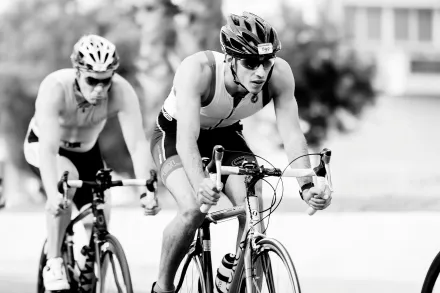
The bike leg builds the largest portion of most triathlon training, and its development rests on a blend of endurance, power, and bike handling skills. Long, steady rides build aerobic capacity and efficiency, teaching your body to burn fat as a fuel source while maintaining form on varying terrains. Cadence work helps you find an efficient pedaling rate that minimizes muscular fatigue and maximizes propulsion; intervals of sustained high cadence can sharpen your neuromuscular efficiency and lactate tolerance. Intervals focused on threshold or near-term power improve your ability to hold steady speeds during the race when the course presents climbs or headwinds. A well-rounded bike plan also includes cadence and pedal stroke drills that teach you to distribute effort evenly through the pedal stroke, reducing wasted energy and improving comfort on longer rides. Fit and posture on the bike are crucial; if you experience numbness, back pain, or knee discomfort, revisiting your bike setup, saddle choice, and handlebar reach can unlock significant improvements in comfort and speed. A practical approach mixes long endurance rides with shorter, more intense efforts, while occasionally inserting brick sessions to reinforce the neuromuscular transition from cycling to running and to simulate race-day fatigue.
Run Training Essentials
Running is the discipline that most exposes fatigue and technique breakdown, making deliberate work in this area essential for triathlon success. Build a solid base with consistent weekly mileage, then introduce progressive intensities that develop running economy and strength. Regular easy runs keep joints and soft tissue resilient, while tempo runs and intervals push lactate tolerance and speed. A cautious progression is crucial to protect the knees, ankles, and hips, especially for athletes returning from an injury or adapting to a heavier training load. Running drills that promote efficient stride mechanics, landing softly under the body, and adequate hip stability support better form and reduce injury risk. A thoughtful run plan also includes brick sessions to translate bike endurance into running efficiency after fatigue. When race day approaches, a taper helps you recover from the cumulative load while preserving speed and rhythm. The result is a controlled, progressive run development that complements your swim and bike training and carries you across the finish line with a steady, sustainable pace.
Brick Workouts: Transitioning Between Disciplines
Brick workouts are the practical glue that binds the three disciplines and the transitions between them. They train your body and mind to switch gears smoothly, minimizing the disruption caused by moving from one sport to another. In a brick session, you perform a bike ride immediately followed by a run, or a swim followed by a bike, to simulate race-day dynamics. The aim is to build metabolic flexibility, so you maintain cadence, form, and confidence as fatigue builds. Brick training also helps you practice nutrition strategy and gear management in real-world conditions, from helmet removal after finishing a cycling segment to the exact moment you begin to run. The first brick workouts might feel awkward as your legs protest the sudden change, but consistency shortens this adaptation period. Over time, bricks become a powerful tool for improving transition speed, sustaining pace, and reducing the shock of switching from one discipline to the next during race day. Include a regular brick session in your plan, gradually increasing its complexity and duration to mirror the demands of your target distance.
Nutrition and Hydration for Training and Race Day
Fueling is the invisible engine that powers performance and recovery across all three sports. A balanced approach starts with a steady intake of carbohydrates to sustain muscle glycogen, adequate protein to repair tissue, and healthy fats to support overall energy density. During long sessions, practical fueling strategies involve timing carbohydrate intake to maintain blood glucose, using easily digestible sources, and practicing hydration alongside electrolyte balance to prevent cramping and dehydration. Electrolytes play a crucial role in maintaining muscle function and fluid balance, particularly in hot or humid conditions. For training, you should practice your race-day nutrition during long workouts to identify what works with your stomach, when it sits best, and how often you should take it. In addition to fueling during sessions, consider post-workout nutrition that supports rapid recovery: a mix of carbohydrates and protein soon after workouts enhances glycogen replenishment and muscle repair. A comprehensive plan also accounts for daily meals, micronutrient needs, and caffeine considerations, all aligned with your training schedule and personal tolerances. By testing fueling strategies during training, you can reduce the risk of GI distress, cramps, or energy crashes on race day while keeping performance steady throughout the event.
Injury Prevention and Recovery
Injuries often arise not from a single bad session but from cumulative stress, poor recovery, and misalignment between load and adaptation. A proactive program emphasizes mobility work, strength training for stabilizing muscles, and attention to technique across the three disciplines. Sleep is the unsung hero of recovery, enabling tissue repair, neural restoration, and hormonal balance that supports adaptation. Regular mobility sessions for hips, ankles, thoracic spine, and shoulders improve range of motion and reduce the likelihood of compensatory injuries. Strength work focused on core stability, gluteal strength, and leg mechanics enhances running economy and cycling efficiency while protecting joints from repetitive impact. Recovery strategies such as easy days, nutrition timing, gentle massages, and adequate hydration help the body absorb training stress. If you notice persistent joint pain, unusual fatigue, or declining performance, scale back volume, revisit technique, and seek professional guidance to identify and address root causes. The long-term gains from a well-planned recovery routine far outweigh the short-term discomfort of slowing down to heal and rebuild.
Gear, Equipment, and Suitability
Choosing the right gear for triathlon training is not about owning the most expensive equipment but about finding items that fit your body, your goals, and the course you plan to tackle. A well-fitted wetsuit improves buoyancy and reduces drag in open-water swims, while a properly sized bicycle frame and comfortable saddle help you maintain form across long rides. A helmet that meets safety standards and fits securely is essential for cycling safety, while running shoes should match your foot type and training demands to minimize impact. A tri suit can streamline transitions by reducing the need for changing outfits, but the best choice is the one you feel most comfortable wearing for the duration of the event. In all cases, equipment should be tested during training to ensure reliability, adjust to weather conditions, and fit within your budget. Maintenance routines, such as checking tire pressure, lubrication, and battery status for any electronic gear, prevent avoidable delays and give you confidence when the clock starts ticking. Remember that gear should support, not overshadow, your technique and consistency of training. When you tailor your equipment choices to your body, environment, and distance, you unlock smoother workouts and more enjoyable race day experiences.
Periodization and Seasonal Planning
Periodization involves shaping your training into distinct phases that culminate in peak performance at the right moment. A typical cycle runs over several months and includes a base phase focused on building aerobic capacity, a build phase that introduces more intensity and race-specific work, a peak phase that emphasizes race rehearsal and speed, and a taper that reduces volume while preserving freshness. Each phase has its own targets, such as mileage milestones, specific interval durations, or cadence goals, all aligned with the distance you plan to race. Seasonal planning also accounts for life events, travel, weather patterns, and multi-race ambitions. The overarching idea is to avoid a flat line of exercise and instead create a dynamic rhythm that alternates between accumulating fitness, sharpening technique, and allowing recovery. By sticking to a structured plan that respects these cycles, you can improve the reliability of your improvements, reduce the risk of burnout, and approach race day with confidence rather than anxiety about last-minute cramming.
Training for Open Water and Safety Considerations
Open-water swimming introduces elements that pool training cannot fully replicate: variable chop, currents, wind, visibility challenges, and the psychological pressure of swimming away from the safety of the wall. To prepare, incorporate practice swims in open water whenever possible, focusing on sighting technique, navigation, and staying calm when waves or crowds arise. Hypothermia and cold-water adaptation are practical concerns in certain environments, so plan for appropriate gear and pacing that maintains body temperature while preventing fatigue. Safety readiness also includes having a clear early-warning plan for fatigue or panic, practicing emergency exit strategies, and training with a buddy or marshal when in unfamiliar waters. During training, gradually extend open-water exposure, test your pacing in real conditions, and refine your ability to draft when appropriate, all while ensuring you have a reliable strategy for hydration and energy delivery in longer sessions. Integration of open-water work with your overall plan will build confidence and performance on race day, especially for athletes whose event demands include cold water starts, long swims, or complex water courses.
Pacing, Effort, and Race Strategy
Effective pacing in a triathlon is a careful balancing act that respects each discipline’s unique demands and the overall distance. Pacing can be guided by perceived effort, heart rate zones, or power metrics on the bike, but the ideal approach blends these tools with instinct and course awareness. Swim pacing is often linked to distance per stroke and breathing comfort, aiming to feel relaxed early and controlled heading toward the turning buoy. On the bike, many athletes benefit from maintaining a steady, slightly conservative effort on flat sections and adjusting pace for climbs and wind, always mindful of the run transition. The run frequently represents the greatest challenge; starting too fast undermines form and energy reserves for the final miles. A practical race plan includes rehearsing the target paces in training, having built-in contingencies for heat or rain, and practicing nutrition timing to avoid energy slumps. Clear race-day cues, such as the moment to push, hold, or ease off based on how the body feels, help you execute your strategy with confidence. Over the weeks, refine your pacing using feedback from training efforts and race rehearsals so your plan aligns with your physiology and the terrain you expect to encounter on the course.
Entering a Race: From Training to Race Day
As race day approaches, the focus shifts from volume accumulation to peak readiness and mental preparation. A robust taper reduces training load while preserving technique and confidence, allowing muscles to replenish energy stores and the nervous system to sharpen. Pre-race logistics—gear check, nutrition order, transport, and transition setup—should be rehearsed in a mock race scenario to minimize surprises. Sleep patterns, meal timing, and hydration require careful planning to optimize performance while avoiding GI distress. Mental strategies such as visualization, positive self-talk, and routine routines help reduce nerves and anchor focus. On the day itself, light activation work, a steady warm-up for each discipline, and a clear plan for transitions set the stage for a smooth start. Remember that race day is not about inventing a new strategy but about executing the well-practiced plan with precision and composure, relying on the training you’ve logged, the technique you’ve honed, and the confidence you’ve built through consistency.
Common Pitfalls and How to Avoid Them
Even well-intentioned athletes stumble into familiar traps that can derail progress. Overtraining is a common risk when volume is pushed too quickly without adequate recovery, leading to persistent fatigue, reduced performance, and higher injury risk. Under-fueling or mis-timed nutrition can erode energy during workouts and impair recovery, especially during long sessions or hot-weather training. Ignoring technique in pursuit of pace can yield quick wins in the short term but store up form breakdown and inefficiency for later. A rigid approach that lacks flexibility can also fail when life events or weather demand adjustments, so building adaptability into your plan is essential. To avoid these issues, prioritize a consistent, progressive approach that respects your body’s signals, schedule regular mobility and strengthening work, practice nutrition during long workouts, and schedule deliberate recovery periods. Maintain flexibility in weekly plans to accommodate real life and set practice races or mock events to test decisions under realistic conditions. The most durable path to improvement blends patience, discipline, technique work, and a clear understanding of your own limits, ensuring you stay healthy, motivated, and capable of ongoing growth throughout your triathlon journey.