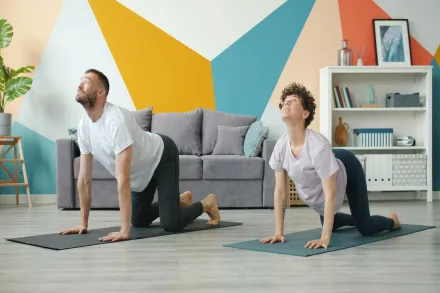
Foundational Understanding of Posture
Posture is more than standing straight or sitting tall; it is the steady alignment of the skeleton and the coordinated action of muscles, nerves, and connective tissues that keep the body balanced during movement and at rest. When people refer to good posture, they are describing a position where the head sits comfortably over the shoulders, the spine maintains its natural curves, and the pelvis supports the torso without excessive arching or slouching. This alignment reduces unnecessary strain on joints and soft tissues, supports efficient breathing, and improves balance. Yet posture is not a fixed trait; it is a habit shaped by daily activities, work demands, sleep patterns, and even the way we describe ourselves in our own minds. Creating durable posture therefore begins with understanding what the body is trying to do and why certain habits, like hunching over a phone or keeping the neck craned forward, can gradually erode that alignment. Knowledge alone is not enough; it needs to be paired with movement that trains the muscles to support the spine in a comfortable range of motion. Consistency and mindful practice turn awareness into capacity, and capacity into reliable daily function.
The Role of the Spine, Muscles, and Nervous System
The spine forms the axis of the body; its natural curves create three‑dimensional alignment that distributes forces evenly during standing, walking, and lifting. The muscles along the back and abdomen, the hip complex, and the shoulder girdle all work in harmony to hold this structure upright. The nervous system constantly monitors position and makes rapid micro‑adjustments to keep the head over the shoulders and the pelvis balanced over the feet. When you sit with rounded shoulders or slump forward, the deep stabilizers may switch off and the larger muscles take on a larger share of control, which is fatiguing and inefficient. Regular activation of the deep stabilizers, followed by progressive loading in functional patterns, helps restore efficient control and resilience. Over time this training improves endurance in the postural muscles and reduces the frequency of awkward compensations that show up after long days.
Breath, Core, and Postural Activation
Breath is a powerful ally in posture because it orchestrates core engagement and ribcage movement while keeping the nervous system calm. Diaphragmatic or belly breathing expands the lower ribcage and coordinates with the transversus abdominis and pelvic floor to create spinal stiffness without tension. When the breath is shallow or chest‑dominant, the spine tends to flatten in the lower back or tilt forward, increasing strain around the neck and shoulders. By practicing controlled breathing during upright holds, gentle diaphragmatic breathing during daily tasks, and occasional breath‑focused activation drills, you can cultivate a stable base for posture without relying solely on muscle strength. The interplay between breath and core acts as a brake that prevents excessive spinal movements during lifting, bending, or turning. Integrating breath with slow, precise movements also helps develop proprioceptive awareness—the sense of where your body is in space—which is essential for maintaining alignment in dynamic activities like stairs, turning to reach for objects, or carrying loads.
Mobility and Flexibility for Better Alignment
Mobility is necessary but not sufficient by itself; posture also requires the ability to move the joints through a full, pain‑free range and then reassemble into stable positions. The chest wall, thoracic spine, and hips often become stiff from sedentary work, leading to a forward head position and rounded shoulders. Targeted mobility work for the thoracic spine, shoulders, hips, and ankles can create space for the spine to lengthen and for the scapulae to glide correctly. Gentle, controlled motions that emphasize extension for the thoracic spine, rotation for the shoulders, and hip opener exercises can be integrated into daily routines. Consistency matters more than intensity, and addressing movement limitations gradually reduces compensations elsewhere in the body. Dynamic mobility sessions before more demanding training help the nervous system prepare for controlled loads and better neuromuscular recruitment during posture‑focused exercises.
Strengthening for Postural Support
Strength is the backbone of durable posture, not just flexibility. The aim is to develop endurance and control in muscles that support the spine and shoulder blades, along with the hip extensors and gluteal musculature that stabilize the pelvis. The mid back muscles, including the rhomboids and lower trapezius, help retract and stabilize the scapulae, while the serratus anterior supports the shoulder girdle from the chest and improves rotation. Lower body work that improves hip hinge mechanics, such as glutes and hamstrings, also influences posture by supporting pelvis alignment. When these muscles are conditioned with proper form, the body is capable of maintaining upright alignment during long days, lifting tasks, and dynamic movements without slipping into compensatory patterns. Progressive loading, controlled tempo, and adequate rest between sessions are essential to avoid overuse and to sustain gains over months rather than weeks.
Integrating Posture Practice into Daily Life
Integrating posture work into daily life is essential because good posture is not only the result of a workout but a habit formed across hours of living. Small, mindful cues can help you notice when you drift into a slouched position: imagine a string pulling the crown of the head toward the ceiling, or briefly check that the ears align over the shoulders and the ribs sit over the hips. Micro‑sessions can take place during breaks, commutes, or while waiting for coffee. The goal is to build consistent exposure to upright positions and to pair them with breathing and activation cues, turning posture into a natural default rather than an awkward correction only seen in the mirror. Even task variations like standing while reading or performing light chores can contribute meaningfully. Over time, you begin to substitute rushed, lazy movements with deliberate, efficient ones that honor your biomechanics without drawing excessive energy from the nervous system.
Designing a Practical Exercise Routine
Designing a practical exercise routine requires balancing mobility, activation, strength, and maintenance while respecting personal schedule, limitations, and recovery needs. A typical framework combines time for warm‑up, targeted work, and cool‑down, distributed across the week with attention to rest days. Within the structure, the emphasis is on progressive exposure to more challenging movements while preserving correct alignment. You will benefit from gentle mobility work early in the week, followed by activation drills that wake the stabilizers, and then longer sets of strength‑focused work that train posture under load. The emphasis remains on technique, tempo, and consistency rather than chasing big numbers at the cost of form. A thoughtful routine adapts to fluctuations in energy and time, ensuring that consistency stays intact even when life gets busy.
Ergonomics and Environment
Ergonomics and environment are the backstage crew of posture improvement. A well designed workspace minimizes the need for compensations and reduces the stress placed on the spine and neck during hours of work. Chair height should align the knees with the hips, feet planted flat, and the lower back supported by a natural curve. Screen height should allow the line of sight to be slightly downward so the head sits in a neutral position rather than tipped forward. Keyboard and mouse placement should enable gentle shoulder posture and forearm support. The workspace, footwear, and lighting all influence how often the body defaults to efficient alignment, and small adjustments can compound into meaningful improvements over weeks and months. Regular breaks to reset posture are as important as the primary workouts because posture is sustained through repetition, not a single exercise session.
Common Mistakes and How to Avoid Them
Common mistakes are often the subtle culprits that undermine posture work. Relying solely on flexibility without strengthening the stabilizers invites recovery after activity to resemble a struggle rather than a steady habit, and pain may discourage continued practice. Focusing on a single plane of movement while neglecting the transverse and rotational control can leave the body unbalanced and prone to compensations. Pushing through pain to chase progress erodes consistency and safety. Another frequent error is ignoring restorative sleep, hydration, and nutrition, all of which influence tissue health and the nervous system's ability to adapt. Recognizing these patterns helps you restructure practice toward sustainable, integrated improvements rather than isolated efforts. By observing these missteps and replacing them with connected, multidimensional work, you create a more resilient alignment that endures beyond a particular routine.
Measuring Progress and Staying Motivated
Tracking progress and staying motivated require a holistic view of how posture improves function, not only how it feels in the mirror. Periodic photos can reveal changes in alignment from head position to shoulder line and pelvic tilt, while simple functional checks, such as quiet breath and stable planks or rows, demonstrate improved control. Keeping a gentle log of daily cues, sensations, and task performance can clarify what works and what needs adjustment. Motivation tends to peak when small wins accumulate and when daily routines become automatic rather than forced. Celebrating gradual shifts in endurance, pain reduction, and ease of movement reinforces adherence without becoming fixation on perfection. The key is to anchor progress in tangible life improvements, like reduced fatigue after commuting, easier lifting tasks, and fewer neck knots after a long day.
Safety, Age, and Special Considerations
Safety, age, and special considerations shape how posture training is approached. Individuals with chronic back pain, scoliosis, previous injuries, or surgical histories may require modifications and professional guidance to avoid exacerbation. Start slow, listen to signals from the body, and avoid positions that produce sharp discomfort or nerve symptoms. A healthcare professional such as a physical therapist can assess posture in three dimensions, tailor a plan to personal limitations, and help monitor progress. Pregnant individuals, older adults, and those with limited mobility should prioritize low impact movements, stability, and gradual progression while maintaining open communication with their care team. The overarching aim is to move safely toward better alignment, respecting the body's natural pacing and healing processes while staying curious and persistent about improvement.
Progressive Overload and Adaptation
Progressive overload and adaptation are the engines that make posture durable over time. As you gain tolerance for activation and strength, you can increase the complexity of tasks, extend holds, or add light resistance in a controlled fashion. The idea is not to rush into maximal effort but to extend capacity in a way that respects tissue healing, nervous system readiness, and movement quality. Periodically alternating emphasis between mobility and stability ensures the joints remain able to move freely while the muscles become more capable of supporting the column. This approach minimizes burnout and helps connective tissues adapt gradually. With mindful progression, the body’s tissues become more supple and yet steadier, allowing you to maintain upright posture during a wider range of activities with less effort and less fatigue than before.
Troubleshooting Stubborn Posture
Troubleshooting stubborn posture requires diagnosing factors outside the gym as well as inside. Poor sleep quality, chronic stress, or a sedentary work routine can blunt progress even when technique is solid. Sometimes the root cause is not the posture itself but compensations learned over years of sitting and slouching. In these cases, returning to fundamentals can help: reestablish a comfortable neutral spine during light activities, reengage the deep stabilizers with gentle activation cues, and reframe daily tasks to minimize sustained slouching. If progress stalls, revisiting ergonomic setup, recalibrating cueing, and inviting a partner for feedback can reignite improvement without resorting to drastic measures. Patience, consistent exposure to upright positions, and a willingness to adjust the plan are often more powerful than chasing a rapid rebound in a single week.
Long-Term Maintenance and Habit Formation
Long-term maintenance and habit formation create a durable shift from occasional practice to a lifestyle pattern. The best posture program integrates movement with meaning, turning alignment into an ongoing choice rather than a temporary goal. Building a routine means creating predictable times for mobility, activation, and strengthening, embedding reminders in your environment, and cultivating the identity of someone who values balance and resilience. As days accumulate, the brain strengthens the neural pathways that support upright stance, allowing posture to become automatic under a wide range of activities. With patience and consistency, the body learns to hold alignment gracefully during work, recreation, and rest alike. The transformation emerges not from single heroic efforts but from the quiet, daily decisions that honor the body's needs and celebrate small, steady improvements over the long arc of life.