Balance and coordination are fundamental skills that affect nearly every aspect of daily life, from standing upright on a windy day to catching a moving ball with confident hands. They are not just the province of athletes or performers; they are attributes that can be developed and refined by anyone willing to invest time and attention. This article explores the science behind balance and coordination, explains how the body integrates sensory information, and offers a comprehensive, echoed approach to training that can be applied in homes, gyms, or outdoor spaces. The goal is a practical, evidence informed path that respects individual differences in age, fitness level, and health status while fostering progress through thoughtful progression and mindful practice. By embracing deliberate practice and nurturing the nervous system through varied stimuli, you can improve stability, refine dynamic control, and enhance the speed and accuracy of coordinated movements in everyday activities as well as in sport and recreation. It is important to recognize that improvements in balance and coordination come from a combination of strength, flexibility, perception, reaction time, and motor planning, all of which can be trained in complementary ways over weeks and months with careful attention to form and safety. Consistency and patience are not merely virtues in this context; they are the main drivers of meaningful change that endures over time. This overarching framework emphasizes sustainable habits, accurate self assessment, and gradual exposure to progressively challenging tasks that align with individual goals rather than short term feats.
Balance refers to the ability to maintain the body's center of gravity within the base of support, while coordination describes the harmonious integration of sensory information, motor commands, and timing that produces smooth, accurate movements. These capabilities rely on a network of systems working in concert: the vestibular apparatus in the inner ear detects head position and movement; the visual system provides environmental cues that help judge depth, distance, and motion; the somatosensory or proprioceptive system informs the brain about joint angles, muscle length, and force output. The brain coordinates these inputs with motor commands to adjust posture, step, reach, and rotate as required. When any part of this system is challenged—by fatigue, novelty, aging, or injury—the risk of imbalance increases, and coordination requires more deliberate processing to maintain stability and accuracy. The beauty of training is that this network can be shaped and enhanced through purposeful practice, which can lead to improvements that feel effortless and natural in daily life. Understanding these mechanisms helps to design training that respects the way the body learns, builds sensory acuity, and refines the timing of movements in a way that reduces the likelihood of slips, falls, or clumsy responses. The practical implications are broad, touching on posture during walking, the control of limbs during reaching tasks, and the ability to recover quickly after a perturbation. As people age, these processes may slow, but research consistently shows that targeted practice can preserve and even improve balance and coordination, supporting confidence, independence, and overall quality of life. The nervous system loves variability, and that is a guiding principle for effective training: expose the body to a range of stable and unstable surfaces, different sensory environments, tasks that require attention and decision making, and movements that challenge the timing and sequencing of actions. A well designed program uses variety to promote adaptability, not mere repetition of the same motion.
For practitioners, educators, and individuals seeking improvement, it is helpful to conceptualize balance and coordination as a layered skill set. At the base lies postural control, the capacity to hold and adjust a position against gravity. Moving up, dynamic balance adds the ability to maintain control during movement, such as walking on uneven ground or stepping over obstacles. Higher still is reactive balance, the capability to recover from unexpected shifts or perturbations, and finally the integration of coordination, which includes hand eye foot timing, bilateral and cross body movements, and precise control of force and speed. Training that alternates among these layers tends to produce more robust and transferable gains than focusing on a single aspect. With patience and structured practice, improvements compound as the nervous system forms more efficient neural pathways, boosting both balance and coordination in living, breathing contexts such as climbing stairs, catching a ball, or simply navigating a crowded space without hesitation. Consistency in practice creates a footprint in the nervous system that becomes easier to rely on in real time, while deliberate challenges strengthen the adaptive capacity of muscles, joints, and sensory receptors. The practical upshot is a practical sense of steadiness that can be felt in the ankles, knees, hips, and spine as you carry out complex tasks with less cognitive effort and more ease. This holistic view underlines why a holistic program that blends strength, flexibility, sensory training, and skill work yields the best long term results for balance and coordination.
Understanding Balance and Coordination: The Role of Sensory Systems
The vestibular system, located in the inner ear, provides essential information about head motion and orientation relative to gravity. It helps the brain estimate whether you are upright, tilted, accelerating, or decelerating, and it contributes to gaze stabilization during head movements, enabling you to keep a visual target in focus even when you move. The proprioceptive system, distributed throughout muscles, tendons, and joints, informs the brain about limb position and movement without relying solely on vision. Proprioception is critical for coordinating the placement of the feet while walking, for adjusting grip strength when handling objects, and for online corrections when balance is challenged. The visual system contributes to spatial awareness, bringing in depth perception, motion cues, and environmental layout. It plays a major role in planning movements, guiding steps, and avoiding obstacles. The integration of these sensory streams happens rapidly, allowing for smooth, timely responses, such as catching a ball, stepping over a dog, or regaining balance after a small stumble. In addition, the body uses anticipatory mechanisms, where the brain predicts forthcoming demands and prepares the musculoskeletal system for the expected action. When this predictive control is well tuned, movements feel effortless and precise; when it is not, there can be hesitation, overshoot, or adjustments that appear clumsy. Training that challenges sensory integration, such as practicing in varied lighting, with distractions, or on different surfaces, helps to recalibrate these processes and build resilience. Accuracy, timing, and anticipation become tangible markers of progress as you become more adept at interpreting signals from the environment and translating them into coordinated action. This is why activities that blend perception, decision making, and motor execution—such as catching a balloon while standing on a foam pad or performing dance sequences on a slightly unstable platform—are particularly effective for improving coordination in a realistic context.
In clinical and athletic settings alike, it is common to categorize balance control into static, dynamic, and reactive components. Static balance refers to maintaining a steady position when the body is not moving, such as standing with feet together or in a tandem stance. Dynamic balance involves managing the body’s stability during movement, like walking along a line or stepping over obstacles while maintaining alignment and posture. Reactive balance is the capacity to recover after unexpected perturbations, such as a nudge or a stumble, which often requires rapid information processing and corrective muscle action. In most training pathways, players, older adults, or new learners progress through activities that progressively tax these different domains, with an emphasis on safe challenge. The body adapts best when the stress is manageable, the movements are correct, and practice is regular rather than sporadic. A thoughtful approach to balance and coordination emphasizes quality of movement over quantity of repetitions, chooses tasks that are meaningful and engaging, and incorporates recovery periods to allow neural and muscular systems to consolidate learning.
Foundational Components of Balance
Core stability plays a central role in balance by providing a solid, organized trunk from which limbs can move with control. A stable spine and pelvis create a reliable platform for limb actions. Exercises that strengthen the muscles around the core, including the abdominal muscles, obliques, and the muscles of the lower back, help the body maintain alignment during movement and protect the spine from excessive shear and rotational forces. Core training should be integrated with limb movements so that stability is not practiced in isolation but rather in functional contexts that resemble daily life. When the core is strong and well coordinated with limb action, small perturbations can be absorbed with less disruption to posture, and the limbs can respond with precision and ease. The muscles around the ankles and hips specifically contribute to posture control by controlling subtle shifts in weight and by generating corrective torques that preserve upright stance. Strength and endurance in these muscle groups support more confident balance on varied surfaces and during long periods of standing. Flexibility, particularly in the hips, hamstrings, and calves, complements strength by allowing joints to move through appropriate ranges of motion without compensatory postures that might compromise balance. In addition, proprioceptive training enhances joint awareness, so that the brain receives precise information about limb position and can make rapid, well coordinated adjustments during movement. Practices that emphasize mindful alignment, slow controlled movements, and gradual loading are especially helpful in building a robust balance foundation that translates to everyday activities and sports. Proprioceptive training, such as standing on one leg while eyes closed or–progressively–on unstable surfaces, challenges the body’s internal sensing and promotes more accurate motor responses. Vision is another critical element in balancing routines because it helps estimate motion, guide foot placement, and anticipate changes in terrain. Training that integrates visual focus with postural control can refine the interplay between sight and body position, which is particularly important for activities that require quick reactions and precise footwork.
Coordination emerges when the nervous system links multiple sensory inputs to produce controlled movements across joints and limbs. It is evident in tasks as simple as reaching for a glass without spilling or as complex as performing a multi step gymnastic routine. Coordination training often emphasizes timing, rhythm, and patterning. Practices that require the synchronization of arms, legs, and gaze, or that involve cross axis movements like crossing the midline, help the brain to enhance neural connectivity between hemispheres and between sensory pathways and motor outputs. Athletes frequently rely on improved coordination to execute skillful actions with efficiency and economy of effort. For older adults, enhanced coordination reduces the likelihood of missteps and supports safer, more confident movement in daily life. The interplay of balance and coordination is dynamic: better balance can facilitate more accurate coordination, and improved coordination can make maintaining balance during complex tasks easier. This bidirectional relationship underlines the value of integrating balance and coordination into a single, coherent training plan rather than treating them as isolated traits. Throughout a wellness journey, progress in one domain often fuels improvements in the other, creating a positive feedback loop that reinforces overall motor control and functional capability.
Principles of Safe Training
Safety is the cornerstone of any program aimed at improving balance and coordination. Before beginning or intensifying training, it is prudent to assess your baseline by noting how you move comfortably, where you feel unsteady, and what activities elicit hesitation or fear. If there is a history of injury, surgery, or medical conditions affecting the spine, joints, or neurological systems, consulting with a healthcare professional or a qualified trainer can help tailor activities to your needs and establish any necessary precautions. A sensory robust approach emphasizes clear progressions, stable progress tracking, and a focus on quality rather than quantity. The training environment should be free of clutter, with supportive footwear and non slip surfaces. When attempting more challenging tasks, a safety surface or a person to spot you can reduce risk while you explore limits within a controlled context. It is also important to listen to your body and avoid pushing through pain, sharp discomfort, or dizziness that does not subside with rest. Hydration, adequate sleep, and balanced nutrition contribute to overall neuromuscular readiness, and they should be considered as part of a holistic plan. A steady cadence, adequate warm up, and sustained attention to posture are practical ways to limit injury and maximize learning. The principle of progressive overload guides gradual increases in difficulty, ensuring that complexity, instability, and cognitive demand rise in step with your growing capacity. This approach helps prevent plateaus and fosters long term gains that persist when you return to real life tasks. Consistency in applying these safety principles is essential for durable progress, while mindful adaptation ensures that your training remains aligned with your goals and health status.
Quality of movement matters as much as quantity of practice. When you practice, aim for slow, controlled motions that emphasize alignment, joint safety, and symmetrical effort. Misalignment, excessive force, or compensatory movements can engrain patterns that hinder balance and coordination rather than improve them. A patient approach that prioritizes technique over speed will translate into better performance later on. In addition, varying the training context—such as practicing with eyes open and closed, on a firm surface and on foam, or indoors and outdoors—helps your nervous system become less dependent on any single cue and more capable of adapting to real world environments. It is also helpful to track progress using simple, objective measures such as the duration you can maintain a single leg stance, the number of safe steps taken along a line, or your ability to perform a reaction drill with accurate timing. As skill grows, these measures will reflect improved control and confidence. The larger aim is to create an adaptable nervous system that can respond quickly and accurately to perturbations while maintaining efficient and controlled movement across tasks.
Exercises to Improve Balance
Static balance exercises establish a foundation by training the body to hold positions without movement. A classic approach begins with standing with feet together and progressing to variations such as a heel toe stance, or a single leg stance while maintaining upright posture. As you gain stability, you can increase the challenge by closing the eyes, turning the head softly from side to side, or performing the stance on a compliant surface such as a mat or foam pad. Each variation increases the reliance on proprioceptive cues and the integration of sensory information to maintain a steady alignment. A key component of static balance practice is maintaining alignment across the ankles, knees, hips, and spine while controlling breath and maintaining a calm, focused gaze. Dynamic balance extends these principles into movement. Walking in a straight line with deliberate foot placement, navigating a path that includes gentle turns, stepping over small obstacles, and maintaining alignment while shifting weight from one leg to the other all contribute to improved dynamic stability. The emphasis remains on controlled movements rather than speed, with the end goal of achieving safe, economical, and smooth transitions from one posture to another. To deepen dynamic balance, you can introduce lateral steps, backward walking, or zigzag patterns that require constant adjustments to postural alignment and weight distribution. These tasks train the nervous system to coordinate multiple joints while maintaining control of the torso and head. Reactive balance training adds the dimension of perturbation management. Gently nudging the body, catching a moving object, or responding to a light push can train the ability to recover quickly. A cautious approach to reactive exercises includes gradually increasing the intensity of perturbations, ensuring spotters and safe surfaces, and focusing on rapid but controlled responses rather than frantic, uncontrolled movements. For most people, the most practical balance routines weave static, dynamic, and reactive elements together in short, frequent practice sessions that fit within daily life. A typical pattern might involve a few minutes of static holds, several minutes of dynamic walking or stepping drills, and occasional perturbation challenges to train reflexive responses and recovery. Unstable surfaces such as foam pads or balance discs offer additional stimulus for the ankles and hips while demanding greater proprioceptive engagement, yet should be approached gradually and with attention to safety. Over time, the brain learns to rely less on vision and more on proprioceptive feedback, which enhances reliability in real world environments where vision may be compromised or obstructed. The inclusion of these progressive elements supports robust balance across a range of contexts and activities.
Incorporating activities with low to moderate intensity that demand balance can be a natural part of daily life. Simple routines such as standing on one leg while brushing teeth, half kneeling reaches in the kitchen, or gently stepping in place while listening to music can become meaningful additions to daily practice. The goal is to create frequent, sustainable exposure that engages the balance and coordination systems without causing fatigue or injury. As you advance, you may introduce refined technique components such as maintaining stable shoulder and hip alignment during leg lifts or coordinating breathing with movement to enhance concentration and control. By selecting activities that are enjoyable and relevant, you increase the likelihood of continual participation, which is essential to achieving lasting gains in balance and coordination.
Exercises to Improve Coordination
Coordination training emphasizes the timing and sequencing of movements across multiple body parts. A foundational approach might begin with activities that require precise hand eye coordination, such as catching and tossing a light object while maintaining posture. Integrating tasks that require cross body coordination—reaching across the body with one hand while stabilizing with the other—engages the brain’s interhemispheric pathways and helps synchronize motor commands across limbs. Rhythm and timing drills add a musical element to coordination work; for instance, performing coordinated steps or arm movements to a steady beat encourages smooth, predictable patterns that increase the likelihood of accurate execution under fatigue or distraction. Hand eye coordination is also sharpened through tasks such as tracing lines with a finger while maintaining gaze on a target, or performing slow, controlled hand movements against gentle resistance. These activities improve the ability to plan, execute, and adjust fine motor actions in time with a moving or changing environment. Complex coordination tasks combine balance with precise limb control; examples include alternating stepping patterns while reaching for objects placed at different heights, or performing a sequence of arm arcs and leg steps that requires anticipation and memory. Practicing these sequences in varied contexts reinforces adaptability, a hallmark of functional coordination that transfers to sports, work tasks, and everyday activities. The brain’s capacity to learn new patterns and re pattern routines is remarkable, and balancing coordinated sequences with attentional demands can yield meaningful improvements in motor dexterity. In addition, cognitive dual tasking—performing a motor task while a second mental task is engaged—can enhance the integration of cognitive control with motor skill, reflecting real world situations in which attention is divided.
Physical education and rehabilitation professionals often weave coordination drills into broader workouts to help clients transfer gains across domains. For example, performing upper and lower limb tasks in alternating fashion, or executing bilateral symmetrical movements with a subtle delay between sides, challenges timing and sequencing. A useful principle is to start with simple, stable tasks and gradually increase complexity and speed, ensuring that technique remains pristine as demands rise. Real world relevance is enhanced when coordination training mimics activities people routinely do, such as reaching and turning to retrieve an item, stepping over a video game controller cord, or maintaining balance while performing a meal preparation task. The long term aim is to cultivate automatic motor responses that feel natural and controlled, even under stress or fatigue, so that daily activities become less effortful and more reliable.
Integrated Routines for Daily Life
One of the most effective ways to convert training gains into lasting behavioral changes is to embed balance and coordination work into routines that resemble daily life. A practical approach is to interlace gentle balance challenges with mobility and light conditioning throughout the day rather than confining practice to a single session. For instance, during a morning routine you can begin with a few minutes of static balance holds, gradually move into dynamic steps while guiding the pace with breath, and end with gentle perturbation tasks such as nudging a chair while maintaining posture. Throughout the day, opportunities to practice are abundant: stepping up onto a curb with cautious control, navigating crowded spaces with deliberate foot placement, or turning with precision to reach for items in a kitchen cabinet. The aim is to cultivate a sense of security and fluidity in ordinary tasks, so balance and coordination become reliable allies rather than sources of anxiety. In a typical week, a well rounded plan includes several short sessions that emphasize varied surfaces, sensory conditions, and cognitive demands. A balanced schedule might allocate two to three dedicated sessions of 15 to 30 minutes each, supplemented by brief practice snippets embedded in routine activities. The key is consistency and mindful progress rather than sudden bursts of intense training. The ultimate benefit is a more confident and capable body that can adapt to uneven terrain, crowded environments, and unexpected challenges with composure and precision.
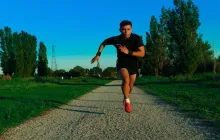
For those who enjoy outdoor activity or sport, integrating balance and coordination work with skill practice can be especially rewarding. For example, a runner might incorporate balance drills on a flat surface followed by hill repeats to challenge proprioceptive control in a forward motion. A soccer player may pair footwork drills on a stable surface with dribbling and quick direction changes on a slightly irregular surface. A dancer can blend weight shifting and balance holds with choreographed sequences to sharpen timing and alignment. The common thread across these examples is the fusion of stability work with movement that requires coordination, tempo, and spatial awareness. When you approach training in this integrative fashion, you not only improve measurable aspects of balance and coordination but also strengthen confidence in your ability to perform everyday tasks and recreational activities with greater ease.
Programming Progression
Effective progression balances challenge with safety and is tailored to individual needs, goals, and current abilities. A practical progression begins with a focus on foundational balance and basic coordination tasks, incrementally adding complexity across three axes: stability demand, movement complexity, and cognitive load. In the earliest stage, the emphasis is on steady postures, controlled breathing, and precise alignment with minimal perturbation. As stability improves, dynamic components are introduced, such as walking with deliberate step width, performing single leg movements, and performing tasks that require the integration of breath, movement, and gaze. At the next level, reactive elements are added, teaching the body to recover from small disturbances and to adapt quickly to perturbations. Finally, cognitive demands are increased by requiring attention to concurrent tasks, such as following a sequence, memorizing a pattern, or responding to a changing cue while maintaining balance and coordination. This framework supports progression in a structured and individualized manner, ensuring that each new challenge builds on prior success rather than risking overload. For different populations, the pace and emphasis shift. Beginners benefit from slower tempo and greater reliance on external supports or supervision, older adults may require longer adaptation times and a focus on safety, while athletes may push toward higher speed, greater range of motion, and more dynamic perturbations. The unifying principle is patient, gradual scaling of demand paired with consistent practice and objective feedback on progress.
In designing a personal program, it is helpful to document initial capabilities and set realistic, measurable goals. A typical plan might begin with a baseline assessment of static balance time, toe to heel walk duration, and a few dynamic tasks such as step overs or marching with arm movements. The plan then outlines progressions over weeks that increase surface instability, require more complex sequencing, or call for faster responses, while maintaining strict attention to form. Periodic re testing helps verify improvements and informs necessary adjustments. It is wise to combine training with education about posture and alignment, so the nervous system understands the coordinates of the body, joints, and limbs in space. A well designed progression also considers recovery, spacing out intense sessions to allow the brain and muscles to consolidate learning, and integrating rest and mobility work to prevent stiffness and overuse. By embracing a clear progression that respects individual variability, you create a sustainable path to durable gains in balance and coordination that persist beyond the gym or training environment.
Monitoring progress by using simple, objective measures can reinforce motivation and guide adjustments. For example, tracking how long you can maintain a one leg stance with eyes open, the number of successful steps along a straight line, or the time required to recover from a small perturbation offers tangible feedback. Regularly revisiting these measures helps you detect plateaus and plan the next steps to push beyond them. It is essential to celebrate small wins and recognize that improvements in balance and coordination often occur gradually, especially for people who are older or who are new to physical training. The cumulative effect of consistent practice, mindful progression, and attention to safety yields meaningful improvements in daily function and athletic capability while reducing the risk of falls and injuries. Patience and precision in practice become your most reliable tools as you work toward a higher level of motor control and a more resilient, capable body.
Common Mistakes and How to Avoid Them
Avoiding common pitfalls can accelerate progress and reduce the chance of injury. One frequent error is attempting tasks that are too challenging too soon, which leads to compromised technique, instability, and avoidance of useful tasks in the future. Start with stable supports and controlled conditions, then gradually reduce support and increase unpredictability as confidence grows. Another common misstep is neglecting the base of support by letting the feet drift apart or bending the knees excessively; maintaining a stable, semi linear alignment through the ankles, knees, and hips supports better control and reduces compensatory movements that degrade balance. Rushing through drills is another trap that undermines learning; slow tempo with deliberate exhale during challenging movements helps sustain quality and reduces overcompensation. Underestimating the importance of recovery can hinder adaptation as well; balance and coordination rely on proper sensorimotor integration, which requires rest to consolidate learning. Adequate sleep, hydration, and balanced nutrition support neural processing and muscle repair necessary for progress. Finally, the environment matters: training on highly polished floors without grip increases the risk of slips, and practicing on an overly compliant surface without supervision can lead to unsafe falls. Creating a safe, controlled environment with gradually increasing levels of difficulty is essential for sustainable improvement. By identifying and addressing these common mistakes, you will create a more productive training experience that translates into real world gains.
Another frequent oversight is underplaying the cognitive aspect of balance and coordination. Real world tasks require concurrent attention to multiple cues, decision making, and rapid adjustments; ignoring the cognitive load can limit transfer to daily life. A well rounded program deliberately includes tasks that require attention, memory, and planning in combination with movement. In addition, athletes and active individuals sometimes neglect joint mobility work, which can restrict range of motion and contribute to compensatory patterns that compromise balance. Regular mobility work helps maintain the fluidity of movement, which in turn supports balance by enabling more accurate and efficient postural corrections. By weaving together cognitive challenges, mobility, and progressive balance and coordination drills, you create a more integrated and resilient motor system that can adapt to diverse tasks and environments.
Equipment and Environment
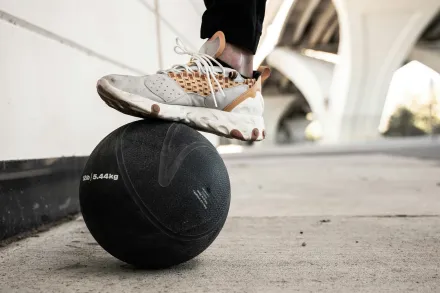
Developing balance and coordination does not require elaborate equipment, but a few simple tools can expand training possibilities and intensify progression in a controlled way. A sturdy chair or wall support can provide stability while learning new postures, and a narrow line on the floor can guide precise foot placement during dynamic balance tasks. A stable mat or cushioned surface protects joints and reduces fear of falling during early practice, while a foam pad or balance board increases instability to challenge proprioception and reflexes as you progress. A foam roller can be used to release tension in the hips and spine, improving mobility that supports balance. A simple timer helps structure practice sessions, ensuring that you allocate time to static holds, dynamic drills, and reactive activities. If available, a balance beam or a low platform offers opportunities for stepping and precision work at increased height, with the option to use a spotter or rails for safety. Outdoor surfaces such as grass, gravel, or uneven pavement introduce real world variability, but must be approached gradually and only when indoor practice has built confidence and proficiency. Adequate footwear with non slip soles provides stable grip and sensory feedback, while removing footwear can introduce a new dimension of proprioceptive challenge for those who are ready and physically prepared. In addition, visual aids like a stationary target for gaze stabilization or a metronome for rhythm work can enrich training by adding cues that refine timing and precision. The overarching principle is to select equipment and environments that make practice feasible, enjoyable, and safe while offering scalable challenges aligned with your goals.
For people who train at home, a practical approach is to create a small, well lit area with a few focal points for balance challenges. A stable chair can serve as a safety anchor during initial progressions, a line on the floor provides a precise target for foot placement, and a soft mat creates a forgiving landing surface for dynamic moves. As you grown more capable, you can introduce a foam pad for instability, and eventually a balance board or wobble cushion to intensify proprioceptive input. The choice of equipment should reflect your personal preferences, space availability, and safety considerations, ensuring that you can practice consistently over the long term. By integrating equipment thoughtfully, you can expand the repertoire of drills you can perform and maintain motivation as you see steady improvement in balance and coordination.
Putting It All Together
The endeavor to improve balance and coordination is a journey that bridges physiology, psychology, and daily living. It starts with acknowledging the interdependence of sensory systems, motor control, and cognitive processing, and it progresses through deliberate practice that respects safe progression, purposeful variability, and meaningful context. The most successful programs blend elements of static and dynamic balance, task specific coordination drills, and cognitive challenges that mimic real life tasks. The conceptual framework encourages you to view training not as a finite series of exercises but as a continuous, evolving practice that adapts to changes in your body, goals, and daily environment. Consistency remains the most powerful predictor of success, followed by thoughtful progression, attentive technique, and adherence to safety principles. When you approach balance and coordination with curiosity and patience, you will encounter small victories that accumulate into lasting competence. The body responds to repeated, precise practice by tuning neural circuits and strengthening neuromuscular connections, which translates into steadier stance, quicker and more accurate movements, and a greater sense of confidence across a broad spectrum of activities. In time, everyday tasks become less error prone and more fluid, and you may notice improvements in activities you previously avoided due to fear of loss of balance. This pathway emphasizes personal growth, resilience, and practical capability, underscoring the value of a sustainable program that blends science, skill, and self care into a coherent whole.