Plyometrics stands at the intersection of speed, power, and athletic control. It is a training approach built around rapid, forceful movements that exploit the body’s natural elastic properties to produce explosive outputs. In essence, plyometrics trains the stretch of a muscle followed immediately by a powerful contraction, a sequence that mirrors the demands of sprinting, jumping, changing direction, and striking actions across a wide range of sports. The core idea is to convert quick eccentric loading into a robust concentric burst, a process that can translate into faster sprint times, higher vertical leaps, more dynamic changes of pace, and improved reliability in fast-tiber moments under fatigue. For athletes who need to translate strength into speed, plyometric work offers a pathway to unlock higher levels of neuromuscular efficiency, motor unit recruitment, and the rate at which force can be generated, all essential components of superior athletic performance. The aim is not simply to jump higher or move faster in isolation but to cultivate the coordinated, responsive power that shows up during game play, drills, and competitive events over the long season.
To truly benefit from plyometrics, it is important to understand the science behind how the body handles rapid stretch and contraction. The muscle-tendon complex stores elastic energy during a rapid eccentric phase, which is then released during the subsequent concentric action. This energy storage is maximized when the movement occurs with appropriate speed and control, and when the transition from the stretch to the shortening phase happens in an efficient, well-timed manner. The nervous system also plays a critical role, calibrating motor unit recruitment and firing frequency to match the demands of each movement. The result is a training stimulus that not only strengthens muscles but also refines neural pathways that coordinate multi-joint actions under dynamic conditions. When applied correctly, plyometrics can enhance jump height, sprint acceleration, deceleration control, and reactive agility, all of which contribute to practical improvements on the field, court, or track. The emphasis is on quality over quantity, with safety and technique guiding every session so that the body learns to generate more power with less injury risk.
One of the appealing aspects of plyometric training is its ability to complement other forms of conditioning. For athletes who already perform heavy resistance training, plyometrics can serve as a bridge to apply gains in maximal strength to explosive performance. For endurance athletes or skill-based competitors, plyometrics can inject a dose of neuromuscular sharpness that helps sustain economy and efficiency under brisk paces or during sudden accelerations. The versatility of plyometrics makes it relevant across a wide spectrum of disciplines, from track and field to basketball, volleyball, soccer, rugby, and martial arts. While the benefits are tangible, they are dependent on a thoughtful approach that respects the body’s limits, gradually progresses intensity and volume, and aligns with the athlete’s sport-specific demands. The overarching goal is to train power in a way that transfers to skills, speed, and control in actual competition.
To begin a plyometric journey, athletes should first establish a foundation of general strength and mobility. This baseline ensures joints and connective tissue can tolerate the unique demands of rapid loading and unloading, while also providing a platform for progression. A phased approach reduces the risk of overuse injuries and ensures that the nervous and muscular systems adapt in a synchronized fashion. A well-prepared athlete will typically demonstrate decent hip, knee, and ankle stability, adequate ankle dorsiflexion, and the absence of recent injuries that would compromise landing mechanics. When the base is solid, plyometrics can then be layered into training with a clear progression that respects the variables of intensity, volume, and complexity. The result is a training method that is both scientifically grounded and practically accessible, capable of delivering meaningful gains without excessive risk.
In addition to the physical adaptations, plyometrics can influence athletic confidence and movement perception. The repetitive exposure to high-velocity landings and rapid transitions teaches the body to anticipate forces, align joints for safety, and turn on speed when it matters most. Athletes often report improved proprioception, better rhythm in running and jumping patterns, and a greater sense of control during rapid direction changes. This combination of physical and perceptual improvements helps athletes perform better under pressure, maintain technique under fatigue, and sustain high levels of performance across a competitive season. It is for these reasons that plyometric training is a staple in many sport-specific conditioning programs, not just as a means of raw power development but as a comprehensive strategy for athletic performance.
Foundational principles and the stretch-shortening cycle
The stretch-shortening cycle is a central concept in plyometrics. It describes how a muscle-tendon unit responds to a rapid stretch by storing elastic energy and then releasing that energy through a powerful shortening action. The effectiveness of this cycle depends on the timing and quality of the transition from the lengthening phase to the shortening phase. When this transition is swift and controlled, the muscle can produce greater force with less energy input. The series elastic components, including tendons and muscle fibers, act as springs that store some of the energy during the eccentric phase and contribute to the subsequent concentric effort. The neuromuscular system, in turn, tunes motor unit recruitment and firing rates to optimize the response. The practical implication for training is that exercises should be designed to evoke a rapid eccentric action followed by an explosive concentric action, with minimal delay in between. The speed of the transition, the range of motion, and the direction of movement all influence the magnitude of the plyometric effect. In short, the quick, loaded stretch sets the stage for a more powerful contraction, and the coach’s responsibility is to structure drills that encourage efficient, safe, and purposeful transitions.
Coaches and athletes should recognize that the stretch-shortening cycle is not a universal fix for every movement. The magnitude of benefit depends on factors such as the athlete’s limb length, tendon compliance, and training history. For sprinters, the focus may be on rapid ankle plantar flexion and knee extension during ground contact, while for jumpers, the emphasis may shift toward optimizing knee and hip extension and minimizing wasted horizontal movement. The specificity of the drill matters; exercises should reflect the demands of the sport, allowing the athlete to translate improved rate of force development into the exact kinds of explosive actions that occur in competition. The cycle is most effective when it is practiced repeatedly in a controlled, progressive manner that respects the body’s limits and avoids technique-compromising fatigue.
Integrating plyometrics into a broader training plan requires attention to recovery, technique, and monitoring. Athletes must balance higher-intensity plyometric days with ample rest and lighter sessions to avoid accumulating fatigue, especially during periods of heavy technical work or competition. A well-planned program alternates between impact-focused drills and lighter, reactive, or coordination-based activities, ensuring that the nervous system has sufficient time to adapt between high-stress exposures. In addition, attention to soft tissue health, ankle stability, and hip mobility reduces the risk of common injury patterns associated with plyometrics. When this holistic approach is followed, the stretch-shortening cycle becomes a reliable mechanism for enhancing performance while preserving long-term athletic health.
Applications across athletic domains
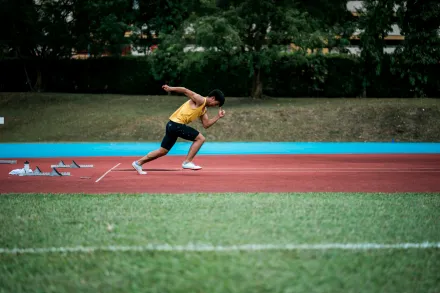
Plyometric training translates differently depending on the sport, but the underlying principle remains the same: train explosive power in a way that mirrors sport-specific demands. In sprinting, the athlete aims to maximize ground force development in a very short contact time, improving acceleration and top speed. In jumping sports, the objective is to increase vertical height, horizontal reach, or both, while preserving control during landing. In team sports that require rapid changes of direction, plyometrics enhances the ability to decelerate and reaccelerate efficiently, supporting improved agility and on-court or on-field decision making. For endurance athletes who still rely on occasional bursts of speed, plyometrics can sharpen neuromuscular efficiency, leading to faster surges and more economical pacing. Across these domains, the common gains include improved jump height, faster sprint times, better reactive balance, and more robust power output during sport-specific tasks. The key to transfer is specificity: the drills chosen should resemble the plane of motion, the speed of action, and the impact level athletes experience during competition.
Within this framework, drills can be organized into categories that emphasize different aspects of power. Lower-body plyometrics often focus on horizontal propulsion, vertical elevation, and lateral stability, while upper-body plyometrics can support explosive pushing actions, medicine-ball throws, and rapid trunk movements that contribute to overall force generation. Even with this diversity, the reliable principle remains: instructive intention, controlled progression, and a consistent emphasis on technique. Athletes who grasp this concept can elicit meaningful improvements without feeling overwhelmed by complexity. The ultimate measure of success is not just the number of jumps performed but the quality of each rep, the control of the landing, and the sustained ability to perform under fatigue.
Foundational safety and readiness indicators
Before a novice athlete engages in plyometric work, several readiness criteria should be satisfied. A robust baseline of strength in the legs, hips, and core is important, as is adequate mobility in the ankles, knees, hips, and thoracic spine. Without this preparation, the risk of improper landing mechanics or excessive joint loading increases. A practical approach is to assess bodyweight strength relative to body mass, observe landing mechanics during submaximal drills, and ensure there is no history of recent injuries that would compromise stability or absorb impact poorly. Safety also involves technical instruction on landing mechanics: athletes should land softly with hips, knees, and ankles aligned, avoid valgus collapse, and maintain a stable trunk position. Progressive exposure to higher impact loads should follow a cautious plan, with attention paid to how fatigue influences technique. When readiness indicators are unmet, it is wise to address mobility, stability, and strength components before advancing into more demanding plyometric work.
Injury prevention considerations extend to surface selection, footwear, and progression pacing. A forgiving training surface, such as a well-maintained synthetic track or a padded gym floor, reduces impact forces and supports proper landing mechanics. Footwear with adequate cushioning and a stable base helps dissipate ground reaction forces. Drills that emphasize technique should be practiced with ample rest to emphasize quality over speed, particularly when introducing novices to new patterns. Coaches should monitor for signs of overuse, such as persistent soreness, swelling, or a pattern of technique breakdown. If any red flags appear, it is prudent to pause the program and reassess risk factors, base strength, and movement quality. In this way, plyometrics remains a corrective and performance-enhancing tool rather than a source of injury or burnout.
Progression principles and training variables
Progression in plyometric training should be staged and purposeful. The main variables to adjust are intensity, volume, and complexity. Intensity increases as drills demand higher impact, greater speed, or more precise control. Volume refers to the number of foot contacts or the number of sets and repetitions, which should be increased gradually to avoid overwhelming the nervous system. Complexity rises when drills incorporate more joints, require multi-planar movement, or demand precise landed control under fatigue. A thoughtful progression respects the athlete’s current capabilities and sport-specific needs, advancing only when technique remains consistent and fatigue does not erode form. Practically, this might mean starting with low-impact drills such as countermovement jumps or hurdle hops at a modest height, then gradually introducing depth jumps or single-leg variations as proficiency and strength develop. It is essential to maintain a steady tempo and emphasize controlled landings, since reckless speed can undermine the quality of the training stimulus and raise injury risk. This gradual approach helps the athlete harvest the benefits of plyometrics while preserving joint health and motivation.
Rest intervals play a critical role in enabling maximal performance on each attempt. Shorter rests may train the neuromuscular system to perform under fatigue, which has sport-specific relevance, but longer rests are often necessary to maintain high-quality execution across sets. A common guideline is to ensure full recovery between attempts, with rest times tailored to the drill’s intensity and the athlete’s conditioning level. As training intensity climbs, it may be appropriate to reduce volume or lower exercise complexity to keep the overall stress within sustainable limits. Individual responses to plyometrics can vary, so the program should be adjusted based on observed technique, landing noise, and subjective fatigue. The overarching aim is to optimize the balance between sufficient stimulus for adaptation and enough recovery to avoid overtraining.
Another critical aspect of progression is the integration with other training modalities. Plyometrics should not occur in isolation; it benefits from being scheduled alongside strength work, mobility sessions, speed drills, and sport-specific practice. The sequencing often places plyometric work after lighter or lower-intensity activities when the body is fresher and able to execute explosive movements with precision. Alternatively, on days dedicated to speed or skill development, plyometric work can be integrated in a way that reinforces technique without overloading the system. The synergy between plyometrics and other training forms creates a more holistic program that fosters power, control, and athletic resilience.
Warm-up rituals and movement preparation
A well-structured warm-up is essential for successful plyometric sessions. The warm-up should begin with general movement to raise core temperature and blood flow, followed by dynamic mobility drills that target the hips, ankles, and thoracic spine. The aim is to prepare the joints for impact, improve the range of motion, and prime the nervous system for rapid and coordinated movements. Specific warm-up components can include light jogging or skipping to elevate heart rate, low-intensity hops to awaken the elastic structures, and dynamic stretches that promote functional range without compromising muscle stiffness. A progressive ramp-up of intensity ensures the body gradually adapts to the demands of explosive work, reducing the likelihood of sudden technique breakdowns or strains. When athletes complete a thorough warm-up, they typically exhibit better alignment, more efficient ground contact, and a higher quality of effort during plyometric reps.
Dynamic mobility work during the warm-up can focus on ankle dorsiflexion, hip openers, knee stability, and trunk control. Emphasizing alignment cues during these preparatory movements helps athletes land with proper knee tracking and hip activation, maintaining posture and balance. A carefully designed warm-up equips the athlete to execute drills with confidence, which translates to more productive stimulus and improved adaptation over time. It also helps with confidence, reducing the mental barrier to try more challenging drills as the training cycle progresses. With a solid warm-up, plyometric sessions are more effective, safer, and enjoyable for athletes who value performance gains alongside long-term health.
Key drills and technical considerations
Plyometric training encompasses a spectrum of drills that vary in impact, speed, and complexity. Common lower-body drills include jump variations that emphasize vertical propulsion, horizontal projection, and lateral stability. Exercises such as countermovement jumps practice rapid knee and ankle extension after a preload, while bounding drills challenge coordination and elastic energy storage over longer flight paths. Depth jumps push the athlete to absorb a significant landing impact before rebounding explosively, providing a strong stimulus for eccentric strength and reactive ability. Lateral hops, box jumps, and single-leg variants further develop balance and multi-directional power. For upper-body and trunk engagement, medicine-ball throws, overhead slams, and rapid chest passes can enhance explosive force in the upper body and core, supporting overall power transfer. The selection of drills should align with the athlete’s sport, ensuring that the movement patterns and force directions mirror real-game demands. Technique is the focal point; tempo, landing mechanics, and knee alignment must be controlled, especially as intensity increases.
When performing drills, athletes should maintain a soft landing to minimize ground reaction forces. The knees should track in line with the toes, the hips should remain stable, the trunk should stay relatively upright, and the shoulders should be aligned with the hips. Landings should be controlled, not crash landings, to preserve joints and connective tissue health. The intent behind each rep matters: the goal is to produce a high-powered concentric action following a rapid eccentric loading, not to slam into the ground with maximum effort. Coaches should model exact technique and provide immediate feedback to correct faults in real time. Small technical improvements can yield significant benefits in transfer to sport-specific tasks, while poor technique quickly undermines gains and increases injury risk.
Integrating nutrition, recovery, and sleep for plyometrics
Explosive training places particular demands on the body, so nutrition, recovery, and sleep are integral to progress. Adequate protein intake supports muscle repair and growth, while sufficient carbohydrate availability sustains high-intensity efforts and rapid recovery between sets. Hydration is essential for maintaining muscle function and temperature regulation during plyometric bouts. Recovery strategies such as sleep, light activity on rest days, and targeted mobility work help the nervous system rebound from intense sessions, maintaining readiness across the training week. Athletes should monitor signs of fatigue, soreness, and mood changes, adjusting training loads as needed to prevent overreaching. A thoughtful approach to recovery ensures that the stimuli from plyometrics are translated into meaningful adaptations rather than temporary losses in performance.
Sleep quality and duration are closely linked to neuromuscular performance. Adequate rest facilitates faster reaction times, better motor control, and more precise technique, all of which contribute to safer and more effective plyometric work. In contrast, chronic sleep debt can blunt the rate of force development and increase injury risk, undermining the very purpose of the training. Nutritional timing also supports performance, with strategic protein distribution across meals and a focus on carbohydrates around sessions to restore glycogen and sustain intensity. The synergy of proper nutrition and restorative sleep enhances the physical foundation for explosive work and accelerates the rate at which athletes can adapt to progressive plyometric loading.
Injury prevention is connected to the recovery ecosystem as well. Adequate time between high-intensity plyometric sessions allows tissues to repair and adapt, reducing the risk of overuse injuries and microtrauma. Coaches should plan microcycles that alternate between higher and lower intensity weeks, and they should incorporate months where plyometrics are emphasized in conjunction with strength training rather than in isolation. When recovery is prioritized, athletes experience consistent improvements and can sustain intense work over longer periods, which is essential for translating plyometric gains into real-world performance.
Four-week progression narrative and programming concepts
Although specific weekly schedules vary by sport and athlete, a coherent four-week progression illustrates how to escalate plyometric load safely. In the initial week, the focus is on technique refinement, low to moderate intensity, and a modest volume that allows the nervous system to respond without excessive fatigue. The second week introduces a gradual increase in volume and a slight uptick in intensity, challenging the athlete to maintain control and landing mechanics under modest fatigue. The third week advances to higher intensity drills and a more demanding number of repetitions, with closer attention to rest intervals to support performance. The fourth week serves as a culmination week where the emphasis shifts toward maintaining form under elevated loads, allowing a brief peak before transitioning into a deload or a different training emphasis. This cyclical approach emphasizes technique fidelity, controlled progression, and consistent monitoring for signs of insufficient recovery. It is important to tailor the progression to the athlete’s sport, training history, and current conditioning, ensuring that the plan remains sustainable while still driving meaningful enhancements in power and reaction.
Within this progression, the sequence of drills should advance from simpler to more complex patterns that require greater neuromuscular control. Early sessions might emphasize horizontal propulsion and vertical jumps with generous knee and hip engagement, followed by drills that add speed demands, unilateral work, and more challenging landing mechanics. The key is to maintain high-quality movement at every stage and to adjust volume and complexity in response to the athlete’s feedback, performance data, and observed technique. A well-executed four-week plan provides a strong foundation for sustaining gains and integrating plyometrics with sport-specific skills, conditioning, and tactical preparation.
Coaches should also track progress through qualitative observations and, when appropriate, simple performance metrics. Changes in jump height, friction during lateral movements, or faster ground contact times can reflect improvements in reactive strength and power. While precise metrics are helpful, the real value lies in how much more effectively the athlete can translate power into sport performance: quicker accelerations, higher jumps in game-like contexts, and more decisive changes of direction with less energy cost. The ultimate objective of the four-week cycle is to cultivate a durable, transferable power that remains reliable under fatigue and in the unpredictable conditions of competition.
Upper and lower body plyometrics: balanced development
A comprehensive plyometric program covers both the lower body and the upper body to ensure balanced explosive potential. Lower-body drills primarily target the muscles and tendons that produce hip extension, knee extension, and ankle plantar flexion, while also building stability around the knee and hip joints. Upper-body plyometrics engage the scapulothoracic region, chest, and arms to foster rapid force production through the upper limbs, supporting sport actions such as throwing, punching, or striking when relevant to the athlete’s discipline. A balanced program alternates between lower and upper body work and ensures adequate recovery between high-intensity sessions. For athletes in collision or contact sports, this balanced approach helps reduce the risk that imbalances or unilateral strength deficits limit performance or contribute to injuries. It also enables more robust force transfer from trunk to limbs, translating to more powerful throws, punches, or hits during competition.
Technical considerations for upper-body plyometrics include controlling the path of force, maintaining shoulder stability, and avoiding excessive spine loading. Practical drills might involve controlled medicine-ball throws against a wall, overhead slams with precise hip and trunk engagement, and rapid plyometric push-offs that emphasize elbow and shoulder extension under tight control. The pace and intensity should be aligned with the athlete’s strength and shoulder health, gradually increasing as technique and mobility improve. In all cases, upper-body plyometrics should not compromise core stability or spinal alignment; the emphasis remains on coordinated, explosive movements that mimic sport-specific actions.
In lower-body plyometrics, attention to foot placement, ankle stiffness, and knee tracking is essential. Drills that require single-leg support introduce a high degree of balance and proprioceptive demand, so it is prudent to build in stabilization work parallel to power development. The combination of unilateral and bilateral variations helps to minimize strength imbalances and fosters symmetrical development. As with any advanced training, progression should be individualized, and athletes should be monitored for signs of technique degradation as fatigue increases. The ultimate aim is a well-rounded, multi-planar plyometric program that enhances performance across the key domains of athletic movement.
Common mistakes and how to avoid them
Even well-intentioned plyometric programs can falter if certain mistakes occur. A frequent error is performing high-impact jumps without ensuring a solid landing pattern, which places excessive stress on the knees and ankles. Another mistake is progressing too quickly in volume or intensity, leading to form breakdown, fatigue, and reduced training quality. Underestimating the importance of a structured warm-up or neglecting a robust base of strength and mobility can undermine the benefits of plyometrics. A third pitfall is using overly repetitive drills without variation, which may create plateau effects or repetitive strain. To avoid these issues, coaches should emphasize technique and gradual progression, maintain appropriate rest, select drills that mirror sport demands, and incorporate regular mobility and stability work. Regular feedback and video analysis can help identify subtle faults that might otherwise go unnoticed, allowing targeted correction and continued advancement. When these precautions are followed, plyometrics become a reliable driver of performance gains rather than a source of risk.
Another common error is neglecting recovery and overloading the system; athletes may feel fine after brand-new drills but still suffer from cumulative fatigue that reduces speed and stability later in the training cycle. Incorporating deload weeks and alternating high- and low-intensity blocks can prevent this issue while preserving adaptations. Finally, insufficient attention to footwear, surface, and environmental factors can magnify impact forces or compromise technique. Selecting appropriate training surfaces, footwear, and environmental conditions is an essential part of safe plyometric practice, ensuring the athlete can focus on executing high-quality reps rather than compensating for external constraints.
Recovery strategies and long-term adherence
Long-term adherence to plyometric training depends on sustainable recovery practices and a clear understanding of the athlete’s limits. Sleep, nutrition, and hydration support the nervous system’s ability to tolerate rapid loading and unloading. Periodization that alternates between intensity peaks and lighter blocks helps maintain motivation and reduces the risk of burnout. Movement variability and occasional deloads can sustain interest and preserve joint health, enabling athletes to stay engaged with a program across months or seasons. In addition, a supportive coaching environment that emphasizes technique, safety, and progressive challenge fosters confidence and consistent effort. Emphasizing rest days, mobility sessions, and soft tissue work helps the body adapt more effectively and reduces the chance of nagging injuries slowing progress.
Communication between athlete and coach is essential to maintain alignment on goals, tolerances, and progress. By tracking qualitative feedback, performance metrics, and subjective indicators of fatigue, the training team can adjust the plan to maintain balance and progress. When athletes sense that the program respects their limits while still asking for meaningful work, they are more likely to engage with the process and sustain improvements. The combination of evidence-based progression, careful technique coaching, and strong recovery practices creates a durable pathway toward higher levels of athletic performance through plyometrics.