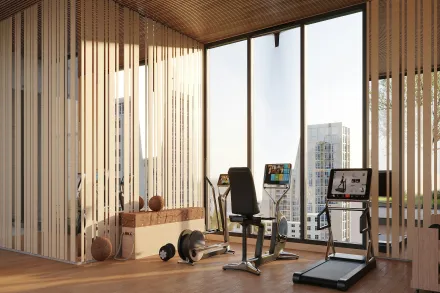
Assessing Your Goals and Space
Designing a home fitness space starts with a clear understanding of what you want to achieve and where you have available room. Begin by imagining a typical week of training and noting the activities you enjoy most, whether it is strength training, cardio, mobility work, yoga, or a combination. This mental catalog becomes the compass that guides every subsequent decision about layout, equipment, and ambiance. When you know your goals with specificity, such as increasing overall endurance or building lean muscle mass, you can tailor the space to support steady progress rather than collecting unused gear. The next step is to take stock of the actual area you have, measuring length, width, and ceiling height, and observing how light enters the room at different times of day.
Choosing a Location in Your Home
Location matters as much as the equipment you choose. A spare bedroom or basement can be ideal due to privacy and fewer distractions, but many people find that an open corner of a living area, a garage, or even a balcony with shelter can be workable with thoughtful planning. Consider proximity to water, electricity outlets for any machines or speakers, and the potential for venting heat and moisture. If you need to soundproof or dampen echoes, soft flooring materials and wall treatments can make a noticeable difference. The goal is to pick a spot that feels inviting rather than confined, where you can move freely without constantly rearranging items.
Assessing Flooring, Lighting, and Ventilation
Healthy workouts demand a surface that absorbs impact and supports stable footing. A robust flooring solution typically combines a moisture-resistant underlayment and a padded layer such as rubber mats or high-density foam to reduce joint stress and equipment vibration. Lighting plays a crucial role in mood, motivation, and safety; a mix of natural daylight and well-placed artificial lighting helps maintain energy levels and reduces eye strain during longer sessions. Ventilation is essential to keep air fresh and comfortable, especially in small spaces or during intense workouts. If the space lacks windows, consider adding a portable fan or an air purifier with a quiet mode to maintain air circulation without creating excess noise.
Designing a Layout that Works
A functional layout carries the weight of everyday practice. Start by mapping zones for warmups, resistance training, cardio, and storage, ensuring there is enough clearance around machines and free weights to move safely. Avoid overloading a single corner with heavy equipment that can trap heat or create zones that feel cramped. A thoughtful arrangement keeps frequently used items within arm’s reach while minimizing the distance you must travel during workouts. When space is limited, consider foldable equipment or compact alternatives that switch between multiple uses, such as a bench that doubles as a step or a rack that accommodates both dumbbells and resistance bands.
Equipment Essentials for Different Budgets
Budget determines the breadth and sophistication of your home gym, but even a modest setup can deliver remarkable results with the right choices. For beginners, a set of adjustable dumbbells, a sturdy bench, a resistance band kit, and a mat can cover most fundamental movements and progressions. For those with a bit more room and funds, a compact cardio machine such as a foldable treadmill, a stationary bike, or a rowing machine can dramatically expand options for aerobic training. If space and budget allow, a power rack or squat stand, a versatile cable system, and a selection of kettlebells can unlock a wide range of training modalities. The key is to prioritize equipment that serves multiple purposes, offers adjustability, and aligns with your goals rather than chasing every latest gadget.
Storage Solutions and Keeping the Space Tidy
Storage is the quiet backbone of an efficient home gym. Invest in sturdy shelves or a dedicated cabinet to keep small items organized and out of the way when not in use. Use labeled bins or clear containers to categorize bands, grips, gloves, mats, and cleaning supplies, so everything has a home. A vertical solution for heavier items, such as a wall-mounted rack or pegboard, helps free floor space and reduces clutter. Regularly rotating the layout or removing gear that is not used can preserve an open feel and maintain the sense of a dedicated training area rather than a storage closet that doubles as a gym.
Safety Considerations and Injury Prevention
Safety cannot be an afterthought in a home gym. Begin with a thorough inspection of all equipment, ensuring bolts are tight, hinges move smoothly, and cables show no signs of fraying. Use protective mats under heavy machines to dampen impact and protect the floors from damage. Clear sightlines and unobstructed pathways help prevent trips and falls, especially during complex movements. It is wise to establish a simple warming protocol that includes joint mobility, light cardio, and dynamic stretches to prepare the body for load-bearing activities. A basic first aid kit and a plan for seeking external care in case of emergencies are prudent additions to any home fitness space.
Sound Management and Privacy
Controlling noise is an important aspect of owning a home gym, particularly in multiunit housing or shared walls. Consider using sound-absorbing mats and wall panels that reduce reverberation without compromising aesthetics. If you share walls with neighbors, schedule high-intensity sessions during times when noise is less likely to disturb others, and use equipment with quieter operations whenever possible. Privacy also contributes to consistency; a space that feels personal and away from daily interruptions can improve adherence to training plans and make it easier to push through challenging workouts.
Incorporating Technology and Progress Tracking
Technology can amplify motivation and accountability in meaningful ways. A reliable smartphone, tablet, or small display with a fitness app can guide workouts, track sets and reps, monitor heart rate, and help with periodization. A wall-mounted screen or tablet stand keeps devices accessible without clutter. Bluetooth-enabled devices, such as heart rate monitors, smart jump ropes, or connected weights, provide real-time feedback that informs technique and intensity. Data from each session becomes a resource that helps you observe trends, celebrate progress, and adjust plans in response to plateaus or evolving goals.
Creating a Motivating Atmosphere
The emotional tone of a workout space matters as much as the hardware inside. Choose a color palette that energizes without overwhelming the senses, and incorporate elements that bring joy to training, from inspirational quotes in bold typography to a few personal photos that remind you of why you train. A consistent cue, such as a dedicated playlist or a timed interval routine, helps anchor sessions and creates rhythm. A well-chosen mirror can aid in checking form for certain movements, while a small plant or a natural accessory adds life and reduces the sterile feel that some rooms develop over time.
Incorporating Mobility and Recovery Areas
A well-rounded home gym includes dedicated space for mobility work and recovery. Elastic bands, foam rollers, massage balls, and a firm foam pad can fit into a corner when not in use, offering a ready-made station for daily flexibility routines. Proper recovery practice helps prevent injuries and accelerates adaptation to training stress. A comfortable temperature, soothing lighting, and a calm atmosphere contribute to a restorative environment where cooldowns are not rushed but treated with equal importance as the workout itself.
Ventilation, Humidity, and Climate Control
Maintaining a comfortable climate supports performance and equipment longevity. If the space lacks built-in climate control, consider a compact portable heater or fan, paired with a dehumidifier in humid climates to prevent mold and mildew. Regular ventilation is essential, particularly after sweating, to move stale air out and fresh air in. When equipment generates heat, a strategic layout that places cardio devices away from corners and windows can help prevent humidity pockets and improve air distribution throughout the room.
Lighting Design That Supports Focus and Safety
Lighting should illuminate the space evenly and avoid casting harsh shadows during movements. A mix of ambient, task, and accent lighting creates depth and reduces glare on mirrors or screens. Consider dimmable lights to adapt to different training phases, from bright warm-ups to steady, focused work during strength sessions. The right lighting setup can influence mood, energy levels, and the willingness to engage with challenging exercises, turning a simple room into a sanctuary for consistent practice.
Incorporating Personal Style While Maintaining Function
Your home gym is a personal project, and blending form with function leads to lasting adherence. Select equipment in colors that complement your space, choose mats and storage that reflect your taste, and personalize the environment with tasteful accessories that inspire rather than clutter. Above all, prioritize a layout that remains practical after weeks of use; aesthetics matter, but a gym that genuinely supports daily training will deliver more long-term value than a visually striking but impractical setup.
Building a Progressive Training Framework
One of the most important principles of an effective home gym is progression. Create a framework that outlines how you will advance in each category of training, whether through increasing resistance, adding repetitions, extending cardio durations, or refining technique. Set milestones that are challenging yet achievable within a realistic timeframe, and plan checks that occur at regular intervals rather than waiting for a plateau to force a change. A structured approach helps maintain momentum and reduces the likelihood of stagnation.
Involving Family Members and Shared Spaces
If the fitness space is shared with family members or roommates, establish boundaries that respect others while preserving your routine. Consider scheduling windows for workouts and designing a flexible setup that can adapt to different needs, such as converting a room for social use during off hours and returning to a focused training zone when it is time to train. Clear communication about equipment use, cleaning responsibilities, and safety rules fosters harmony and ensures the space remains inviting for everyone who uses it.
Maintenance Routines to Keep the Space Functional
Consistency in maintenance protects both people and equipment. Create a simple weekly routine that includes wiping down mats and surfaces, inspecting cables or moving parts for wear, and reorganizing items that have shifted during workouts. A monthly review of the equipment’s condition helps catch small issues before they escalate into costly repairs. A clean, well-kept space is not only safer but also more enjoyable, increasing the likelihood that you will reach your fitness targets.
Adapting the Space Across Seasons
Seasonal changes can influence how often you train at home and which activities you prioritize. In the winter, you might place more emphasis on indoor cardio or strength sessions when outdoor activity is less appealing, while warmer months may invite more mobility work or outdoor complements. Design your space with flexibility in mind, using modular storage and adaptable zones so you can reconfigure quickly according to weather, daylight hours, or shifting goals.
Case Studies and Real-Life Examples
Stories from people who redesigned their homes into effective fitness spaces illustrate how thoughtful planning yields tangible results. For instance, a compact garage that functioned as a cluttered storage area underwent a transformation by installing wall-mounted racks, a foldable treadmill, and a dedicated stretching zone. A spare bedroom became a multi-use sanctuary by combining a small bench, a few kettlebells, and a polished mat area with improved lighting and better airflow. These examples underscore that the size of the space does not limit achievement when intention, layout, and discipline align.
Common Mistakes to Avoid
Avoid the trap of overbuying equipment or choosing items that do not fit your needs. Oversized machines in a small room create bottlenecks and limit safe movement, while underestimating the importance of ventilation can lead to uncomfortable sessions. Neglecting proper flooring can result in damage to floors or unsafe footing during dynamic movements. Finally, forgetting to connect training with recovery creates an imbalance that can slow progress and increase fatigue. By anticipating these issues, you can craft a home gym that remains practical, enjoyable, and durable.
Putting It All Together: A Step-by-Step Path to Launch
Begin by clarifying your goals and measuring the chosen space in detail. Then sketch a rough layout that allocates zones for different activities while preserving open floor space. Select equipment that aligns with your goals and your budget, prioritizing multi-use items and quality mats. Install lighting, ventilation, and sound solutions designed for comfort and safety. Finally, establish a routine for maintenance, reconfiguration, and progression so your home gym grows with you rather than becoming a stagnant shell of gear.
Maintaining Long-Term Motivation Without Burnout
Motivation ebbs and flows, which is why building rituals and a sustainable plan matters more than a burst of initial enthusiasm. Create a small set of go-to workouts that you can perform in 30 minutes or less, and develop a longer-term plan that includes micro-goals to celebrate along the way. Variety within the structure helps prevent boredom, so rotate exercises and modalities periodically while keeping the core plan intact. Ensuring the space remains welcoming and easy to use supports consistency and filters into daily life with less friction.
Expanding and Evolving Your Fitness Space
As your confidence and skill grow, your home gym should adapt to accommodate more complex training demands. Consider adding more resistance options, such as an adjustable incline bench, or increasing the range of movement with a textured mat for balance work. You might also introduce a small wall-mounted mirror to refine technique or invest in a compact storage solution that keeps items organized as you accumulate new gear. The evolution should feel natural, not disruptive, enabling you to pursue higher goals with clarity and ease.
Final Reflections on Building a Home Fitness Space
Creating a home fitness space is an act of commitment to health that extends beyond the physical. It represents a daily invitation to move with intention, nourish your body, and cultivate discipline in a way that fits into modern life. By approaching the project with thoughtful planning, mindful design, and a focus on long-term adaptability, you transform a room into a living system that supports growth, resilience, and well-being. The journey is ongoing, and every small improvement compounds into meaningful results over time.