Origins and philosophy of modern powerlifting
Powerlifting is a discipline that captures a blend of measured strength, precise technique, and disciplined training that appeals to a wide range of people seeking tangible progress. At its core it focuses on three core lifts: the squat, the bench press, and the deadlift, each representing a different axis of human movement and symmetry. The appeal does not lie merely in lifting heavy objects, but in the discipline required to approach a movement with repeatable form, to assess one’s current limits honestly, and to design a plan that pushes those limits in small, controllable steps. This philosophy embraces patience, data driven adjustments, and an emphasis on long term development rather than quick, unsustainable gains. The sport of powerlifting thus stands as a practical framework that turns daily effort into observable, reproducible outcomes, and it invites practitioners to cultivate consistency as a foundational habit that can extend into other areas of life.
Physical adaptations and strength development
Engaging in powerlifting trains the body with a unique blend of neuromuscular adaptation and structural reinforcement. Repeated exposure to high loads drives the nervous system to recruit motor units more efficiently, leading to greater peak force production without a proportional increase in fatigue. Muscle fibers adapt through hypertrophy and improved fiber type efficiency, while connective tissues become more resilient under structured, progressive loading. The squat, bench, and deadlift collectively recruit muscles across the hips, knees, spine, chest, shoulders, and back, promoting balanced development and reducing the risk of overuse injuries that can accompany more unilateral training routines. Over time this programming creates a robust foundation of strength that translates into daily activities, such as carrying groceries, climbing stairs, or lifting furniture, where steadiness and control matter just as much as raw power.
Bone density, joint health, and aging
The mechanical stimulus provided by heavy resistance work stimulates bone remodeling, increasing bone mineral density and helping to offset age related bone loss. This protective effect is particularly meaningful for individuals as they move through midlife and beyond, when bone fragility becomes a practical concern. Moreover, the stress placed on joints during controlled, well patterned lifts fosters cartilage health and synovial fluid circulation, supporting joint longevity when accompanied by proper technique, adequate recovery, and balanced training volumes. The cumulative impact of consistent loading contributes not only to stronger bones but to a body that can sustain everyday tasks with less compromise, preserving mobility and independence as time advances. In this light powerlifting becomes not merely a sport, but a form of lifelong maintenance for the musculoskeletal system.
Metabolic and body composition benefits
Powerlifting training tends to increase lean mass, which in turn elevates resting metabolic rate and improves body composition. The combination of compound movements and progressive overload drives caloric expenditure and fosters a more favorable balance between muscle and fat. With increased muscle mass comes enhanced insulin sensitivity, better glucose handling, and a reduced risk profile for metabolic disorders. Alongside nutrition, consistent strength work supports a body that is capable of sustaining activity with less fatigue, enabling individuals to pursue a wider range of movements and activities with greater efficiency. The visible and invisible changes—tighter lines of muscle, improved posture, and a steadier core—contribute to a healthier metabolic baseline that supports long term health goals.
Mental flexibility, focus, and emotional resilience
Powerlifting trains the mind as much as the body. The process of learning technique, overcoming plateaus, and managing fatigue during heavy sets cultivates intense focus, perseverance, and a calm approach to problem solving. Athletes learn to break complex lifts into digestible components, to set realistic sub goals, and to recalibrate expectations after suboptimal attempts. The psychological benefits extend beyond performance metrics; the regular practice of showing up, recording progress, and refining form creates a sense of mastery and control, which can translate into better mood regulation, reduced anxiety, and increased self efficacy in other life domains. In settings where stress accumulates, the act of completing a demanding training session can serve as a reliable anchor for personal balance and wellbeing.
Injury prevention and resilience through movement quality
Contrary to common fear, properly programmed powerlifting emphasizes injury prevention through movement quality, progressive loading, and adequate recovery. When lifters learn to brace the core, maintain neutral spine alignment, and execute controlled eccentric and concentric phases, they develop a body that can tolerate substantial loads without compromising integrity. The long term training habit can also improve mobility and joint stability around key joints such as the hips, thoracic spine, and scapulothoracic complex. This approach supports resilience in daily life and in other athletic endeavors, because the body learns to adapt to load in a controlled fashion rather than attempting to force improvement through reckless repetition. With input from qualified coaches, athletes can tailor volumes, intensities, and exercise selections to minimize risk while maximizing adaptation.
Accessibility, inclusivity, and lifelong engagement
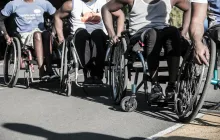
One of the distinguishing strengths of powerlifting is its adaptability to a wide range of ages, body types, and experience levels. Beginners can start with light loads and focus on technique, while more experienced lifters can pursue complex periodization schemes and peak strategies. Adaptive equipment, such as customized barbells, lifting shoes, and supportive equipment, makes it possible for individuals with varying anthropometrics or limitations to participate meaningfully. The culture of the sport tends to emphasize personal progress rather than comparison against others, which helps cultivate an inclusive atmosphere where people celebrate small wins and learning milestones. By removing the emphasis on appearance and shifting it toward measurable strength and technique, powerlifting invites ongoing participation across the lifespan and across diverse communities.
Training philosophy and programming principles
Effective powerlifting programs hinge on consistent application of core principles rather than chasing fads. Central to this approach is progressive overload: gradually increasing training demands to drive adaptation, while respecting recovery. A well designed plan balances volume, intensity, and frequency, with attention to variations like tempo work, accessory movements, and deliberate deload periods. The nuts and bolts of programming are not secret recipes but careful adjustments informed by feedback from performance, fatigue, sleep, and mood. A thoughtful coach will help a lifter identify realistic long term goals, monitor technique, and structure cycles that move from learning form to refining efficiency to peaking for performance. The ultimate aim is to cultivate sustainable routines that align with personal circumstances and lifestyle, ensuring that strength progress remains durable and enjoyable over many years.
Nutrition, recovery, and sleep as performance amplifiers
Strong nutrition supports training quality, recovery, and body composition goals. Adequate protein intake helps repair muscle tissue, while carbohydrates supply the energy necessary for high intensity sessions. Fats provide essential hormonal support and overall energy balance. Beyond macros, timing meals around training sessions can enhance performance and recovery, while micronutrients contribute to bone health and immune function. Recovery strategies such as sleep, relaxation, and periodic deloads are not optional extras but essential components of a sustainable plan. Sleep acts as a powerful performance multiplier, enabling cognitive sharpness, reaction time, and better motor learning. In practice, consistent sleep patterns, moderate caffeine use, and attention to stress management can dramatically improve how a lifter feels, how they perform, and how resilient they are to training demands.
Nutrition, muscle synthesis, and body awareness
As lifters accumulate volume and intensity, body awareness becomes a valuable tool. They learn to interpret hunger cues, satiety signals, and energy fluctuations as feedback about fueling strategies. Some athletes explore nutrient timing to align with training sessions, while others prioritize total daily intake and protein distribution across meals. The key is to avoid extreme dieting that undermines recovery and performance. Instead, the approach emphasizes consistency, variety, and maintenance of energy balance over time. When nutrition supports training, lifters experience more stable energy, improved mood, and the capacity to sustain hard sessions without a sense of deprivation that erodes long term adherence. This balanced perspective helps keep the sport accessible to people with differing dietary needs and lifestyles.
Technique, safety, and equipment considerations
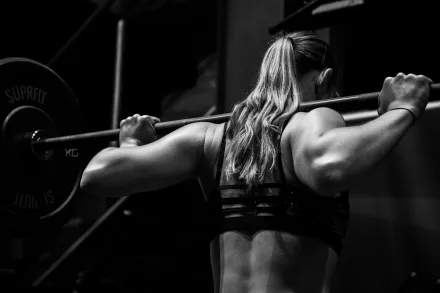
Technique underpins everything in powerlifting. Mastery of bracing, hip drive, scapular positioning, and bar path influences not only how much weight can be lifted but how safely it can be done. A well taught technique reduces the likelihood of injury and improves consistency across attempts. Equipment choices—from shoes and belts to benches and monolifts—play a supporting role by enabling stable mechanics and facilitating proper technique. It is essential to work with qualified coaches who can assess form, provide objective feedback, and tailor equipment to fit the lifter’s body and goals. The safety ethos in powerlifting, from meticulous warmups to conservative progression schemes, ensures that the athlete can pursue higher loads with confidence and a reduced risk of acute injuries or chronic wear that could derail training for extended periods.
Social fabric, mentorship, and community support
Beyond the physical aspects, powerlifting forms a rich community that offers mentorship, camaraderie, and accountability. Group training environments create a sense of belonging where lifters encourage each other, share knowledge, and celebrate incremental improvements. The mentor relationships developed in gym settings often translate into social support networks that reinforce healthy habits, punctuality, and a shared commitment to growth. Competitions provide milestones and external feedback, while local club events foster a sense of purpose and belonging. For many, the social dimension is as enduring a benefit as any physiological adaptation, helping people stay motivated, navigate setbacks, and persist with training in the long run.
Common myths and misconceptions about powerlifting
Several widely held myths obscure the reality of what powerlifting can offer. Some people mistakenly believe that heavy lifting inevitably makes someone bulky or inflexible; in truth, skillful programming and attention to mobility can produce a harmonized, functional physique. Others assume that powerlifting is a male dominated domain or that it requires lifting extreme weights to see benefits; in practice the sport accommodates a wide spectrum of strength levels and body types, with appropriate scaling and technique coaching. Misconceptions about safety often arise from seeing extreme lifts in media coverage, whereas diligent coaching and gradual progression reveal how accessible and safe the sport can be for beginners and seasoned athletes alike. By confronting these myths with evidence, lifters can approach training with clarity and curiosity instead of fear or skepticism.
Practical pathways for beginners and long term engagement
Getting started in powerlifting typically involves finding a supportive gym culture, engaging with a qualified coach, and establishing a baseline assessment that respects current capabilities. A beginner often starts with lighter loads focusing on technique, mobility, and consistent training frequency. As confidence and proficiency grow, training can gradually incorporate more volume and higher intensities, guided by a simple but effective progression framework. The long term strategy emphasizes habit formation, sustainability, and gradual mastery of both the technical and emotional aspects of training. In this sense, powerlifting offers a structured journey that rewards patience, discipline, and precise self observation, enabling a participant to build a personalized path toward strength that can be sustained across changing life circumstances.
In the broad arc of athletic development and personal growth, the benefits of powerlifting extend well beyond the visible numbers on a barbell. The practice fosters a disciplined mindset, a resilient body, and a community that supports lifelong learning. When approached with care, curiosity, and humility, powerlifting becomes a vehicle for improving health, expanding capabilities, and enriching daily life in ways that accumulate over years. The ongoing work—the careful tuning of technique, the patient accumulation of volume, and the steady refinement of habits—creates a durable platform from which individuals can pursue not only greater strength but a sense of capability that permeates everything they do. This is not merely a sport; it is a comprehensive approach to cultivating physical literacy, emotional equilibrium, and a practical sense of empowerment that endures across seasons, ages, and circumstances.