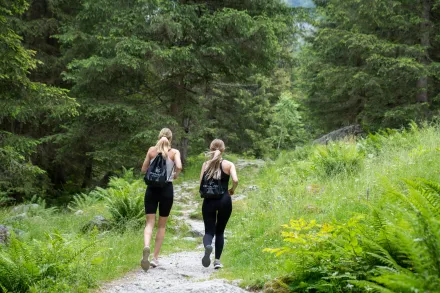
Hiking is a versatile activity that blends physical exertion with the restorative calm of the outdoors. For many people, it provides a gateway into regular movement that doesn't feel like a chore. The motion of walking on uneven terrain, the varied pace, and the changing scenery combine to stimulate the body in ways that gym workouts sometimes fail to achieve. Beyond the obvious improvement in endurance, hiking fosters a holistic sense of wellness that touches every aspect of health, from energy levels to mood, from sleep quality to immune resilience. This article explores how hiking supports fitness and wellness, why it works so well for many populations, and how to incorporate it into a sustainable lifestyle without sacrificing enjoyment or safety.
Historical context and the appeal of hiking
Humans have moved through landscapes for millennia, seeking nourishment, shelter, and connection with the world around them. The tradition of trekking through hills, forests, and rugged terrain has always carried practical value, yet in modern times it has also become a source of personal renewal. Trails, footpaths, and protected parks opened the door for everyday people to experience nature on foot, transforming hiking from a specialized pursuit into a widely accessible form of recreation and fitness. The appeal lies not only in the physical challenge but in the invitation to observe scenery, hear birds, feel air on the skin, and notice subtle changes in terrain underfoot. When people walk with curiosity, their bodies respond with strength, balance, and a sense of ease that reverberates into other areas of life, including work, relationships, and daily routines.
Physical fitness improvements through hiking
The most direct benefit of hiking is the cardiovascular improvement that accompanies sustained walking, especially when hills and uneven surfaces require greater effort. Regular hiking strengthens the heart and lungs, increases stroke volume, and enhances the efficiency of the respiratory system, which often translates into better stamina during everyday activities and other forms of exercise. The rhythm of walking, combined with occasional bursts of ascent, trains both aerobic and anaerobic pathways, supporting a robust felt sense of energy after meals and during sedentary periods. The multi mile, variable pace nature of hiking also improves metabolic flexibility, helping the body switch between fuel sources as intensity changes and as fatigue accumulates at the end of a day or week of activity.
Beyond endurance, hiking engages the musculoskeletal system in a way that builds functional strength. The legs, hips, glutes, and core stabilize the body on uneven ground, while the act of lifting the foot to clear rocks or roots recruits stabilizer muscles that are often underused in flat-surface walking. Over time, this leads to better posture, more stable gait, and reduced risk of common injuries that stem from weak hip abductors or ankle stabilizers. The load carried on a backpack can further tax the upper back, shoulders, and core in a controlled manner, promoting muscular endurance that directly translates to everyday tasks such as carrying groceries, moving furniture, or playing with children. For many, the progressive nature of a hiking plan—starting with gentle trails and gradually increasing distance, elevation gain, or carrying weight—provides a clear path to measurable improvement and ongoing motivation.
The impact on body composition is another compelling aspect of hiking. Consistent walking, especially when combined with longer routes or steeper grades, can support gradual fat loss or improved body composition while preserving lean mass. The activity tends to be practical and sustainable, which means it is easier to maintain over months and years than more disruptive exercise programs. In addition, hikers often gain improvements in mobility and joint comfort as cartilage and connective tissues adapt to the increased movement across a range of surfaces. The cumulative effect of modest, regular exertion is meaningful: increased caloric expenditure, improved insulin sensitivity, and a greater sense of control over weight and health goals, all of which contribute to a more energetic day-to-day living experience.
Mental health and emotional balance through nature walks
The mental health benefits of hiking arise from a combination of physical exertion and the restorative properties of natural environments. Exercise itself triggers the release of endorphins, endocannabinoids, and other neuromodulators that elevate mood and reduce sensations of pain or fatigue. Hiking amplifies these effects by providing a setting in which sensory input is varied and engaging, which can diffuse rumination and promote a more adaptive emotional state. People often report feeling calmer, more present, and better able to cope with stress after a hike, even when the exertion was moderate. The pleasant cadence of walking outdoors can improve sleep quality, which in turn enhances daytime mood, cognitive functioning, and resilience to stressors. The combination of physical activity and nature exposure has a synergy that makes hiking especially effective for mood regulation and for supporting mental clarity.
Reach and duration of hiking sessions matter for mental health outcomes. Short, frequent strolls in a green space can yield noticeable mood improvements and reductions in anxiety. Longer hikes, particularly those that involve solitude or quiet observation, may deepen the sense of well-being and lead to more lasting shifts in perspective. The experience of accomplishment—checking off a trail, reaching a viewpoint, or navigating a map with growing confidence—also contributes to a favorable self-image and a stronger sense of agency. Even for individuals who rarely exercised, the simple act of stepping outdoors and maintaining a steady pace can start a positive feedback loop: improved mood fuels consistency, and consistency promotes mastery, which reinforces the motivation to continue hiking as part of a wellness lifestyle.
Sunlight, vitamin D, and immune function
Exposure to sunlight during daytime hiking supports the body's production of vitamin D, a nutrient that plays a crucial role in bone health, immune function, and mood regulation. When hikers spend time outdoors with skin exposed to sunlight, the skin synthesizes vitamin D, helping to maintain calcium balance and support the growth and maintenance of healthy bones. While excessive sun exposure carries risks, mindful time in the sun on a few regular days can contribute to better vitamin D status, particularly in seasons or regions where daylight is limited. The activity of walking also promotes circulation and lymphatic flow, which can support immune function and help the body adapt to seasonal challenges. Furthermore, being outdoors may reduce the incidence of inflammatory markers linked to stress and sedentary behavior, creating a favorable milieu for overall health and resilience.
Social connections and community through shared trails
Hiking often becomes a social activity, whether done with family, friends, or organized groups. Shared experiences on the trail foster camaraderie, accountability, and mutual encouragement, making it easier to maintain a regular routine. The social dimension of hiking can provide a sense of belonging that reinforces healthy choices, from planning weekend trips to preparing nutritious meals for a long day outdoors. Group hikes also introduce variety in pace and terrain, which can challenge participants in a supportive environment and reduce the monotony that sometimes accompanies solitary workouts. For many, the social aspect of hiking extends beyond the trail, translating into a broader sense of community and a more connected lifestyle that benefits mental health and motivation to stay active over time.
Getting started safely: a thoughtful approach
Starting a hiking habit requires attention to safety, planning, and incremental progression to avoid injury and disappointment. A thoughtful approach begins with an honest assessment of current fitness and experience, followed by the selection of appropriate trails that match abilities. Beginners should start with shorter routes on gentle terrain, ensuring proper footwear, layered clothing, hydration, and basic navigation tools are ready before departure. As confidence grows, the pace can be adjusted to maintain conversational breathing rather than gasping for air, and elevation gains can be increased gradually to build strength in the legs and core without provoking excessive fatigue. Hydration is essential, and it is wise to carry water and a small snack for longer excursions. The habit of checking weather conditions, trail maps, and local safety advisories helps reduce the likelihood of surprises and enhances overall enjoyment. Over time, hikers learn to listen to their bodies, recognizing signs of overexertion, and to adapt routes or breaks to sustain health and motivation.
A critical safety consideration involves recognizing environmental risks and respecting wildlife and fragile ecosystems. Proper footwear with good traction reduces the risk of slips on wet rocks or loose soil, while trekking poles can improve balance on steep or uneven sections. Layering clothing protects against temperature fluctuations and wind while also allowing for quick adjustment as exertion changes heat production. Carrying a compact first aid kit, a whistle for signaling in emergencies, and a lightweight emergency blanket can reassure hikers on longer or more remote journeys. Ultimately, safety is less about fear and more about preparation, mindfulness, and clear expectations, which together enable hikers to enjoy extended and more challenging explorations with confidence.
Gear, preparation, and the role of footwear
A thoughtful gear selection can transform the hiking experience from barely tolerable to genuinely enjoyable. The choice of footwear is one of the most influential decisions in comfort and safety. A well-fitted trail shoe or boot with appropriate tread for the terrain provides support, reduces fatigue, and helps prevent blisters. Socks should wick moisture and offer cushioning in key pressure zones, and insoles can be used to address arch support needs for different foot shapes. Layered clothing that manages moisture and allows for temperature regulation makes it possible to hike in a wider range of weather conditions without becoming overheated or chilled. A light backpack with essentials such as hydration, a compact snack, a map or GPS device, a small knife or multi-tool, and a windbreaker ensures preparedness for common contingencies. The goal of gear is to enable a smooth, uninterrupted experience so that the body can benefit from sustained activity rather than be distracted by discomfort or wet clothes. The quality of the trail experience often rises in direct proportion to how prepared and comfortable a hiker feels, which reinforces the habit formation that is central to long-term wellness.
Hiking as a lifestyle habit: routines that stick
When hiking becomes part of a weekly rhythm, it integrates naturally with other healthy behaviors. Consistency is a powerful driver of fitness gains, and even modest increases in weekly volume can yield meaningful improvements over months. A sustainable hiking routine often includes a mix of shorter, more frequent trips and longer, exploratory outings that emphasize variety in scenery and terrain. Integrating hiking with social plans or family activities can reinforce adherence, turning the practice into a shared value rather than a solitary obligation. It can also be combined with other fitness modalities, such as light strength training on non-hiking days or mobility work before and after trails to optimize recovery and reduce stiffness. The key is to maintain flexibility while keeping a clear sense of purpose, allowing progress to occur gradually without sacrificing enjoyment or safety.
Special populations and progressive adaptation
Hiking is adaptable to a wide range of ages and abilities when approached with care and a gradual progression. For older adults, shorter routes with smoother terrain can offer significant benefits in balance, strength, and cognitive health, while reducing the risk of joint pain or overexertion. For people dealing with chronic conditions or recent injuries, consulting with a healthcare professional and starting with conservative goals can lead to meaningful improvements in function and mood without exacerbating symptoms. Children and adolescents benefit from the physical activity and exposure to nature, which supports healthy growth, curiosity, and a positive attitude toward movement. In all cases, the emphasis should be on sustainable progress, listening to the body, and adjusting pace, distance, or elevation to match current capacity. As people gain experience, their confidence grows, enabling them to pursue more challenging trails safely and with increasing enjoyment.
Environmental awareness and mindfulness in nature
Beyond personal health, hiking invites a deeper connection with the environment. Mindful walking encourages attention to breath, foot placement, and the textures of trails while inviting a sense of wonder about the natural world. This heightened awareness can cultivate a responsible mindset toward conservation, wildlife, and the preservation of natural spaces for future generations. The practice of leaving no trace, sticking to marked paths, and respecting seasonal closures supports ecological health and ensures that trails remain accessible and enjoyable. The combination of physical exertion, mental stillness, and conservation-minded behavior creates a virtuous circle: taking care of ourselves through activity while nurturing the landscapes that enable that activity fosters a balanced relationship with the planet and a sense of purpose that extends beyond personal fitness.
As the body adapts to regular hiking, life acquires a different texture. Breath comes more easily, sleep deepens, and mornings begin with a readiness that carries into work, study, and caregiving responsibilities. The gradual gain in fitness translates into a broader sense of capability that touches all domains, from the stamina needed to chase after a busy toddler to the endurance required for a long hike with friends or family. The habits formed on the trail often spill over into other areas of life, encouraging better nutrition, more consistent routines, improved time management, and a greater willingness to tackle new challenges. In this way, hiking becomes more than an activity; it becomes a framework for continual growth, a training ground for resilience, and a source of enduring satisfaction that stems from moving, learning, and connecting with both human and natural communities.
The journey of hiking toward greater fitness and wellness is not measured only by miles covered or elevation gained. It is also defined by the quality of experience—the sense of freedom on a broad overlook, the quiet satisfaction of a trail well navigated, and the shared laughter of companions who braved a weather moment together. Each hike plants seeds of health that grow over time, reinforcing a lifestyle where movement is a natural part of daily living, where the mind finds rest in the rhythm of footsteps, and where the body benefits from steady, progressive, and enjoyable engagement with the world outside. This is the quiet strength of hiking: a simple practice that yields a comprehensive, lasting sense of vitality that enriches every day and supports a flourishing sense of wellness that extends beyond the trailhead.