Nail health often reflects overall wellness, and paying attention to your fingertips can reveal much about your daily habits, nutrition, and skin care routine. Strong, well cared for nails not only look better but also resist damage from everyday activities. In this article we will explore a comprehensive approach to nail care that covers hygiene, trimming methods, moisture management, product choices, and lifestyle factors. By embracing these practices, you can reduce breakage, prevent infections, and keep nails resilient through changing seasons and busy schedules. The goal is to create a gentle, sustainable routine that respects the natural structure of nails while addressing common concerns such as brittleness, dryness, and infections. As you read, you may notice overlaps between nail care and skin care, since the cuticle and surrounding skin play essential roles in nail integrity. The ideas presented here are designed to be practical for home routines while remaining adaptable to different nail types, whether you have thin, thick, curved, or flat nails, and whether you prefer bare nails or light, healthy polishing. This holistic approach emphasizes consistency, mindful product choices, and protective habits that contribute to lasting nail vitality.
Foundational Nail Hygiene
Foundational hygiene sets the stage for nail health. Keeping hands and nails clean helps prevent the buildup of dirt and microbes that can contribute to infections. When you wash your hands, pay attention to the spaces beneath the nails and around the cuticles, using a soft brush if needed and drying thoroughly afterwards. Prolonged moisture under the nail bed can soft en tissues in ways that make nails more susceptible to bending and splitting, so after washing or bathing, gently pat the hands dry and allow air to reach the nails for a moment before applying any moisturizer. Avoid digging under the nails with sharp objects, which can create micro-scratches that become entry points for bacteria or fungi. Instead, use a soft, well-fitted nail brush or a gentle tissue to remove debris if necessary. Routine hygiene is not about perfection but about establishing a steady baseline that reduces irritants and keeps the nail plate intact for daily activities.
Proper Trimming and Shaping
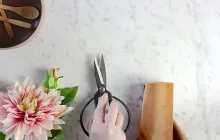
Trimming and shaping nails correctly can prevent many common problems such as snags, splits, and painful ingrown edges. When shaping, it is often best to trim straight across and avoid overly rounded corners, which tend to curve into the surrounding skin. Use a high-quality nail clipper or scissors designed for nails, followed by a smooth nail file to refine edges. File in one direction rather than back and forth, and avoid aggressive filing that can thin the nail plate or create microfractures. It is also helpful to monitor nail length with your day-to-day activities; shorter nails are less prone to breakage during tasks that involve gripping or tapping. If you notice ridges or weakness along the free edge, a gentle filing routine and consistent care can gradually improve the surface, though persistent changes should be discussed with a professional to rule out underlying conditions. Keeping nails at a comfortable length that suits your lifestyle can significantly reduce trauma and support ongoing nail resilience.
Moisture and Nourishment
Moisture and nourishment are central to nail pliability and strength. The nail plate itself is relatively dry by nature, so applying emollients to the surrounding skin and cuticles helps seal in moisture and reduces cracking at the edges. Consider using a light, non-greasy oil or cream around the nails daily, especially after washing hands or exposure to cold air, wind, or dry indoor heating. Oils such as jojoba, almond, or coconut can be effective when applied gently to the cuticles and surrounding skin; be mindful not to saturate the nail plate to avoid a slippery surface that may attract dirt in some contexts. Balanced hydration from within also supports nail health. Ensure adequate water intake, and pair dietary choices with nutrient-rich foods to supply the building blocks necessary for nail growth and maintenance. If you notice persistent dryness or peeling, a dermatologist can offer guidance on products that restore moisture without causing irritation.
Gentle Care with Tools and Products
The tools you choose and the products you apply can either protect or compromise nail health. Favor non-acetone or mild removers when removing polish to minimize solvent exposure, and give your nails a break from polish every so often to allow the natural nails to breathe and recover. When using a nail buffer or file, select those with a fine grit to avoid excessive thinning and repeated friction that can weaken the plate. Keep all manicure tools clean and dry between uses to prevent bacterial growth and to reduce the risk of infections if you have small cuts or broken skin around the nails. When selecting products, look for formulations free from harsh solvents, strong fragrances, and irritants that can provoke dermatitis around the nail folds. A protective base coat can guard the nail against staining and improve adhesion of color products without requiring repeated aggressive filing. Using gentle, well-formulated products supports long-term nail integrity rather than providing a quick cosmetic fix that may cause cumulative damage.
Protection During Everyday Activities
Daily activities, including household chores and professional tasks, expose nails to stress and substances that can dry or irritate the nail bed. Wearing gloves during dishwashing, cleaning with detergents, or exposure to harsh chemicals helps preserve the moisture balance of the nails and reduces direct contact with irritating agents. If you frequently immerse your hands in water, dry them thoroughly afterwards and apply a protective barrier that suits your skin type. For people who use their hands as tools for work or hobbies, consider keeping nails moderately short and smooth to prevent accidental snags. Regular breaks from manicures allow the natural nail to recover, while a well-ventilated space when applying products minimizes inhalation of fumes. Protective habits extend beyond aesthetics and contribute to sustained nail health under various environmental conditions and workloads.
Diet and Supplements
Nail health does not hinge on a single nutrient, but rather on a well-rounded diet that provides the building blocks for keratin, the primary protein in nails. Ensure adequate protein intake from sources such as lean meats, fish, eggs, legumes, and dairy, as proteins supply amino acids essential for nail growth and repair. A balanced intake of vitamins and minerals supports multiple physiological processes that influence nail quality; B vitamins, vitamin C, vitamin E, zinc, iron, and biotin have been discussed in relation to nail health, though responses can vary among individuals. Hydration plays a part as well, because dry nails are more prone to cracking. Before considering supplements like biotin or zinc in megadoses, consult a healthcare professional, as excessive intake can cause unintended effects or interact with medications. In addition to nutrients, lifestyle choices such as regular sleep and stress management help support systemic health, which in turn contributes to the resilience of nails over time. By coupling nutritious foods with mindful hydration and medical guidance when necessary, you create a foundation that supports strong, healthy nails day after day.
Avoiding Harmful Habits
Many people habitually bite, pick, or use nails as makeshift tools, which directly damages the nail plate and surrounding skin. These behaviors can create microtrauma, introduce bacteria, and weaken the edge that protects the nail bed. Breaking such habits takes persistent awareness and substitution strategies. When a craving to bite arises, try occupying the hands with a small object such as a stress ball or a fidget tool, and keep nails neatly trimmed to reduce the perception of temptation. If you tend to chew the cuticles, gently massage cuticles with a nourishing oil instead, which can satisfy the urge to manipulate the skin without causing damage. Establishing a calm nighttime routine that minimizes nail handling and avoiding nail cosmetics that irritate the surrounding skin can also support long-term improvements. Over time, these changes reduce the likelihood of painful splits and infections, and they enable nails to grow in a healthier pattern.
Recognizing Nail Problems
Understanding common nail problems helps you catch issues early and seek appropriate care. Discoloration such as yellowing or dark spots may indicate fungal infections, psoriasis, or trauma, while ridges running across the nail can signal nutritional deficiencies or systemic conditions. Thickened nails that become crumbly at the edges may point to fungal infections or inflammatory skin diseases, and peeling or splitting can result from dryness, overexposure to chemicals, or mechanical trauma. If you notice persistent changes in color, shape, thickness, or texture, particularly if accompanied by pain, swelling, or pus, seek professional guidance. A dermatologist or podiatrist can diagnose nail infections with exams or cultures and recommend targeted treatments, while reminding you about the role of foot care and hand hygiene in preventing contamination. Regular self-checks paired with prompt medical attention when alarming signs appear can preserve nail health and prevent complications from evolving unnoticed.
Choosing Safe Nail Products
To support ongoing nail health, choose products with cleaner, milder formulations and minimal risk of allergic reactions. Look for nail polishes and removers that are labeled as non-toxic or hypoallergenic, and avoid products with harsh solvents and strong fragrances that can irritate the skin around the nails. It can be helpful to select a gentle remover that lacks acetone or uses a mild alternative, and to patch-test any new product on a small area of skin before applying it to nails. When possible, opt for scent-free or naturally scented products to reduce potential irritants. A sturdy base coat can protect the nail from staining while offering a smoother surface for polish, and a top coat adds a protective seal that helps reduce chipping and abrasion. Remember that even the best products should be used in moderation, with regular breaks to allow the natural nails to recover from cosmetic treatments. The goal is to enjoy cosmetics if you choose them, without compromising the structural integrity of the nail plate or sensitizing the surrounding skin.
Seasonal Nail Care
Seasonal changes exert different stresses on nails, making seasonal adjustments a practical part of nail care. In cold, dry months, the air tends to pull moisture from the skin and nails, increasing the likelihood of cracks and brittleness; this is an ideal time to increase the frequency of moisture applications and consider richer creams around the cuticles. In warm, humid months, nails can tolerate more air exposure, but frequent water exposure can still weaken them, so continuous protection with a light barrier ointment or oil can be useful. Sun exposure and heat can affect nail beds and surrounding skin, so shielding hands with breathable gloves during outdoor work or sun exposure helps maintain health. If you participate in water-intensive activities, a quick-drying, protective layer after washing can prevent dehydration, while staying mindful of product sensitivity during seasonal transitions ensures nails remain strong across the year.
Professional Care and When to See a Specialist
Regular professional care can complement home routines, especially for nails that show persistent changes or discomfort. A nail technician trained in proper technique can assess nail health, provide safe trimming, and offer guidance on non-invasive care strategies. However, when there are symptoms such as persistent thickening, severe cracking, discoloration that does not improve with basic care, or pain around the nail bed, it is important to consult a dermatologist or a podiatrist. Individuals with diabetes or circulatory problems must be particularly vigilant because infections can progress more quickly in these populations. Documenting changes with photographs over time can help clinicians monitor progression and response to treatment, and sharing information about any new products, medications, or health conditions can support accurate diagnosis and effective care. By combining professional insight with consistent at-home routines, you can maintain nails that look healthy and perform well in daily life.
In pursuing nail health, remember that patience and consistency are essential. Nails grow slowly, and the benefits of a gentle, well-rounded routine may take weeks or months to become fully evident. Embrace a practice that respects your nails’ natural structure, shields them from unnecessary trauma, and aligns with your overall wellness approach. With deliberate care, your nails can become more resilient, less prone to damage, and a subtle reflection of a balanced lifestyle. The path toward healthier nails is not about dramatic changes but about steady commitment to habits that protect, hydrate, and nourish the visible extensions of your body.