Pores are a natural feature of the skin that perform essential functions, yet their appearance can be a source of concern for many people seeking a smoother, more refined complexion. The goal of pore minimization is not to erase pores or promises of perfection, but to reduce their visibility through thoughtful routines, gentle care, and smart product choices. Achieving this balance involves understanding the biology of pores, the role of oil production, hydration, and elasticity, and how environmental factors interact with skin. When pores look less noticeable, the skin often appears more even, refined, and radiant, which can contribute to a sense of confidence in daily interactions and in front of the mirror. A steady, patient approach is more effective than quick fixes, and it should be tailored to individual skin type, climate, and lifestyle while avoiding harsh methods that can trigger irritation or breakouts. By embracing a holistic strategy that combines cleansing, exfoliation, targeted actives, sun protection, and mindful lifestyle choices, it is possible to improve the overall texture and tone of the skin, creating an impression of minimized pores without compromising skin health or comfort.
Understanding Pores and Their Purpose
Pores are tiny openings on the surface of the skin that serve as exits for hair follicles, sebaceous glands, and sweat ducts. They are distributed across the face and body, with a higher concentration in areas where oil production is more active, such as the nose, chin, and forehead. The size of a pore is largely determined by genetic factors, which influence how the pore has formed over time and how the surrounding skin supports its structure. When the skin is healthy and well hydrated, the surrounding collagen and elastin fibers help keep pores looking smaller and more uniform. Conversely, when the skin becomes congested with excess oil, dead skin cells, and debris, the pore openings can stretch and appear more pronounced, particularly under certain lighting conditions or after exposure to humidity and heat. The appearance of enlarged pores is also affected by skin texture, acne, and the presence of comedones, which can give the surface a rougher look and exaggerate the perception of pore size. In addition, environmental factors such as sun exposure, pollution, and smoking can gradually alter skin elasticity, contributing to pores that look more noticeable over time. This understanding emphasizes that pore size is not easily altered by a single treatment, but can be managed through ongoing care that supports skin health and texture while minimizing factors that make pores more visible.
Daily Cleansing for Clear Pores
A well designed cleansing routine is foundational to pore care because it helps prevent the buildup of oil, dead skin cells, and environmental dirt that can accumulate in pores and make them appear larger. The emphasis is on balance rather than aggression, so cleansing should be gentle, appropriate to skin type, and performed with lukewarm water rather than hot temperatures that can strip the skin of its natural oils. A mild cleanser formulated with a clean, non irritating surfactant can remove surface impurities without disturbing the skin barrier. For those with oily or combination skin, a cleanser containing a mild salicylic acid component can aid in keeping pores clear by gently exfoliating inside the pore where clogging begins, yet it should be used without overdoing it to avoid dryness or irritation. The frequency of cleansing matters as well; cleansing twice daily is common, but if the skin feels tight or sensitive, reducing to once a day while ensuring the evening cleanse still removes makeup and debris can be more suitable. It is also beneficial to avoid cleansers with heavy fragrance or harsh drying agents, because these can disrupt the barrier and provoke rebound oiliness that may paradoxically enlarge the appearance of pores. Hydration remains essential after cleansing, and applying a suitable moisturizer helps lock in moisture, support barrier function, and create a smooth canvas for subsequent products. A clean, well maintained surface helps other steps perform more effectively and reduces the risk of pore visibility due to surface buildup.
Exfoliation: Resurfacing the Surface
Exfoliation is a pivotal practice in pore management because it facilitates the shedding of dull, congested skin cells that can accumulate along the rim of pores and magnify their appearance. There are two broad approaches: chemical exfoliation, which uses acids, and physical exfoliation, which uses mechanical scrubs or brushes. Chemical exfoliants such as alpha hydroxy acids gently dissolve the bonds between surface cells, promoting a brighter, more uniform texture while allowing other actives to penetrate more evenly. Beta hydroxy acids, including salicylic acid, are useful for penetrating oily skin and pore walls to help clear clogged follicles and reduce the tendency for breakouts that can stretch pores over time. Physical exfoliation can provide immediate tactile smoothness but must be used with care to prevent microtears and irritation; if chosen, it should be very gentle, with small, fine particles and a light touch. The frequency of exfoliation should be individualized; sensitive skin benefits from less frequent use, whereas oilier complexions may tolerate regular but measured exfoliation. It is important to avoid aggressive scrubbing or using multiple exfoliants simultaneously, as this can disrupt the barrier and worsen pore visibility. By combining chemical exfoliation with a consistent but moderate schedule, skin texture improves, dead skin cells are removed, and the interior of the pores remains clearer, which in turn makes pores look smaller and less prominent under natural light and photography.
Targeted Treatments That Help Minimize Appearance
Addressing pore visibility often involves incorporating targeted active ingredients that support the skin’s structure and function. Niacinamide, also known as vitamin B3, is a versatile option that strengthens the skin barrier, helps regulate oil production, and can reduce the appearance of pores by improving the texture of the surrounding epidermis. Retinoids, including over the counter retinol and higher strength formulations, promote cell turnover and collagen production, contributing to a smoothing effect on the skin and a reduction in pore visibility over time. It is important to introduce retinoids gradually and with sun protection because they can increase photosensitivity, and individuals with sensitive or reactive skin should start at a lower frequency to gauge tolerance. Other supportive ingredients include non comedogenic moisturizers that provide hydration without clogging pores, and humectants such as hyaluronic acid that attract moisture to the skin surface, helping the skin maintain a plump, youthful appearance. When considering clay or charcoal based products, these can temporarily draw out surface oil and impurities, which may subtly diminish the look of pores for a period after use, but they should be integrated carefully to avoid excessive dryness and to preserve skin balance. It is useful to choose formulations that are free from heavy oils, artificial fragrances, and irritants, especially for those with reactive or sensitive skin. The synergy between gentle cleansing, exfoliation, and careful use of actives often yields the most consistent improvement in the perception of pore size while maintaining overall skin health and resilience.
Masking and Pore-Specific Treatments
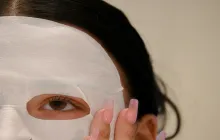
Masking can be an effective complement to daily routines by delivering targeted effects in a relatively short period. Clay masks can absorb excess oil and reduce shine, helping to temporarily tighten the surface and reduce the reflective quality that can exaggerate pores. Charcoal masks also offer oil absorbing properties and can contribute to a smoother complexion, though overuse may lead to dryness, so moderation is key. It is beneficial to use masks after cleansing and exfoliation when the skin is more receptive to absorbing active ingredients. The temporary tightening effect that masks can provide should not be mistaken for a permanent reduction in pore size, and the sensation often passes as the skin rehydrates and returns to its normal state. To maximize benefits, masks should be followed by a soothing, hydrating moisturizer and sunscreen during the day. Those who have sensitive or reactive skin should patch test new masking formulas and begin with shorter application times to minimize irritation. Consistency matters with masking, but it should be integrated into a well balanced regimen rather than treated as a stand alone solution. A well planned masking routine can enhance pore appearance, improve texture, and contribute to the sense of a more uniform complexion over time when combined with a solid cleansing and moisture strategy.
Sun Protection and Its Role in Pore Appearance
Sun exposure exerts a profound influence on skin elasticity and texture, which indirectly affects how visible pores appear. Ultraviolet radiation erodes collagen and elastin fibers, gradually loosening the supporting matrix around pores and making them seem larger as the skin sags and thickens in certain areas. Regular, broad spectrum sunscreen shields the skin from UVA and UVB rays, helping preserve skin firmness and minimize the risk of accelerated aging that can worsen pore visibility. Opting for non comedogenic sunscreens reduces the chance of pore clogging and breakouts that can stretch these openings over time. In addition to applying sunscreen daily, protective measures such as hats, sunglasses, and physical barriers can limit sun damage. Sunscreens do not need to be heavy or greasy to be effective; modern formulations come in light, breathable textures that pair well with makeup and daily skincare. When selecting sunscreen, consider the finish and compatibility with other products in the routine to ensure a stable, comfortable layer that supports the goal of pore minimization. Overall, sun protection is a foundational step that sustains skin health and helps preserve the integrity of the pores, contributing to a more even and refined appearance in the long term.
Lifestyle and Diet Factors Impacting Pores
Beyond topical care, lifestyle choices play a meaningful role in how pores look and feel. Adequate hydration supports the skin’s natural barrier function, helping keep the surface smooth and the oil glands functioning in balance rather than overreacting to dryness. Regular sleep and stress management contribute to hormonal stability, which can influence oil production and inflammation in the skin. Physical activity promotes circulation, which benefits skin tone and resilience, while purifying sweat can assist in cleansing pores when followed by gentle cleansing. A balanced diet rich in whole foods provides nutrients that support collagen formation and skin repair, whereas highly processed foods, especially those with a high glycemic load, may contribute to oilier skin and potential breakouts in some individuals. It is important to note that responses vary among people and that skincare outcomes arise from the interplay of multiple factors, including genetics, environment, and routine consistency. By embracing a holistic approach that includes proper hydration, sleep, exercise, and mindful nutrition, many people experience an improvement in skin texture that makes pores appear less prominent under typical lighting conditions.
Makeup and Pore Minimization
Makeup choices can influence how pores are perceived, although makeup cannot permanently alter pore size. A well chosen primer can create a smooth base by filling in fine lines and temporarily reducing the appearance of texture around the pore openings. Primers formulated with lightweight, breathable silicones can help to blur the surface and create a more uniform canvas for foundation, but let the skin breathe and avoid overloading the pores with heavy products. Non comedogenic foundations and powders minimize the risk of pore-clogging and allow for easier removal at the end of the day. It is prudent to remove makeup thoroughly every evening to prevent residual products from contributing to clogged pores. Gentle cleansing and a skincare routine that supports barrier health can help maintain clarity and reduce shine, which in turn makes pores less noticeable. When using makeup, it is useful to opt for products labeled oil free or non comedogenic and to pay attention to the compatibility with other skincare steps. A thoughtfully curated combination of primer, foundation, and setting powder can help achieve a smooth, even appearance while preserving skin health over time.
Maintaining Consistency and Realistic Expectations
Realistic expectations are essential because pore size is largely determined by genetics and cannot be permanently reduced in most people. What can be influenced is the visible surrounding texture, oil balance, and the surface smoothness that affects how large pores look in steady light and in photographs. Maintaining consistency in a personalized routine is often more impactful than chasing dramatic, short term results. A routine that combines gentle cleansing, moderate exfoliation, barrier supporting moisturizers, targeted actives, and reliable sun protection tends to yield progressive improvement. It is also wise to adjust routines seasonally or in response to changes in climate, hormonal fluctuations, or skin sensitivity. When trying new products, introduce one new ingredient at a time and monitor for signs of irritation or breakout, ensuring that hydration and barrier support remain central to the regimen. If concerns persist or pores appear unusually enlarged due to medical conditions or persistent inflammation, seeking guidance from a dermatologist can help tailor a plan that respects skin health while pursuing visible improvements. In the meantime, patience and consistency empower the best possible outcomes, and the skin may gradually respond with refined texture and reduced perceived pore size as the routine stabilizes.
Common Mistakes and How to Avoid Them
Common missteps include over washing, which can strip barrier lipids and provoke rebound oil production that may exaggerate pore visibility. Another frequent error is the use of harsh physical exfoliants that create microtrauma, leading to irritation, redness, and a dull, congested appearance. Skipping moisturizer or using products that are too heavy can also disrupt balance, causing oil glands to compensate and leading to clogged pores or shine that makes pores appear larger. Additionally, layering incompatible products or applying active ingredients in a way that irritates the skin can undermine the results of efforts to minimize pores. Failing to protect the skin from sun exposure accelerates aging and reduces elasticity, contributing to a more pronounced pore appearance. Poor removal of makeup at the end of the day can leave residues that clog pores and create a perpetually congested surface. By avoiding these pitfalls and sticking to a gentle, compatible routine, the skin remains more resilient and pores become less noticeable over time. A mindful approach that prioritizes barrier health, gradual product introduction, and consistent protection is the cornerstone of effective pore management that respects skin wellness while enhancing appearance.
In sum, skincare for pore minimization is not about chasing a single magic product but about cultivating a thoughtful, evidence informed routine that treats the skin as a living system. When cleansing, exfoliating, hydrating, and protecting are harmonized with strategic actives and considerate lifestyle choices, the complexion often reveals a refined texture, smoother light reflection, and a reduced sense of pore prominence. The beauty of this approach lies in its adaptability, allowing for personalization to accommodate differences in skin type, climate, and personal preferences while maintaining a focus on health, comfort, and long term sustainability. By embracing patience, attention to the skin’s signals, and a balanced portfolio of practices, the journey toward less noticeable pores can be a steady and gratifying process that contributes to clearer skin, improved tone, and a more confident sense of self in everyday life.