In modern skincare, the term antioxidant has moved from a scientific sidebar to a central concept that shapes how products are formulated, marketed, and used. The skin, our largest organ, sits at the frontline of environmental exposure. It encounters ultraviolet light, air pollution, smoke, ozone, and even blue light from screens. Each of these elements can generate reactive oxygen species that attack cellular lipids, proteins, and DNA, potentially speeding up aging or worsening inflammatory skin conditions. Antioxidants are molecules that can donate electrons to free radicals, neutralizing them before these reactive species can initiate chain reactions that damage cells. This invisible protection layer operates daily, subtly reducing oxidative stress and helping to maintain the skin’s barrier function, texture, and tone. The idea that skincare should not only moisturize but also defend against chemical aggressors has driven the growth of antioxidant-rich formulations that aim to complement a broad sun protection strategy and a balanced lifestyle.
Antioxidants are a diverse family of compounds that can stabilize free radicals by either donating an electron or by delocalizing the unpaired electron through resonance. In the context of the skin, these molecules can interrupt oxidative chain reactions that would otherwise break down lipids in the stratum corneum, alter collagen and elastin fibers, or trigger inflammatory pathways. When applied topically, antioxidants may reach the epidermal layers where they can scavenge reactive oxygen species generated by UV exposure, pollution, or metabolic processes. In addition to direct scavenging, some antioxidants upregulate the skin’s own defense systems, including antioxidant enzymes, offering a two-pronged mechanism of protection. The effectiveness of antioxidants in skincare depends on their stability, ability to penetrate starting barriers, and compatibility with other ingredients in the formulation.
Vitamin C in skincare
Vitamin C, or ascorbic acid, is among the most studied antioxidants for skin. It is water-soluble and can participate in rebuilding damaged collagen, supporting the extracellular matrix, and attenuating dark spots by inhibiting tyrosinase activity. In skin care, formulations often use L-ascorbic acid, or more stable derivatives such as sodium ascorbyl phosphate, magnesium ascorbyl phosphate, or ascorbyl glucoside. The stability of ascorbic acid is sensitive to light, air, and pH, and many products include stabilizers, airtight packaging, or encapsulation to preserve activity. When properly formulated and used consistently, vitamin C can brighten skin, even tone, and improve the appearance of fine lines by promoting collagen synthesis and reducing oxidative damage from daily exposure.
Vitamin E and its role in protection
Vitamin E, in the form of tocopherol, is a lipid-soluble antioxidant that protects cellular membranes and sequesters free radicals within the lipid layers of the skin. Its fat-soluble nature allows it to reside in the stratum corneum and deeper lipid-rich zones, where it can halt lipid peroxidation that would otherwise compromise barrier integrity. Vitamin E also helps stabilize other antioxidants, particularly when used in combination with vitamin C, creating a cooperative network that enhances overall photoprotection. In topical products, tocopherol frequently appears alongside other actives, and when properly formulated, it can contribute to smoother texture, reduced irritation from UV exposure, and improved resilience of the skin’s outermost barrier against environmental assault.
Ferulic acid and stabilization of vitamin C and E
Ferulic acid is a plant-derived polyphenol that has earned recognition for its stabilizing effect on vitamins C and E within topical formulations. By inhibiting oxidative processes and scavenging free radicals itself, ferulic acid helps extend the shelf life of ascorbic acid and preserves the antioxidant potency of the combination. When vitamin C, vitamin E, and ferulic acid are used together in appropriate ratios, the resulting formula can show enhanced photoprotection and greater stabilization under light exposure. This synergy has made the C+E+ferulic acid trio a common feature in serums designed for brightening, anti-aging, and even out complexion, especially in sun-exposed or urban environments where oxidative stress is frequently elevated.
Green tea polyphenols and EGCG
Green tea polyphenols, particularly epigallocatechin gallate (EGCG), offer a blend of antioxidant, anti-inflammatory, and potentially anti-microbial properties. EGCG can quench free radicals generated by UV radiation and environmental toxins while modulating inflammatory signals that contribute to redness and irritation. In skincare, green tea extracts or EGCG-rich formulations may support calmer skin, improve barrier function, and complement other antioxidants by contributing an additional line of defense against oxidative damage. The incorporation of green tea components into moisturizers, serums, or masks reflects a holistic approach to antioxidant protection that emphasizes not only neutralization of radicals but also the restoration of a balanced skin milieu.
Coenzyme Q10 in topical formulations
Coenzyme Q10, also known as ubiquinone, is a naturally occurring compound involved in cellular energy production and mitochondrial health. Its role as a fat-soluble antioxidant in the skin helps protect membranes from lipid peroxidation and may support the skin’s resilience to environmental stressors. When delivered topically, ubiquinone can penetrate superficially and contribute to a reduction in oxidative markers while potentially supporting the skin’s own metabolic processes. Formulators often pair CoQ10 with other antioxidants to exploit complementary mechanisms and improve the stability of the final product, particularly in products designed for aging skin where mitochondrial function and oxidative stress are relevant considerations.
Resveratrol and other polyphenols
Resveratrol, a stilbene found in grapes, berries, and certain peanuts, has drawn attention for its anti-inflammatory actions and potential to modulate signaling pathways involved in aging. In topical preparations, resveratrol and related polyphenols may support antioxidant defenses, promote smoother texture, and assist in preserving collagen integrity when used over time. The practical impact of resveratrol can vary with formulation, concentration, and the presence of other actives, but when included in well-crafted serums or creams, it can contribute to a perceived improvement in skin glow and resilience while adding to the diversity of antioxidant protection available to the consumer.
Niacinamide and ancillary antioxidants
Niacinamide, or vitamin B3, offers a broader range of protective actions in addition to direct radical scavenging. It supports barrier function by aiding ceramide synthesis, reduces transepidermal water loss, and can mitigate inflammatory responses often associated with acne and rosacea. While not a classic radical scavenger in the same way as ascorbic acid, niacinamide synergizes with other antioxidants by improving skin health, which in turn enhances the overall effectiveness of an antioxidant routine. Combining niacinamide with other antioxidants in complementary formulations can yield a more balanced, less irritating experience for many users, particularly those with sensitive or reactive skin.
Delivery challenges and formulation strategies
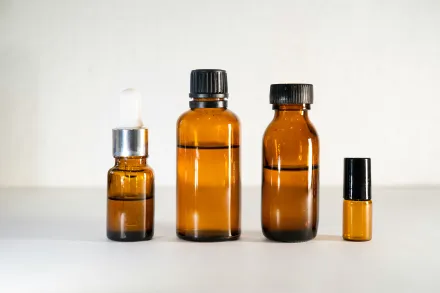
Topical antioxidants face challenges related to stability, penetration, and interactions with other ingredients. Formulators use methods such as encapsulation in liposomes or nanospheres, airless packaging, opaque containers, and protective carriers to minimize degradation by light, heat, and air. The pH of the product, the presence of metals, and the base formulation (water-based vs oil-based) influence how well a given antioxidant remains active and can reach the viable skin layers. The goal is to keep the molecule intact until it contacts the epidermis, at which point it can donate electrons and neutralize free radicals without triggering irritation or sensitivity in most users. Balanced formulations also consider the skin’s microbiome, fragrance components, and potential interactions with other actives like retinoids or exfoliating acids to minimize irritation while maximizing protective effects.
Choosing antioxidants for different skin types and goals
People with sensitive or reactive skin may prefer gentler derivatives and lower concentrations, while those seeking brightening or hyperpigmentation reduction may look to vitamin C in stable forms and combinations with ferulic acid. Dry skin benefits from formulas that pair antioxidants with hydrating emollients and occlusives, whereas oily or acne-prone skin may favor lighter formulations that still deliver antioxidant protection without clogging pores. It is common to see antioxidant serums used in the morning to pair with sunscreen, or in the evening as part of a layered routine. Skin tolerance, climate, and personal history of irritation influence how one should incorporate antioxidants into daily care.
Scientific evidence and practical interpretation
Clinical studies of antioxidants vary in design, sample size, and endpoints. Some show measurable improvements in brightness, reduced hyperpigmentation, or improved elasticity, while others demonstrate modest or context-dependent benefits. The timing of application, the combination with sunscreen, and the baseline skin condition can determine outcomes. Consumers should interpret claims with a critical eye, recognizing that antioxidants are adjuncts to a comprehensive skincare plan rather than sole solutions for aging or acne. Consistency and patience tend to correlate with better real-world results, as oxidative stress accumulates over time and the skin gradually adapts to protective measures.
Antioxidants and sunscreen: a cooperative defense
Antioxidants do not replace UV protection; rather, they complement it. Sunscreen blocks or absorbs UV radiation, limiting the creation of reactive oxygen species at the source, while antioxidants scavenge any radicals that still form or are produced by non-UV sources. In combination, they offer a more robust defense against photoaging and inflammation. Some products combine sunscreen filters with antioxidants to provide a dual-action shield, and some formulations favor antioxidant-rich bases that support moisture and barrier health while adding photoprotective benefits. The best practice remains applying broad-spectrum sunscreen daily and layering antioxidant products as part of a well-timed routine.
Future directions: innovations in antioxidant skincare
Researchers continue to explore a broader library of natural and synthetic antioxidants with improved stability, skin penetration, and targeted action. Advances in encapsulation technologies, such as microemulsions, nanocarriers, and responsive delivery systems, aim to release antioxidants where they are most needed while protecting them from degradation until application. There is growing interest in combining antioxidants with other modalities, such as resurfacing agents, peptides, and ceramides, to promote barrier restoration alongside oxidative protection. A deeper understanding of how genetic factors, skin microbiome, and lifestyle influence oxidative stress will guide personalized skincare approaches, enabling consumers to select antioxidant combinations that align with their unique biology and environmental exposures.
Dietary antioxidants and topical synergy
Dietary antioxidants from fruits, vegetables, and supplements contribute to systemic defense and can influence skin health, but they do not replace topical antioxidants. The skin’s barrier and delivery limitations require direct topical application to exert local effects. A diet rich in vitamins C and E, polyphenols, beta-carotene, and selenium can support the skin’s resilience and reduce systemic oxidative load. However, absorption, distribution, and tissue-specific uptake vary, so it is best used as a complement to, not a substitute for, high-quality topical products. The interaction between diet and topical antioxidants is an area of active research, with studies exploring how lifestyle factors can enhance skin radiance and resilience when combined with targeted skincare.
Safety, patch testing, and practical cautions
All active ingredients, including antioxidants, can cause irritation for some people, especially at higher concentrations or when combined with other aggressive actives. Patch testing on a small area of skin can reveal sensitivity to a particular antioxidant or a formulated product. In some cases, antioxidant combinations may interact in ways that reduce stability or alter fragrance and texture, so gradual introduction of new products is prudent. Certain derivatives can stain or cause temporary color changes, particularly on sensitive or light skin tones. It is wise to monitor skin response over several weeks and consult a dermatologist if redness, burning, or persistent irritation occurs.
Practical layering for a daily routine
In a typical daytime routine, a product containing an antioxidant can be applied after cleansing and toning and before moisturizer and sunscreen. The sunscreen should be the final step of the routine, sealing the antioxidant within the skin layers and protecting it from photooxidation. In the evening, you may use a different regimen that prioritizes barrier repair and hydration, but some users prefer to include a gentle antioxidant anywhere in the regimen if tolerated. Because formulations vary, it is important to read usage directions and avoid layering multiple products with conflicting pH requirements or redundant actives. A well-balanced approach emphasizes compatibility, stability, and comfort, rather than chasing every new antioxidant claim without considering user skin type and daily exposure patterns.
Antioxidants in skincare represent a dynamic convergence of chemistry, biology, and consumer experience. By understanding the core ideas—oxidative stress, the functions of key antioxidants, formulation challenges, and how to integrate these ingredients into a coherent routine—you can make informed choices that support healthy skin over time. The most reliable path combines daily sun protection, a stable antioxidant product suited to your skin, gentle hydration, and lifestyle choices that reduce environmental stressors. In practice, consistency and patience yield results that are subtle yet meaningful, reflecting the skin's capacity to respond to thoughtful care rather than miraculous overnight transformations.