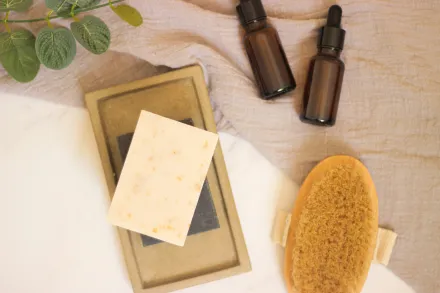
Dry skin is a common condition that can affect people of all ages and backgrounds, yet its root causes are often a blend of environmental factors, internal physiology, and personal care habits. When the outermost layer of the skin is deprived of its natural lipids and water, it becomes less capable of locking in moisture and more prone to roughness, flaking, and a sense of tightness. Understanding how the skin normally functions provides a useful map for natural remedies that are gentle, nourishing, and aimed at restoring balance rather than masking symptoms. The protective barrier, built from ceramides, fatty acids, and cholesterol, works best when supported by regular hydration, careful cleansing, and occasional targeted nourishment. By approaching the skin as a living organ that responds to both the environment and daily routines, you can craft a regimen that respects its rhythms and reduces the need for harsh products or invasive procedures. In this article, the emphasis is on practical, accessible, and scientifically grounded approaches that rely on substances derived from foods, plants, and safe formulations rather than synthetic shortcuts. The aim is to empower you to protect and renew your skin through consistent habits, mindful choices, and a small set of time tested natural remedies that persist in their effectiveness across seasons and different personal circumstances.
Dry skin often arises from a combination of climate, lifestyle, and biology. Exposure to cold air, low humidity, central heating, or air conditioning can strip moisture from the surface and from deeper layers when the barrier is already compromised. Add to that the choice of soaps and cleansers with strong surfactants that remove essential oils, frequent hot showers, and the friction of rough fabrics, and the stage is set for ongoing dryness. Genetic predispositions, aging, certain medications, and chronic conditions like dermatitis or eczema can amplify sensitivity and the risk of persistent dryness. Recognizing that dry skin is not merely a cosmetic concern but a signal from the body about the barrier’s health helps in choosing remedies that address the root causes rather than offering only temporary relief. With this perspective, natural remedies can play a central role in daily care by supporting hydration, restoring lipids, soothing irritation, and reducing the transepidermal water loss that keeps moisture from staying in the skin. Adopting a calm, nourishing routine that avoids irritants often yields noticeable improvements in texture, tone, and comfort over a relatively short period, followed by longer term benefits with continued practice.
From a physiological standpoint, dryness is intimately linked to the integrity of the stratum corneum, the outermost skin layer that functions as a brick wall with lipids acting as mortar. When this barrier becomes thin or disrupted, water escapes more rapidly and the skin can become rough, itchy, or inflamed. Natural remedies aim to replenish the lipids, enhance water holding capacity, and minimize irritants that trigger flare-ups. Ingredients that resemble the skin’s own components, such as ceramides, cholesterol, and essential fatty acids, can be particularly effective when delivered via gentle moisturizers or oils that mimic the natural protective layer. Everyday actions, like taking shorter showers with lukewarm water, using a humidifier in dry environments, and selecting fabrics that rub less against the skin, can complement topical applications and improve overall hydration. The goal is to create a sustainable cycle where moisture is not only drawn into the skin but is also retained long enough to support resilience, glow, and smoothness without the need for aggressive fragrances or preservatives that may irritate sensitive skin.
In exploring natural remedies for dry skin, it is helpful to think in terms of three pillars: hydration from within, gentle cleansing and barrier protection, and the use of plant-based emollients that act as sealants. The first pillar focuses on how hydration and nutrition influence the skin’s water content and structural integrity. It emphasizes regular fluid intake, a balanced diet rich in omega-3 fatty acids, antioxidants, and minerals that support skin turnover and lipid production. The second pillar centers on cleansing products that respect the skin’s protective layer, with emphasis on pH balance, minimal surfactants, and avoidance of irritants such as synthetic fragrances. The third pillar involves a selection of natural oils, butters, waxes, and botanicals that can replenish lipids, provide occlusion, and soothe inflammation when used appropriately. Together, these pillars form a coherent strategy that reduces dependence on synthetic synthetic moisturizers while embracing evidence-based natural alternatives. By maintaining consistency, you can help your skin adapt to seasonal changes and daily stressors, while gradually reducing scaliness, itchiness, and discomfort associated with dryness.
At the core of any natural approach is patience and mindfulness. Skin rarely changes overnight, and the best long-term results come from a steady routine rather than sporadic, aggressive treatments. The emphasis here is on sustainable habits that you can incorporate into daily life: choosing mild cleansers, warming water instead of hot, applying a thin layer of nutrient-rich emollients after bathing, and protecting skin from environmental extremes with appropriate clothing and indoor humidity control. This mindset also invites you to experiment carefully, noting how your skin responds to different oils or plant extracts and maintaining a simple, consistent regimen. It is not necessary to chase every new product on the market; instead, invest in a core set of reliable, natural remedies and practices that can be adapted with the changing weather, seasons, and personal sensitivities. In the following sections, you will find a detailed exploration of methods that align with this approach and offer practical pathways to healthier, more resilient skin.
Understanding the balance between hydration and barrier restoration
The balance between hydration and barrier restoration lies at the heart of effective care for dry skin. Hydration refers to the water content within the skin, which can be supported by internal fluids and topical humectants that attract moisture. Barrier restoration refers to replenishing lipids and supporting the cells that form the protective layer, so water is retained and irritants are kept at bay. Natural remedies that support both aspects tend to work best in harmony: you might drink water and herbal teas to promote internal hydration while applying oils, butters, and ceramide-rich creams to reinforce the barrier. The goal is a cohesive routine where moisture is drawn into the skin and then securely held by a refreshed lipid matrix that reduces TEWL, or transepidermal water loss. Ingredients such as glycerin, natural humectants from plant extracts, and plant oils with fatty acids that resemble skin lipids contribute to this dual-action effect. When combined with gentle cleansing and protective environmental measures, these remedies can transform dry, dull skin into a surface that appears plump, flexible, and comfortable, with less visible flaking and a more even texture. This integrated approach also tends to reduce itchiness and sensitivity, making daily activities more pleasant and less prone to irritation from friction or irritants.
In practical terms, you can think of hydration and barrier repair as two sides of the same coin. If you focus only on adding water to the surface without supplying the lipids that seal it, moisture may disappear quickly. Conversely, if you invest in barrier repair without supporting ongoing hydration, the skin might feel tight and taut as water levels fluctuate with humidity and temperature. The most reliable results come from a balanced routine that combines a gentle cleanser, a light layer of natural moisturizer that includes ceramides or fatty acids, and a steady intake of fluids and nutrient-dense foods that nourish skin cells from within. This philosophy aligns with a long-term, sustainable approach to skin health, one that respects the skin’s natural cycles and adapts to changes in weather, activity level, and stress. Emphasizing both hydration and lipid replenishment helps maintain a supple appearance and reduces the risk of micro-cracks that can lead to discomfort or irritation.
The science behind these remedies is supported by a growing body of research showing that ceramides play a crucial role in skin barrier integrity and that certain oils can provide immediate occlusivity while delivering beneficial fatty acids. Plant-derived ingredients such as argan oil, sweet almond oil, and jojoba oil have been noted for their compatibility with human skin because they resemble natural lipids. Aloe vera, honey, and yogurt possess soothing properties and mild humectant activity that can calm irritated areas when used in proper concentrations. The challenge is to avoid products that rely on synthetic fragrances, overly harsh alcohols, or questionable preservatives that may irritate sensitive skin. The best natural remedies are often those with a short, recognizable ingredient list and a history of safe use in skincare. When applied consistently as part of a routine, these components can support the skin’s resilience in the face of daily environmental stressors and seasonal dryness.
Hydration from within: how diet and fluids influence skin moisture
Your daily choices at the table can have a meaningful impact on skin moisture and texture. A well-rounded diet that includes essential fats from fatty fish, flaxseeds, chia seeds, and walnuts provides the building blocks for healthy cell membranes and lipid production, which helps reinforce the skin’s barrier. In addition, foods rich in antioxidants, such as colorful fruits and vegetables, help combat oxidative stress that can exacerbate dryness and inflammation. Vitamin E, vitamin C, zinc, and selenium play supportive roles in maintaining healthy skin turnover and collagen structure, which contribute to a resilient surface that holds moisture more effectively. Hydration itself is not solely about drinking water; herbal teas and broths can contribute to daily fluid intake while offering minerals and compounds that support overall skin health. It is important to listen to your body and adjust intake to your activity level, climate, and individual needs. Some people respond well to increased omega-3 intake, while others benefit from reducing refined carbohydrates or processed foods that may influence the skin’s inflammatory milieu. A gentle, nutrient-dense approach tends to yield the most reliable improvements without overwhelming the system with supplements or drastic dietary shifts.
In practical terms, you can foster hydration by prioritizing meals that include a mix of proteins, healthy fats, fiber, and colorful plant foods. A regular habit of including a source of omega-3 fatty acids, such as salmon, chia seeds, or flaxseeds, several times per week supports lipid balance in the skin. Vitamin-rich fruits and vegetables contribute to antioxidant defenses, while nuts and seeds provide moisture-retaining fats. It is not necessary to adopt a complicated dietary protocol; rather, aim for steady, balanced meals that sustain energy and provide the nutrients the skin needs for renewal. Keeping track of how your skin responds to different dietary patterns over weeks can help identify specific foods that promote comfort and resilience. At the same time, be mindful of potential sensitivities or intolerances that can manifest as skin reactions, and adjust your choices accordingly. By aligning internal hydration with external care, you create a foundation for longer-lasting moisture and a softer touch that endures across days and seasons.
Beyond macronutrients, certain botanicals and micronutrients have a reputation for supporting skin hydration and barrier function. Tea infusions such as green tea or chamomile can be included in daily hydration, providing polyphenols that support anti-inflammatory processes. Foods rich in beta-carotene or lycopene may assist in maintaining skin integrity, while a modest intake of probiotics may contribute to overall gut health, which in turn can influence skin health through immune and inflammatory pathways. The goal is not to treat the skin with a single miracle food but to adopt a dietary pattern that reduces unnecessary inflammatory load and supports the skin's natural regeneration processes. When paired with gentle topical care, these dietary practices contribute to a more supple, luminous complexion that feels comfortable and resilient, even during periods of environmental stress or dryness.
It is essential to recognize that hydration from within is not a substitute for external protection. The skin acts as a barrier against outside elements, and external moisture retention depends on providing a restoration of lipids and a seal that reduces water loss. The two strategies work synergistically: a balanced diet supplies the materials the skin needs to renew itself, while topical remedies deliver immediate moisture and barrier support. When both strands are woven together, most individuals notice improvements in smoothness, suppleness, and general comfort. This integrated approach is especially valuable for people who experience seasonal dryness, urban pollution exposure, or particular sensitivities that respond well to natural, calming ingredients instead of synthetic alternatives. Remember that hydration is a continuous process, not a one-off fix, and that small daily choices compound to produce meaningful, lasting results for the health and appearance of your skin.
Choosing gentle cleansers and bath practices to protect the barrier
The way you cleanse your skin has a dramatic impact on its moisture balance and comfort. Harsh cleansers with aggressive surfactants can strip away essential lipids, leaving the skin exposed to TEWL and irritation. The preference is for mild, pH-balanced cleansers that remove dirt and sweat without disturbing the protective lipid layer. Look for formulas that emphasize gentle surfactants, minimal fragrance, and a short ingredient list that excludes drying alcohols and synthetic dyes. When you bathe, temperature matters more than duration; warm water is clearly gentler than hot, and brief cleansing sessions minimize unnecessary moisture loss. After washing, pat the skin dry with a soft towel instead of rubbing, and apply a barrier-supporting moisturizer while the skin is still slightly damp to lock in hydration. This simple sequence can make a noticeable difference in the skin’s overall feel and appearance, especially for those who experience persistent dryness or sensitivity.
In addition to choosing the right cleanser, think about your bathing routine as an opportunity to introduce natural ingredients that soothe and nourish the skin. Colloidal oats have soothing properties and can be added to bathwater to ease itchiness and roughness, while shea butter or cocoa butter can be used as a post-bath barrier layer for extra protection in cold or dry environments. For sensitive areas, minimizing exposure to strong fragrances and essential oils reduces the risk of irritation. If you are prone to eczema or dermatitis, discuss any new product or ingredient with a healthcare professional to ensure compatibility with your condition and current treatment plan. A careful, mindful approach to cleansing reduces stress on the skin and sets the stage for more effective, longer-lasting hydration. It remains important to avoid aggressive rubs or abrasive exfoliation that can break the barrier, especially when the skin is visibly dry or inflamed.
In practice, you can combine a gentle cleanser with a quick, soothing bath routine that includes colloidal oats or a mild plant-based infusion. After drying, you may apply an oil or cream that supports lipid restoration while the skin is still slightly damp. A light touch with the fingertips helps ensure that the product reaches the outermost layers where moisture is most needed. Consistency is key; even a small, daily routine can yield meaningful improvements over several weeks. By treating cleansing as a nourishing ritual rather than a harsh necessity, you demonstrate care for your skin’s health and its barrier’s resilience, which in turn reduces the frequency and intensity of dry patches and discomfort during the day and night.
Top botanical and kitchen remedies: plant oils, gels, and gentle additives
Natural remedies for dry skin commonly include plant-based oils and extracts that blend well with skin lipids and provide a range of soothing, hydrating effects. Oils such as jojoba, sweet almond, grape seed, and argan are especially popular due to their light textures and compatibility with a wide range of skin types. Jojoba oil closely resembles human sebum, which helps it layer smoothly onto the skin and assist with moisture retention without leaving a heavy or greasy feel. Sweet almond oil delivers nourishing fatty acids and is suitable for most people, though individuals with nut allergies should exercise caution. Argan oil supplies essential fatty acids that bolster the skin’s natural barrier while imparting a gentle glow. When used in small amounts after bathing or at the end of the day, these oils can provide a protective seal that reduces trans-epidermal water loss and soothes minor irritation. The use of these oils should be modest and tailored to tolerance, with patch testing recommended for sensitive skin or known allergies.
Aloe vera gel provides a naturally cooling sensation and mild hydrating properties that can be beneficial for inflamed or irritated patches. In pure form, it can offer moisture without a heavy occlusive feel, making it suitable for daytime use or as a soothing layer under a thicker moisturizer. Honey, when used in very small amounts or diluted, can act as a humectant with antimicrobial properties, potentially helping with mild irritation and dryness. However, honey is sticky and can attract dust if used in large quantities, so it should be applied sparingly or mixed into other products. Oats, especially finely milled colloidal oats, can be added to baths or used in pastes to calm itching and provide a gentle barrier support. For those who prefer simpler routines, plain yogurt or mashed avocado can serve as occasional masks or topical applications that are easy to integrate into a weekly schedule, always with attention to any potential sensitivity or smell that might be displeasing in a given context.
In addition to these, ceramide-rich formulations or natural waxes such as shea butter or beeswax can contribute to the skin’s protective layer by forming a semi-occlusive film that minimizes moisture loss. Beeswax-based balms or creams with minimal preserving agents can be particularly effective for especially dry or cracked areas like elbows, knees, or hands. The key with these botanicals and kitchen remedies is to start with small quantities, observe how your skin responds over several days, and adjust usage frequency and quantity accordingly. Natural ingredients can interact with other products or medications, so it is wise to introduce a new remedy gradually and monitor for any signs of irritation, redness, or swelling. If any adverse reaction occurs, discontinue use and consult a professional. Safety and patience are essential to ensuring that these natural approaches support your skin without causing new issues.
When integrating botanical remedies, consider also the environment and the method of application. Lightly warm oils before applying can enhance absorption and provide a comforting sensation, while applying too vigorously can irritate sensitive skin. Layering a thin oil over a water-based moisturizer can improve seal and deliver longer-lasting hydration, especially in dry conditions. A simple, effective approach is to apply a small amount of oil to damp skin after cleansing, followed by a richer moisturizer if needed for extra protection in winter months. The balance between hydration and occlusion is delicate; too much oil can feel heavy and trap sweat or heat, whereas too little may fail to prevent moisture loss in very dry environments. Paying attention to personal comfort and skin feedback is the best guide for achieving the right balance for your unique skin type and living conditions.
In terms of safety, it is prudent to avoid essential oils in high concentrations for daily use, particularly around sensitive or inflamed skin. Some essential oils can cause irritation or photosensitivity, especially with sun exposure. If you are unsure about fragranced products or botanicals, seek fragrance-free options or products with minimal, well-tolerated ingredients. Patch testing remains a valuable precaution, particularly when experimenting with new plant-based products. If any redness, itching, or burning occurs, discontinue use and reassess your routine. A cautious, informed approach to natural remedies increases the likelihood of steady improvement rather than short-term relief that does not address the underlying barrier health. With careful selection and consistent application, plant-based remedies can be gentle, effective partners in restoring moisture, comfort, and resilience to dry skin.
Emollients and occlusives: sealing in moisture for lasting comfort
Emollients and occlusives play a critical role in keeping skin hydrated by smoothing the surface and creating a protective barrier that minimizes water loss. Emollients, such as oils and butters, fill in microscopic gaps between skin cells, improving texture and flexibility. Occlusives, including waxes and heavier oils, form a physical barrier on the skin surface that reduces TEWL even in dry environments. For many people, a combination approach works best: first an emollient that integrates with the skin’s natural lipids, followed by a more occlusive layer that locks in moisture during the night or in harsh climate conditions. The choice of emollient should consider skin type, tolerance, and preference for texture. Lighter oils may be preferable for daytime use, while richer butters can provide longer-lasting protection during sleep or in dry air. By focusing on the dual goals of softening rough areas and preserving moisture, you can achieve a more resilient, comfortable complexion without resorting to aggressive products or irritants.
Be mindful of the sequence and amount of product you apply. A small amount of a high-quality emollient can go a long way if used on damp skin, while applying a thick layer to completely dry areas can feel heavy or greasy. For hands and feet, where exposure to friction and washing is high, consider a barrier-rich cream that contains ceramides or cholesterol alongside natural lipids. Some people find that a nighttime routine with a heavier occlusive balm yields the best results, as the breathability of the product is less of a concern when not exposed to daytime activities. The goal is to support the skin’s natural moisture content and maintain pliability so that daily tasks are more comfortable and skin damage from dryness is minimized. This approach aligns well with the concept of slow, steady improvement achieved through consistent, gentle care rather than frequent, harsh interventions.
In addition to topical strategies, consider environmental modifications that reduce moisture loss. Using a humidifier during dry months or in air-conditioned spaces helps to balance indoor humidity and can complement an occlusive barrier. Wearing soft, breathable fabrics reduces mechanical irritation that can worsen dryness, and protecting exposed areas from cold wind or sun can preserve moisture throughout the day. While natural remedies are wonderful, they work best when supported by an overall environment that respects the skin’s needs. A simple combination of hydrating practices, barrier-supporting emollients, and mindful environmental adjustments forms a practical, effective framework for managing dry skin across various contexts and seasons.
For problem areas such as elbows, knees, or heels, you might apply a small amount of a rich nourishing balm before bedtime and cover with lightweight socks or gloves to maximize absorption. This kind of targeted treatment can be particularly helpful during winter or in very dry climates where friction and dehydration can create persistent rough patches. Always adjust based on how your skin responds; if a certain product feels heavy or causes irritation, switch to a lighter formulation or a different oil. The aim is to build a dependable routine that minimizes discomfort while maintaining skin health over the long term, rather than chasing quick fixes that fade as soon as the product wears off. A thoughtful blend of emollients, occlusives, and consistent care can transform dry, tight skin into a softer, more flexible canvas that supports daily living with greater ease and comfort.
Humidity, climate, and lifestyle: environmental strategies to support skin health
Environmental humidity and climate have a substantial impact on how dry skin behaves. In cold, windy, or arid conditions, moisture in the air is sparse, and the skin is more likely to lose water. In such settings, layering protective moisture becomes essential. Some people find that increasing indoor humidity with a humidifier helps reduce the rate at which the skin dries. Others benefit from adjusting their bathing temperature to stay comfortable while avoiding excessive moisture loss. Clothing choices also matter; breathable fabrics like cotton reduce friction and static, while outer layers should shield skin from wind and cold without rubbing or constricting blood flow. In dry indoor heat, using a gentle, nourishing moisturizer can offset the drying effect of the environment. The goal is to align your daily routine with environmental conditions so you can maintain consistent hydration and barrier support regardless of the season. This approach is practical, not overly complicated, and adaptable to different living situations.
Seasonal adjustments can make a meaningful difference. In winter, you may apply thicker barrier creams in the morning and again at night, while in summer you might switch to lighter formulations that still provide protection during air-conditioned exposure and sun exposure. It is also helpful to evaluate personal habits that contribute to dryness, such as long, hot showers after outdoor activities, the use of strong detergents, or frequent exfoliation. By making conscious choices about water temperature, cleansing frequency, and product composition, you can minimize additional moisture loss and support ongoing hydration. The interplay between internal hydration, barrier restoration, and environmental control is an ongoing process, but with small, consistent changes you can significantly improve how your skin feels and looks across months and years.
Another important environmental consideration is air quality and exposure to irritants. Pollution and smoke can worsen skin dryness and inflammation for some individuals. Wearing protective barriers, washing exposed skin after outdoor time, and using gentle skincare products can help minimize the impact. If you live in a highly polluted area, you might benefit from routines that emphasize barrier reinforcement and anti-inflammatory botanicals while avoiding irritants that could aggravate dryness. As always, gradual adjustments, careful observation, and a willingness to tailor routines to your unique context are the best strategies. Natural remedies shine when they are part of an informed, flexible approach that respects the skin’s needs and responds to changing conditions with patience and care.
Skin barrier science behind natural remedies
Scientific understanding of the skin barrier highlights the importance of lipids such as ceramides, cholesterol, and free fatty acids in maintaining an intact protective layer. Ceramides play a key role in preventing moisture loss and protecting against irritants, while cholesterol and fatty acids help to form a cohesive lipid matrix that provides elasticity and resilience. Natural remedies that supply these components or mimic their function can significantly improve barrier health. Plant oils can offer fatty acids and phytochemicals that support skin cells and reduce inflammation, while humectants such as glycerin and plant-derived sugars help attract water to the surface of the skin. The synergy between hydration and barrier restoration becomes most evident when these components are delivered through careful, low-irritant formulations that align with the skin’s natural lipid profile. As research progresses, the use of ceramide-rich creams and natural oil blends continues to gain traction as a practical, effective way to restore barrier integrity without relying on harsh synthetic ingredients. This evolving understanding reinforces the value of natural remedies that mirror the skin’s own chemistry and respond adaptively to environmental stressors.
The practical takeaway is that product selection matters. When you see ingredients that resemble the skin’s lipids, or that emphasize gentle, plant-based sources of fatty acids, you are more likely to support barrier function and sustained moisture. The choice of cleansers, bath additives, and moisturizers should align with this science, emphasizing low irritation, proper pH, and components that reinforce the barrier rather than erode it. Emollients and occlusives derived from nature can be especially effective when used with an understanding of how the skin barrier renews itself over time. By combining scientific insights with practical, everyday care, you can build a regimen that respects the skin’s natural rhythm and fosters resilience, reducing reliance on aggressive products while promoting a healthier, more comfortable complexion across seasons and life stages.
In practice, this means choosing mild cleansers, applying a barrier-supporting moisturizer after bathing, and incorporating a small amount of natural oil into your routine as a sealant. It also means paying attention to how your skin responds to changes in climate, activity, and daily stress. When you notice improvement, maintain consistency and gradually refine your regimen to suit evolving needs. This patient, evidence-informed approach is well aligned with the philosophy of natural remedies and can lead to meaningful, lasting improvements in hydration, texture, and overall skin health without the risks associated with harsher synthetic products.
Safety considerations and allergy awareness
While natural remedies are generally gentle, safety and awareness remain essential. Patch testing before full application is a prudent precaution for any new product or ingredient, especially if you have a history of allergies or sensitive skin. Apply a small amount to a discreet area such as the inner forearm and observe for twenty four to forty eight hours for signs of redness, itching, swelling, or irritation. If any adverse reaction occurs, discontinue use immediately and consult with a dermatologist or healthcare professional. For those with known allergies, particularly to nuts, bees, or certain botanicals, it is advisable to avoid products that could trigger a reaction. When using essential oils, limit concentration and avoid direct sun exposure after application, since some oils can cause photosensitivity. Always consider interactions with medications, skin conditions, or ongoing treatments before introducing new natural remedies into your routine. A cautious approach ensures you benefit from natural care without compromising skin integrity or overall health, and it helps sustain a routine that remains safe over the long term.
Avoiding irritants is a cornerstone of skin care for dryness. Fragrances, preservatives with questionable safety profiles, and certain dyes can provoke irritation or contact dermatitis even in people without prior sensitivities. Choosing fragrance-free or hypoallergenic options can reduce the risk of adverse reactions. In addition, heavy use of alcohols or strong detergents in soaps or hand sanitizers should be avoided when possible, as they can exacerbate dryness and disrupt the barrier. If you have a skin condition such as eczema or rosacea, consult with a clinician to tailor a natural care plan that avoids triggers and supports barrier health without compromising treatment. Maintaining open communication with a health professional helps ensure that your natural remedies align with your overall medical plan and personal health goals, enabling a safer, more effective skincare journey.
For parents caring for children with dry skin, extra care is warranted. Pediatric skin is delicate, and the same gentle principles apply, but products should be specifically formulated for younger skin and free from potential irritants. It is wise to test any new product on a small area and monitor for reactions, especially on the face or other sensitive regions. A child-friendly approach emphasizes mild cleansers, light moisturizers suited for delicate skin, and avoiding fragrance-laden products. By instilling a routine that emphasizes calm, consistent care rather than aggressive cleansing or frequent changes, you can help children maintain healthy moisture and a strong barrier as they grow, while modeling habits that promote long-term skin health and confidence in self-care.
Common myths debunked
Several misconceptions surround natural remedies for dry skin. One common myth is that you must avoid fats altogether to protect the skin; in reality, healthy fats are essential for barrier integrity and may support moisture retention when sourced from quality foods and natural oils. Another belief is that all oils clog pores or cause breakouts; while some people may experience sensitivity to certain oils, many natural oils are well tolerated and help restore moisture when used appropriately. A third myth is that if a product is natural, it is automatically safe for every skin type; the opposite is often true, as natural ingredients can still provoke sensitivities or allergies in some individuals. The practical approach is to test and observe, choosing ingredients with known compatibility and avoiding those with a history of irritation for your skin. By maintaining a balanced view of natural remedies—recognizing both their benefits and their limitations—you can craft an effective, safe, and enjoyable skincare routine that supports long-term skin health without falling prey to hype or fear.
A related misconception is that dry skin is purely a cosmetic issue and does not require attention beyond moisturizing; however, persistent dryness can indicate barrier dysfunction or underlying conditions that deserve medical attention. While many cases improve with a thoughtful routine, recurrent or severe dryness accompanied by redness, swelling, or oozing should be evaluated by a clinician to rule out dermatitis, infection, or systemic issues. A measured approach that combines inside-out hydration with outside-in barrier support can address both symptoms and underlying factors, but a professional assessment provides personalized guidance and ensures safety, especially for individuals with chronic skin concerns or aging skin that may respond differently to natural remedies.
Another myth is that more product equals better hydration; in reality, layering too many products or applying multiple actives can irritate the skin and disrupt the barrier. Simplicity often yields the best outcomes. Start with a minimal, reliable set of products and build gradually based on how your skin reacts. If you notice improvement with a simpler regimen, there is no urgent need to introduce new products unless your climate or activities demand it. The goal is sustainable care that respects the skin’s natural balance, offers ongoing relief, and reduces reliance on aggressive or untested solutions. By staying grounded in evidence, listening to your skin, and prioritizing gentle, nourishing options, you can dispel myths and embrace a natural approach that genuinely supports moisture, comfort, and resilience over time.
Maintaining a calm, consistent routine focused on hydration, barrier repair, and protective measures helps you separate myth from practice. The aim is not to chase every dazzling claim but to cultivate steady, incremental improvements in skin health. With thoughtful product choices, mindful cleansing habits, proper environmental controls, and attention to how your skin responds, you can develop confidence in natural remedies that enhance moisture and support a comfortable, healthy complexion across diverse seasons and life stages. This approach respects both science and personal experience, creating a nuanced, practical pathway toward smoother, more resilient skin without relying on drastic interventions or gimmicks.
Putting it into practice: building a daily routine that works
Translating theory into daily routine is the practical part of caring for dry skin. Begin with a simple morning and evening sequence that centers on gentleness, hydration, and barrier protection. In the morning, cleanse with a mild, pH-balanced cleanser, then apply a light layer of a plant-based moisturizer that contains ceramides or fatty acids, followed by a small amount of natural oil if your skin tends to feel tight. In the evening, after cleansing, apply a slightly richer balm or cream to give the barrier extra support while you sleep, especially during dry seasons. If you are in a particularly dry climate, consider adding a humidifier to your bedroom to maintain ambient moisture and reduce TEWL during rest. These steps create a reliable framework that your skin can adapt to, and over time you may notice fewer rough patches, less itching, and a more even texture. The key is consistency, not perfection, and the willingness to adjust the routine as weather, activities, and personal needs evolve.
Among the ingredients you might rely on, a small amount of jojoba or argan oil can serve as a daily sealant, while a ceramide-rich cream supports barrier repair without feeling heavy. For daytime, a light moisturizer with glycerin and plant-based humectants helps attract water to the surface, particularly when paired with a barrier layer that reduces evaporative loss. For nights, a richer formulation containing shea butter or beeswax can provide moisture retention and a comforting barrier. If you prefer a minimal approach, a single-step routine featuring a gentle cleanser and a modest layer of moisturising oil can suffice for many skin types, especially when environmental dryness is not extreme. The best routine is the one you can maintain consistently while listening to your skin’s feedback and making careful adjustments as needed.
To support long-term success, you can integrate seasonal adjustments into your plan. In winter, you may lengthen the daytime barrier layer and increase the frequency of moisturization, while in warmer months you can reduce the heaviness of products and rely more on humectant-rich formulas that won’t feel greasy. If you are physically active and sweat often, you might cleanse with water and a gentle soap promptly after activity and then return to your regular routine. The important thing is to maintain the habit of gentle cleansing, timely moisturization, and protective layering, with attention to how your skin responds to different environmental challenges. By embedding these practices into daily life, you create a stable foundation for moisture retention, softness, and a more comfortable, healthy complexion throughout the year.
As you gain experience with natural remedies, you may find that certain combinations work particularly well for your skin. Some people discover that applying a thin layer of cocoa or shea butter at night provides a robust overnight barrier that tapers in the morning, while others prefer to mix a drop of olive oil with a gel moisturizer for a balanced feel. The diversity of natural ingredients allows for customization without sacrificing safety. The essential idea remains simple: choose gentle cleansing, protect the barrier with nutrients that mimic skin lipids, and support ongoing hydration with humectants, oils, and water-containing products. With careful attention to how your skin responds, you can refine your routine into a reliable, enjoyable process that improves dryness, comfort, and vitality over time, creating a healthier relationship with your skin rather than a constant cycle of irritation and relief.
In summary, natural remedies for dry skin emphasize a harmonious balance between internal hydration, barrier reinforcement, and environmental management. By combining mindful dietary choices, gentle cleansing, plant-based moisturizers and oils, and practical lifestyle adjustments, you can develop a robust, flexible routine that works across seasons and evolving skin needs. The journey requires patience and consistency, but the rewards are tangible: a more comfortable skin surface, a reduction in flakiness, and a sense of well-being that comes from respectful, effective care. Embracing this approach can transform your relationship with your skin, turning dryness from a daily nuisance into a manageable condition that you actively support with thoughtful, natural practices rather than quick, synthetic fixes. The result is a healthier barrier, improved hydration, and a glow that emerges from genuine skin health rather than temporary surface masking.
Natural remedies for dry skin offer a broad palette of options that can be tailored to your preferences, sensitivity, and lifestyle. By prioritizing barrier health, supporting hydration from within, and choosing gentle, plant-based ingredients, you can create a sustainable routine that respects your skin’s needs. The process invites you to observe, adjust, and grow more confident in caring for your skin with wisdom, patience, and a touch of nature’s best nurturers. With dedication, these approaches can lead to lasting improvements in moisture, comfort, and resilience, helping you feel more at ease in your skin every day and through the changing seasons of life.