Every bride dreams of a look that feels true to her essence while also withstanding the motion of a joyful day and the scrutiny of photographs. The art of wedding makeup is not about dramatic overhauls; it is about crafting a refined harmony between complexion, color, and texture that flatters in person and translates beautifully in images. The most successful bridal looks are built on a foundation of thoughtful preparation, clear communication with the artist, and a calm mindset on the day itself. When makeup aligns with the dress, the venue, the season, and the lighting, it becomes an enduring memory rather than a fleeting trend, a subtle enhancement that allows the wearer to feel like the best version of herself without ever feeling overworked or uncomfortable. The following sections explore a comprehensive approach to wedding day makeup, emphasizing skin care, technique, product choice, and practical on set habits that protect the finish from the inevitable changes in temperature, humidity, and movement.
Understanding Your Theme and the Role of Lighting
Before any product touches the skin, it helps to have a mental image of the overall vibe you want to project. Your makeup should echo the wedding theme, the color palette of the gown and decor, and the mood you wish to set for the day. A romantic, airy ceremony might call for soft textures, rosy undertones, and a glow that appears natural rather than contrived. A modern, high-contrast backdrop might benefit from a crisper finish, deeper contouring, and a defined yet balanced eye. Lighting has a decisive impact on how makeup is perceived in photographs and in person. Natural daylight can soften edges and reveal pigment more honestly, whereas indoor lighting or stage lighting can alter the appearance of undertones and highlights. The plan, then, is to anticipate these variables during the trial and align the makeup choices with the locations and moments of the day. Working with the artist to adapt to indoor venues, outdoor gardens, or dusk ceremonies helps to safeguard a cohesive look from arrival through the last dance, while still preserving the bride’s inherent features and personality. The right balance of texture, color intensity, and finish will ensure a look that photographs well under flash and maintains a sense of airiness in person.
Skin Preparation Weeks Ahead and the Day Of
The road to flawless wedding makeup begins long before the makeup brushes appear. A skincare routine that nourishes the skin, smooths texture, and stabilizes moisture levels pays dividends on the wedding day. Hydration is essential, not just for surface glow but for the skin’s ability to hold makeup evenly. Regular exfoliation in the weeks leading up helps to reduce dry patches and smooths dullness, yet it should be gentle to avoid irritation close to the ceremony. A balanced routine that includes a gentle cleanser, a hydrating serum, and a rich moisturizer tailored to the skin type lays a stable foundation for makeup adhesion. Sunscreen is important for daytime weddings, but many professionals advise choosing a sunscreen with no white cast and avoiding SPF in the foundation if photos will be taken with flash, to prevent ghosting on skin. Instead, a separate sunscreen layered under makeup or a mineral option with careful testing in natural light can provide protection without compromising the final photograph. During the days just before the wedding, avoid trying new products that could provoke reactions or breakouts. The goal is skin that looks healthy and luminous, not weighed down or inflamed, because a calm canvas makes everything else easier and more durable.
Primers, Texture, and the Canvas of the Face
A good primer is more than a surface coat; it is a strategic tool that helps makeup adhere, smooths pores, and extends wear. For most brides, a light, silica-based primer can minimize the appearance of pores and create a soft focus that handles texture gracefully in photos. Hydrating primers are ideal for drier skin or cooler climates, imparting a subtle sheen that reads healthy and natural. If the wedding day involves heat or humidity, a balancing primer that controls shine without drying out the complexion may be the best choice. For color correction, many brides find it helpful to apply a very light veil of color corrector only where needed, followed by foundation, to neutralize redness or sallowness without creating a heavy, layered effect. The goal is to establish a smooth base that supports even coverage, prevents sliding, and sustains a natural luminosity regardless of the time of day or the pace of events. A description of the product texture, whether it is gel, cream, or liquid, should be matched to the skin type to prevent caking or uneven settling in fine lines or around the nose and mouth, which can be magnified by images and long wear.
Foundations and the Art of Shade Matching
Choosing a foundation that reads true in person and on camera starts with testing in natural light. The shade should vanish on the jawline and blend into the neck, without leaving a distinct line along the hairline or under the chin. Undertone is critical; a complexion with warm undertones will respond differently than a cool or neutral tone, and makeup should harmonize with the neck and chest as well as the face. For weddings, many professionals recommend a medium to full coverage formula if the goal is a couture style that still remains believable and not mask-like. However, the best outcomes come from someone who knows how to build in layers and keep the skin breathing, especially around the eyes. Matte finishes offer longevity and a refined look that photographs well, while satin or natural finishes provide glow with less risk of highlight blowouts on camera. The choice depends on the skin’s baseline, the lighting plan, and the bride’s personal preference, but a tested combination of foundation, concealer, and light powder can create a seamless, natural complexion that holds through tears, hugs, and dancing.
Concealer, Color Correcting, and Brightening Touches
Concealer is a tool that should be used with intention, not as a blanket that blankets the entire face. Targeted concealing around the inner corners of the eyes, the sides of the nose, and any areas with shadow is often more effective than a single shade applied broadly. Color correctors can neutralize blue under the eyes, dull red around the nose, or brown spots on the cheeks before foundations are layered. The key is to apply a chiffon-light amount, blend meticulously, and then allow the foundation to sweep over these corrections so that they remain invisible yet efficacious. Brightening powders can be used sparingly to lift the under-eye area, but they should be set with a light touch to avoid emphasizing fine lines through the day and into evening. The result is a refreshed, awake appearance that stays cohesive as the day advances and as the photshoots capture different expressions and movements.
Eyes That Speak: Primer, Shadows, and Longevity
Eye makeup has the dual responsibility of enhancing the gaze and enduring through a long day. An eyeshadow primer or a concealer layer on lids helps to prevent creasing, especially when eye makeup includes shimmer or metallic textures. For the wedding day, lasting formulas with rich color payoff and minimal fallout are preferred, because the day is lengthy and the schedule often calls for multiple lighting scenarios. A soft, romantic eye typically uses neutral tones with subtle depth at the outer corners to lift the eye shape, while a glam option may incorporate a deeper crease and a crisp liner to define the lash line. Blending is essential; harsh lines photograph more starkly than softened edges. Waterproof or long-wear mascaras ensure lash definition stays intact through tears and applause, while a quality lash curler can lift and open the eye without mechanical damage to the lashes. Brows frame the face, so a well-blended brow product that matches the hair color and skin undertone is critical for a finished appearance that looks cohesive from the first portrait to the last dance.
Lips: Line, Color, and Lasting Comfort
Lip makeup on a wedding day should offer longevity without sacrificing comfort. A precise lip liner helps to define the shape and prevent feathering around the edges when taken by smiles and conversation. A long-wearing lipstick, lipstick balm, or stain chosen in a shade that flatters the skin tone and coordinates with the overall color palette is a reliable choice. For photos, the lip color should be tested in a variety of lighting to ensure it reads as intended, and the lip finish can range from satin to matte depending on personal preference and the specific look. In addition, an optional gloss on the center of the lips can provide a youthful glow and prevent dryness that might be magnified by cold or dry venues. The lip products should be applied with clean tools during the day if possible, and a touch-up pencil can be carried for precision if required. The aim is lips that feel comfortable, are easy to reapply, and maintain a polished, camera-ready edge throughout the ceremony and reception.
Cheeks, Contour, and a Subtle Glow
Cheek color should harmonize with the chosen lip and eye tones, creating a balanced, healthy flush. A gentle contour can sculpt the face and enhance bone structure, but overcontouring can appear harsh in photos and under bright light. The best approach is to apply a soft contour to areas that naturally recede and reserve a brighter highlight for the high planes of the face, such as the tops of the cheekbones and the center of the forehead, to catch light in a flattering way. A natural blush that complements the skin undertone adds warmth, and a light application of highlighter can bring a gentle radiance without creating a disco-ball effect. The key is a seamless blend so that the transitions between contour, blush, and highlight are invisible to the eye yet pronounced enough to define features in photographs. The result should evoke a dewy, healthy glow that photographs with a soft halo rather than a stark, glittery shine.
Professional Trials: Testing, Feedback, and Refinement
A trial run is the moment to translate ideas into reality. The trial allows you to test products, verify shade matches, and observe how makeup behaves in different lights, with a dress rehearsal to mirror the actual day schedule. Screen tests with flash can reveal issues such as flashback, uneven balance, or color drift; conversely, natural light testing during the day shows how makeup reads in real life. The trial also offers a chance to practice timing, so the artist can map out a realistic workflow for the morning, including skincare steps, makeup application, and scheduled touch-ups. It is valuable to record and discuss preferences for the final look, including the emphasis on eyes, lips, or complexion, and to confirm the continuity of the look from the trial to the wedding day while ensuring all chosen products can be carried or prepared for quick access on the day itself.
Day-Of Coordination: Timeline, Packages, and On-Set Habits
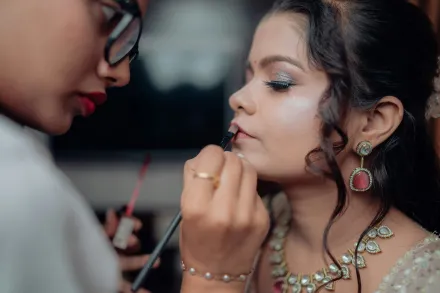
On the actual wedding day, coordination between the makeup artist, bride, and the bridal party is essential. A well-structured timeline helps to minimize stress: time for skin prep, a calm primer stage, foundation, eyes, lips, and final touch-ups are allocated with buffers for unexpected events. The makeup kit should be organized with clearly labeled shades and backups for essential products such as foundation, concealer, powder, mascara, lip colors, and a spare brush or sponge. The artist should keep the bride comfortable by offering a pre-application wipe or moisturizer to reset oils, and by maintaining a clean workspace that respects privacy and safety. The bride should wear comfortable, breathable clothing to avoid friction or rubbing on the face and neck area that could affect makeup adhesion. Small practical habits, such as avoiding touching the face with unwashed hands, not rubbing the eyes aggressively, and keeping the jewelry away from the face during the early stages, contribute to a smoother session and a more durable final result.
Products for Longevity: Materials That Endure the Day
The selection of products determines how long makeup lasts in a wedding setting. Long-wearing foundations and concealers with good pigment stability under various light conditions are preferred. A translucent setting powder with a light touch helps to set the base without imparting a heavy look, especially in photographs. A setting spray can be a finishing step that enshrines the look and helps it resist moisture, humidity, and heat. The choice of eye makeup should consider crease resistance and color fastness; cream-based formulas can be built up for intensity but should be set with a compatible powder shadow to reduce migration. Waterproof mascara and careful removal at the end of the night ensure lashes maintain their curl and shape through tears and dancing. In every case, the aim is to find a balance between comfort, realism, and resilience so that every moment reads as vivid yet natural, not overdone or heavy-handed. The artistry lies in precise blending, thoughtful layering, and the discipline to stop before the look becomes mask-like.
Bridal Complexions Across Tones and Textures
Bridal makeup needs to honor diverse skin tones and textures, celebrating individuality rather than conforming to a single standard. For deeper complexions, warm-toned browns and bronzy highlights can sculpt features without leaching color, while maintaining a natural depth that photographs beautifully. For lighter skin tones, soft pinks and peach hues on the cheeks and lips can produce a delicate, romantic effect. In both cases, the blends should be seamless at the jawline and neck, with undertones that align with the chest and arms to avoid a color imbalance under daylight or artificial light. A responsible artist will adapt the technique to ensure shading remains soft in person yet translates with clarity in photographs. The message is inclusive: the vision is to accentuate the bride’s natural coloring while preserving skin health and comfort, so there is no sense of masks or heaviness, only refined, elegant balance.
Hair, Veil, and Accessory Coordination
Makeup should harmonize with hair color, hairstyle, veil, jewelry, and bouquet. A look that complements the hair radiates a cohesive appearance, while a busy hairstyle can frame certain features and call for a slightly stronger emphasis on the eyes or the lips to maintain balance. In some weddings, dramatic accessories or veils require a makeup plan that remains visible from different angles and under varied lighting; in others, a minimalist style benefits from a softer, more intimate approach. The photographer’s direction can also influence these choices, encouraging a makeup strategy that holds its own in close-up portraits and from longer distances. In all cases, a collaborative approach between the bride, makeup artist, and photographer helps ensure that every element works together to tell a congruent, confident story of the day.
Touch-Ups, Emergency Kit, and What to Have Handy
Despite careful planning, the day can bring surprises. An on-hand kit with a few essentials is a practical safeguard: a compact powder for shine control, a matching lip color and liner for quick refreshers, a spare mascara wand, blotting papers for oil control, a small brush for blending, and spare Q-tips for precise corrections. The idea is not to interrupt the flow of the day with dramatic fixes but to perform gentle, discreet adjustments that preserve the original mood of the makeup. Elements such as a clean mirror, a low dust environment for touch-ups, and a comfortable seating arrangement also contribute to a calm, efficient routine that keeps the look intact through the ceremonies, toasts, and the first photographs, whether taken in bright sun or soft indoor lighting. A practical mindset, paired with high-quality products and careful rehearsals, creates resilience without rigidity.
Embracing Natural Beauty: The Soft Glam Approach
Many brides favor a soft glam aesthetic that emphasizes the features without appearing heavy. This approach blends a natural skin tone with a gentle enhancement of the eyes and lips, creating a refined appearance that remains accessible to the camera and to the guests. The trick is in the form of the textures rather than sheer color intensity: satin finishes that mimic the skin’s natural glow, softly defined brows that frame the eyes without creating harsh lines, and lip colors that render warmth while staying comfortable enough for hours of smiles and chatter. A soft glam look can be achieved with a carefully layered base, a restrained color palette, and controlled blending, maintaining an effortless, enduring charm that feels like the wearer’s own radiance amplified rather than concealed. It is a celebration of quiet confidence, a statement that the day is about love and partnership rather than display, and it remains resilient under a variety of settings and exposures.