Understanding the Setting and the Moment
When preparing makeup for a special occasion, the setting is as important as the choice of products. The ambience of the venue, the time of day, and the kind of lighting that will illuminate the event all shape how makeup reads on screen and in person. A wedding under bright afternoon sun invites a fresh, luminous approach that captures a natural glow without washing out facial features, while an evening gala calls for a controlled radiance that can withstand dim lighting and flash photography without appearing dull or flat. This means thinking beyond color alone and considering texture, finish, and longevity. A thoughtful plan for makeup begins with acknowledging the story you want to tell on this particular day, and the mood you want to communicate through your look.
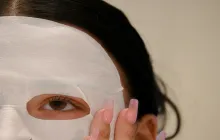
To translate that plan into practice, start with skin that looks healthy and balanced, because even the most elaborate shade work loses impact if the canvas is uneven or rough. Hydration, gentle exfoliation, and a light primer create a surface that grips makeup without creating a heavy mask. The goal is a complexion that appears effortless and refined under conditions ranging from sunlight to chandeliers. A careful choice of base products, paired with precise blending and a touch of radiance where it matters most, helps maintain a sense of realism while elevating the special nature of the occasion. Throughout this process, remember that less can be more, especially when the event emphasizes emotion and connection over spectacle alone.
Skin Prep as the Foundation of Longevity
Great makeup for a special occasion begins with skin care that supports lasting wear. A gentle cleanse followed by a lightweight moisturizer tailored to the skin type helps smooth surface texture and reduces shine in areas that tend to become oily. In some climates, a small amount of silicone-based primer can help blur pores and control texture, while in drier environments a hydrating primer can keep skin looking plump and healthy. The trick is not to overdo any one step; the aim is a balanced base that lights up under makeup rather than a layer that fights with it. For those seeking extra longevity, a touch of skin-safe silicone-based primer or a pore-diffusing product in the T-zone can provide a smoother canvas for foundation without compromising the natural skin feel.
Next, select a foundation that harmonizes with the natural undertone of the skin while offering appropriate coverage for the occasion. For daytime celebrations, a medium coverage with a satin or natural finish often reads more youthful and breathable on camera, whereas for evening events a slightly more polished finish can help skin sovereignty against flash. The blend should be seamless along the jawline and neck, ensuring there are no visible lines or mismatches when the subject moves or smiles. If powder is used, apply a light veil only where necessary to avoid a flat, dry appearance. The overarching principle is to create a cohesive surface that enhances the skin’s natural texture rather than concealing every detail entirely.
Choosing a Foundation That Reads Flawless on Camera
Photography imposes its own set of rules on makeup, and the right foundation can make a big difference in how you appear in photos. When selecting a shade, swatch along the jawline and check under different lighting conditions to make sure it neither dulls nor exaggerates the complexion. In many cases, choosing a shade that matches the skin at the cheekbone rather than the wrist yields the most accurate result, since the face tends to carry a different tone than the hands. Be mindful of undertones; a cool pink or beige undertone should harmonize with the natural flush of the cheeks rather than clash with the warmth of sunlit moments. A foundation with a subtle luminous quality can mimic healthy skin under soft lighting, while a more matte finish can endure bright flash and keep confidence high throughout long sequences of photographs.
For those who want extra staying power without sacrificing texture, consider a layered approach. Begin with a long-wearing, breathable base and finish with a lightweight setting powder in a shade that matches the skin rather than adding a new tint. You can also use a finely milled setting powder only in the center of the face where shine tends to appear, keeping the outer perimeters free to breathe. The goal is to maintain a natural, skin-like appearance that holds up under the demands of close-up shots, while preserving a believable, healthy complexion that does not drift or settle into fine lines. With the right balance, the foundation becomes an invisible ally rather than a visible mask.
Eye Makeup That Captures Attention Without Overwhelm
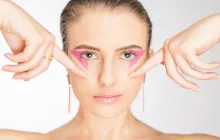
Special occasions often spotlight the eyes, requiring a careful balance of drama and refinement. Start with a neutral base shadow that matches the skin tone to create an even starting point, then build depth with a slightly deeper shade in the crease to create definition that shows up clearly in photographs. For a daytime setting, soft taupe and champagne tones can elevate the gaze with subtle lift, while a night event invites tones like metallic bronze, lilac, or plum that catch light and create dimension. When shaping the eye, a steady hand and clean brushes are essential; blend is king, and harsh lines quickly give way to a soft, flattering silhouette. If you plan to wear false lashes, select a style that flatters your eye shape and lengthens the lashes without appearing exaggerated in close-up shots.
Consider the importance of the lash line. A precise, smudged liner can enhance the gaze, provided the line is restrained and well blended. A soft, diffused liner near the waterline can define the eyes without intensifying the look too abruptly, while a more pronounced cat-eye might suit a glamorous evening event. Mascara can seal the look by adding volume and curl, but be mindful of clumping. A careful application that avoids overloading the lashes keeps the eye area open and expressive, which is especially important on days when emotions run high and photos are taken from multiple angles.
Brows and Lashes as the Frame for Your Expression
Brow shaping provides instant structure to the face, shaping how light and shadow interact with the eye area. For special occasions, aim for brows that are defined yet natural. A soft brow pencil or powder used with light, feathery strokes can recreate individual hairs and fill sparse areas while preserving a natural arch. If the event involves movement and laughter, a long-lasting brow gel can help maintain control throughout the day, ensuring the brows stay in place without looking rigid. Defining the tails a touch longer than usual can also help balance the face in photos, but the emphasis should remain on a cohesive look that does not overpower the rest of the makeup.
Lashes finish the frame. If you choose to wear falsies, select a pair that complements your eye shape and lash line length. For a more natural effect, choose lashes with a slight inward curve and a wispy finish; for a dramatic moment, opt for fuller, more voluminous designs that still align with the natural lash line. When applying mascara, focus on lifting and separating rather than piling on product. A single, clean coat on each lash can create a wide-awake appearance that reads well in candid photos and in bright lighting alike.
Special Occasion Lips: Longevity Without Compromise
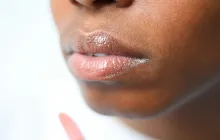
Lip makeup can define a look as decisively as eye makeup, especially in moments when speaking and smiling draw attention to the mouth. Begin with lips that are softly exfoliated and primed to accept color evenly. A lip liner that matches or slightly deepens the chosen lip shade provides a guide for precise shaping and helps prevent feathering, a concern in close portrait moments. For long-wearing results, consider a liquid lipstick with a matte or satin finish that remains comfortable on the lips; apply in thin layers and allow each layer to set before adding a second. In addition, a touch of gloss at the center of the lower lip can catch light without overpowering the overall look, particularly under flattering lighting.
When choosing lip colors, think about harmony with the rest of the makeup and with the event’s color palette. Soft pinks and rose tones evoke romance and are often well-suited to weddings and ceremonies, while deeper plums, berries, or classic reds can provide a striking focal point for formal occasions. If you anticipate a long day of photos and social interaction, prioritize a finish that remains comfortable and not overly drying; a hydrating lip liner can help prevent cracking or flaking, preserving a polished appearance from ceremony to reception. The best lip makeup supports the entire look and remains approachable in both intimate moments and wide-angle shots.
Contour and Highlight for Photographic Depth
Contour and highlight work together to sculpt the face and catch light in a flattering way. While heavy contour was once a trendy statement, modern approaches favor a softer, more natural sculpt that enhances bone structure without appearing artificial on camera. Choose a contour shade that is just a step cooler than the skin tone for subtle definition; apply along the hollows of the cheeks, the sides of the nose, and around the jawline with a light, controlled hand. Blend meticulously to avoid visible lines, letting the product fade into the base makeup for a photograph-friendly finish. Highlight should mimic the way light naturally falls on the face; place it on the high points such as the tops of the cheekbones, the bridge of the nose, the brow bone, and the cupid’s bow with a gentle hand and a soft sheen that catches the light without appearing metallic.
Remember that photo-friendly contouring is about translating three dimensionality into two dimensional images. The goal is subtle enhancement rather than a dramatic sculpture. If the event involves dramatic lighting or a red-carpet ambiance, you can slightly increase the contrast between highlights and shadows to maintain definition in photos. The most effective technique remains blending that preserves a natural look while ensuring the features stay visible in any lighting condition. A well-balanced approach to contour and highlight helps the makeup read cleanly from every angle and in motion, whether you are walking, laughing, or exchanging affectionate moments with someone special.
Color Harmony and Face Mapping for the Occasion
Harmony between skin, eyes, and lips creates a cohesive look that feels deliberate rather than accidental. A balanced color map starts with the chosen eye and lip colors and then ties in blush and bronzer to echo those hues without competing. Consider the event’s color scheme and the season; wedding palettes often favor softness and warmth, while formal evenings can embrace deeper, more saturated tones. Blush should enhance the complexion with a natural flush, not overpower it. When adding bronzer, opt for a shade that looks plausible on the skin in the given light, applying in areas where sun naturally hits for a believable contour. The interplay of color can be subtle yet transformative, guiding how others perceive mood, warmth, and confidence in the person wearing the makeup.
Color coordination also involves selecting shadows and liners that complement the person’s eye color and attire. A harmonious approach uses one or two shared undertones across products to unify the look. For example, a cool-toned taupe with a soft rose blush can create a refined, modern appearance, whereas a warm copper shadow paired with a peach blush can evoke a romantic, celebratory feel. The aim is unity rather than fragmentation, ensuring that each element supports the overall expression rather than drawing attention away from it.
Finishing Touches: Setting, Hydration, and Fixatives
Finish and stability become essential when the event involves long hours, dynamic movement, or emotional moments that produce natural skin changes. A light mist of setting spray can be the final kiss of sealant that binds the makeup to the skin while preserving a natural look. If you prefer powders, choose a translucent option that does not alter color or undertone and apply it only where necessary to control shine. The key is to avoid a heavy, chalky appearance that resembles a mask in photographs. A gentle approach to setting, paired with a continuous awareness of how the makeup is wearing, keeps the appearance fresh without daily maintenance interruptions.
Hydration remains crucial throughout the day, especially if the event takes place in a drier indoor environment or in air-conditioned spaces. A lightweight facial mist or a small amount of primer with hydrating features can help maintain comfort and prevent the look from drying out or cracking as the hours pass. A discreet touch-up ritual at natural breaks, such as after a meal or during a quiet moment, can refresh the makeup while preserving the original intent. The final impression should be a confidence that radiates from within, supported by a makeup application that respects the person’s natural features and the event’s distinctive atmosphere.
Weather, Environment, and Lighting Considerations
Environmental factors can dramatically change how makeup behaves over the course of a special occasion. Humidity and heat cause shine and slip, while dry climates promote cracking and an aged appearance. If the forecast calls for high humidity, aim for formulas with better oil control and a texture that remains comfortable on warm skin. In cooler environments, richer textures and a slightly heavier base may be appropriate to preserve color fidelity and depth. Lighting is another decisive factor; daylight emphasizes natural undertones and skin texture, while artificial lighting, including tungsten or cool LEDs, can modify perceived color warmth. A methodical approach that anticipates these differences helps ensure the chosen makeup remains appealing from first look to final farewell.
When engaging with photographers or videographers, consider test shots in the environment where the event will unfold. A quick peek at images under the actual lighting helps verify that the makeup reads as intended, especially around the eyes, lips, and cheek area where reflections can be most noticeable. If possible, schedule a practice session in a location that mirrors the event setting, using the same lighting and camera distance to understand how the look will translate to stills and moving sequences. The goal is to avoid surprises and to feel assured that the makeup enhances rather than competes with the moment being captured.
Texture, Application Techniques, and Tool Choices
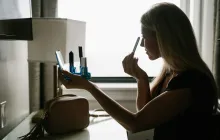
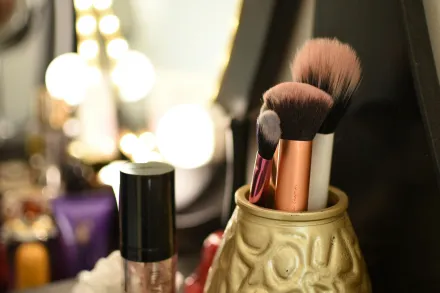
Texture plays a decisive role in how makeup feels and lasts. The choice between creamy, powder, and liquid textures is often dictated by the skin type and the event’s demands. Dry skin benefits from cream or hybrid formulations that glide smoothly and hydrate the surface, while oily skin may benefit from powder or satin-finish products that control shine in busy social moments. The tools used to apply makeup influence both the evenness and the final appearance; high-quality brushes that are suited to the task—soft blending brushes for eyes, precise liners for the lash line, and fluffy brushes for sculpting—help achieve a professional finish. When you apply, use light pressure and build gradually, allowing color and coverage to accumulate softly rather than in heavy, abrupt layers.
Sponges can be advantageous for certain bases because they help press pigment into the skin and minimize streaks, but brushes often provide better control for precise lines and blends in areas like the eye and lip edges. Cleanliness remains essential; using clean tools prevents color contamination and reduces the risk of irritation. A routine that includes cleaning brushes regularly not only maintains hygiene but also sustains the integrity of the makeup results. Every stroke should feel confident and deliberate, reinforcing a sense of control that translates into ease during the day or night of the event.
Practice Runs and Confidence-Building Rituals
Practice and preparation reduce anxiety on the day of the event and increase the likelihood of a look that feels effortless. A trial run gives space to test color combinations, texture choices, and wear-time under conditions similar to those expected on the big day. If you wear makeup infrequently, a trial also serves as an opportunity to familiarize yourself with product performance and to understand how different products interact with your skin. Documenting the trial with notes or photos helps you recall which shades you preferred and which techniques yielded the most flattering results, turning a single practice session into a reliable reference for the actual occasion.
During practice, consider lighting that approximates the anticipated environment. Use a mirror with natural daylight exposure as a baseline, then check the look under artificial light to see how colors shift or intensify. This cross-check ensures that the final application remains true to the intended aesthetic in all settings. A comfort check is equally important; wearing the look for a few hours during the practice helps reveal any areas that feel heavy, dry, or prone to smudging. A well-planned rehearsal fosters confidence, enabling you to enjoy the event rather than worry about appearance.
Closing Thoughts on Personal Style and Expression
Although guidelines and product recommendations provide structure, the most compelling makeup for a special occasion is a reflection of personal style and the way a person interacts with others. The makeup should enhance rather than obscure identity, supporting the expression of joy, excitement, and individuality. When you choose colors, textures, and finish that align with your preferences and the event’s tone, you create a sense of authenticity that resonates with everyone you meet. The best looks feel effortless because they are rooted in a clear sense of self and a thoughtful understanding of how makeup communicates mood and character across different moments and people.
Ultimately, makeup for special occasions is an art of balance. It requires attention to detail, awareness of the setting, and a willingness to adapt while staying true to personal style. With careful skin preparation, strategic product choices, and disciplined application techniques, you can achieve a look that endures through photographs, speeches, and shared laughter. The result is a radiant, confident presence that shines in every frame and in every memory created during the event.