Smokey eyes are a timeless makeup statement that can be soft and sultry or bold and dramatic depending on technique and color. The essence of a proper smokey eye is blending to create a velvety gradient that moves from lighter tones near the inner corner to deeper drama on the outer lid and lash line. Achieving this look requires a combination of skin prep, color theory, brush control, and maintenance throughout the day or night. In this guide, we explore the artistry behind smokey eyes with practical tips, explained in accessible language, and supported by careful consideration of eye shapes, skin types, and lighting conditions.
At its heart, a smokey eye relies on harmony and balance rather than a rigid sequence of steps. It invites experimentation with textures, from matte to satin or a subtle shimmer, while keeping the edges soft and forgiving. A well executed smokey eye can enhance eye color, add depth to the gaze, and work across different makeup styles from classic silhouettes to contemporary takes. The key is patience, deliberate blending, and attention to the way pigment interacts with your eyelid skin, the crease, and the lash line.
Understanding the basics of smoky eyes
The foundation of a compelling smoky eye is a smooth, even base on the eyelid that catches pigment without caking. Priming the eye area helps prevent creasing and ensures that shadows lay down with intention rather than disappearing into fine lines. A translucent base or a skin tone matching primer creates a forgiving surface, allowing color to appear true and to blend gracefully into the surrounding skin. The choice of base should consider personal undertone, ensuring that the chosen primer does not alter the color of the shadows in unexpected ways.
Color theory plays a significant role in shaping the mood of a smoky look. Warm tones such as taupe, bronze, or copper lean into a sunlit radiance, while cool tones like charcoal, slate, or deep plum convey a nocturnal, sleek vibe. The transition from light to dark is what defines the smokey effect more than the presence of dark shades alone. The inner corner may carry a touch of light to brighten the eye, but the goal remains the seamless glide from bright to deep, allowing the eye to appear larger and more defined without harsh lines.
Choosing the right palette and brushes
Selecting a palette that suits your eye color and skin tone is an exercise in balance and intention. Neutrals with a hint of warmth often provide versatility, while richer tones can intensify the drama for evening wear. A cohesive set of shades that includes a light transition color, a mid tone, and at least one deep shade helps in building the gradient that defines the smokey eye. For many, a satin or matte finish yields the most flattering look, with a subtle shimmer reserved for the inner corner or center of the lid to catch light without risking glittery fallout on the under-eye area.
Tools matter as much as the shadows themselves. A small, dense shader brush excels at packing pigment onto the lid, while a fluffy blending brush helps diffuse edges into a soft haze. A tapered brush is handy for precise application along the lash line, and a clean blending brush can be used to soften transitions without adding extra product. Quality brushes that hold their shape and deliver consistent color payoff are worth investing in, because they influence how evenly the pigment deposits and how easily edges blend into the skin. The same rules apply whether using cream or powder formulas, since the goal is control, not only color intensity.
Prep and prime for lasting intensity
Prepping the eyelid is an extension of the broader skincare routine, and it should address both texture and longevity. Start with a gentle cleanse to remove oils and impurities, then apply a lightweight moisturizer if the skin feels dry, or a balancing thin veil of a primer designed for eye use if the lid tends to crease. For those with oily lids, a mattifying base can help absorb excess oil and reduce the chance that shadows will slip or migrate. The goal is to establish a stable canvas where pigment can grip evenly and stay true from morning light to evening glow.
Alongside primer, consider a skin tone coordinated base such as a pale concealer or a skin tone corrector to neutralize redness or darkness that could distort color. A subtle translucent setting powder can be pressed along the lid to set the base without dulling pigment, ensuring that the color remains vibrant when the brush meets the skin. When choosing between powder and cream products, keep in mind that creams often deliver richer color but may require more blending time, while powders can be easier to sheer out and build. The decision should reflect personal preference and the particular occasion for which the look is intended.
Techniques for depth and blend
The core of a smoky eye is the artistry of blending across multiple layers. Begin by applying a light transition shade above the crease to establish a soft halo that guides the eye. Layer a mid tone across the lid, focusing the most saturated color on the center and outer third of the lid to encourage depth where the eye naturally recedes. The final step uses a deep shade along the lash line and into the outer corner, sweeping back and forth to create a tapered, winged effect that remains integrated with the rest of the shadow rather than sitting as a separate block of color. The trick is to keep movement continuous, avoiding abrupt edges that can crack the smoky illusion.
Edge management is essential. Use a clean blending brush to diffuse harsh lines by sweeping in small circular motions along the seam where shades meet. For cream textures, a light touch with a synthetic brush can create a feathered transition, while powder shadows benefit from a slightly damp brush for extra intensity but still require careful blending to avoid a muddy appearance. If liner is used, it should be controlled and thin at the inner corner, gradually thickening toward the outer corner to accentuate the shape without overpowering the lid color. Gentle layering and patient blending yield the most flattering, elongated eye shape.
Variations for different eye shapes
Different eye shapes respond differently to smoky techniques, and adapting the approach can preserve harmony with the natural structure of the eye. For example, monolid lids often benefit from slightly moister consistency in shadows to prevent creasing, with a focus on luminous mid tones to reflect light evenly from lid to brow bone. Deep shades can be concentrated on the outer third to create the illusion of depth, while a lighter inner portion prevents the eye from appearing smaller. Hooded eyes require an upward lift of color into the upper crease, ensuring that the smoky effect remains visible when the eyes are open and not obscured by overhanging skin.
Almond and round eyes respond well to a softened outer wing, where the outer corner is extended modestly to widen the gaze. For those with smaller eyes, a brighter inner corner and a gentle gradient toward the lash line can make the eye appear larger without sacrificing the smoky mood. Prominent eyes can support bolder, higher-contrast color, but even here the blend should be impeccable to avoid looking harsh. Regardless of shape, the principle remains the same: balance the intensity with the natural contour, so that the eye reads as a coherent, elegant silhouette rather than a string of separate color blocks.
Daytime to nighttime transitions
One of the practical advantages of smokey eyes is that they can be adapted for different lighting and occasions with strategic adjustments rather than a full redo. For daytime use, reduce the depth by switching to lighter taupes and soft browns, or by limiting the smoky effect to a tight band along the upper lash line. The goal is a refined, polished look that brightens the eyes without dominating the face. For evening wear, embrace richer pigments, more pronounced blending, and optional lash-enhancing techniques to amplify drama while preserving a refined edge that photographs well under dim lighting.
Textures can shift the perception of the smokey eye as well. A satin finish reflects more light than a flat matte, giving a velvety glow that feels modern and wearable in low light. A subtle shimmer applied at the center of the lid or along the inner corner can draw attention upward, while keeping the outer silhouette dense and sultry. The transition between tones can be softened with a touch of color intensity on the outer third, ensuring the overall effect remains cohesive and not fractured by harsh color blocks. In practice, the same palette can express a quiet day look or a dramatic night look with only minor adjustments in shading and placement.
Common mistakes and fixes
Common missteps include stacking too many heavy shades in close proximity, which can create a muddy, harsh appearance rather than a streamlined gradient. To correct this, revisit the blend with a clean brush and a light neutral shade to reestablish the transition, then reapply the deeper shade only where needed to deepen the outer corner. Another frequent issue is poor primer or insufficient setting powder that leads to creasing or fading. If creasing occurs, a light touch of concealer or primer in the crease can re-wake the color, followed by a thin veil of translucent powder to lock the pigment in place again. The key is to observe how the pigment behaves over time and to adjust the layering method accordingly.
Overloading the lash line with pencil or gel can cause the look to look heavy and less cohesive. Instead, use short, feathered strokes close to the lashes and blend upward into the lid color, allowing the eyes to breathe and for the line to blend more naturally into the shadow. Blending mistakes often betray hard edges; the remedy is a deliberate, patient sweeping motion with a clean brush, working slowly from the center outward. Finally, consider lighting when evaluating the look, as artificial light can exaggerate or mute certain tones; a quick check in natural daylight helps ensure the effect remains balanced across environments.
Care and removal tips for smoky eyes
Smoky eye makeup benefits from careful removal that respects the delicate skin around the eyes. Start with a gentle, oil-based remover or micellar water that dissolves the pigments without requiring aggressive rubbing. Soak a cotton pad and hold it over closed lids for a few seconds to break down the color, then wipe away with a light, downward motion to minimize tugging on the delicate skin. Following removal, rinse with a gentle cleanser and apply a hydrating eye cream to restore moisture and support the skin's barrier after cleansing. If waterproof formulations were used, additional attention may be needed to ensure all traces are removed without dragging or pulling on the skin.
In the days following a smoky eye, keep the eye area well moisturized and protect the skin with a mild sunscreen if you will be exposed to daylight. Some formulas can be drying, and the corrective care helps prevent the eyelid from looking flaky or uneven because of repeated makeup wear. If you notice irritation, switch to formulas labeled for sensitive skin and consider patch testing new products before full application to avoid unwanted reactions. Proper removal and gentle care preserve the eye area and help maintain the appearance of future makeup looks, making smoky eyes a sustainable part of a makeup routine rather than a one-off experiment.
Maintaining color payoff and longevity
Long-lasting smoky eyes start with color payoff that remains vibrant from morning through evening. One approach is to layer products starting with a creamy base that adheres well to the lid, followed by a powder shadow that builds depth and depth without caking. The creamy layer enhances adhesion, while the powder delivers the body and staying power. A subtle setting technique, like pressing powder onto the lid rather than sweeping it, can help minimize disturbing the base while enhancing color saturation. Over the course of the day, a light touch with a clean brush to reblend edges can refresh the look without requiring a full remake.
The choice of formula influences longevity as well. Cream shadows can deliver intense color with minimal effort yet may require more frequent touch-ups, whereas powder shadows often wear more steadily but demand careful blending to avoid harsh lines. Gel liners along the lash line can anchor the look, improving sustained color and the definition of the outer corner. A properly cured liner in combination with sealed edges tends to resist creasing and fading, particularly when paired with a low-sheen lid that holds pigment evenly. The overall strategy is to pair products that complement each other in texture and performance, ensuring a uniform appearance across the entire eye area throughout the day.
Tricks with liner, lashes, and mascara
Liner can dramatically sharpen a smoky eye when used precisely. A thin line along the upper lash line that slightly thickens toward the outer edge creates the intensity of the look without visually shrinking the eye. Smudging a pencil liner with a small brush against the lash line adds a softened boundary that blends with the shadows rather than competing for attention. For added drama, a black or deep brown liner can be layered over a lighter base to deepen the color, while keeping the uppermost edge softly blurred. The key is restraint in placement and the willingness to refine the edge until it reads as a natural extension of the shadow gradient rather than a separate stripe.
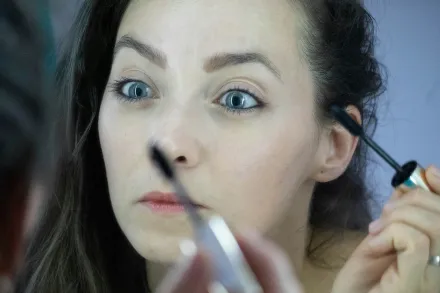
Lashes frame the smoky effect with a final flourish. A curling technique prior to mascara helps lift the lash line and opens the eye, creating more room for the shadow to interact with the skin. Mascara should be chosen with longevity in mind; waterproof formulas resist humidity and tears, ensuring the look remains intact, while a volumizing black mascara adds density to the lashes for a more dramatic silhouette. For extra impact, consider a touch of false lashes or individual clusters at the outer corner to emphasize the winged dimension without overloading the entire lash line. When applied with care, lashes become a natural extension of the smoky color story rather than a separate accent.
Inspiration and style notes
Smokey eye aesthetics have a long history, evolving with fashion and individual expression. A modern smokey eye often embraces clean lines and soft blends as the foundation for a sophisticated evening look, while a fashion-forward interpretation may incorporate unexpected color pairings, such as blue-toned purples or slate grays, for a contemporary edge. The style you choose can reflect mood, occasion, and personal color preferences, and it should align with the rest of your makeup for a cohesive appearance. The inspiration can come from mood boards, runway imagery, or candid photographs where lighting reveals how different tones catch the eye in motion and at rest.
To maintain originality, experiment with the placement of color along the crease and lash line as if painting a living outline of your eye shape. Use substitute hues or muted variations to update a classic smoky look while preserving the essence of depth and softness. People often find that adjusting the intensity of highlight near the inner corner or the outer edge changes how dramatic the eye appears in different environments, so feel free to adapt the shadows' brightness to suit the setting without sacrificing the signature smokey mood. The art lies in listening to your eye’s natural structure and shaping color to reinforce its contours rather than overpower them.
Experimenting with textures and finishes
Texture choice can redefine a smoky eye, offering subtle variations in how light interacts with the pigment. Matte shadows create a velvety, modern silhouette that reads as sophisticated in professional settings, while satin finishes add a touch of luxe luster that softens the look without introducing harsh reflections. A pinch of shimmer can be reserved for the center of the lid to draw the gaze forward, creating a focal point that holds attention without competing with the outer depth. The blend between textures should feel seamless, as if all shades dissolve into one another rather than sitting as distinct layers.
Cream shadows offer a creamy canvas that blends more easily in some cases, especially on mature eyelids or lids with fine lines. They tend to require a steady hand and a light touch to avoid creasing, but when set properly with a compatible powder, they can deliver exquisite depth with a luminous glow. Powder shadows might be preferred for their longevity and ease of correction, particularly in hot or humid environments where makeup tends to move. The choice of finish should consider personal comfort, the eye’s natural movement, and the event's lighting to ensure the smokey look remains readable and elegant from every angle. In any case, the artistry lies in consistent blending, thoughtful placement, and an openness to adjust the color story until it harmonizes with the wearer's features.