In the world of makeup, the goal for a round face is not to erase its natural softness but to use technique that creates the illusion of length and slenderness where you want it most. This journey begins with a mindful assessment of proportions, recognizing that a round face typically features fuller cheeks, a softer jawline, and a width that feels evenly distributed. By approaching makeup with intention, you can highlight the parts you love and subtly redefine the perception of distance between cheekbones, temples, and chin. The process is about balance as much as it is about color, texture, and placement. Rather than chasing drastic changes, the most successful looks rely on a slow, confident application that respects your natural shape while guiding the eye toward a more elongated silhouette.
To begin, it helps to understand how light interacts with a rounded silhouette. When light hits the face evenly, the impression is softness and volume from every angle. By gently introducing shadow in strategic zones and letting highlights land in others, you control the way the face reads from different perspectives. The core idea is to push the outer edges of the face inward and upward while keeping the center of the face bright enough to maintain a healthy radiance. The result is a face that still feels familiar and fresh but appears visually slimmer and more sculpted. This approach works across skin tones and ages, adapting to the natural contours rather than fighting them.
One of the most transformative tools in this makeup journey is the dual concept of contour and highlight. Contour acts as a whisper against the skin, a subtle depth that defines the curves you want to emphasize without creating harsh lines. Highlight, on the other hand, draws attention to the areas you want to appear brighter, which in round faces can help create the illusion of length when the light naturally falls away from the perimeters. The harmony between these two elements requires a soft hand and a well-blended finish. It is more about seamless transition than a dramatic division, and meticulous blending is the secret that turns a good look into a polished, professional result. Gentle diffusion becomes your guiding principle, ensuring that margins between light and shadow stay invisible and believable.
Understanding the Round Face and How Makeup Changes Perception
Round faces are often characterized by equal width and height proportions, with fullness in the cheeks and a relatively short forehead and chin. This symmetry, while beautiful, can sometimes read as youthful or spherical when makeup lines are too heavy or placed too low. The goal is to reframe the face in a way that adds visual length without removing its inherent softness. Establishing a vertical flow is essential; it draws the eye along a path from the temples toward the cheekbones and then down to the jawline in a gentle ascent. You want makeup to guide the viewer's gaze to move upward and outward rather than staying centered, which helps create the impression of more defined cheekbones and a slightly more sculpted silhouette.
Texture plays a nontrivial role as well. A skin surface that looks natural, neither flat nor chalky, is crucial to achieving a refined result. Matte finishes on contour areas help the shadows stay crisp and believable, while a satin or dewy highlight on targeted spots keeps the complexion lively. The balance between texture and color is delicate; too much shimmer in the wrong place can widen the face visually. The trick is to place glow where you want attention and keep the surrounding areas softly matte, so the overall effect reads as controlled artistry rather than a heavy-handed attempt at contouring. Your choices in finish should mirror both your skin type and the lighting conditions in which you most often present yourself.
Another critical consideration is how brow shape and eye makeup contribute to the perception of face length. For round faces, eye-line techniques that lift and elongate the outer corners can visually extend the vertical dimension. This does not imply dramatic or caricatured shapes; instead, it favors a subtle wing that lengthens the lash line and a softly contoured brow that rises slightly toward the temple. The overall aim is a cohesive look where every element—from frame to fringe of lashes to the shade of lipstick—points the eye upward and outward. A well-balanced palette, with the right harmony between skin-tone matching, depth at the temples, and brightness at the center of the face, yields a more elongated yet natural appearance.
Contour and Highlight: The Core Principles of Sculpting Round Faces
Contour placement on a round face should be mindful of natural bone structure. The temples and the hollows beneath the cheekbones are ideal zones to introduce depth because shadows there can visually narrow the width at the sides of the face without creating a heavy effect. Using a cool to neutral undertone for the contour shade helps simulate natural shadows rather than creating a fake chiseled line. The goal is a soft, diffused edge that blends into the skin with no harsh borders. When contouring, avoid mapping circles around the entire cheek area. Instead, draw a slim, elongated stroke that starts near the ear and finishes toward the corner of the mouth, keeping the line light and forgiving as you build color gradually.
Highlighting should be reserved for the center of the forehead, the bridge of the nose, the tops of the cheekbones, and the chin. The aim is to pull light toward the center and keep the outer edges slightly receded. A radiant center can make the face look more slender as long as the rest of the surface remains properly subdued. The blend should be immaculate, with no obvious demarcation. A lightweight formula with a natural sheen is often preferable to a heavy metallic glow because it translates more realistically in varying environments. Remember that less is more; you can always add more, but you cannot erase an overly bright highlight once it is placed and diffused.
In practice, the most forgiving approach is to start with a barely-there base of contour and a gentle dusting of highlight, then refine only after you assess the overall balance in natural light. As you grow more confident, you can adjust the intensity by layering very small amounts of product and blending thoroughly. The nuanced interplay between shadow and light can transform a merely pretty face into one that reads length and definition without sacrificing softness. This is where technique and patience become your strongest allies, and where your personal style begins to emerge through the subtleties of placement and blending velocity.
Foundation and Base for a Sculpted Look
The foundation you choose should complement your skin tone exactly, providing a seamless canvas for the contour and highlight work that follows. For round faces, a base with a slightly satin or natural-matte finish tends to harmonize with the skin’s natural texture, preventing the face from appearing flat. It is often wise to avoid excessively dewy foundations in the areas you want to sculpt, because excess shine can obscure the definition created by contour products. Apply foundation evenly across the face, ensuring a smooth gradient at the hairline and jawline so there are no obvious lines of demarcation. The aim is to achieve a unified surface that reads as three-dimensional as the rest of your features while remaining true to your natural complexion.
Matching your foundation to your neck and chest when possible reduces the risk of a visible color mismatch that can undermine contour work. In cooler climates or during seasons when the complexion tends toward pale warmth, slightly adjusting the undertone to a subtle neutral can produce a more natural transition between facial planes and the periphery. The base should support the contour and highlight without drawing attention away from them. As you build your routine, you may discover that a light dab of concealer in targeted areas brightens under-eye circles or minor imperfections without disrupting the overall clarity of the sculpted look. The key is to maintain an even, natural complexion while allowing the architectural elements of the face to come forward through shading and light play.
Bronzer plays a special role on a round face because it introduces warmth while also defining edges. A light to medium bronze brushed along the outer perimeter of the forehead and temples, softly along the cheek hollows, and down the sides of the jawline adds dimension. The color should mimic an impromptu tan rather than a painted line of color. A feathering technique—blending in small circular motions and maintaining a diffuse boundary—ensures the bronzer becomes a believable shadow rather than a painted contour. When used with restraint, bronzer enhances the overall sculpt without creating an abrupt separation from the base. For those with dry or mature skin, cream formulas blended with a damp sponge can deliver a more natural transition and a seamless integration with the foundation beneath.
Cheek Emphasis and Blush Placement for Length and Definition
Blush is a powerful ally in altering perceived geometry because it sits at the intersection between color, warmth, and facial shape. On a round face, applying blush along the apples of the cheeks is not the most flattering choice if you aim to create length. Instead, moving the blush slightly upward along the cheekbone toward the temple gives a lift effect that elongates the visage and makes the cheek appear higher and more sculpted. A soft flush that blends toward the temple reduces emphasis on the fullness of the mid-face and nudges the eye along a vertical slope instead of across a broad center. The color should harmonize with the overall skin tone; a pink or peach that is too bright can redirect attention to the center rather than outward toward the edges, so a muted, natural tone tends to work best for contouring with the blush side of the face.
When choosing the intensity of blush, think in terms of the surrounding contour and highlight. If the contour is deeply defined, the blush can be a touch more subtle so that the cheeks do not compete with the sculpted lines. Conversely, a softer contour may benefit from a slightly more noticeable blush to maintain a lively, healthful presence. The brush stroke should mimic a gentle upward sweep, never a harsh diagonal that would pull the eye downward. A well-positioned blush can also serve as a bridge that connects the highlighted central zones with the shaded periphery, creating a cohesive transition that reads as a carefully orchestrated sculpting rather than a patchwork of makeup.
In addition to blush, the consideration of highlighter on the upper cheekbone should be deliberate. A precise application on the top ridge can accentuate lift while the surrounding contour keeps the width of the face in check. The blending up toward the temple ensures the glow reads as a natural light-catching feature rather than an obvious bright spot. This technique works particularly well when the rest of the makeup remains soft and restrained, allowing the cheekbone to become a focal point that guides the eye along a slender trajectory instead of lingering in the roundest part of the face.
Contouring the Jawline and Neck: Creating a Slimmer Profile
Defining the jawline is one of the most effective ways to alter the impression of roundness. A subtle, elongated shadow along the hollow of the jaw can create the perception of a sharper, cleaner line. The contour should start from the ear, trace inward toward the center of the jaw, and fade just above the chin, never resting on the entire jawline in a single, thick stripe. The goal is a quiet depth that hints at structure without appearing heavy. Outlining with a precise, soft edge helps the jaw recede visually and provides a distinct separation between the face and the neck. The neck itself, if visible, can benefit from a touch of bronzer along its edges to further delineate the jawline. The key is to keep everything soft, well-blended, and integrated with the rest of the face so the result remains natural and believable rather than theatrical.
Another important consideration is how to handle the lower portion of the face when it rests in shadow or light differently from the upper portion. If the chin is round, a gentle highlight centered on the chin can balance the lower face with the cheek-centric contour and prevent the look from becoming too flat. When combined with a light-touch contour around the jaw and a shadow that extends slightly behind the chin along the neckline, the face reads as elongated rather than compact. The final effect should feel coherent with the neck and the throat area, which often reveals the most about the overall length of the silhouette. Practice with a slow, patient blending method, and always assess the result from multiple angles to ensure a natural, three-dimensional outcome.
Framing the Face with Hair and Brows: Subtle Visual Tricks
Although hair and brows are not makeup in the strict sense, they are essential tools for shaping perception. The frame around the face can either enhance roundness or create the illusion of length. A soft, upward brush of eyebrow tail toward the temple introduces subtle vertical lines that contribute to a longer look. Brows should be defined but not overly bold across the entire arch; a tapered tail can stretch the eye line and draw attention outward without dominating the face. For many, a gentle, airy brow with a slightly arched shape offers the most balanced result on a round face, providing a lift that complements the contour and highlight work. Hairstyling choices, including lightweight layers away from the cheeks, can also contribute to elongation when paired with appropriate makeup lines. The harmony among hair, brows, and facial makeup is essential, and experimenting with slight variations across seasons can help you identify the solution that suits your features best.
Additionally, face-framing strands and soft waves near the temples can help soften the impression of width while maintaining a confident silhouette. The aim is a seamless integration where hair acts as a natural extension of your makeup design, guiding the eye toward the angles you want highlighted. By considering how each element interacts with light and shadow, you can achieve a cohesive appearance that elevates your look without appearing contrived. A measured approach to brow definition, hair texture, and placement creates a holistic aesthetic that respects the round form while giving you room to express personal style.
Eye Makeup for Proportion: Balancing the Face with Liner and Shadow
Eye makeup can play a decisive role in shaping the perceived proportions of a round face. A carefully drawn liner that travels slightly beyond the outer corner of the eye can elevate the eye line and contribute to an impression of length. A delicate cat-eye or a soft wing extends the lash line outward and upward, guiding attention toward the outer edges of the face rather than pooling in the center. This technique should be executed with a light touch and a steady hand, so the line remains refined and not overpowering. Additionally, eyeshadow can be layered to create vertical emphasis. A shade that is slightly darker on the outer half of the lid or along the crease, blended outward, can add depth without shrinking the eye area. The color choices should harmonize with the rest of the makeup, avoiding stark contrasts that draw attention away from the carefully sculpted face.
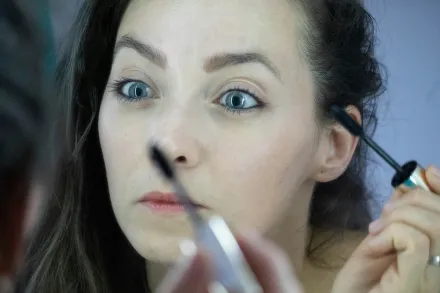
Another useful strategy is to keep the inner corners bright and the outer corners softly shadowed, which helps the eye appear more open without increasing the width of the face. Mascara technique can contribute to this effect as well; a spoolie-focused approach that emphasizes lifting the outer lashes slightly can elongate the eye shape and impart a more elongated aesthetic. When applying any product near the eye, precision and a light hand are your friends. A clean, controlled application creates a refined appearance that complements the contour and highlight work performed elsewhere on the face, ensuring a balanced overall look rather than a disjointed combination of separate features.
Lips and Smile Lines: Achieving Harmony and Focus
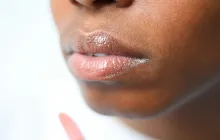
Lip makeup can subtly influence how long a face appears by shifting focus toward the center or away from the width of the mouth. For round faces, choosing a lip shape and color that elongates the mouth and lifts the corners can contribute to a more vertical reading. A slightly overdrew lip line with a carefully blended lipstick can create the illusion of length, but the definition should be gradual and natural, not stark. A matte or satin finish generally sits more comfortably on a round face than a high-gloss look, which can attract attention to the center of the face. An ombre lip, softly blended toward the center, can also add vertical interest without overpowering the rest of the makeup. The goal is a lips that feels proportionate to the rest of the design while enhancing a serene, elongated expression.
Smile lines, if present, can be softened with a light touch of concealer or foundation around the edges of the mouth, then reapplied with a coordinating lip color. The idea is to preserve the natural character of the smile while ensuring the lips retain presence, especially in photographs or social occasions where lighting may flatten features. The final effect should be approachable and harmonious, ensuring the lips contribute to the overall length and balance rather than becoming a focal point that disrupts the sculpted contours elsewhere on the face.
Color Palettes and Textures to Enhance Round Faces
Color choice matters as much as placement. Warmer tones with soft neutrals tend to create a gentle, sun-kissed glow that naturally elongates the face, whereas overly cool or high-contrast palettes can emphasize roundness rather than defy it. The best palettes blend seamlessly with the skin while offering enough differentiation to sculpt the features through shade. Textures should be chosen with care to maintain a natural appearance; powder formulas are often ideal for contour and setting on many skin types because they diffuse evenly. Cream products can be excellent for mature or dry skin when blended carefully and layered to avoid cakiness. The aim is to preserve the skin’s texture and glow while cultivating quiet depth around the temples, cheeks, and jawline, so the overall image reads as cohesive rather than layered with disparate components.
When selecting colors, consider your undertone and how the color plays with light in both natural and artificial settings. Subtlety is your ally; a slight shift in shade toward the cooler side for contour on warmer skin can keep the contour from appearing muddy, while a light warm touch on the cheeks can provide life without widening the center of the face. Likewise, the highlight should be chosen to catch light without appearing luminous to a fault. The right combination makes the face appear longer with a soft, confident radiance that remains true to your natural beauty.
Common Mistakes and How to Avoid Them
Many people attempt to treat a round face with heavy lines that read as mask-like or overly dramatic. The result is a face that appears flat or stretched in unfavorable directions, with contour lines that are too intense and highlights that create an almost metallic effect. A frequent misstep is placing contour too low on the cheeks, which can exaggerate width rather than reducing it. Another error is using a contour shade that is too warm or too cool for the skin, creating a visible, unblended stripe rather than a natural shadow. Yet another pitfall is overemphasizing the center of the face with brightness, which can draw attention to the fullness rather than guiding the eye outward. Avoiding these mistakes requires a patient approach, careful blending, and a willingness to step back and reassess in natural light before moving on to additional layers of color. The aim is a refined, seamless evolution of the face rather than a dramatic, isolated effect that fails to integrate with the rest of the makeup.
Practically, this means testing each step in a viewing environment that resembles daytime lighting, then walking away for a few moments before returning to check edge transitions. It also means building in layers rather than applying a heavy single sweep of product, ensuring that contour, blush, and highlight are all working in service of a longer, more vertical silhouette rather than a series of separate zones. Finally, it means embracing a softer approach to the brows, eyes, and lips so that no single feature overwhelms the rest. When in doubt, start with a lighter touch and gradually increase intensity, prioritizing balance over boldness. This philosophy keeps the look elegant and functional across different occasions and lighting conditions.
Daily Routine: A Comfortable, Effective Makeup Flow
A practical daily routine for round-faced individuals begins with skin preparation that supports the makeup’s ability to stay true throughout the day. Cleansing, moisturizing, and applying a light sunscreen set a clean stage for makeup to sit. The base is applied evenly, creating a smooth canvas that allows contour and highlight to blend without patchiness. The contour shade is introduced with a very light touch along the temples and the upper hollows of the cheeks, followed by a gentle blend toward the ear. The goal here is to keep the lines soft and to prevent any harsh edges that would interrupt the face’s natural line. After the contour, a bronzer can be added lightly along the outer perimeter of the face to unify the look and add warmth that complements light and shade interplay. The blush is applied slightly higher on the cheeks toward the temples, and the highlight is placed on the high points of the face to maintain a bright center while the edges stay subdued.
The eyes are shaped with a subtle liner that extends outward into a modest wing, and the eyelids receive a light wash of color that enhances depth without crowding the lid space. Mascara is used to lift and separate the lashes, further opening the eye at the outer corner. The lips are defined with a shape that mirrors the vertical emphasis of the rest of the makeup, ensuring that the mouth complements the elongated look. A setting spray or light powder is then used to ensure longevity without compromising the softness of the blend. The finished routine should feel effortless, consistent with your daily activities, and easy to repeat with the same level of control each morning.
Special Occasions and Seasonal Adjustments
For special occasions, the makeup can be slightly more pronounced while still maintaining the core principle of elongation. A more saturated contour shade can appear flattering under stronger lighting, paired with a more intense, yet still blended, highlight to catch the light dramatically. In warmer seasons, the skin tends to have a natural radiance; you might choose a slightly lighter contour to avoid appearing too heavy when the sun is bright, while the blush can be pushed a touch higher to intensify vertical length. In cooler months, a touch more color in the cheeks and a well-balanced highlight can create a refined glow that remains tasteful. Regardless of the season, the focus remains on maintaining proportional balance, ensuring that every element works together to produce a cohesive, lengthened silhouette while remaining true to your personal style.
Occasion-specific looks may involve stronger eye lines or bolder lips, but the underlying logic should stay consistent: elongate the vertical reading of the face, soften the width at the sides, and keep transitions between light and shadow smooth and believable. The artistry is in precision and restraint, and the most memorable looks are those that convey confidence through thoughtful, deliberate placement rather than through dramatic, isolated strokes. You want the overall impression to be polished and expressive at the same time, a look that feels inevitable because every part of it seems to belong to the same thoughtful design.
Maintaining Your Look: Tools, Hygiene, and Longevity
Finally, longevity and hygiene are essential to sustaining a refined appearance. Clean tools help prevent color transfer and ensure that blends remain seamless rather than muddy. It is prudent to cleanse brushes regularly and to use products with good staying power that resist fading through daily activities or heat. A lightweight setting spray bonds the makeup while preserving the softness of the contour and highlight. If you have oily skin, a well-chosen primer can reduce shine and support better shadow definition; for dry skin, a hydrating base ensures that texture remains smooth and the contour lines do not appear powdery or patchy. The practical takeaway is that maintenance and care are as much a part of the routine as the initial application, and investing time in proper tools and preparation pays off in a longer-lasting, more flattering result.
In addition to tools, the choice of products matters. Opt for formulas with forgiving blends and natural finishes that can be layered without creating a heavy look. The texture should feel comfortable on your skin, and the colors should flatter your complexion while supporting the overall aim of elongation and balance. As you become more proficient, you may discover new combinations that suit your preferences and lifestyle, and you can smoothly integrate them into your existing routine. The voice of your makeup should be cohesive and personal, a reflection of how you want to present yourself in the mirror and to the world, rather than a rigid set of rules that leaves little room for individuality.
Embracing Your Features: Confidence that Comes from Smart Technique
Round faces carry a natural warmth and youthfulness that can be celebrated with the right approach. The most powerful makeup tips are those that honor your unique features while offering a refined lens through which to view them. The artistry is less about transforming the face and more about learning how to work with its inherent shape. By using a careful balance of contour, highlight, blush placement, eye shaping, and lip design, you can create a look that feels balanced, flattering, and distinctly yours. The process is a dialogue between your mirror and your technique, a conversation in which you learn how small adjustments in placement, blending, and finishing can yield meaningful changes in perception without ever erasing the face you are proud to wear. With practice, patience, and a gentle hand, makeup for round faces becomes not a challenge but a creative instrument that expands your ability to express mood, personality, and confidence.