Understanding the Professional Aesthetic
In the professional world, makeup functions as a subtle tool that enhances presence without demanding attention. A carefully crafted look communicates preparedness, focus, and credibility, while harmonizing with the surrounding environment and lighting. The essence of a professional aesthetic lies in balance, where skin appears healthy and even, facial features are defined with restraint, and colors remain within a natural spectrum that suits a wide range of skin tones and settings. When this approach is embraced, makeup becomes a quiet partner to communication, supporting confident delivery of ideas and clear conveyance of intention. The aim is to cultivate a look that feels effortless, timeless, and appropriate for meetings, presentations, client interactions, and public speaking alike. By prioritizing simplicity, longevity, and polish, a professional appearance can reinforce trust and competence without overshadowing personal authenticity.
Skin Preparation and Baseline
Preparation begins with a gentle cleanse to remove oil, impurities, and residual products from the previous day. A clean canvas improves how products adhere and how the skin reads under various light sources. Following cleansing, a lightweight moisturizer tailored to the skin type is applied to hydrate without creating a shiny surface. For many professionals, sun protection is essential, so a broad spectrum sunscreen with a matte finish can be an important step, especially for those who are frequently photographed or recorded. The goal is a smooth, breathable base that feels comfortable throughout a long day and remains stable under shifting temperatures and indoor lighting. If the skin is prone to dryness in certain seasons, a slightly richer product can be layered sparingly, while combination or oily complexions may benefit from a fast-absorbing gel moisturizer that paves the way for makeup without clogging pores. A properly prepped canvas prevents textures from magnifying through makeup and helps even tone so that subsequent steps behave predictably.
After hydration, a light primer can be used to address pore visibility, fine lines, or color inconsistencies. Primers come in different formulations, and choosing one that matches the skin type—mattifying for oilier skin, hydrating for drier skin, or pore-minimizing for combination textures—can improve longevity and the overall finish. A key principle is to apply primer sparingly and distribute it evenly, focusing on areas that tend to show shine or texture throughout the day. By laying down a smooth, uniform base, you create a stable platform for foundation to sit, blend, and wear gracefully. The final aim is to achieve a balanced, healthful glow that reads as natural on camera and in person while maintaining a believable skin texture that does not look artificial or mask-like.
Choosing the Right Foundation for Your Workflow
Foundation selection should be guided by the needs of the workday, the lighting environment, and the specific concerns of the client or audience. In a professional setting, the preference is typically for a medium to light coverage that evens the skin tone while preserving the skin’s natural translucence. The finish should be satin to natural, avoiding heavy glow that can appear oily on camera or under bright office lights. Undertone compatibility is essential; testing a swatch along the jawline and ensuring it blends seamlessly into the neck helps prevent a visible line between face and throat. In addition, the choice between liquid, cream, or powder foundations depends on skin type, climate, and the wearer’s ability to maintain coverage without touch-ups. The most reliable approach is to choose a shade that vanishes into the skin when blended, so the result looks like refined skin rather than a layer of product. A practiced application adds warmth or coolness to match the overall complexion, producing a cohesive appearance suitable for formal settings and professional interactions.
Blending is the secret to a flawless, professional finish. A damp sponge or a high-quality brush can be used to press and roll product into the skin, avoiding heavy strokes that emphasize texture. The concept of building in thin layers rather than applying a thick coat at once helps preserve the skin’s natural character and prevents a pancake-like effect. It is helpful to step back periodically during application to assess the effect in different lighting, ensuring that the result remains harmonious in daylight, office lighting, and artificial fixtures. For professionals who encounter long hours, a foundation with good longevity and minimal transfer can reduce the need for frequent touch-ups while maintaining a consistent complexion throughout important moments. The key is to select a formula that sits comfortably on the skin without suffocating its breathability, allowing natural movement while preserving a polished appearance.
Color Theory and Neutral Palettes
Color theory plays a significant role in crafting a professional look. Neutral palettes with balanced undertones tend to be the most versatile and universally flattering across professional settings. Skin-friendly neutrals—beige, caramel, and taupe—offer a canvas that harmonizes with a variety of clothing choices and lighting conditions. A common strategy is to choose foundation, concealer, and powder within a cohesive family of undertones that complement the natural skin tone, allowing the makeup to read as uniform rather than layered and discordant. Subtle warmth around the cheeks and gentle rosy or peach undertones can contribute to a healthy glow without appearing critical or artificial. When selecting eyeshadows, taupes, soft browns, and muted plums or mauves provide definition without intensifying the gaze or drawing undue attention to the eyelids. Lip colors tend to be most effective when they remain within soft pinks, rose, nude, or mauve shades that support clarity of speech and confidence in conversation. The goal is to create a unified whole where each element supports legibility of expression and ease of communication.
Understanding undertones and how they interact with lighting can prevent mismatches and ensure cohesion across wardrobe and background colors. For many professionals, a subtle approach yields the most consistent results. The use of cooler tones on the eyes can create a sense of alertness, while a touch of warmth in the cheeks or lips can evoke approachability. The interplay of color across the face should be deliberate and cohesive, with no single component fighting for attention. A well-chosen neutral palette allows for quick adjustments if the day takes unexpected turns, such as a sudden shift in meeting format or a change in venue. By keeping colors in the neutral family for the core elements and reserving tiny accents for accents, the makeup stabilizes the overall appearance, enabling the wearer to focus on messages, rather than on cosmetic details.
Concealer and Finishing Techniques
Concealer serves a targeted role in professional makeup, used to address small imperfections, persistent under-eye circles, or localized redness without masking the skin’s texture. The aim is to blend the concealer seamlessly into the surrounding skin so that the treated areas look natural and uniform. A shade lighter than the foundation around the under-eye region can help brighten the eye area, but it should never create a stark contrast that reads as theatrical. The rest of the face should remain balanced, with concealer deployed only where necessary to maintain a believable complexion. When applying, a light tapping motion with a fingertip or a small fluffy brush helps to ensure precision without moving or removing underlying foundation. The best outcomes come from patience and subtlety, allowing the concealed areas to merge with the base rather than standing out as obvious patches.
Finishing powders play a quiet but crucial role in controlling shine and extending wear. A translucent or skin-tone powder helps to set makeup without adding color or texture. For those who experience midday oiliness or who work in warm environments, pressing a light, breathable powder with a soft touch can reduce reflectivity while preserving the skin’s natural radiance. The goal is to reduce visible pores and unify the surface while maintaining a healthy glow that remains convincing in varied lighting. A careful approach to finishing powders also helps to preserve the evenness of foundation and concealment, ensuring that the makeup remains balanced from the moment it is applied until the end of a long workday or a formal event. The technique is to apply in very light layers and to blend outward, avoiding heavy concentration on any single area.
Powder, Blotting, and Longevity
Longevity is often the defining factor between a makeup routine that looks freshly done and one that appears worn. The practical strategy is to limit product buildup while ensuring that the essential features stay visible. Blotting papers or sheets have a role when moisture becomes a factor, but they should be used with discretion to avoid removing the makeup itself. Rather than reapplying a heavy layer, a light reblend with a clean brush can refresh color and definition, restoring an even appearance without creating a cakey surface. A well-chosen translucent powder can help regulate shine in the T-zone, but it should not cool the complexion or flatten the natural warmth. In a professional setting, the objective is to maintain a refined, consistent look across hours of work, including meetings, travel between rooms, and interactions with colleagues or clients. The best practice is to assess the face in a mirror under the prevailing lighting and adjust with minimal product, ensuring that the face remains expressive and approachable while still appearing polished.
Eye Makeup for a Polished Look
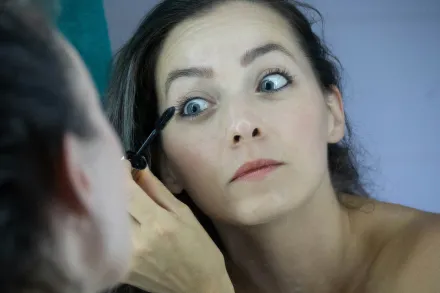
The eyes are a focal point in any makeup routine, yet in professional contexts they should communicate focus rather than drama. Neutral eyeshadow shades such as taupe, soft brown, or sand can define the crease and lid without creating heavy contrast. A light wash on the lids paired with a slightly deeper shade in the crease can produce depth and dimension that reads clearly in person and on camera. Eyeliner is often sparingly used, with a soft brown or charcoal line drawn close to the lash line to enhance definition without appearing harsh. Mascara should lift and open the eyes without clumping, favoring a formula that lengthens and separates rather than one that adds excessive volume or causes flaking. The aim is to create a crisp, awake eye that projects attentiveness and confidence, particularly during long hours of discussion or presentation. Subtle shimmer should be avoided on the lid and inner corner in most professional environments, as it can catch light in distracting ways; if used, it should be restrained and precisely placed to catch light without stealing attention from the speaker.
For those who wear glasses or work in settings with bright illumination, it is worth considering how makeup interacts with eyewear. A matte finish on the lid reduces glare, while a soft highlight on the inner corner can brighten the eye without competing with the frame. The balance is the focus, ensuring that the eye remains defined and readable at a glance, even when seen from a distance or through a camera lens. Consistency across the work week is essential, so selecting a cohesive set of shades that align with wardrobe and lighting helps maintain a reliable professional appearance day after day.
Eyebrows that Frame the Face
Eyebrows provide architectural framing for the face, contributing to the impression of readiness and control. The goal is to shape and fill in a way that looks natural and enduring, avoiding stark arches or overly dense lines that can read as artificial. Begin by brushing the brows into place, then fill sparse areas with a shade that matches the natural hair color or is one shade lighter for a softer effect. The application should follow the natural growth pattern to preserve the organic texture of the brows. A gentle, hair-like stroke approach yields the most professional result, particularly for meetings that require visual clarity and composure. Finishing with a clear or lightly tinted brow gel helps maintain shape and keeps hairs in place throughout the day, even with talking, stress, or humidity. The outcome should be a refined, consistent frame for the eyes that complements a calm and confident demeanor.
Cheeks and Contouring Lightly for Professionals
Cheek color can add vitality and dimension, but for a professional look, restraint is essential. A soft, natural flush works best, avoiding obvious contour lines or sculpting effects that might appear theatrical. If contouring is used, it should be subtle and blended with clean, gentle strokes that create a soft shadow under the cheekbone rather than a dramatic sculpt. Blush shades in the pink to peach family often read as fresh and approachable, particularly when applied lightly and blended toward the temple and hairline to maintain balance with the rest of the face. Highlight should be employed sparingly, keeping reflections under control so that the skin maintains a realistic texture. The key is to emphasize a healthy glow rather than to dramatize the face; the aim is to convey energy, approachability, and poise through a natural luminance that remains consistent in varying lighting conditions.
Lips that Speak Confidence
Lip color can anchor a professional look and influence perceived confidence. Neutral and soft rose tones tend to be universally flattering and versatile across outfits and environments. A lipstick or a satin-finish lip product that stays put without excessive transfer often proves more reliable for busy days filled with meetings and presentations. Liners can help define the lip shape and prevent color from feathering. It is often worth choosing a shade that complements the overall complexion and wardrobe, ensuring that the lip color neither competes with the eyes nor with the clothing. For those who prefer minimal maintenance, a long-wear or matte formula can provide dependable longevity, while a nourishing balm layered beneath maintains comfort and prevents dryness. The objective is to achieve lips that appear polished and steady, reinforcing clear communication and a composed presence.
Tools and Application Technique
Tools influence both the speed and quality of makeup application. High-quality brushes and sponges designed for makeup application can translate into a more seamless finish and improved control. A combination approach often yields the best results: a brush for foundation to create even coverage, a sponge for pressing and blending, and smaller brushes for precision around the eyes and lips. Clean, well-maintained brushes reduce the risk of uneven patches and color migration. The technique should emphasize even layering and careful blending, with attention to the edges of the face where foundation meets the jawline and the hairline. By developing a consistent routine and using tools that feel comfortable, the wearer can achieve a professional look that appears intentional and refined without appearing hurried or sloppy. Regular maintenance of tools, including washing brushes and replacing sponges, supports hygiene and ensures that makeup reads as fresh on every task or engagement.
Experimentation should remain balanced with practicality, especially when moving between work environments or different locations. A portable kit with essential items allows for a quick refresh while preserving the overall aesthetic. In rapidly changing settings, the ability to reblend and touch-up without introducing heavy products becomes a valuable skill. The use of a mirror with good lighting and a calm, distraction-free workspace can make a significant difference in achieving a consistent professional appearance. The right tool choice combined with deliberate technique results in a look that is reliable, readable, and ready for any speaking moment, client meeting, or presentation.
Lighting, Camera, and Real-World Consistency
Lighting dramatically influences how makeup appears. The professional standard is to consider both natural daylight and artificial light, as well as how makeup will read when photographed or filmed. In daylight, skin may appear cooler or warmer depending on the time and weather, while indoor lighting can cast uneven tones that reveal texture. A practical approach is to test makeup in different lighting scenarios, applying a base that blends well in natural light and adjusting with a touch more warmth or coolness as needed for indoor conditions. When cameras are involved, the makeup should retain its balance on screen, avoiding over-shine or loss of definition due to compression. This often means slightly more saturation on the cheeks or lips than one would apply purely for daylight, but always keeping the result natural and believable. The habit of stepping back to review the overall impression ensures that the makeup contributes to legibility and confidence without distracting from the spoken message. Real-world consistency relies on a combination of properly chosen shades, mindful blending, and the ability to adjust without disrupting the established aesthetic.
Maintenance and On-The-Go Adjustments
A professional day often includes travel, meetings across different rooms, and the potential for shifts in weather or temperature. A compact, well-organized kit can support timely adjustments that keep the final look cohesive. In such scenarios, focus on the essentials: a reliable concealer for quick under-eye or blemish corrections, a translucent powder for touch-ups, a lip product with staying power, and a small brush or sponge for blending. The objective is to be prepared to refresh textures and tones with minimal disruption to the overall appearance. The kit should be lightweight enough to carry easily and organized to prevent rummaging through items that could disturb the makeup or introduce contamination. A routine that accommodates occasional adjustments helps maintain a professional expression throughout a busy day, preserving clarity in communication and a consistent sense of professionalism that colleagues and clients perceive as dependable and polished.
Common Mistakes and How to Avoid Them
Common missteps include overly heavy coverage, mismatched foundation tones, or neglected blending that creates obvious edges. A rushed application can lead to uneven textures, visible lines along the jaw or hairline, and a look that reads as forced rather than natural. Another frequent issue is over-defining the eyes or lips, which can overshadow the wearer’s voice and message. The simplest way to avoid these pitfalls is to approach makeup in a measured, methodical fashion, favoring multiple light layers over a single dense layer and constantly checking the balance between all features under varied lighting. The eyebrows should be kept tidy and natural, ensuring symmetry and uniform density. The use of long-wear formulas is advantageous for longevity, but they should be chosen with a careful eye toward skin compatibility to prevent dryness or flakiness. By maintaining restraint, practicing consistent blending, and aligning color choices with wardrobe and environment, the professional look remains timeless and credible rather than trend-driven or distracting.
Building a Routine Adaptable to Different Environments
The final objective is to develop a makeup routine that remains effective across offices, conference rooms, conference calls, and client visits. A routine that emphasizes nourishing skin care, a balanced base, defined but subtle eye work, and a confident, natural lip can translate well across contexts. The routine should be adaptable to seasons and climate, with modifications to hydration, coverage, and color warmth as needed. It should also accommodate different cultural settings and professional norms while preserving a consistent core aesthetic that signals reliability and competence. In practice, this means choosing products with flexible formulas, testing them in advance of important days, and refining the order of steps to maximize efficiency. The enduring principle is consistency: the more predictable the outcome, the more comfortable the wearer will feel, and the more confident they will appear while communicating professionally.
Putting It All Together for a Day on Set or in the Office
When the day starts, the individual follows a streamlined routine that emphasizes a clean canvas, balanced color, and steady endurance. Skin preparation leads to a smooth, breathable base that reads as healthy rather than masked. The features are defined with a light touch, avoiding dramatic contrasts, while the eyes receive a soft, awake lift that remains easily readable from a distance. Brows are shaped to frame the face without overpowering it, cheeks offer a natural flush that signals vitality, and lips present a polished but comfortable tone that allows for clear enunciation and sustained conversation. The entire look honors the wearer’s unique features, wardrobe, and communication style, creating a coherent presence that supports confident interaction in meetings, presentations, and client-facing moments. The result is a professional appearance that feels timeless, adaptable, and quietly powerful—a reflection of competence and readiness that aligns with the demands of modern work and professional life. By embracing these practices and maintaining a thoughtful, consistent routine, makeup becomes an invisible ally that enhances communication, fosters credibility, and reinforces a poised, professional image.