Understanding the Terrain: How Aging Changes the Skin
Aging skin undergoes a quiet transformation that influences every beauty choice you make, and recognizing these changes is the first step toward makeup that looks natural and flattering. The skin becomes thinner and learns to reflect light differently, which means texture may feel more noticeable and tiny lines can appear more pronounced when product sits on the surface rather than entering the skin softly. Alongside this, moisture levels tend to shift, leaving some areas drier while others might look shinier due to changes in oil production. Understanding these tendencies helps you select formulas that glide smoothly, breathe, and settle evenly without exaggerating flaws. It is not about hiding who you are but about honoring the skin’s new needs with a light hand and thoughtful choices that respect maturity and enhance your features with dignity and warmth.
Over time, the natural contours of the face also evolve, and this can affect how makeup reads in daylight or on camera. Fine lines around the eyes and mouth may be more visible when foundation dries down, while cheeks that once carried a rosy glow may appear flatter if you apply products that lack life. Rather than chasing a flawless mask, mature skin benefits from products that offer hydration, soft focusing, and a touch of luminosity in the right places. The goal is to balance coverage with breathability, to allow the skin to look like skin while still presenting a refreshed and awake appearance. With this mindset, makeup becomes a conversation with your face rather than a test of how perfectly it can mask age.
Preparing the Canvas: Skincare Steps Before Makeup
Successful makeup for mature skin starts with a calm, well prepared canvas. Begin with a gentle cleanse that respects the skin’s barrier, followed by a lightweight routine that includes hydration and barrier-supporting ingredients. Ingredients such as glycerin, hyaluronic acid, ceramides, and squalane can help lock in moisture, plump small lines, and create a smoother surface for makeup to adhere to. A nourishing serum or lightweight oil can be experimented with depending on your skin’s needs, but the key is to avoid heaviness that could lead to skin feeling congested or makeup slipping later in the day. After serums, apply a broad spectrum sunscreen to protect against photoaging, and then choose a moisturizer that provides soft slip without turning heavy or greasy. This thoughtful layering helps foundation glide on more evenly and prevents the look from flattening out over time.
Primer can be a valuable ally when used selectively. A luminous or smoothing primer can help reduce the appearance of texture and uneven tone, but it is important to test how it interacts with your chosen foundation. Silicones can create a barrier that helps makeup lay down smoothly, yet some mature skins prefer a more breathable base. If you have dryness, a hydrating primer or a touch of moisturizing balm used sparingly in the center of the face can yield a gentle glow that looks natural rather than artificial. The goal is to create a controlled surface that accepts product with minimal tugging or settling into lines, while preserving the skin’s natural radiance. When you start with careful skin preparation, makeup looks more polished and feels more comfortable as the day unfolds.
Choosing Foundation That Respects Maturity
Foundation choices for mature skin should aim for a balance between coverage and a natural finish. Look for formulas described as hydrating, luminous, or satin rather than heavy matte textures that can emphasize dry patches and fine lines. A light to medium coverage with a breathable feel often provides enough correction without pooling into creases. Consider a shade that matches your neck and chest as well as your face; a mismatched color becomes more noticeable on mature skin where the jawline might reveal a different tone due to sun exposure or aging. Flexibility is essential, so select a foundation that allows for layering if needed and that remains comfortable across long hours. The right foundation should even tone, soften texture, and let your skin breathe, preserving the softness and glow that aging skin can carry with confidence.
Texture and finish matter as much as color. A dew or satin finish can brighten the complexion while still looking sophisticated, whereas a heavy matte can contribute to a flat appearance that ages the face. If your skin tends to dryness, opt for a foundation with built in moisture or mix a small amount with a hydrating primer to keep the surface supple. For those with combination tendencies, a moderately luminous base worn with a light hand on the central zones can create balance, allowing the outer perimeter to stay natural and non-greasy. Remember that the goal is skin that looks lit from within, not makeup that sits on top in a way that exaggerates every contour, corner of the nose, and fine line.
Concealer with Care: Brightening Without Caking
Concealer is a powerful tool for brightening under the eyes, correcting discoloration, and ensuring the skin around the mouth reads evenly. For mature skin, choose a creamy, blendable formula that provides coverage without emphasizing dry patches or lines. A shade slightly lighter than your foundation can help revive tired-looking eyes, but avoid stark pale tones that create a harsh contrast. Apply concealer with a light touch, using a tapping motion rather than dragging, and concentrate most of the product where you want lift or brightness while letting surrounding skin peek through for a natural finish. If under-eye hollows are a concern, a color corrector in a gentle peach or apricot tone can counteract blue or purple tones before concealer is laid down, producing a more awake look without a thick layer of product.
Once placed, set only where necessary with a very light dusting of powder, ideally a finely milled shade that does not gather in folds or texture. In many cases, mature skin benefits from avoiding powder altogether in the under-eye area to prevent dryness and creasing, reserving powder for the T-zone if required. When you do powder, focus on keeping the product gentle and sheer so that the concealing effect remains intact without creating a mask-like appearance. The principle is subtlety: a touch of discipline in coverage, not a heavy hand that magnifies lines or texture. The right combination of shade, texture, and application technique can make concealer look almost invisible, a true sign that makeup respects the skin rather than fighting it.
Texture, Finish, and Application Technique
The overall finish of makeup on mature skin benefits from a philosophy of lightness and strategic placement. Prioritize products that blur or soften texture without drying or caking when built up. A luminous base under the eyes and on the high points of the cheeks can create a youthful glow that still reads advanced and refined. When applying foundation, use a damp sponge or a soft brush in gentle tapping motions, avoiding drag. The goal is to distribute pigment evenly while preserving skin’s natural texture, letting light bounce softly rather than catching on every line. In a practical sense, this often means working in small sections, checking color balance in natural light, and avoiding too much pressure in the delicate areas around the eyes. If you notice product collecting in creases after several hours, it may indicate the need for less product, more hydration, or a warmer shade that blends more seamlessly with the skin’s undertone.
Highlighting can be beneficial when done judiciously. A touch of light-reflecting product on the tops of the cheekbones, the bridge of the nose, and the cupid’s bow can lift the face without creating an obvious shimmer that accentuates lines. Embrace a soft glow rather than a metallic gleam, which can appear contrived on mature skin. Remember that the visual impact of makeup is influenced by how well you calibrate texture with finish, so you choose products that cooperate with your skin’s natural tendencies rather than fighting them. This approach helps you achieve a refined, radiant look that remains age-appropriate and comfortable throughout the day.
Color Theory for Mature Skin: Undertones, Blush, and Bronzer
Color choices should harmonize with the skin’s natural undertones and the evolving face shape that age can reveal. Undertone awareness is helpful; if your skin reads warm, opt for peachy and golden hues that mimic natural warmth, while cool undertones benefit from soft pinks and rose tones that brighten without creating a chalky effect. When selecting blush, lean toward soft pinks, peaches, or apricot tones that mimic a natural flush rather than intense berry shades that can emphasize lines or dry patches. Avoid overly bright or highly pigmented formulas that require heavy layering, which tends to settle into creases. A light, breathable blush applied to the apples of the cheeks and blended outward along the cheekbone can lift the face and create a healthy, age-appropriate glow.
Bronzer can add structure and warmth when chosen carefully. Look for bronzers with a natural finish and a tone that resembles skin that has been gently sun-kissed, not a harsh shade that leaves a muddy line. Apply bronzer lightly to the hollows of the cheeks, the temples, and along the jawline to sculpt the face softly, being mindful of any texture that might hold product in place. The combination of blush and bronzer should read as a cohesive glow rather than a map of color slapped onto the face. Mastery comes from restraint; a little color in the right places can redefine contours and bring forward a vitality that age can sometimes mute, while avoiding the risk of looking painted or overworked.
Eye Makeup that Flattters Aging Lids
Eye makeup on mature lids benefits from soft definition rather than harsh lines. Begin with a light, matte base shade that harmonizes with your skin tone to create a smooth canvas for shadows. If hooding is a concern, place color slightly above the crease to simulate lift while avoiding heavy lines that can make the lid appear smaller. Use matte or satin eyeshadows in neutral tones to minimize texture and reflections that draw attention to fine lines; save anything with strong shimmer for the inner corner only to brighten the eye without emphasizing creases. Eyeliner can be optional or softly applied along the upper lash line in a smudged, watercolor-like line rather than a precise, rigid stroke. It adds definition without sharpening every edge of the eye’s contour, a technique particularly flattering for mature skin that benefits from a gentle frame rather than a stark boundary.
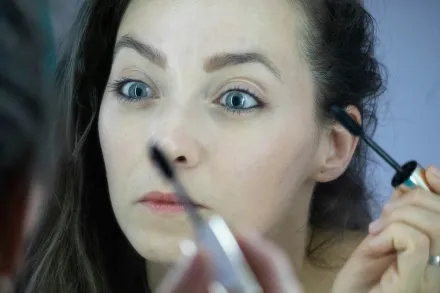
For lashes, consider curling and a light coat of mascara to open the eye. If mascara tends to smudge or flake, choose a waterproof or long-wear formula and apply it with minimal product near the base to avoid clumping that can highlight texture. Practicing patience with brushes, glitters, or wet-look finishes is important; the safety of the lid’s delicate surface matters, so choose formulas that feel comfortable and stay put without creating heaviness. The result is an eye that looks defined, awake, and balanced with the rest of the face, rather than drawn with shortcuts that emphasize age. A well executed eye makeup routine can dramatically enhance expression, making the eyes appear larger and more youthful while preserving maturity and elegance.
Lips and Lines: Choosing Formulas and Shades
Lips often reveal the most about age and makeup choices. Dryness, fine lines, and changes in lip fullness can influence how lipstick behaves, so select formulas that hydrate and glide with minimal tugging. Consider lip balms or primers that create a smooth base before color is applied; this helps reduce feathering and the appearance of lines around the mouth. Seek shades that complement your undertone and skin tone, favoring pinks, roses, soft peaches, and mauves that deliver a natural, youthful appearance without looking juvenile. Avoid overly opaque, drying formulas that cling to dry patches; instead, opt for creamy, satin, or gel-based finishes that offer comfortable wear and a flattering sheen without accentuating every line.
Line the lips with a tone close to your lipstick for definition that remains soft, particularly if you use lip liners to prevent feathering. For those with deeper lines around the mouth, choosing a long-wearing but nourishing formula can mitigate the appearance of dryness while delivering lasting color. A gloss in the center of the lower lip can create a sense of fullness when used sparingly, and a lighter shade on the cupid’s bow can catch light for a more youthful dimension. The aim is to harmonize the lip color with the rest of the makeup so that the lips themselves become a natural focal point rather than a harsh contrast that draws attention to aging features.
Tools and Brushes: Techniques for Better Results
Tools can make or break makeup on mature skin. Synthetic brushes and sponges designed for cream products often provide the gentlest application and the most even blend, reducing drag on delicate skin. Quality matters here: choose brushes with soft bristles that distribute product without pulling, and keep them clean to prevent bacteria buildup that can irritate sensitive areas. A damp sponge can be excellent for sheer coverage and comfortable application, while a fluffy brush can help diffuse color and create a seamless transition between tones. The goal is to build coverage gradually in thin layers, rather than applying a thick patch that may settle into lines. Thoughtful tool selection, paired with patient technique, yields a naturally polished look that holds up under different lighting conditions and throughout the day.
In addition to brushes and sponges, consider using your fingers for certain textures like cream blushes or skin-tinted moisturizers. The warmth of your fingertips can help products meld with the skin, producing a more natural finish than a tool alone. When using fingers, ensure hands are clean and that you practice gentle, tapping motions rather than aggressive rubbing. The interplay between tools and product is a subtle art: it can transform a basic makeup routine into a refined daily ritual that respects the skin’s needs while delivering comfort and confidence. A small, mindful investment in the right instruments can yield long-term benefits for the appearance and health of mature skin.
Maintenance: Wearing Makeup Comfortably All Day
Longer wear and comfort are central to makeup for mature skin. Start with a stable base that remains comfortable over time by choosing hydrating formulas and a light touch of powder only where necessary. A gentle setting spray or a refreshing facial mist can help products settle and harmonize with the skin, reducing the risk of flaking or powdery residue as the day progresses. If you work in varied environments or spend time outdoors, consider a touch of sun protection under makeup or a tinted sunscreen that blends well with your foundation. The aim is to maintain a breathable feel, letting your face move naturally while staying polished and presentable from morning to evening.
Midday touch-ups should be minimal and targeted. Rather than a complete redo, focus on reviving the center of the face with a light spritz or a small amount of product in the most challenged areas. Keep blotting papers handy to manage shine without massaging makeup into lines, which can emphasize texture. The best routine is one that respects your skin’s natural cycle, adapts to the day’s demands, and leaves you feeling confident rather than exhausted by makeup that feels heavy or uncomfortable. With a flexible approach, you can preserve radiance, maintain balance, and enjoy makeup that enhances rather than obscures the beauty that defines mature skin.
Avoiding Common Pitfalls and Mistakes
Many makeup mistakes for mature skin stem from applying products as if the face were unchanged by age. Heavy powders in the wrong places, overly matte finishes, and color choices that clash with undertone can all produce an aging effect rather than a flattering one. The antidote is restraint and thoughtful testing in natural light. If a product sits on lines, slow down and reassess your shade, texture, and layering approach. Avoid stretching the skin taut while applying makeup; instead, use gentle, flexible movements that follow the contours of your face. Remember that the face is a living landscape, and the most flattering makeup respects those lines, enhancing their character while softening the appearance of any imperfections.
Another common pitfall is ignoring skin hydration in favor of a perfectly even tone. Hydration does not only feel better on the skin; it also helps makeup perform with integrity as the day progresses. If the skin is dry, it may drink up product quickly, leaving patches; if it is oily around the T-zone, a careful balance between oil control and moisture is essential. The best results come from a dynamic approach, adjusting products and technique to the weather, skin condition, and personal preferences, rather than following a one-size-fits-all rule. With patience, practice, and a clear understanding of your unique skin, you can develop a makeup routine that remains elegant, supportive, and expressive at every age.
Seasonal Adjustments and Long-Wearing Strategies
Seasonal changes influence how makeup behaves on mature skin. In dry winter air, boost hydration and consider creamy textures that adhere gently to the skin rather than drying it. In humid summer conditions, lighter formulations and breathable finishes can prevent slipping and shine, while still delivering a polished appearance. Adapting your routine to the climate helps maintain balance and reduces the need for frequent adjustments. If you travel frequently or switch environments, keep a compact set of products that are versatile, easy to layer, and forgiving of light, temperature, and humidity fluctuations. The best long-wearing strategies involve thoughtful primer choice, selective powder use, and a simple resetting routine that respects the skin while preserving the intended look throughout the day.
Ultimately, makeup for mature skin is about partnership with your face rather than conquest of its features. Let your routine evolve with you as you learn what works best in different seasons, at different ages, and in different lighting. Embrace a philosophy of gentle enhancement, embracing texture, glow, and color in ways that feel honest and comfortable. By treating mature skin with respect, you cultivate a sustainable beauty practice that ages gracefully with you, celebrating experience and wisdom while maintaining a fresh, dignified, and expressive appearance that speaks to who you are today.