Makeup longevity is not a miracle performed by a single product but a careful, patient craft that respects the natural behavior of your skin, the environment you move through, and the textures you choose to wear on your face. A long lasting look emerges when preparation, selection, and technique align in harmony, allowing color to stay true, shine to be controlled, and a comfortable balance to persist from the first light of morning through the busy hours of the day. This article explores the philosophy behind durable makeup, the science behind product performance, and practical, detailed approaches that you can adapt to your own routine. It emphasizes a holistic view where skincare, primers, pigments, tools, and finishing steps all contribute to a cohesive finish that endures while still looking fresh and natural. The aim is to build a mindset that treats makeup like a performance measure rather than a single trick, so you learn how to respond to changing circumstances without abandoning your style or comfort.
Skin Prep and Priming for Resilience
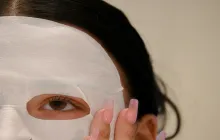
Preparation begins with a clean canvas that breathes and moves with your skin, rather than a surface that feels tight or suffocated. A gentle cleanse removes dirt and excess oil, while a careful exfoliation routine, performed with restraint, helps to smooth the surface so makeup can adhere evenly rather than settle into rough textures. After cleansing, a targeted skincare routine that suits your skin type becomes the foundation for lasting makeup. Hydration matters, but choosing the right kind of hydration is essential. Lightweight, non-greasy moisturizers or gel-creams can plump the skin without creating a slippery layer that causes makeup to slide, especially when temperatures rise. Sunscreen with a material that absorbs well without leaving a white cast or a visible sheen is a wise companion in any daytime face, as sun exposure can accelerate breakdown and uneven fading. The idea is to balance moisture, sebum production, and the need for a smooth surface. In this context, primers function not as decorative overlays but as functional foundations that improve grip, refine texture, and control oil, all of which contribute to longer wear. A primer can address pores, texture, redness, or dullness, and when chosen with purpose, it helps makeup to stay put. For some skin types, a silicon-based primer acts like a tiny shield, filling micro-creases and forming a film that reduces friction. For other skins, a water-based or silicone-free option may be more suitable, particularly if the aim is to avoid an overly matte finish that can appear flat as the day goes on. A light application is often enough to establish a quality binding layer without creating a heavy, chalky feel. Beyond the product itself, the method of application matters. Gentle tapping motions with clean fingertips or a soft sponge ensure that the primer is distributed evenly and that it binds the surface without creating pressure points that could push makeup away later. In this atmosphere, the primer is not a decoration but a commitment to resist the environmental challenges that cause early breakdown—heat, humidity, wind, and the simple friction of moving through a day. The combination of smart skincare and thoughtful priming is the first line of defense in any durable makeup routine, and it pays dividends across all products that follow.
Foundation and Color Integrity for Endurance
Foundation serves as the backbone of a long lasting look, and choosing the right formula is a conversation between coverage needs, skin texture, and environmental demands. A classic principle for longevity is to lean toward formulas designed for wear without sacrificing comfort. Matte and long-wear foundations can provide excellent staying power, particularly in humid or hot conditions, but they should never feel heavy or mask-like. The secret lies in the way the product is applied and how it interacts with your skin’s natural oils. A lightweight, breathable base can be built up gradually with layering techniques that avoid a thick, hard-to-blend layer. When color matching, consider undertones and the potential for oxidation as the day warms. A shade that looks perfectly matched in the morning can shift slightly under sun exposure or in indoor lighting, so choosing a shade that remains harmonious as the day progresses is valuable. Tools matter here as well: a beauty sponge can deliver a diffused, natural edge that blends seamlessly into the neck and ears, while a brush can provide more precise coverage around the jawline and forehead. Techniques that emphasize patting and pressing rather than rubbing help to embed pigment and reduce movement that leads to patchiness. If you anticipate longer hours, a thin veil of foundation applied in a few careful passes can be more reliable than a single thick layer, especially on textured skin. In addition, a color-correcting step in certain areas, such as a green-tinted or peachy correction for redness or dullness, can reduce the need for thick layers, thereby preserving longevity and a more natural finish. For those who prefer a more dewy appearance, a strategically used setting technique later can preserve the glow while maintaining endurance rather than inviting shine to explode across the T-zone. The goal is to create a cohesive base that feels comfortable, moves with your facial expressions, and resists the normal wear that comes from talking, smiling, and exposure to the elements.
Setting Materials and Techniques that Hold
Setting makeup is not merely about locking color in place; it is about shaping the texture so that it remains true to your intended look even after hours of activity. Translucent powders, pressed powders, and lightweight setting sprays each have roles in enhancing longevity. Translucent powders can minimize shine and bind pigments, but the key is to apply them with restraint and in thin layers. A single, fine dusting on the central areas of the face can reduce sweat-induced movement while avoiding the risk of looking cakey around the corners of the mouth or the edges of eyelids. The choice of powder should consider skin texture, oil production, and climate. For someone with very dry skin, too much powder can create a dry, powdery finish that accentuates fine lines; in such cases, a minimal setting approach paired with a gentle mist or a cream-to-powder hybrid foundation can offer better longevity without visual compromise. On oilier skin, more robust powder layers might be necessary, but even then the technique matters: tapping rather than sweeping helps to press powder into the surface rather than floating it above it, reducing the chance of movement. Finishing sprays are a powerful ally for durability. A light, even mist distance from the face can set the makeup with a balanced finish, providing a subtle barrier that helps pigments resist shifting while maintaining a natural look. For those who want to extend wear further without compromising comfort, the practice of applying a fine setting veil over the lips, eyes, and cheeks can dramatically improve resilience against hydration, temperature fluctuations, and air currents. The overarching idea is to respect the breathability of the skin while leveraging texture control to preserve color, dimension, and uniformity as time passes.
Eye Makeup Longevity and Resilience
The eye area is a sensitive battlefield for longevity because it moves frequently and is touched often, making it a common site for early fading or smearing. A dedicated eye primer creates a stable canvas that catches pigments and resists creasing, so choosing a product with good adhesion and a lightweight texture is essential. Within this framework, long-wear liners and waterproof formulas can reduce migration along the lash line, while careful layering helps prevent the het of oils from breaking down the product. A steady routine that includes a thin, even line with a high-quality pencil or gel liner, followed by a set of eyeshadows pressed into place with a slightly damp brush, can improve staying power without sacrificing color depth. Layering is a technique to be used with care: multiple sparse layers are more durable than a single saturated stroke that can crack or crease as facial movements occur. For the eyelids, avoiding heavy, creamy textures on oily lids or in warm climates can reduce glide and smudging. If you wear mascara, selecting a waterproof formula designed for sensitive eyes helps combat smudging and running when you perspire or when humidity rises. Curling lashes before applying mascara can open the eye area and reduce the risk of mascara failing at the base of the lashes due to transfer. Padding a tiny amount of translucent powder along the lash line prior to mascara can create a dry surface that keeps products in place, especially when you’re attending events or working in environments with fluctuating temperatures. The overall approach to eye longevity is a balance of preparation, suitable product choices, and mindful application that respects motion and moisture rather than fighting against them.
Lips That Stay Put: Long-Wear Lip Techniques
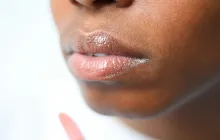
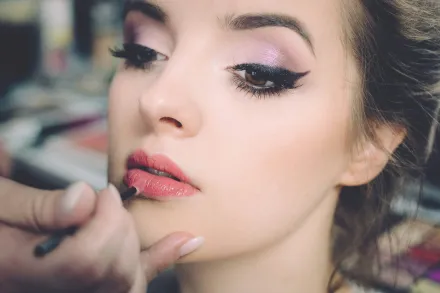
Lips require a slightly different strategy because the mouth moves more than any other facial feature and is exposed to hydration, salivation, and contact with words and food. A lip liner used to define the shape creates a boundary that keeps color from feathering and helps the product stay in place. A lip primer can smooth the surface and act as a barrier against color migration, while a long-wear lipstick or a transfer-resistant formulation can maintain vibrancy throughout meals and conversations. The layering approach matters here: one to two thin coats of color on top of a precise lip liner often holds better than a single heavy application. In some cases, finishing with a light layer of gloss or balm can alter wear time, so this decision should be guided by comfort and the desired finish. For those seeking the most durable results, a setting spray or a light dusting of translucent powder on the lips through a tissue can help lock color into place, but this technique should be applied with care to avoid a dull or chalky appearance. Remember that the lips are part of a larger system; if the surrounding complexion remains hydrated and balanced, lip products tend to perform more consistently. The goal is not to disguise the natural lip texture but to layer products in a way that respects it, enabling color to glow while remaining faithful to its initial shade for as long as possible.
Tools and Hygiene: The Quiet Engine of Longevity
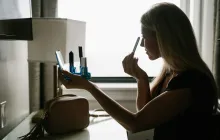
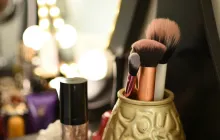
The tools you choose play a crucial role in makeup longevity. Clean brushes and sponges preserve the integrity of pigments, prevent bacteria buildup, and avoid odd textures that could interfere with even application. The act of cleaning equipment regularly is a form of maintenance that pays off in the feel, finish, and wear of each product. The shape, density, and material of brushes influence how light is reflected and how pigments are pressed into the skin. Silky, densely packed brushes can lay down foundation smoothly and then buff edges for a seamless transition at the jawline and hairline, while smaller, precise brushes help to define features without creating harsh lines that punish wear over time. Storage also matters; storing tools in clean, dry containers with good air circulation helps prevent moisture accumulation that could degrade bristles or promote microbial growth. Sponges deserve special attention: they should be replaced or thoroughly sanitized frequently to avoid breaking down the surface and transferring oils across the face. In addition to the tools, your hands are an instrument as well; clean fingertips can apply, blend, or pat products in ways that reduce drag and allow products to meld with your skin instead of skidding across its surface. Hygiene becomes an invisible but powerful partner in longevity, ensuring that each step is executed with control and cleanliness, which translates into a more stable and durable finish. A thoughtful approach to tools includes respecting their limitations and benefits, and viewing them as extensions of your intention rather than mere accessories.
Climate and Skin Type: Adapting for Durable Results
Different climates demand different approaches to makeup longevity. In hot, humid environments, sebum production increases and products can slide off unevenly if not prepared for by a robust base and careful setting. In dry climates, the risk is cracking or drying of products that cling to flakes or texture. A robust routine begins with skincare choices aligned to the climate: lighter moisturizers and gel textures in heat, richer creams in dry air, and consider a boost in hydration during the day in air-conditioned settings that can pull moisture from the skin. Temperature swings, such as moving from a cool office to a warm outdoors environment, challenge a makeup look with constant shifts in how products cling and wear. Wearing a breathable, balanced base helps maintain a uniform appearance through these transitions. Similarly, oil-control strategies become more essential for certain skin types in particular climates. Those with oily or combination skin may benefit from a strategic layering sequence that controls shine without overloading the surface with layers that could break down under heat. Conversely, those with dry or mature skin can benefit from hydrating primers and skin-friendly textures that maintain suppleness and reduce cracking through movement. In all cases, listening to your skin’s signals and adjusting the product selections and application methods accordingly yields the most reliable results, preserving color accuracy and texture as the day unfolds.
Midday Retouching, Blotting, and Maintenance without Disruption
A disciplined approach to midday maintenance can extend wear without turning the look into a mirror of itself. Blotting papers provide a quick, non disruptive way to absorb excess oil from the surface, particularly in the T-zone, without disturbing the rest of the makeup. After blotting, a light press of powder in a narrow, strategic area can refresh the finish and reduce shine, while avoiding the risk of caking by layering too heavily. If color has faded in a certain area due to wear or smudging, a careful reapplication, using small, precise dabs rather than broad strokes, can restore balance while preserving the original shape and tone. The goal is to maintain the integrity of the look with minimal intervention, so you appear polished and consistent rather than touched up in a way that stands out. In some cases, a quick spritz of a setting spray at the right distance can reactivate the surface and help pigments settle back into place, provided that you apply it in a controlled, even manner. Practical reasoning should guide these decisions: avoid overloading the face with product during a single retouch, prevent disruption to earlier layers, and always adapt the approach to the current environmental conditions. A calm, measured midday routine will preserve both the intention and the hours-long performance of your makeup without sacrificing comfort or natural expression.
Skincare and Longevity: The Night and the Day After
The longevity of makeup is intimately connected to the health and condition of your skin, which means that a durable finish begins with a daily skincare ritual that respects your needs and supports makeup wear. Nighttime routines that focus on thorough cleansing, exfoliation, and nourishment prepare the skin to recover and renew, reducing the chance of rough texture or uneven tone that would disrupt the morning makeup. In the morning, beyond cleansing, a light layer of moisturizer that suits the season, followed by sunscreen, creates a stable environment for makeup to adhere. The routine should consider occasional treatments, such as gentle exfoliation or hydration boosters, but always with care not to overload the skin with active ingredients that could irritate or sensitize it. A skin that is well cared for tends to hold pigment more evenly and reveal fewer rough patches that interfere with blending. When skin is healthier, makeup layers glide more predictably and wear more consistently, producing a look that remains faithful to your design as time passes. In this holistic view, longevity is not a single product’s feat but the sum of consistent care that keeps the canvas smooth, resilient, and balanced for makeup to perform at its best each day.
Common Misconceptions and Realities of Enduring Makeup
There are beliefs about longevity that can lead to overbuilt or uncomfortable results if taken too literally. Some assume that a heavy, opaque foundation will magically persist through any condition; in reality, a product that feels thick may peel or settle into lines and cracks as hours pass, making the finish look artificial rather than enduring. Others think that more powder equals longer wear; however, excessive powder can mute the natural texture, emphasize dryness, and eventually appear dull as moisture shifts. A durable look does not require sacrificing radiance or movement; it demands balance, where the right formula is chosen for the environment, and the technique used to apply it respects the face’s natural contours and expressions. Another common myth is that setting sprays are a substitute for proper application; in truth, sprays work best when used to unify and finish the work that has already been established, not as a shield to mask poor adhesion. By understanding the realities of product performance and combining that knowledge with mindful application, you can achieve a look that remains coherent and faithful to its initial design without becoming rigid or unrealistic. The truth rests in harmony between the products, the skin, and the day’s demands, so that longevity is a natural outcome of thoughtful practices rather than a forced solution.
A Comprehensive Mindset for Endurance
The idea of long-lasting makeup is not to rigidly freeze the face in place but to invite products to co-exist with your skin’s natural dynamics. Practicing patience in the early stages—allowing each layer to set, absorb, and meld—creates a durable base that can withstand bouts of heat, humidity, and movement without buckling. The makeup artist behind a lasting look pays constant attention to the relationship between color, texture, and light, seeking line and balance rather than a momentary, “perfect” appearance. This perspective encourages experimentation with subtle variations in texture and finish, cultivating a more informed sense of which combinations grant true endurance. It invites you to treat makeup as a living process: a set of choices that respond to the day’s climate, the activity you undertake, and the way your skin behaves at any given moment. The takeaway is not to chase a static image but to cultivate a dynamic strategy that honors both artistry and practicality. When you adopt this approach, you unlock a capacity for durable, comfortable, and expressive makeup that remains true to your personal style long after you have moved through the day’s milestones.