Hooded eyes present a distinctive landscape for makeup artistry, where the upper lid folds over itself, creating a canvas that can be both forgiving and challenging depending on light, movement, and product choices. This article invites you to explore a thoughtful approach that emphasizes structure, longevity, and a natural enhancement of eye shape. By understanding how the eyelid behaves when open and when at rest, you can tailor primers, shadows, liners, and finishes to preserve color payoff while avoiding transfer and smudging. The goal is not to alter anatomy but to reveal its inherent beauty through techniques that respect the eye’s architecture and the way it interacts with light throughout the day. Readers who are new to hooded eyes will discover foundational principles, while seasoned makeup lovers can refine their routines with nuanced adjustments that lift and open the eye without harshness or heaviness. This journey blends practical steps with considerations of texture, color theory, and the psychology of makeup wear, so that every session feels deliberate, balanced, and comfortable for extended wear. It is possible to achieve noticeable definition even with lids that shift and reinterpret the visible crease as you move, and the guidance here aims to help you keep your face expressive, elegant, and true to your personal style. The content is designed to be accessible, non-technical where it doesn’t need to be, and richly descriptive so that the mind’s eye can translate suggestions into real fingertips and brushes moving with purpose and control.
Understanding hooded eyes begins with recognizing patterns of movement and how the brow bone interacts with the lid at different angles. Often the crease is shallow or high, and the lid can cover the area where color would traditionally lay, which means blending becomes more essential than simply applying pigment. The key is to find a balance between surface area and depth, ensuring that the lid has enough visible space to convey color while the eye maintains the broader silhouette that characterizes hooded anatomy. You may notice that certain lighting reveals facets that are less obvious in dimmer conditions, and this insight can guide you to select shades and textures that respond well to your unique eye shape. This mindset of observation underpins all practical steps that follow, including how to approach primers, shadows, liners, and mascara for a cohesive look that survives movement, humidity, and long hours without sacrificing clarity or drama. The journey is about developing a responsive routine that respects the eyelid’s natural behavior while delivering a polished, camera-ready finish that still feels comfortable and effortless to maintain. By adopting a patient, observant approach, anyone can cultivate a signature aesthetic that feels personal and enduring rather than borrowed from a short-lived trend. The aim is always to facilitate eye architecture, not to overwhelm it, with makeup that enhances expression and confidence in daily life, special occasions, and moments that demand presence without distraction. This orientation toward thoughtful application is especially valuable for hooded eyes because it invites consistency, precision, and grace in every stroke of product onto the lid and along the lash line.
Understanding Hooded Eyes and Their Unique Challenges
Hooded eyes differ from almond or deep-set eye shapes in the way the lid folds and hides the crease from view when the eye is open. This physical feature can make traditional crease work and eyelid shading tricky, yet it also offers opportunities to sculpt a fresh dimension that reads as lift rather than flattening the eye. A central challenge is preventing makeup from disappearing during blink cycles, especially when working with cream products that can settle into fine lines or migrate upward toward the brow bone. To address this, many artists emphasize long-wearing formulas, a well prepared base, and techniques that place color in zones that remain visible even as the lid moves. By embracing a philosophy of layering and softening rather than stacking color, you can achieve a natural depth that remains visible in everyday scenarios, whether lighting is bright or dim. The practical takeaway is that hooded eyes respond well to shading that prioritizes the outer corner, the lash line, and a carefully chosen gradient that preserves a hint of the lid’s space. When the goal is a more awake appearance, a small amount of light-reflecting shimmer can be applied with restraint to the inner corner or just above the center of the lid, but only after the base shadows have been blended extensively to ensure seamless coverage. The eye will then read as defined from the distance and as softly illuminated up close, which is a valuable balance for many skin tones and eye colors. The overall philosophy is to favor structure over opacity and to respect the lid’s natural movement by selecting products that do not migrate or settle unevenly as hours pass. This mindful approach lays the groundwork for the more specific techniques that follow in the subsequent sections.
Choosing Tools and Products for Hooded Eyes
Tools and products are not merely accessories; they are partners in shaping the eye’s perceived size and brightness. For hooded eyes, the choice of primer becomes a decision about grip and longevity, with an emphasis on mattifying options that hold color in place while minimizing shine on the lid. A well suited primer helps to create a canvas that stays even as the eye opens and closes, preventing shifts that erode line definition or crease color. When selecting eye shadow formulas, cream textures can be forgiving on a steady lid, yet they may require a set of powders to lock in and reduce movement. Matte shades are particularly valuable for transition work because they absorb light rather than reflecting it, enhancing the illusion of space where the lid folds. Shimmers are not discouraged, but their placement matters: they are most effective when applied in small areas, such as the center of the lid or the inner corner, and then carefully blended into surrounding mattes to avoid a halo effect that makes the lid look heavier or more crowded. Brushes designed for precise placement, such as small flat shaders, along with fluffy blending brushes for soft transitions, provide control without overwhelming the lid. Eyeliner is a tool that requires a light touch and a strategic line that follows the lash line rather than attempting a broad sweep that sits on the lid’s surface; this approach minimizes transfer while guiding attention to the eye’s natural shape. Mascara can extend and separate lashes without weighing down the lash line, which is important because heavy mascara near the lash line can visually shrink the eye. When possible, opt for formulas that resist smudging and are easy to remove at the end of the day without tugging at delicate skin around the eye. The selection of colors should consider harmony with the wearer’s skin tone, eye color, and the overall aesthetic they wish to achieve, whether it is soft, natural, or bold and dramatic. This toolkit-oriented mindset helps keep a routine consistent, practical, and adaptable to various occasions and lighting conditions. It also encourages experimentation within boundaries that preserve the lid’s natural geometry while achieving recognizable, flattering results. The practical reality is that hooded eyes benefit from a measured approach to texture, placement, and finish, and the right tools can dramatically improve both the process and the outcome.
Primers and Base for Hooded Eyes
A successful makeup base begins with a primer that answers two questions: will it hold color at the crease area, and will it prevent shifting as the eye moves through a blink? A good lid primer for hooded eyes should be lightweight, oil free or gently hydrating depending on skin type, and slightly tacky to grab powder without suffocating the skin. The chosen base should be neutral in tone to avoid altering the perceived color of the shadows and should create a gentle gradient that supports a longer wear time. After applying primer, a light layer of foundation or a skin-tone corrector may be used around the eye area to even tone and reduce redness, but care must be taken to keep this area from feeling heavy or greasy, which can cause shadows to budge. Some artists prefer a sheer concealer applied with a small brush or fingertip and then set with a translucent powder to lock it in. The powder should be applied cautiously to avoid creating a visible, flaky texture that can distort the eye’s shape. When layering products, allow each layer to set lightly before adding the next, especially in the crease region where movement is active. The goal of the base is clarity and longevity without creating a caked or chalky appearance; it is a quiet foundation that enables the color to read true and remain stable throughout the day. For those who enjoy long-wear formulas, a thin coat of primer followed by a mattifying powder can dramatically reduce oil break-through and shimmer migration. The overall effect of a well chosen base is to provide a stable stage for color while ensuring the eye remains expressive and open rather than heavy or closed off. A thoughtful base supports the entire makeup system and reduces the need for constant touch-ups.
Eye Shadow Techniques for Hooded Eyes
Creating dimension on hooded eyes involves an orchestration of placement, shade, and timing that respects the lid’s movement. A common approach begins with a light wash of a neutral shade across the lid to create a flat, smooth surface. This helps subsequent colors blend evenly and prevents patchiness when the lid moves. A darker shade is then applied into the outer corner and along the upper crease region in a shape that follows the natural eye socket rather than chasing a visible crease. The trick is to extend the depth slightly beyond the lash line toward the tail of the brow to give the eye a lifted appearance even when the lid covers part of the color. The transition shade, a medium tone, should be built up along the crease and blended with circular motions to create a seamless gradient that appears to widen the eye rather than shrink it. If a crease does not show clearly, the emphasis should be on vertical structure around the outer third of the eye, which can create the optical illusion of a more open lid. For the center of the lid, a lighter or metallic shade can catch light and bring the eye forward, but it is wise to keep this placement precise and not overly broad so that it does not shift into the area that is less visible when the eye is open. Blending is the most critical stage in hooded eye makeup; it should be gradual and patient, avoiding harsh lines that draw attention to the lid’s folding. The finish choice—matte, satin, or subtle shimmer—depends on the overall look and the skin’s texture. Matte finishes are forgiving and excellent for daily wear, while satin textures offer a gentle glow that can appear more natural in daylight. Shimmer can enhance the center of the lid or the inner corner but must be used sparingly to prevent a heavy or cakey appearance when the lid moves. Lighting plays a crucial role in how the finished work reads, so it is beneficial to observe the eye in multiple lighting conditions to ensure the chosen palette reads well from near and far. The goal of eye shadow on hooded eyes is to create a sense of depth and balance that remains visible when the eye is open and closed, providing continuity from moment to moment and across different environments. With practice, the ability to sculpt the eye with soft, deliberate shadows becomes a reliable signature that reflects both artistry and practicality.
Eyeliner and Mascara Strategies for Hooded Eyes
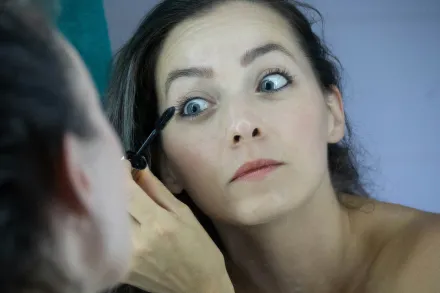
Eyeliner for hooded eyes requires a lightweight hand and a focus on the lash line rather than a bold line across the lid. A thin line along the upper lashes that gradually thickens toward the outer corner can create edge without closing the eye. Some artists prefer tightlining at the top of the lash line to add density to the lash fringe and deepen the look without drawing attention to the lid’s movement. A soft, diffused line in the outer corner can deliver a slight wing that reads as eye opening rather than a dramatic slash, especially when the edge is kept clean and precise. For those who enjoy a more defined appearance, a subtle flick in the outer corner can elongate the eye, provided the rest of the makeup emphasizes a gentle gradient rather than a heavy feature at the lid. When choosing eyeliner formulas, long wearing or waterproof options can resist transfer during blinking and humidity, though careful removal at night remains important to protect delicate eye skin. Mascara should focus on lifting and separating the lashes rather than coating the entire lash line in a heavy layer that can touch the lid. A curling mascara that enhances lift early in the day will help maintain an expansive look. A light touch on the lower lashes can help balance the eye without overloading the lower lid with color, which can appear heavy when the eye is open. If you opt for waterproof mascara in a high humidity environment, consider a gentle remover that preserves lash health while dissolving the product efficiently. The overall principle is to draw attention to the lash fringe and the upper lid’s natural line while avoiding heavy lines that converge into the fold. This approach yields a balanced, open appearance that remains readable even as the eye moves with expression and motion.
Brows and Their Relationship with Hooded Eyes
The brows frame the eye and influence how lifted or heavy the eye appears. For hooded eyes, a clean, well defined arch can create distance between the brow and the lash line, encouraging a sense of space above the lid that helps the eye read as larger. Brows should be shaped to avoid pulling the eye downward, which can make the hooded lid appear heavier. A softer, slightly upward brush of product at the tail of the brow can create a lifting effect that complements the eye’s natural shape. It is often beneficial to maintain a light, natural fill along the inner portion of the brow so the start of the brow doesn’t dominate the eye area. Tools such as precise pencils or angled brushes enable careful sculpting, while setting products with a clear or skin-toned gel helps to keep the brows in place through daily activities. The result should be a harmonious frame that does not compete with the eye’s shading but rather supports it with an elevated, balanced silhouette. When the brow height is visually optimized, the eye appears more open, and the subtle shimmer or light reflections used elsewhere will read more clearly. The relationship between brow shape, arch height, and tail length is delicate and personal, inviting experimentation to determine the most flattering configuration for each wearer.
Common Mistakes and How to Fix Them
Many makeup errors arise from applying too much product in the wrong places or from underestimating the importance of blending and base. A frequent misstep is applying dark shadow across the entire lid without considering the lid fold, which can create a heavy, closed look when the eye is open. The remedy is to keep the darkest shades at the outer corner and along the lash line, blending upward and outward toward the outer brow without saturating the fold area. Another common issue is glitter or shimmer migrating into the crease or into the upper lid where the lid folds, producing a distracting line that shifts with movement. The fix is to use a stable primer, select shimmer shades that adhere well without migrating, and apply with a light touch using a small brush to control placement. Shimmer should be used sparingly and in zones that remain visible when blinking. A lack of blending can yield abrupt transitions that appear boxy or uneven; in this case, more gradual blending with circular motions helps to diffuse boundaries and create a seamless gradient. Some people experience under-eye shadow that worsens as the day progresses due to oil or humidity. This is often mitigated by setting the under-eye area with a light layer of powder and avoiding heavy concealers that smudge. Finally, overloading the lash line with pencil or gel can obscure the eye’s shape. A precise, well-contained line near the lashes, coupled with a gradual lift at the outer edge, tends to deliver a more graceful result. These adjustments are not about changing the eye but about revealing its natural potential through careful technique and patient refinement.
Color Theory and Skin Tone Considerations
Color choice matters when planning a look for hooded eyes because certain hues can either recede or advance the lid’s presence. For lighter skin tones, soft taupes, peaches, and neutral pinks can provide a gentle, daytime elegance that catches light without overpowering the eye. For medium to darker skin tones, warm browns, coppery shades, and deep plums offer depth and contrast that remain flattering in various lighting environments. The goal is to maintain harmony with skin undertones and eye color while preserving legibility of the eyelid once the eye opens. It can be helpful to test shades by holding a swatch near the eye and watching how the color reads with different expressions. A color that looks vibrant in the compact may shift when applied to the lid, especially on hooded eyelids where movement alters perception. A practical approach is to select a neutral base that is slightly lighter than the skin and then add a mid-tone shade for the crease and a deeper shade for the outer corner. A touch of light shimmer on the center of the lid can lift the eye, but the shimmer should be kept away from the fold, ensuring it remains visible when the eye is open. The interplay of color and value becomes a dialogue between how the eye sits in light and how the makeup reads from a distance. By thoughtfully aligning color choices with tone and brightness, you can craft a look that is visually engaging in daily life and photographs alike, without sacrificing comfort or longevity.
Palette Placement for Everyday and Evening Wear
Everyday looks benefit from a restrained palette that emphasizes the eye’s natural shape while still offering a defined silhouette. A matte transition shade in a neutral tone can be blended through the crease area to create a soft depth that remains resilient over time. A slightly deeper shade can be placed at the outer corner while blending inward to keep the lid breathing and open. Evening looks can introduce more contrast and a touch of shimmer in targeted areas like the center of the lid and the inner corner, while still honoring the lid’s fold to prevent migration. The concept of balance is essential: darker tones should anchor the outer edge and lash line, while lighter tones brighten the center of the lid to create a focal point that remains visible when the eye moves. This approach ensures that the eye retains dimension and expression across different times of day and in varying lighting. It also helps to prevent a look that looks heavy or inert in motion, which can be a common concern with hooded eyes. By practicing with both subtle and bold palettes, you can expand your stylistic range and become more versatile in how you present the eye region in social or professional contexts.
Practice, Patience, and a Personal Routine
Mastery of hooded eye makeup grows from consistent practice and a willingness to adjust based on feedback from eye shape, lighting, and personal preferences. Developing a routine starts with a reliable pre-step that stabilizes the lid, followed by measured shading that creates depth without overloading the lid’s real estate. Consistency in brush choice and the sequence of steps makes the process more predictable and easier to refine. A practical note is to observe how the eye changes appearance from morning to evening and to adjust the intensity and texture accordingly. For instance, you might opt for a lighter base during warmer months and apply a more defined crease when you anticipate a long day in air-conditioned spaces. The goal of practice is not to chase a single image but to cultivate a flexible method that can be adapted to mood, occasion, and environment. With regular reinforcement, you will begin to recognize which shades, finishes, and placements consistently return a flattering look that reads clearly on camera and in person. The habit of revisiting and revising your routine helps you stay connected to your eye shape while expanding your creative possibilities and maintaining comfort in daily wear.
Travel-Friendly Routines for Hooded Eyes
Travel often imposes constraints on space, brightness, and time, yet the hooded eye makeup approach can be scaled to a compact kit without sacrificing effect. A small eyeshadow duo with a light and a medium shade can serve as a flexible base across many looks, paired with a precise liner pen and a lengthening mascara. A single quality primer and a travel-sized concealer can handle base work, while a tiny brush set allows you to sculpt transitions and line with admirable control. When choosing products for travel, consider multitasking items like a cream shadow that can later be set with a powder for durability and a compact mirror that travels easily in a bag. The emphasis should be on essential tools rather than abundance, ensuring that you can recreate an elegant effect despite limited space. Even with a pared-down kit, the same principles apply: build a base that holds color, place depth at the outer corner, define the lash line with restraint, and ensure the finish remains legible in natural light. This disciplined approach enables you to maintain a consistent appearance while on the go, making hooded eye makeup accessible in travel contexts as well as at home.
Colorful Experiments and Personal Style
Color experimentation is a healthy part of makeup artistry, especially if you want to express individuality through eye decoration. Hooded eyes can accommodate vibrant tones as long as they are used with intention and a careful plan for placement. A single vivid shade applied to the outer half of the lid can provide a striking focal point, complemented by a softer, coordinating color in the crease and on the brow bone to ensure that the eye does not appear overwhelmed. The blend point between colors should be gradual to maintain a soft transition that reads clearly from a distance. For those who adore bold color, a gradient from a bright shade at the outer lid toward a subdued tone near the inner lash line can create drama without losing readability when the eyes are open. The key is restraint and purpose: each color should serve a function, whether to deepen, brighten, or harmonize with the wearer’s overall look. The advantage of hooded eyes in color experimentation is that you can create a signature style that remains protective against fading by using stable primers and setting powders, enabling you to explore bolder schemes while preserving comfort and wear time.
Advanced Techniques for Special Occasions
When the occasion demands a more dramatic presence without sacrificing the eye’s shape, you can employ a more structured approach to shading and line work. Start with a neutral base that reads softly at opening and closing, then introduce a deeper shade at the outer corner that extends slightly beyond the crease, ensuring the arc of the line aligns with the brow’s tail. A precise, slightly angled liner can create a subtle wing that remains visible even when the eye is in motion. The inner lid can be brightened with a pale or champagne shade placed very near the lash line to counterbalance darker tones at the outer edge and to ensure light hits the center of the lid in a controlled manner. Finishing with a volumizing mascara on the upper lashes will amplify lift while keeping the lower lashes clean and defined. For night events, you can intensify the outer corner color, add a touch of metallic at the center of the lid, and increase the contrast along the lash line, while always maintaining the look’s legibility in different lighting. The careful orchestration of shade, light, and line at this level can result in a sophisticated effect that is memorable yet never overpowering, satisfying both aesthetic desire and practicality for long celebrations.
Frequently Asked Questions About Hooded Eyes
Why do hooded eyes require a different makeup approach than other eye shapes? The primary reason is movement and visibility; the eyelid often covers the crease, so color application must account for shadow shifts as the eye opens and closes. How can someone with hooded eyes prevent shadow from migrating into the crease? Using a stable primer, opting for long-wear formulas, and applying shadows in a deliberate order with ample blending time helps reduce migration. Which textures tend to work best for hooded lids? Matte textures are reliable for long wear and clean lines, while satin finishes can add life without appearing too shiny on movement. Cream shadows can ease application but typically require setting powders to lock the color in place. Is there a recommended technique for beginners? Start with a simple base shade across the lid, create a soft outer corner depth, and practice blending toward a gentle wing at the outer edge while keeping the center lid bright. How can makeup be adjusted for different lighting and camera scenarios? Colors can shift with light, so testing looks in both natural daylight and indoor lighting helps you calibrate the intensity and balance. A touch of highlighter above the lid’s center can help catch light in photos, while avoiding heavy shimmer on the fold itself. The idea is to develop a routine that remains readable under varied conditions and that reflects your personal goals for expression and comfort.
In the end, makeup for hooded eyes is a study in restraint, precision, and thoughtful placement. The right primer, the right shade mix, and a steady hand can transform a challenging lid into a display of symmetry and light. The process emphasizes understanding the eye’s movement and using that knowledge to guide each stroke rather than pushing against it. Over time, this approach becomes intuitive, and the wear proof, camera friendly outcomes begin to emerge as a natural extension of personal style. The journey to mastering hooded eyes is not about conforming to a single ideal of beauty but about discovering techniques that highlight what makes each eye unique. The practice rewards patience, careful observation, and a willingness to revise until a look feels both easy and expressive. The result is makeup that respects the eye’s anatomy, endures through the day, and communicates mood with clarity and confidence, a testament to how thoughtful technique can elevate natural features into a refined and enduring signature.