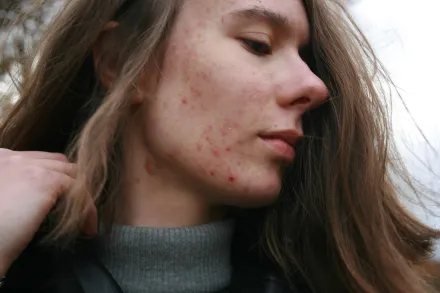
Acne scars are the lasting reminders of inflammatory breakouts, and they can affect confidence long after the skin has healed. They occur when acne inflammation damages the deeper layers of the skin, triggering a repair process that lays down altered collagen. The result is a variety of textures and shapes that resemble pits, raised areas, or uneven skin tone. Understanding why scars form can help you choose more effective treatments and set realistic expectations. Even though scars can feel personal, they are a common condition that responds to careful care and informed choices, and there are many paths to improvement that suit different skin types and goals.
Before exploring specific therapies, it is useful to recognize that acne scars are not uniform. Some scars are indented, others are elevated, and some simply leave behind color changes that can fade with time or treatment. The body’s healing response varies with genetics, age, hormonal influences, and the depth and duration of acne. As a result, an effective plan often requires a combination of approaches and a willingness to undergo several sessions over months. With patience and professional guidance, most people can achieve meaningful reductions in visible scarring and a smoother overall texture. It is also important to manage expectations because scars are often irreversible in their original form, but many treatments can significantly improve appearance and how the skin feels to touch.
The first step toward successful scar treatment is a realistic assessment of the scar types present, the skin’s natural healing tendencies, and the potential risks of various procedures. A clinician who specializes in cosmetic dermatology or dermatologic surgery can map out a personalized plan that balances efficacy with safety. This plan typically considers the scar’s depth, whether the scar is pigmentary discoloration or a structural defect, the skin type, and how the skin has responded to past treatments. In many cases, a staged approach that combines techniques is the most effective path forward because it allows the practitioner to address multiple aspects of scarring while monitoring how the skin reacts to each intervention.
Understanding the different types of acne scars
Acne scars fall into several broad categories, each with distinct textures and visual cues. The main division is between atrophic scars, which are depressed relative to surrounding skin, and hypertrophic or keloid scars, which protrude above the skin surface. Within atrophic scars there are subtypes that create different shapes: ice pick scars, which are narrow and deep; boxcar scars, which have sharp edges and a boxlike indentation; and rolling scars, which produce a wave-like surface due to tethering of the dermal tissue beneath the epidermis. Each subtype responds differently to treatment, and a skilled practitioner often combines methods to address multiple features within a single area.
Atrophic scars arise when the skin’s collagen framework fails to rebuild after inflammation, leaving a hollowed area. Ice pick scars resemble tiny punctures and tend to be deep with narrow openings, making them challenging to treat with surface-focused therapies alone. Boxcar scars are broader and shallower, with defined edges that resemble miniature craters; these often respond well to resurfacing techniques that rebuild collagen at the mid to deeper layers of the skin. Rolling scars create a more diffuse indentation that gives the skin a wavy feel, resulting from uneven scar tissue and attachments beneath the surface that tug at the epidermis. Understanding these distinctions helps in selecting treatments that specifically target the structural defects rather than merely the surface appearance.
Hypertrophic scars and keloids are raised and can be stiff or itchy. Hypertrophic scars stay within the boundaries of the original acne lesion, while keloids extend beyond those borders and can continue to grow over time. These scar types often arise from an overzealous healing response and are more common in individuals with certain genetic predispositions or darker skin tones. Because raised scars can respond differently to lasers, energy-based devices, or surgical techniques, a careful evaluation of risk and likely outcomes is essential before proceeding with any intervention. In some cases, clinicians may advise against aggressive resurfacing if keloid formation is a concern and may propose alternative strategies that minimize tension and trauma to the skin while still delivering improvement.
Color changes accompany many scars, especially after inflammation. Hyperpigmentation or hypopigmentation can occur in tandem with texture changes, creating a twofold challenge: restoring even texture while evening skin tone. Treatments that improve texture, such as microneedling or laser resurfacing, often help pigment irregularities as well, but pigment correction may require additional steps like topical agents or specialized light-based therapies. It is important to distinguish pigment changes from actual scar tissue because the approach and expected timeline differ. In lighter skin tones, color improvement may appear sooner, while in darker skin tones pigment correction can take longer and requires careful selection of modalities to minimize pigmentary shifts.
Home care and prevention as a foundation for improvement
Although professional procedures play a central role in addressing acne scars, daily skin care at home forms the foundation that supports any intervention. A gentle cleansing routine removes excess oil and debris without over-stripping the skin, which can worsen irritation and inflammation. A noncomedogenic moisturizer helps restore the skin barrier and can reduce sensitivity during treatment. Sunscreen is essential because sun exposure can darken both scar tissue and surrounding skin, making scars appear more noticeable than they are. Applying a broad-spectrum sunscreen with a high SPF and reapplying during the day shields healing skin from ultraviolet radiation that can impede improvement and lead to uneven pigment. Consistency over weeks and months yields the best long-term results, especially when combined with professional therapies.
Topical retinoids are frequently used as an adjunct to treatment because they promote cell turnover and collagen remodeling. Retinoids can help with both texture and color by encouraging the skin to shed irregular cells and reveal fresher layers beneath. They should be introduced gradually under supervision, as irritation can occur, particularly when the skin is healing from procedures. For some individuals, alternative topical agents such as azelaic acid, vitamin C, or niacinamide can support pigment normalization and collagen balance without heavy irritation. A clinician can tailor these choices to skin type, sensitivity, and treatment plan to minimize side effects while maximizing synergy with in-office procedures.
Protecting the skin from picking and excessive friction is another simple yet powerful prevention strategy. Picking scars or squeezing nearby pimples can extend inflammation, worsen tissue damage, and create new scars. Wearing protective clothing, avoiding aggressive scrubbing, and using gentle massage techniques can support healthy healing and improve the texture of atrophic scars over time. Sleep, hydration, and a balanced diet also contribute to overall skin health and resilience, which can influence how the skin responds to treatment and recovers between sessions.
Professional treatment options for acne scars
Clinicians have a wide array of tools to improve different scar types, and the best plans often combine several methods in a staged sequence. Chemical peels use controlled exfoliation to remove the outer skin layers and stimulate collagen production as new skin forms. Superficial peels with glycolic or lactic acid can improve color and fine texture and are often well tolerated, while medium-depth peels with trichloroacetic acid penetrate more deeply to address more pronounced irregularities. Deeper peels can yield more dramatic results but require longer downtime and carry higher risk, so patient selection and post-treatment care are crucial for success and safety. Peels are typically performed by trained professionals in a clinical setting and tailored to the scar pattern and skin type of each person.
Microneedling, also known as collagen induction therapy, creates microchannels in the skin that trigger a reparative healing response and stimulate collagen and elastin production. This technique is versatile and can be used for multiple scar subtypes, with gradual improvement over several sessions. In some cases, microneedling is combined with topical growth factors or platelet-rich plasma to potentially enhance outcomes, though evidence varies and should be weighed against costs and patient tolerance. Microneedling is generally well tolerated, but temporary redness and mild swelling can occur after sessions, and sun protection remains essential during the healing period.
Laser-based therapies come in several flavors and are favored for precise control over depth and treatment zones. Fractional lasers, whether CO2 or erbium-doped, deliver energy in scattered microscopic columns that ablate or thermally remodel the skin while leaving surrounding tissue intact to promote rapid healing. Fractional lasers can reduce the depth and density of atrophic scars, improve surface texture, and even out pigmentation. Improvements typically accrue over multiple sessions, with downtimes ranging from a few days to a couple of weeks, depending on the laser type and the aggressiveness of treatment. Risks include temporary redness, swelling, infection, scarring in rare cases, and pigmentary changes, particularly in darker skin tones, which is why patient selection and technique are vital.
Non-ablative lasers and radiofrequency devices provide gentler alternatives that can still yield meaningful results, particularly for individuals seeking less downtime. These approaches heat deeper skin layers to stimulate collagen production with lower risk of surface damage. The trade-off is often the need for more sessions to achieve the same level of improvement as more aggressive resurfacing. For patients with sensitive skin or those who want to limit downtime, non-ablative options offer a favorable balance between effectiveness and comfort while still contributing to texture and color improvement over time.
Dermal fillers are a practical option for certain atrophic scars, especially rolling or deep boxcar scars. Fillers can elevate recessed areas to match surrounding skin, creating a smoother surface that can be maintained for months to years, depending on the material used. Fillers address height rather than texture directly and are sometimes used in conjunction with subcision, a procedure that breaks bands of scar tissue beneath the skin to release tethering and allow the scar to rise toward the normal contour. In some cases, a single session of filler followed by staged resurfacing can yield durable improvements, especially when a shallow scar base is present and surrounding tissue remains healthy.
Subcision is a minor surgical technique that uses a needle to release fibrous bands that pull scar tissue downward, creating a more even surface. Subcision is often used for rolling scars or deep pits and can be repeated if needed. In many cases, subcision is combined with the application of a filler to maintain the newly released lift and to support a uniform texture while healing progresses. This approach is usually performed under local anesthesia in a clinical setting and requires careful post-procedure care to minimize risk of infection and inflammation while guiding collagen remodeling in the newly released area.
Punch techniques, including punch excision or punch grafting, target individual scar pits or deep boxcar lesions. A punch excision removes the scar and allows the surrounding skin to heal from fresh margins, often with a small graft or graftless closure. Punch grafting places a small piece of skin or tissue into the excised space to promote a new, more natural contour. These methods are meticulous and best suited for isolated lesions with well-defined borders. They require careful planning to maintain facial harmony and to minimize conspicuous scarring at the treatment site itself, especially on highly mobile areas like the cheeks and perioral region.
Combination therapies are common because acne scars are multifaceted. A patient may benefit from treating pigmentary changes with topical agents or light-based therapies, addressing texture with microneedling and subcision, and smoothing contour with a fractional laser in staged sessions. A well-designed plan coordinates energy-based devices with time for your skin to recover and for collagen to remodel between treatments. Such coordination reduces the risk of cumulative irritation and downtime while maximizing the likelihood of meaningful improvement across the scar spectrum.
Choosing a clinician and creating a treatment plan
The selection of a clinician and the creation of a personalized plan hinge on several factors. First, consider the clinician’s experience with acne scar management and their familiarity with your skin type and color. Different devices and techniques require specialized training to minimize risks such as pigment changes, scarring, or infection. Reviews, before-and-after photos, and a candid discussion about expectations help establish trust and align goals with achievable outcomes. Second, assess the setting and safety protocols. Procedures like laser resurfacing or chemical peels demand proper equipment, sterilization standards, skin care products for post-treatment care, and clear instructions about when to seek help for adverse reactions. A thorough consultation should include a discussion of downtime, costs, number of sessions likely required, and the realistic timeline for visible improvement.
Third, evaluate how the scar pattern, skin type, and lifestyle influence the plan. Individuals with darker skin tones often require a more cautious approach to avoid pigmentary changes, and certain lasers may be less suitable in these cases. Skincare routines, sun exposure, and the ability to commit to multiple sessions over months influence treatment choices. A good clinician will tailor the approach to your daily life, not just the appearance of the scars. They will also provide a clear explanation of potential side effects, expected improvement at each stage, and how results may evolve as the skin heals and new collagen forms. A collaborative approach—where you feel heard, informed, and part of the decision-making process—tends to yield the best adherence and outcomes over time.
Another key factor is setting realistic expectations. Scar treatment does not guarantee perfection, and the most meaningful results often involve a combination of smoothing irregularities, lightening discoloration, and sometimes improving elasticity and resilience of the skin. Understanding the scope of improvement you can reasonably expect helps you prepare for a multi-month journey that may include maintenance sessions or periodic touch-ups. A reputable clinician will help you articulate goals in measurable terms, such as reducing the depth of indentations by a certain percentage or achieving a more uniform texture rather than erasing every trace of a scar. This clarity supports informed consent and reduces the chance of frustration if some scars respond more slowly than others.
What to expect during and after procedures
During a consultation, the clinician will review your medical history, discuss your scar patterns, and explain the anticipated course of treatment. On the day of a procedure, you may experience mild discomfort or a sensation of heat, depending on the technique used. Anesthetic options vary from topical creams to local injections for more invasive treatments, and the choice depends on the modality, area treated, and your comfort level. After a chemical peel, you can expect redness and slight peeling for several days, with gradually revealed fresh skin that glows with improved tone and texture as the healing process progresses. Post-procedure care often involves gentle cleansing, moisturizing, and strict sun protection to minimize pigment changes during recovery.
With microneedling, most people notice redness and a sunburn-like feeling for 24 to 72 hours after treatment, with gradual return to normal activities. The collagen remodeling that follows manifests over weeks and months, with cumulative effects after several sessions. Laser therapies have variable downtime depending on the depth and intensity. Fractional lasers may produce swelling and redness that last from a few days to a couple of weeks, while non-ablative options tend to have shorter recovery periods. Subtle but present improvements appear after each session, with more noticeable shifts after multiple treatments. In all cases, adhesion to post-treatment guidelines—such as avoiding picking, maintaining hydration, and using prescribed skin-care products—accelerates healing and enhances results.
Education about potential side effects is part of responsible care. Temporary hyperpigmentation or hypopigmentation can occur, particularly in individuals with darker skin tones or with aggressive treatments. Infection is rare but possible when proper sterile technique and aftercare are not followed. Scarring from procedures is uncommon but possible, especially in patients with a history of poor wound healing, excessive tension on treated areas, or a predisposition to keloids. A clinician will review signs of infection or abnormal healing and instruct you on when to seek urgent care. By approaching treatment with patience, clear communication, and adherence to aftercare, most patients experience a meaningful improvement in texture, stability, and confidence without compromising skin health.
Recovery timelines vary widely by method and individual factors. Light peels may require just a few days of downtime, while deeper resurfacing could necessitate a longer period of facial rest and sun avoidance. Throughout recovery, continuing sun protection helps preserve newly formed pigment and prevents relapse into uneven tone. Some patients may need several sessions spaced weeks apart to allow the skin to repair and remodel gradually. The overall rhythm of care—from initial consultation to eventual maintenance—often spans several months or even longer, but the cumulative effect can be significant for those who have long battled with stubborn scars and the emotional weight they carry.
Myths and realistic expectations about acne scar treatment
A common misconception is that acne scars can be erased completely with a single treatment. In reality, most people improve substantially but still retain traces of the original markings, especially if scars are deep or located on highly visible areas like the cheeks or temples. Another myth is that any laser will work equally well across all skin types. In truth, device selection and technique matter greatly, and a clinician should tailor choices to your skin color, thickness, and scar pattern to minimize risks and maximize benefits. Some patients fear procedures and avoid care, when in fact a progressively planned course often reduces anxiety and leads to better outcomes than waiting years for spontaneous improvement.
It is important to avoid over-the-counter products as a substitute for professional treatment when the goal is marked scar reduction. Topical agents can support skin health and pigment balancing, but they cannot replicate the response triggered by controlled energy-based therapies or surgical techniques. The best results come from a well-considered plan that combines modalities, respects the body’s healing timeline, and is adjusted based on how your skin responds after each session. Another misunderstanding is that scars always become worse with age. While some scars may appear more prominent as skin loses elasticity over time, many patients experience a steady improvement when combining therapies with diligent sun protection and skin care. A thoughtful, individualized plan remains the most reliable path to durable and meaningful change in acne scar appearance.