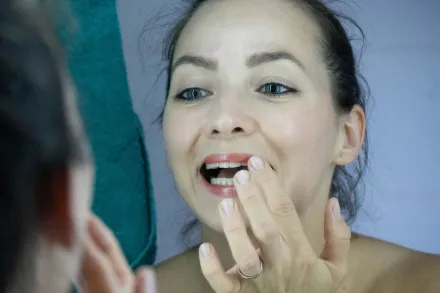
Understanding the science behind facial puffiness
Puffiness in the face is a common concern that arises from a combination of fluid shifts, inflammation, and the way gravity interacts with soft tissues during the day. The body maintains a dynamic balance of fluids across compartments, and factors such as sodium intake, hormonal fluctuations, sleep position, and environmental conditions can tip that balance toward temporary swelling. When the lymphatic system and blood vessels manage fluid poorly or inefficiently, pooled fluid can manifest as swollen cheeks, under eyes that look puffy, and a general sense of heaviness in the face. Understanding that puffiness is often a symptom rather than a fixed condition helps in approaching it with a comprehensive routine that targets the underlying processes rather than just the surface appearance.
In many people the face holds more noticeable puffiness in the morning due to overnight fluid redistribution. While lying horizontally for several hours, fluids may accumulate around the eyes and cheeks, then settle upon standing. The lymphatic system plays a crucial role here, as it is responsible for draining excess interstitial fluid and waste products from tissues. When lymphatic flow is slowed by factors like dehydration, alcohol consumption, or inflammation, edema can become more pronounced. Allergies and sinus congestion also contribute by triggering inflammatory responses that increase vascular permeability and tissue swelling in the nasal and orbital regions. Distinguishing between temporary puffiness and longer-term swelling from medical conditions is important, but most daily fluctuations are due to modifiable lifestyle choices and skincare routines.
Another important aspect is the skin’s own structure and its ability to support underlying tissues. The face contains delicate connective tissue and a network of muscles that can become more prominent when edema is present. When fluid retention increases, it stretches these tissues slightly, creating a sensation of fullness or puffiness. The interplay between collagen, elastin, and glycosaminoglycans in the dermis also affects how easily puffiness manifests and how quickly the skin returns to its baseline after a swelling episode. This means that both short-term interventions, like cool compresses, and longer-term strategies, like improving collagen support with certain nutrients, can influence the degree and duration of facial puffiness.
Culture and climate can modulate puffiness as well. In hot and humid environments, swelling may appear more quickly due to vasodilation and increased capillary permeability in response to heat. In cold climates, reduced lymphatic drainage and tight skin from dry air can create a different pattern of puffiness. Stress and sleep deprivation are other contributors because they raise cortisol levels that influence fluid balance and can also impair the efficiency of the lymphatic system. Recognizing these patterns helps tailor a plan that fits a person’s specific circumstances rather than applying a one-size-fits-all approach.
Finally, age and genetics play a role in how prone someone is to facial puffiness. With age, the skin loses some of its elasticity and the supporting fat pads may shift, creating a different baseline for swelling. Some individuals may naturally have a tendency toward fluid retention because of vascular or lymphatic efficiency, while others may be more resilient. Awareness of these tendencies allows for a proactive approach, combining good habits with targeted skincare techniques that minimize the appearance of puffiness and support proportional facial contours.
Daily habits that help prevent morning puffiness
One foundational strategy is hydration. Paradoxically, drinking an adequate amount of water helps prevent the body from retaining fluids as a protective response to dehydration. Consistently staying well hydrated supports the lymphatic system, promotes proper blood flow, and helps maintain skin turgor, which can reduce the tendency for the face to look swollen as the day begins. Pairing water intake with a reduction in highly caffeinated beverages can also help, since caffeine can act as a diuretic in some individuals and may provoke temporary shifts in fluid balance as the body adjusts.
Another essential habit is moderating salt intake. Sodium promotes water retention by increasing the osmotic pull of fluids into the extracellular spaces. Reducing processed foods, limiting added salt in meals, and paying attention to high-sodium sauces and condiments can yield noticeable improvements over several days to weeks. It is not necessary to lock into a restrictive diet, but making steady, sustainable changes to sodium exposure can help manage facial puffiness and overall swelling in other parts of the body.
Alcohol consumption is a common trigger for facial puffiness, especially around the eyes. Alcohol acts as a vasodilator and can lead to dehydration, both of which contribute to swelling. If social obligations permit, limiting alcohol intake or ensuring adequate hydration before and after consuming alcoholic beverages can reduce the next-day puffiness. When alcohol is part of a special occasion, supplementing with water and choosing lighter options may help minimize the gorge of fluid shifts that manifest in the face.
Sleep quality and position also play a significant role. Elevating the head slightly with an extra pillow can help reduce overnight facial fluid pooling by giving gravity a helping hand in guiding fluids away from the facial tissues. Establishing a regular sleep routine, maintaining a cool room temperature, and avoiding heavy meals close to bedtime can support more restful sleep and reduce the morning swelling that often follows poor sleep.
Regular physical activity is another powerful tool. Exercise improves circulation, supports lymphatic flow, and promotes sweat-based flushing of toxins that can contribute to puffiness if left stagnant. Even gentle daily movement, such as walking or light stretching, can support the facial tissues by enhancing overall fluid balance and reducing edema. People who train vigorously should pay attention to signs of dehydration and electrolyte balance, as intense workouts can temporarily shift fluids away from the face while promoting recovery elsewhere in the body.
Managing stress contributes indirectly to reducing puffiness as well. Chronic stress can influence sleep patterns, hormonal balance, and inflammatory processes that affect swelling. Incorporating mindful breathing, brief breaks during the day, and activities that promote relaxation can support hormonal equilibrium and thereby help minimize fluid retention in the face. A calm autonomic state supports stable blood flow and lymphatic drainage, which translates into a less puffy complexion over time.
Skincare routines that specifically address puffiness
A well-structured skincare routine can modulate the appearance of puffiness by supporting skin elasticity, reducing inflammation, and encouraging drainage of excess fluids. The morning routine often focuses on preparing the skin for the day while addressing reflective puffiness around the eyes. A cleanser that is gentle on the skin helps maintain the barrier function, while a light moisturizer preserves hydration without a heavy occlusive layer that could trap fluids in delicate tissues. Formulations that include cooling agents or vitamin C can provide an energizing effect that makes puffiness appear less prominent as you start the day.
Ingredients like caffeine are frequently highlighted for their ability to constrict blood vessels and reduce swelling within the upper layers of the skin. In topical products or lightweight serums, caffeine can contribute to a temporarily tightened appearance by mitigating capillary dilation. Hyaluronic acid helps retain moisture in the epidermis, which supports a plumper yet less swollen look by improving the skin’s hydration status and turgor. Niacinamide and peptides can improve skin texture and resilience, which makes swelling less noticeable over time as the skin regains firmness and a more even tone.
When selecting eye creams or gels, look for formulations designed to reduce puffiness around the orbital area. These products may incorporate cooling agents like cucumber extract or green tea polyphenols to soothe irritated tissues and calm inflammation. Massaging the product gently around the orbital bone may assist drainage, but be careful to avoid pulling on the delicate under-eye skin. A light, patting motion can distribute the product evenly without tugging. The goal is to deliver active ingredients while supporting the skin’s natural drainage pathways rather than applying heavy products that can contribute to a congested, puffy look.
Evening skincare, while not always focused on puffiness, contributes to reducing next-day swelling by promoting repair and hydration. Removing makeup thoroughly prevents irritants from triggering inflammatory responses, and applying a nourishing emollient supports barrier function overnight. For those who struggle with puffy morning eyes, a gentle eye mask or a cool compress for a few minutes before bed can tranquilize blood vessels and reduce evening fluid accumulation, setting a foundation for a less puffy morning appearance.
Facial massage techniques can be integrated into daily rituals to encourage lymphatic drainage and improve circulation. Using clean hands, slow and deliberate strokes along the jawline, cheeks, and temples can help move fluids toward regional lymph nodes. A light touch is essential to avoid bruising or irritation; the goal is to stimulate the natural drainage system rather than to aggressively push fluids. Consistency matters, as regular gentle massage over weeks can contribute to a more lifted, less swollen look by maintaining drainage pathways and toning the facial tissues.
When choosing professional treatments, options such as gentle lymphatic drainage massages performed by trained therapists can offer deeper, targeted support for fluid movement. For some individuals, non-invasive modalities like cool compress therapy or microcurrent devices used properly can support muscle tone and lymphatic function. It is important to consult with a licensed practitioner and to disclose any medical conditions, medications, or implants that might influence the suitability of these treatments. A cautious, informed approach lowers the risk of irritation or adverse reactions while maximizing potential benefits for puffiness reduction.
Targeted strategies for under-eye puffiness
The under-eye area is particularly delicate and sensitive to fluid shifts, fatigue, and allergies. A cold compress or chilled cucumber slices have long been used as a soothing home remedy to reduce vasodilation and provide a temporary tightening effect on the skin. While these remedies are temporary, they can be part of a broader ritual that helps the eye area look less swollen during the day. Consistency in soothing routines can yield better results over time than sporadic, intense interventions.
In addition to cold therapy, gentle massage around the orbital rim can help encourage drainage away from the eyes. The orbital rim is a precise anatomical area; using clean fingers and a light touch, move from the inner corner outward along the under-eye area with soft, sweeping motions. Avoid applying pressure directly onto the eyeball or the inner corner where the skin is extremely thin. If allergies are a factor, addressing nasal congestion with appropriate medications or nasal saline rinses can indirectly reduce eye puffiness by lowering the inflammatory burden around the ocular region.
Eye creams designed to address puffiness often include caffeine, peptides, and hyaluronic acid to hydrate and tighten the skin while supporting drainage. When applying these products, a gentle tapping motion around the orbital bone can help with absorption and promote micro-circulation. Users should patch-test new products to avoid irritation and discontinue use if there is redness, itching, or a burning sensation. It is better to use a small amount of product correctly than a larger amount that may cause irritation or ring around the eye area.
Allergen management plays a crucial role for many individuals. If pollen, dust mites, or pet dander contribute to nasal congestion and eye irritation, then addressing these triggers with environmental controls or appropriate medications can directly influence morning puffiness. Keeping windows closed during high pollen seasons, washing bedding regularly, and using air purifiers can reduce exposure and help maintain clearer sinuses and less eye swelling upon waking.
In some cases, deviations in sleep quality or pattern can amplify under-eye puffiness. Establishing a stable bedtime routine and ensuring a comfortable sleeping environment supports the reduction of overnight swelling. A consistent sleep schedule helps regulate hormones and hydration status, which in turn reduces fluctuations in the delicate skin around the eyes. For people who use devices late at night, reducing blue light exposure and allowing the eyes to calm before sleep can also contribute to less swelling the following day.
Managing puffiness through facial exercises and lymphatic flushing
Facial exercises, when performed with care, may help tone facial muscles and support lymphatic drainage. Gentle repetitions that target the cheeks, jawline, and temples can encourage fluid movement toward the lymphatic system, which can reduce residual puffiness after swelling events. It is important to avoid aggressive or forceful movements that could irritate the skin or cause breakouts. The idea is to stimulate circulation and lymphatic flow with a relaxed, mindful approach rather than to strain the facial tissues.
Combining facial exercises with dry brushing is sometimes recommended to stimulate lymphatic activity. If this method is chosen, it should be done with a soft-bristled brush and gentle pressure on dry skin before cleansing. The strokes should follow the direction of lymphatic flow, typically toward the lymph nodes in the neck and the jawline. While evidence on dry brushing is mixed, many people notice temporary improvements in skin texture and a slight reduction in puffiness when it is integrated into a routine in moderation. Sensitivity and skin health must be monitored to avoid irritation or micro-tears in the skin.
Breathing techniques and neck stretches can complement facial flushing routines by improving overall circulation and reducing muscle tension that can contribute to facial fullness. A calm breathing pattern combined with slow neck rotations and shoulder rolls can help release tension that may exacerbate the appearance of puffiness. These practices support the body’s natural drainage pathways and create a more balanced facial contour over time when done consistently and with proper technique.
It is essential to note that not all individuals will respond to facial exercises in the same way; some may notice improvement while others may see little change. The best approach is to combine gentle, regular routines with other foundational steps such as hydration, sleep, and diet to achieve the most meaningful results. Observing how the face responds to specific movements and adjusting the routine accordingly helps tailor an effective personal program for puffiness reduction without risking irritation or discomfort.
Dietary and hydration strategies to minimize facial swelling
Diet plays a central role in managing fluid balance throughout the body, including the face. A balanced diet rich in fruits, vegetables, lean proteins, and whole grains supports overall circulation and lymphatic function. Consuming plenty of potassium-rich foods such as bananas, leafy greens, and avocados helps counteract the effects of sodium by promoting balanced fluid distribution. However, it is important to maintain a sensible approach, since excess potassium can have its own health implications. A focus on nutrient-dense foods supports skin health and reduces inflammatory signals that can contribute to puffiness.
In addition to mineral balance, antioxidants may help protect skin cells from oxidative stress that can enhance swelling and heaviness. Colors in fruits and vegetables signal the presence of polyphenols, vitamins, and minerals that support skin resilience. Berries, citrus fruits, and cruciferous vegetables can be part of a daily pattern that nourishes the skin and reduces the inflammatory milieu that promotes edema. A varied, colorful diet reinforces the skin’s ability to recover from swelling episodes and sustain a firmer appearance.
Healthy fats are also important for skin health and fluid balance. Omega-3 fatty acids found in fatty fish, flaxseeds, and walnuts help modulate inflammatory responses and support cell membrane integrity. Including these fats in moderate amounts may contribute to a healthier skin environment that is less prone to puffiness after meals or during hormonal shifts. It is beneficial to balance these fats with a moderate intake of saturated fats and to focus on whole-food sources rather than processed options that may provoke inflammation.
Food allergies or intolerances can cause facial puffiness in some individuals by triggering inflammatory processes. Identifying potential triggers through a careful diary and, if needed, an elimination trial under medical supervision can help determine if a particular food is contributing to swelling. When a definite trigger is identified, removing or reducing that item from the diet may lead to a noticeable improvement in facial fullness and overall comfort after meals.
The timing of meals can also influence puffiness. Eating smaller, more frequent meals and avoiding large, heavy meals late in the day can prevent postprandial bloating and fluid shifts that enlarge facial tissues. A light dinner, with a focus on easily digestible foods, can help minimize nocturnal congestion and the result of morning puffiness. Pairing meals with a consistent hydration pattern ensures that the body maintains a stable fluid balance rather than reacting with edema after large intakes of salt or carbohydrate-rich foods.
Allergy management and respiratory considerations
Allergies and sinus issues are frequent contributors to facial puffiness, especially around the eyes and cheeks. Controlling these triggers can have a meaningful impact on swelling levels. When allergies are suspected, healthcare providers may recommend antihistamines or nasal corticosteroids to reduce mucosal inflammation and drainage obstruction. Clear communication with a medical professional helps determine the best medication strategy that considers potential interactions with other treatments and personal health status.
Non-pharmacologic measures can also reduce puffiness related to allergies. Regular nasal irrigation with saline solution can help clear irritants from the nasal passages, improving drainage and reducing sinus-related pressure that contributes to facial swelling. Environmental controls, such as using air purifiers, washing bedding to remove dust mites, and minimizing exposure to pollen during peak seasons, can further support a reduction in swelling by limiting inflammatory triggers. It is important to maintain good nasal hygiene and to follow instructions from healthcare providers to avoid irritation or complications from irrigation practices.
Smaller lifestyle changes can also have measurable effects. For instance, avoiding known irritants such as tobacco smoke, highly scented products, and overly harsh skincare that can cause irritation may help maintain skin integrity and prevent secondary swelling from inflammatory responses. People who wear contact lenses or have ocular surface issues may notice puffiness linked to eye rubbing or irritation; addressing these habits with careful lens care and eye protection helps safeguard the delicate eye area and reduces the risk of edema-related swelling around the eyes.
Seasonal factors such as humidity and temperature can influence puffiness in susceptible individuals. In humid conditions, the body may retain more fluid, while in dry environments the skin can become dehydrated, triggering compensatory mechanisms that alter fluid distribution. Wearing appropriate skincare with hydration support, using a humidifier in dry rooms, and adjusting hydration strategies to match seasonal conditions can help manage these fluctuations and maintain a more consistent facial appearance across seasons.
Medical conditions that can cause persistent facial puffiness
While most facial puffiness is temporary and lifestyle-related, certain medical conditions can contribute to persistent swelling. Cardiovascular issues, kidney and liver concerns, thyroid imbalance, and chronic inflammatory conditions can all manifest as facial edema. If puffiness is longstanding, evenly distributed across the face, or accompanied by symptoms such as sudden weight gain, shortness of breath, or swelling in other parts of the body, a medical evaluation is essential to exclude or manage underlying problems. A clinician can perform targeted tests, review medications, and develop a comprehensive plan to address both the puffiness and any associated health concerns.
Medication-induced swelling is another possibility. Some prescription drugs, including certain blood pressure medications, nonsteroidal anti-inflammatory drugs, and hormonal therapies, can lead to edema in specific individuals. If a new medication coincides with the onset of facial puffiness, discussing alternative options with a healthcare provider is prudent. Never discontinue any medication without professional guidance; instead, seek a physician’s advice to determine whether adjustments are appropriate and safe while monitoring for improvement in swelling.
Hormonal fluctuations, including those related to the menstrual cycle, pregnancy, or endocrine disorders, can influence fluid balance and facial fullness. During some phases, retaining fluids is more likely, resulting in a temporary increase in puffiness that diminishes when the hormonal milieu resolves. In pregnancy, for example, careful monitoring of sodium intake, hydration, and overall blood volume is important, and any persistent or worsening swelling should be discussed with a maternity care provider to rule out conditions that require medical attention.
Chronic sinusitis, allergies, and upper respiratory infections create inflammatory states that may produce facial puffiness as a secondary effect. Treating the underlying infection or inflammatory process often reduces swelling as well. In cases where puffiness persists even after acute illness resolves, a healthcare professional can help identify lingering contributors and tailor a plan to support long-term relief and skin health.
When to seek professional help for facial puffiness
Occasionally facial puffiness signals an issue that requires professional assessment beyond lifestyle changes. If swelling is accompanied by pain, fever, a sudden inability to move facial muscles, or if swelling is unilateral and rapidly progressing, seek medical advice promptly. These situations may indicate infections, inflammatory conditions, or localized vascular issues that need targeted treatment. For ongoing puffiness without clear cause, a dermatologist or rheumatologist can evaluate skin, connective tissue, and systemic factors to determine whether topical therapies, prescription medications, or imaging studies are warranted.
Dermatologists may offer diagnostic insights into the skin’s structure, underlying fat pads, and lymphatic pathways. They can recommend medical-grade skincare with evidence-based ingredients, discuss laser or light-based therapies for improving skin tightness and reducing residual edema, and guide patients through safer, more effective routines. If sleep apnea or breathing issues are suspected to contribute to puffiness due to nocturnal hypoxia or disrupted sleep, a referral to a sleep specialist may be appropriate to address the root cause and improve overall circulation and facial appearance.
Finally, persistent puffiness may have psychological and social impacts. If swelling contributes to self-consciousness or affects daily functioning, mental health support alongside medical evaluation can be beneficial. Turning to a multi-disciplinary approach that includes medical care, dermatology, nutrition, and wellness strategies often yields the most comprehensive and sustainable improvements in facial puffiness and overall skin health.
Common myths and practical realities about reducing facial puffiness
One common myth is that all puffiness can be eliminated instantly with one perfect product or treatment. In reality, the most reliable improvements come from a consistent, multi-pronged routine that combines hydration, sleep, diet, and gentle skincare. Quick fixes like a temporary cold compress can help in the moment, but lasting changes require ongoing habits that support drainage, tissue resilience, and balanced inflammation.
Another misconception is that all puffiness responds the same way to caffeine-containing products. While caffeine can reduce swelling in some individuals due to vasoconstriction, others may not experience a strong effect or could even experience irritation if they have sensitive skin. Individual variation means that potential benefits should be tested with patches or cautious trial, and products should be selected based on skin type and tolerance rather than marketing promises alone.
A third myth is that facial puffiness is purely cosmetic and unimportant. In many cases, puffiness reflects healthy or unhealthy states of hydration, inflammation, and circulation. Taking puffiness seriously and addressing it through a comprehensive plan can improve facial comfort, skin texture, and confidence, while also encouraging habits that support overall health beyond the face. Mindfully integrating skincare with lifestyle choices creates a sustainable approach that benefits the face and body alike.
Putting it all together: building a personalized plan
Creating a personalized plan begins with self-observation. Keeping a simple log of daily routines—sleep duration, hydration, dietary choices, salt intake, exercise, and any appearance changes in the face—helps identify patterns that correlate with puffiness. From these observations, a person can identify which interventions are likely to yield the most meaningful improvements and adjust them over time. The goal is to implement gradual, sustainable changes rather than dramatic shifts that are hard to maintain.
Start with a core routine that addresses hydration, sleep, and gentle skincare, then gradually introduce targeted practices such as mild lymphatic drainage massage, cold therapy sessions, and dietary adjustments. A practical plan might look like maintaining consistent sleep times, choosing low-sodium meals most days, applying a lightweight morning product with caffeine and hyaluronic acid, performing a brief orbital massage, and using a cool compress for a few minutes when puffiness flares. Over weeks, observe how the face responds and refine the routine to match personal needs and preferences.
As you expand your routine, avoid overloading the skin with heavy products or aggressive procedures. The skin on the face is delicate; overstimulation or irritation can worsen inflammation and swelling. Instead, prioritize restraint and gentleness. When introducing new elements—for instance a new eye cream or a facial massage technique—test them gradually and monitor for any adverse reactions. If irritation occurs, step back and reassess product choices or technique, and consult with a skincare professional if needed.
In addition to individual strategies, environmental mindfulness plays a crucial role. Protecting the skin from harsh sun exposure with broad-spectrum sunscreen, avoiding extreme heat in the environment, and controlling indoor humidity can minimize factors that exacerbate puffiness. A well-ventilated living space and a stable climate help maintain comfortable tissue hydration and reduce inflammatory triggers. Thoughtful environmental controls complement personal routines and support more reliable results over time.
Ultimately, reducing facial puffiness is a journey of aligning physiology, behavior, and skincare. It is not about chasing a flawless look but about promoting healthier fluid balance, calmer tissues, and, as a consequence, a fresher, more rejuvenated appearance. By approaching puffiness with curiosity, patience, and consistency, anyone can enjoy meaningful improvements that enhance not only the look of the face but also its health and comfort in daily life.
In summary, the essential pillars include maintaining proper hydration, moderating salt and alcohol intake, prioritizing quality sleep and head elevation, engaging in gentle facial care, and employing targeted strategies for areas prone to swelling. When combined thoughtfully, these practices create a robust framework for reducing puffiness and supporting enduring skin health. While results vary among individuals, a conscientious and personalized plan offers the best chance of achieving a calm, balanced, and confident facial appearance over time without relying on extreme measures or temporary fixes.
With attention to both routine and nuance, you can transform how your face looks and feels throughout the day. The path to less puffiness is not about chasing a single silver bullet but about cultivating an integrated approach that respects the body’s rhythms and supports natural drainage, elasticity, and resilience. This holistic view makes it possible to see reduction in puffiness as part of a broader commitment to skin vitality and overall well-being, rather than as a standalone cosmetic goal that requires constant adjustment or sensational interventions.