As the hair on our heads grows, it passes through natural cycles of growth, rest, and shedding. Each day a portion of follicles finishes its growth phase and releases a hair to begin a new cycle. In healthy individuals, daily shedding often falls within a modest range, typically around fifty to a hundred hairs, though this number can vary with age, genetics, hormonal influences, and even lifestyle factors. When shedding rises beyond the usual baseline or becomes visually noticeable as thinning, concern naturally arises. The good news is that shedding can be managed and often reduced by adopting a thoughtful approach that combines gentle handling, a supportive washing routine, balanced nutrition, and careful product choices. The aim is not to eliminate shedding entirely—since shedding is a normal part of the hair lifecycle—but to cut back on excessive loss and support scalp health and hair resilience over time.
Understanding the difference between shedding and breakage
One of the first steps toward reducing hair loss is recognizing the distinction between shedding and breakage. Shedding refers to hairs that come out with their root attached, usually a sign that a follicle has completed a growth cycle. These hairs are often longer and appear uniform in length as they come out in the normal course of daily life. In contrast, breakage occurs when the hair shaft itself is damaged and breaks along its length, often resulting in shorter, frayed ends or a knot of broken strands near the midshaft or ends. Breakage is frequently linked to mechanical stress from rough brushing, aggressive styling, heat exposure, chemical processing, or dehydration. Understanding this difference helps tailor the strategies you use: if shedding is the primary concern, attention to scalp health and lifecycle considerations matters most; if breakage is prominent, strengthening the hair shaft and minimizing damage take center stage. Over time, focusing on gentle handling minimizes both shedding due to damage and the appearance of thinness that comes from brittle strands.
Crafting a gentle washing routine that minimizes shedding
Processing and washing are common turning points in a routine that can influence shedding. A careful washing routine starts with choosing a mild shampoo that respects the scalp’s natural oils and avoids harsh detergents that strip moisture. Look for formulas described as gentle, sulfate-free, or designed for sensitive scalps, and prefer products that advertise conditioning properties to help protect the hair during cleansing. When washing, use lukewarm water rather than hot water, since heat can dry out the scalp and hair, making strands more prone to snapping during subsequent brushing. Apply conditioner primarily to the mid lengths and ends to keep ends supple without weighing down the scalp area, and rinse thoroughly to prevent buildup that can hinder natural shedding dynamics. By avoiding aggressive scrubbing and allowing the scalp to breathe between washes, you reduce mechanical stress that can contribute to breakage and visible shedding from damaged ends. If your scalp tends to oil quickly, a shorter, more frequent routine balanced with a lighter conditioning approach can help maintain moisture without creating heavy residue on the root area.
Brushing and combing strategies for less stress
Brushing and detangling account for a large portion of daily hair stress, yet when approached correctly they can dramatically reduce shedding caused by breakage. Start detangling when the hair is damp rather than fully dry, which is when it is more pliable and less prone to snapping. Use a wide-tooth comb or a brush designed for detangling, placing the comb at the ends and gradually working upward toward the roots in small, gentle passes. Avoid tugging or yanking on knots; instead, work from the tips, patiently loosening knots before advancing. If you sleep with your hair loose, a satin or silk pillowcase can reduce friction during the night, minimizing friction-induced breakage. Even the order of brushing can matter: a careful routine that begins with the ends and moves gradually toward the scalp helps preserve length and reduces stress across the shaft. Protective detangling techniques, when practiced consistently, yield a noticeable decrease in breakage-related shedding while maintaining the overall volume and vitality of the hair strand.
Scalp care and massage for healthy shedding control
The health of the scalp directly influences the rate of shedding and the strength of the hair that grows from it. Gentle scalp care can promote better circulation, remove flaky buildup, and support a balanced environment for hair follicles. Regular, mild exfoliation of the scalp can help remove dead skin cells that may impede follicular function, followed by a light massage that stimulates blood flow without causing irritation. A few minutes of scalp massage with clean fingertips, performed in circular motions, can be both soothing and beneficial over time. If you choose to use oils or serums targeted at scalp health, select non-greasy formulations and apply sparingly to the skin rather than the hair, focusing on areas most prone to dryness. The goal is to maintain a clean, well-hydrated scalp that supports strong anchoring of the hair shaft without creating a greasy barrier that can lead to clogged follicles or unwanted buildup. By combining gentle cleansing with mindful massage, you encourage a resilient scalp environment that resists excessive shedding while encouraging robust hair growth cycles.
Nutrition and hydration that support hair resilience
Nutrition plays a central role in hair health, including the strength and shedding pattern of your hair. Adequate protein intake provides the building blocks for hair, which are primarily made of keratin, while a balanced diet supports follicular function and growth. Key nutrients often associated with healthier hair include iron, zinc, B vitamins, omega-3 fatty acids, and certain amino acids. A well-rounded diet rich in lean proteins, leafy greens, whole grains, nuts, seeds, and colorful fruits and vegetables can support hair in subtle but meaningful ways. Hydration also matters; staying properly hydrated helps maintain the moisture balance within hair fibers, contributing to elasticity and reducing breakage. For some, strand strength is linked to micronutrient status, so discussing dietary needs or possible deficiencies with a healthcare professional can be a prudent step, especially if shedding is pronounced or accompanied by other symptoms such as fatigue or brittle nails. Although dietary changes alone are not a substitute for medical advice, they form a foundational element of a holistic approach to reducing shedding and improving hair quality over time.
Product choices and ingredients that help reduce shedding
The products you use on your hair can either support strength and moisture or contribute to dryness and damage. When selecting a shampoo, look for gentle formulas that cleanse without stripping, with ingredients like glycerin, panthenol, and ceramides that help retain moisture. Conditioners that provide slip and nourishment to the shaft can reduce friction during combing, ultimately minimizing breakage. Consider leave-in products that offer light, protective coatings or detangling properties, and apply only the amount your hair can absorb without creating buildup. For those who style frequently with heat, heat protection sprays or serums can be a subtle but meaningful addition to the routine, reducing thermal stress that leads to breakage. Be mindful of fragrance-heavy formulas and potential irritants if you have a sensitive scalp. Choosing products labeled as non-comedogenic or allergy-tested can be a wise precaution for people who notice sensitivity after using certain hair care items. A consistently gentle routine with the right ingredients can steadily lessen shedding caused by damage and maintain a healthier appearance of fullness over time.
Protective styling and minimizing mechanical stress
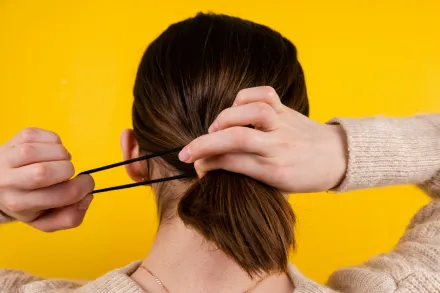
Protective styling can play a powerful role in reducing shedding that results from daily manipulation and environmental exposure. When you opt for protective styles, choose options that do not pull tightly on the roots or place excessive tension on the hair shafts. Loose braids, low ponytails, or updos that relieve stress at the scalp and do not create persistent traction are ideal for preserving length and reducing breakage. Alternating styles to avoid continuous tension in the same areas of the scalp helps prevent localized thinning and breakage along the hairline. If you frequently use heat tools, cultivate a habit of applying a heat protectant and setting tools to moderate temperatures, avoiding extreme heat that can degrade the cortex and cuticle of each strand. The overarching aim is to safeguard the hair from mechanical damage and environmental stressors while preserving the natural shedding cycle that is part of healthy hair maintenance. A mindful approach to styling plus protective measures can yield a more resilient hair system and a noticeable reduction in shedding associated with styling damage.
Seasonal shedding and environmental factors
Seasonal changes can influence the shedding cycle in many individuals. Fluctuations in daylight, temperature, humidity, and even indoor heating can alter scalp moisture and hair elasticity. As autumn approaches, some people notice an uptick in shedding, which may reflect the body’s response to changing conditions rather than a sign of an underlying problem. In spring and summer, increased activity, sun exposure, and outdoor exposure can also affect hair moisture and strength. Understanding that seasonal shifts are a common part of the life of hair can help set realistic expectations and reduce anxiety when shedding temporarily rises. During these periods, focusing on gentler cleansing, targeted conditioning, proper hydration, and careful styling can offset the stress associated with seasonal transitions and contribute to a steadier shedding pattern over time.
Sleep quality, stress, and their impact on shedding
Stress and sleep influence the hormonal balance that governs the hair growth cycle. Chronic stress can disrupt normal shedding patterns, sometimes accelerating the shedding phase or altering the timing of hair growth. Establishing a calming evening routine, practicing mindfulness or light exercise, and ensuring a consistent sleep schedule can support more stable hair cycles. While stress management is a broad wellness goal, it quietly translates into hair health by reducing the likelihood of accelerated shedding due to hormonal fluctuations. Creating a peaceful sleep environment, limiting caffeine late in the day, and engaging in restorative activities can contribute to steadier hair cycles as part of a comprehensive approach to reducing shedding and improving overall well-being.
Medical considerations and when to seek professional advice
In some cases, persistent or sudden shedding may signal an underlying medical condition that requires professional attention. Hormonal disorders, thyroid imbalances, nutritional deficiencies, autoimmune issues, or adverse reactions to medications can all influence the rate of shedding. If shedding is excessive, worsens rapidly, or is accompanied by symptoms such as marked thinning, scalp inflammation, patches of hair loss, or systemic signs like fatigue, it is wise to consult a healthcare provider or a dermatologist. They can perform a targeted assessment, run appropriate tests, and guide you through a personalized plan that may include lifestyle adjustments, nutritional recommendations, or medical treatments. Early evaluation can help distinguish normal shedding from conditions that merit treatment, and it provides reassurance and direction for managing your hair health effectively over time.
Lifestyle integration and building a sustainable routine
Integrating the strategies for reducing shedding into a sustainable, long-term routine creates the best chance of lasting results. Start with small, consistent changes that align with your daily life, gradually adding gentler washing, careful brushing, and protective styling into a balanced pattern. Track how your hair responds to adjustments by observing its feel, shine, and amount of shedding on a routine basis rather than chasing immediate changes. A routine built on patience, consistency, and gentle care tends to yield the most meaningful improvements in shedding. When you notice positive shifts, reinforce them by maintaining a supportive diet, adequate hydration, and mindful stress management. Over time these integrated habits can transform not only the amount of shedding but also the overall health and appearance of your hair, leading to a more comfortable and confident daily experience.
Creating a personalized approach to reduce shedding effectively
The most effective path to reducing shedding is a personalized plan that considers your hair type, scalp condition, lifestyle, and goals. Start by noting your typical routine, identifying where friction or dryness might be introduced, and gradually modifying one element at a time to observe the impact. If you have naturally dry or coarse hair, you might emphasize heavier conditioning and gentler detangling, while if you have fine or oily hair, you could opt for lighter formulas and less dense products to prevent buildup. Pay attention to markers of scalp health such as the presence of flakes, redness, or itching, and adjust your care accordingly. A balanced approach that harmonizes cleansing, conditioning, protection, and nourishment will usually yield steady improvements in shedding over weeks to months. By consistently applying measured changes and staying attuned to how your hair responds, you can cultivate a routine that supports resilient strands and a healthier scalp, reducing shedding without compromising natural growth cycles or daily life.