Understanding hair texture and what makes hair silky
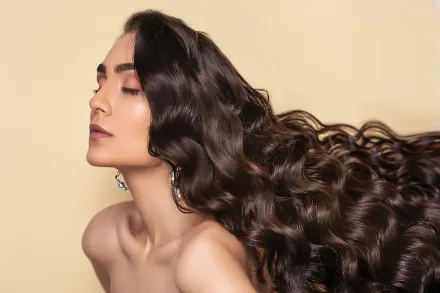
Silky hair is a reflection of a well balanced cuticle that lies flat and smooth along the hair shaft, allowing light to glide along its surface rather than catching on rough edges. The texture of your hair is influenced by both internal factors such as genetics and hormones and external factors such as climate, hair care habits, and exposure to heat and chemicals. When the cuticle scales lie tightly closed and evenly aligned, strands feel soft to the touch and reflect light in a gentle sheen. Conversely, when the cuticle is raised or damaged, strands can look dull, feel rough, and tangle easily. Understanding these fundamentals helps you tailor routines that restore moisture, seal the surface, and promote lasting smoothness. Hair that responds with a natural glow usually has a balanced moisture level, a healthy lipid barrier, and minimal mechanical stress from aggressive brushing or harsh products. Discerning your hair’s porosity is a practical first step, because it informs how quickly your strands absorb moisture and how long the smooth appearance lasts after conditioning. Porosity tends to correlate with how the cuticle lays, and recognizing yours guides the choice of cleansers, masks, and leave in products that nourish rather than weigh hair down. In addition, you should consider your typical environment, whether you frequently swim in chlorinated water, spend time in dry indoor air, or undergo regular heat styling, as these factors can temporarily or permanently alter the surface texture and suppleness of your hair.
Daily cleansing routine and the foundations of smooth hair
The daily routine you choose for cleansing sets the stage for smoothness by controlling oil balance, product buildup, and the overall health of the surface. For most people, washing the scalp area and letting the cleansing rinse travel through the lengths is enough to remove impurities without stripping essential moisture. The temperature of rinsing water matters; a warm to lukewarm rinse helps open the cuticle just enough to remove dirt, while cooler final rinses encourage the cuticle to lay flat again, sealing moisture in. It is important to avoid aggressive scrubbing on the scalp, which can inflame and degrade the protective layer. Regularly adjusting the frequency of washes to your lifestyle and climate can prevent over drying or over hydration, both of which disrupt the balance that keeps hair smooth. When you choose a shampoo, opt for formulas that cleanse without removing too much natural oil, especially if you have dry or coarse hair. Gentle cleansing supports a more uniformly smooth surface across the strands, enabling moisturizers to work more effectively after washing. This daily discipline creates a foundation where hydration and protection can be built up without constant rescue missions after each wash.
Choosing the right shampoo and conditioner for smoothness
The pairing of shampoo and conditioner is a collaborative act between cleansing and replenishment. Look for shampoos that respect the natural balance of your hair and scalp, ideally with a pH close to the skin’s own level and without aggressive detergents that can strip essential lipids. For smoother results, consider formulas that include humectants and lightweight silicones that create a temporary seal on the surface without weighing hair down. Conditioning agents should be brightening the cuticle rather than saturating it with heaviness, especially for fine or normal thickness hair. A conditioner that coats the strand modestly helps maintain moisture after washing and prepares the surface for detangling. When selecting products, you can consider ingredients like glycerin, panthenol, and lightweight emollients, which help attract and lock moisture without creating a greasy residue. The right combination supports a uniform surface that catches light softly, delivering that desired silky appearance while preserving volume and movement. Experimenting with different formulations and observing how your hair responds through a few weeks of continued use can reveal a routine that consistently yields smoother results.
Deep conditioning and weekly masks for lasting softness
Deep conditioning is a targeted intervention that replenishes moisture, rebuilds the lipid barrier, and organizes the surface of the hair to reflect light more evenly. Weekly masks or intensive treatments can be tailored to your texture and porosity. A mask that contains proteins should be balanced with adequate moisture to avoid stiffer, less flexible strands, while moisturizing masks should be light enough to prevent weighing down limp hair. The process is a ritual of patience and consistency: cleanse, apply, distribute evenly through the lengths, wait the specified time, and rinse thoroughly to reveal a head of hair that feels pliable and soft. For those with very dry or damaged hair, adding a heat method such as a warm towel during the treatment can enhance penetration, while those with fine hair may prefer shorter exposure times to avoid overloading the shaft. Regular professional treatments on occasion can supplement home care by delivering high concentration actives that target surface smoothness and internal hydration. Consistency is the key because the benefits accumulate over repeated use and adapt to seasonal dryness and styling patterns.
Leave-in treatments and styling primers for a sleek, touchable finish
Leave-in products serve as the last mile in smoothing hair after washing. A light spray or cream can help reduce friction between strands, making detangling gentler and minimizing frizz as the day unfolds. Primers give the surface a controlled level of slip, helping you manage tangles without creating a heavy, crunchy feel. When applying leave-ins, focus on the mid lengths to the ends, where most dryness and friction occur, while keeping the roots lightweight to maintain lift and natural volume. Look for formulas with humectants that attract moisture from the environment, film-forming agents that seal the surface, and silicones or natural oils that provide slip without creating a buildup that is hard to remove with routine washes. An ideal leave-in should impart a healthy glow and a touch of resilience against environmental stressors, leaving hair pliable enough to style into a smooth silhouette without appearing flat or oily.
Heat protection and safe styling methods
Heat is a double edged sword for smooth hair. While it can temporarily refine texture and tame flyaways, excessive or careless use can damage the cuticle and make the surface rough over time. A robust heat protection product creates a barrier between the heat and the hair shaft, reducing moisture loss and preventing micro fissures in the cuticle. When styling with heat, choose the lowest effective temperature for your hair type and limit the duration of exposure. Air drying is often gentler and can be combined with light styling to achieve a smooth, natural look, especially when paired with a good leave-in product and a heat protectant. For strategies that involve heat tools, work in small sections, apply protective layers evenly, and avoid running hot tools over the same area repeatedly. The goal is to preserve the integrity of the cuticle while shaping the hair into a sleek form, rather than chasing an immediate perfect result that leaves you with brittle, dry ends later on. A thoughtful approach to heat ensures smoother results today without compromising future smoothness.
Detangling and brushing techniques for minimizing breakage
Detangling is a sensitive stage that can either promote smoothness or contribute to breakage if done roughly. Begin by loosening knots with a wide tooth comb from the ends upward, then move toward the roots with gentler strokes. For people with very tangled or curly hair, applying a light conditioner or detangling spray can provide slip that reduces friction and makes each pass easier. When brushing, use smooth, controlled motions and avoid yanking through knots, which disrupts the cuticle and can cause frizz or split ends. The brush choice matters; a brush designed for wet hair or a comb with flexible teeth often performs better for reducing friction. Regular, mindful detangling supports a balance between manageable smoothness and scalp comfort, creating a more uniform surface that catches less environmental debris and responds more consistently to conditioning products. Keeping brushes clean prevents transferring residue back onto the hair, maintaining the clarity of the finish you’re aiming for.
Drying methods and moisture retention
Drying is a pivotal moment in the journey to smooth hair. Excessive heat, rough towels, or violent rubbing can all disrupt the cuticle, leading to frizz and a dull appearance. Instead, blot hair gently with a soft towel or use a microfiber towel to absorb moisture with minimal friction. If you opt for air drying, combine it with a lightweight leave-in and a thermal protectant when you plan to use heat later, ensuring the surface remains shielded and flexible. When you need to use a hair dryer, keep it on a cool or warm setting and move the tool continuously to prevent heat from lingering on any one spot. The way you dry influences how the cuticle settles and how evenly the surface reflects light. The result can be a softer, more uniform look that lasts throughout the day and resists the formation of visible flyaways that can cling to dull patches on the shaft.
Oils, serums, and natural remedies for extra shine and slip
Oils and serums offer a concentrated boost to surface smoothness by filling micro gaps in the cuticle and providing a protective film against moisture fluctuations and environmental stressors. Consider lightweight oils such as argan or jojoba that balance moisture without heavy residue, plus silicone based serums that create a glossy, protective layer that smooths the surface. The trick lies in using just enough product to coat the hair without saturating the roots or creating an overly slick look that makes hair appear greasy. If you prefer natural approaches, consider hair masks with avocado, honey, or yogurt that drench dry strands in moisture while preserving a natural bounce. Use these remedies sparingly and observe how your hair responds over several days to avoid buildup that interferes with shine. A well chosen blend of oils and serums can offer dramatic improvements in texture, making hair feel silkier to the touch and look radiant in natural light.
Diet, hydration, and internal care for stronger, smoother hair
Internal nourishment plays a foundational role in how hair grows and how resilient it remains to daily stress. Adequate protein intake supports the structure of the hair shaft, while essential fatty acids and vitamins contribute to a healthy scalp and vibrant shine. Hydration is not only about drinking water but about maintaining moisture through a balanced diet that includes fruits, vegetables, whole grains, and lean proteins. Key minerals, such as iron and zinc, support healthy hair growth, and vitamins like A, C, and E help protect cells from oxidative damage that can degrade texture over time. A holistic approach that combines a steady fluid intake with nutrient-dense meals helps hair maintain pliability and shine, reducing brittleness and allowing smooth routines to work more effectively. While dietary changes take time to manifest in hair texture, consistent healthy eating tends to yield noticeable improvements in luster, manageability, and resilience when combined with proper external care.
Environmental factors and protective measures against damage
Environmental exposure can profoundly affect hair texture and smoothness. Sunlight, wind, chlorine from swimming pools, and dry indoor air can strip moisture from the hair or disrupt the natural protective layer, leaving strands frizzy or rough to the touch. Protective strategies include shielding hair from intense sun with hats or UV protective sprays, rinsing hair after swimming to remove residual chlorine, and using humidifiers in dry spaces to slow moisture loss. When possible, dampen hair slightly before swimming to minimize water absorption and apply a protective product that creates a barrier against mineral deposits and drying agents. Seasonal shifts also demand adjustments; in dry seasons, increases in moisture replenishment and more frequent deep conditioning can prevent static and breakage, while in humid months, lightweight products that control frizz without weighing hair down help maintain a crisp, smooth surface. A consistent regimen that anticipates these factors tends to produce smoother hair with less daily effort.
Color treated and chemically processed hair care for lasting smoothness
Hair that has undergone chemical processing or color treatment often requires extra attention to preserve smoothness and integrity. Color treated hair tends to be more porous and susceptible to dryness, so using color-safe, sulfate-free cleansers and rich conditioning products can help maintain the cuticle’s integrity. Periodic protein treatments can support strength, while regular, cautious use of heat styling should be coupled with robust heat protection. When applying color care products, avoid formulas with heavy silicones that can build up and dull the surface; instead, favor lightweight emulsions and silicon alternatives that offer slip and a subtle sheen without leaving a slick residue. Regular trims help remove split ends that travel upward, which, if left unchecked, can mimic rough texture even when the majority of the shaft looks smooth. Maintaining a balance between cleansing, conditioning, and protective measures ensures color treated hair remains sleek and vibrant over time.
Sleep habits and pillowcase choices that support morning smoothness
Restful sleep plays a significant role in the surface condition of hair. Friction against pillow fabrics can create micro tangled zones and break up polished ends, especially for those with long or wavy hair. A satin or silk pillowcase minimizes friction compared to cotton, helping preserve the cuticle’s alignment and reducing morning frizz. Wrapping hair loosely in a soft scarf or using a gentle braid for overnight wear can also maintain smoothness by preventing tangles that set in while you sleep. The goal is to minimize mechanical stress during the night, which translates into less time spent detangling and reconditioning in the morning. With an eye toward continued smoothness, you can combine better sleep practices with a lightweight evening routine that hydrates the shaft without leaving a heavy residue on the roots, allowing you to wake up with a more manageable starting point for styling.
Common myths and realistic expectations about silky hair
Many popular beliefs about achieving silky hair are myths or oversimplifications. For instance, more frequent washing does not automatically yield smoother hair and can remove essential oils that protect the surface. Similarly, heavy oils are not always beneficial for every hair type; in some cases they can weigh hair down and make it look dull. Hair that has been exposed to heat or chemical treatments may require extra time and patience to regain a smooth texture, and this outcome often depends on ongoing care rather than a single magic product. Realistic expectations involve acknowledging that smoothness is a balance among moisture, protection, and gentle handling, and that progress can be incremental and seasonal. The best approach is a tailored routine that respects your unique hair characteristics, supports your scalp health, and adapts as the environment and your lifestyle change over time. A steady combination of cleansing, conditioning, protection, and mindful styling yields the most durable smoothness rather than quick fixes that only mask symptoms for a day or two.
Building a long-term plan for lasting smoothness
Creating a sustainable plan for silky hair involves a consistent routine that evolves with you. Start with a clear assessment of your hair type, porosity, and moisture needs, and then design a regimen that includes regular cleansing, nourishing conditioning, targeted weekly treatments, and protective styling practices. Track how your hair responds to changes in product formulations, application methods, and drying techniques, and adjust your plan to optimize results. A practical long-term approach emphasizes gentle handling, balanced moisture, and strategic use of heat and color treatments. By integrating lifestyle adjustments such as improved sleep, better hydration, and a diet rich in nutrients that support hair health, you establish a robust foundation that sustains smoothness through seasonal shifts and daily wear. The ultimate aim is not a one time transformation but a durable, repeatable system that keeps your hair feeling soft, looking luminous, and behaving well in a variety of situations.