Understanding the Appeal of a Natural Eye Look
The natural eye makeup look is about enhancing what already exists rather than masking it with bold contrast or dramatic lines. It starts with a quiet awareness of how light falls on the eyelid, how the skin tone interacts with the color choice, and how the eye shape is naturally framed by the brow bone and lash line. A well executed natural look relies on a subtle gradient that mimics the soft transitions you would expect to see in a waking eye rather than a painted surface. When you embrace this approach, you invite a sense of clarity and openness that is particularly flattering in daylight, during work hours, and in photography that captures the iris’s natural sparkle. The core instinct behind a natural finish is simplicity married to precision, using the smallest amount of product to achieve the greatest effect, and tending toward a design that can grow more confident as you gain balance between shadow, light, and texture.
In many ways this routine is less about the product you choose and more about how you apply it with intention. A natural eye mask of color should resemble a second skin that does not shout, yet remains present enough to define the eye softly. You want to avoid heavy lines, strong contrast, or glitter that catches the eye for all the wrong reasons. The aim is to create a cohesive, even tone across the lid that brightens the eye and makes the lash line appear fuller, while keeping the overall impression understated. To achieve this, you start by selecting shades that harmonize with your natural undertones, and you proceed with a careful layering technique that builds depth gradually rather than applying a single dense patch of color. The most important outcome is confidence; once you see your eyes slightly enhanced, you may notice that people notice your gaze rather than your makeup, which is precisely the effect of a well crafted natural look.
Gathering Your Essentials
Before you begin, assemble a compact set of tools and products that will not overwhelm the eye but will provide flexibility. The essential toolkit for a natural eye makeup routine typically includes a neutral eyeshadow palette with matte neutrals and a subtle satin shade, a soft blending brush that can move pigment without harsh edges, a small shader brush for precise color placement, a crease brush to deepen the socket with minimal effort, a brow pencil or powder to define softly, and a lengthening mascara that coats without clumping. It is wise to include a light concealer or a color corrector for any discoloration around the eyelids, a highlighter with a delicate glow for the inner corner or under the brow arch, and an eye primer if you have sensitive skin or oily lids. The goal is to choose products that work together to create a seamless, breathable finish rather than a mosaic of separate elements that fight for attention.
As you select shades, look for colors described as taupe, soft beige, warm brown, or dusty rose that reflect your own eye color and skin undertones. For many people, a palette with a matte taupe base, a light cream shade for the lid, a slightly warmer midtone for the crease, and a deep brown for subtle definition around the lash line can create a well balanced platform. If you prefer to keep things airy, you can lean toward cooler tones like soft gray-brown or muted mauve that still read natural. The key is to test swatches in natural light and observe how the colors blend into the skin, ensuring that there is no harsh edge anywhere along the lid. You should also consider the safety and compatibility of every product with your skin, patch testing any item that comes into contact with the delicate eyelid area and choosing formulas that are fragrance free or hypoallergenic if you have sensitive eyes.
Preparing the Eye Area for Makeup
Preparation is the quiet foundation of a natural look, and it begins with clean skin and a calm eye area. Start by removing any residual makeup from the night before and washing your face with a gentle cleanser that does not strip moisture. A hydrated surface helps pigments apply evenly and stay in place longer without caking or migrating into fine lines. After cleansing, apply a light eye cream or a touch of moisturizer around the eye area, avoiding the lash line to prevent the product from interfering with pigment adherence. If you have concealer to address dark circles or redness, apply a thin layer sparingly, focusing on the inner corners and the area just above the upper lid where shadows tend to collect. Allow the skin to set for a moment, then gently press the texture with the pad of your ring finger to avoid pulling the delicate skin. An eye primer is optional but can be helpful for longevity, particularly if you have oily lids or you live in a humid climate. The idea is to create a smooth, even canvas that invites color to blend softly rather than sit on top with obvious edges.
As your preparation continues, consider the position of light in your filming or photography environment. If you expect to be in an environment with bright overhead lighting, you may want to add a tiny amount of translucent setting powder to the eyelid region to minimize shine without flattening texture. A translucent veil can reduce the chance of color migrating or lids appearing oily through the day, which helps you maintain the natural, fresh quality you are aiming for. Remember that preparation is not about masking the eye’s natural features but about nurturing a surface that accepts color with ease and remains comfortable after hours of wear. With the groundwork in place, you are ready to begin layering that soft, believable shade that enhances rather than competes with your natural eye anatomy.
Choosing the Right Palette for Your Eye Color
Palette choice is an intimate conversation between your eye color, skin undertone, and the lighting you expect to encounter. People with cool undertones typically glow when using taupes, soft grays, or cool browns that subtly shift brightness without leaning into warmth. Those with warm undertones often find more harmony with creamy biscuit shades, honey browns, and soft apricots that enrich the eye’s natural warmth. The aim is to arrive at a three shade combination plus an optional liner color that works as a whisper rather than a shout. Begin with a base shade that is slightly lighter than your eyelid tone to create a uniform field. Then choose a midtone that can be swept into the crease to simulate depth, followed by a slightly darker shade to subtly define the lash line and outer corner, ensuring you never create a visible seam where the colors meet. This approach mirrors a gentle gradient that mimics the eye’s natural shading and makes the overall result appear effortless and real.
When selecting a shade for the crease, look for options that have a soft undertone relative to your base color. If your eyelid already runs warm, you might avoid a jarring contrast by choosing a shade that harmonizes with the base instead of a color that visually jumps forward. Conversely, if you have cool undertones, a slightly cooler taupe can enhance the eye’s structure without creating an unbalanced effect. The goal is to maintain continuity across the lid and crease so that the eye reads as one cohesive unit rather than a patchwork of colors. If you want a hint of depth at the outer corner, apply a tiny amount of the deepest shade in a small, outward swoop and blend carefully until there is no visible line. As you work, repeatedly step back to observe your progress in natural light, making sure the shade progression remains soft and flattering from several angles.
Creating a Flawless Base on the Eyelid
The base on the eyelid should feel like a veil, not a mask. Apply your lightest neutral shade across the entire lid using a soft, even motion, from the lash line up toward the crease and toward the inner corner. The goal is to erase any obvious skin texture or discoloration that could disrupt the uniform appearance of the color. You can use a dabbing technique with a light touch rather than dragging pigment, which helps maintain a smooth surface and prevents pigment from settling into fine lines. If you notice a slight difference in tone between the eyelid and the surrounding skin, your base shade will assist in balancing the area and creating a uniform field that allows the subsequent layers to glow without appearing heavy. The result should be a crisp, clean starting point that vanishes into the skin as if nothing is there at all, which is precisely what a natural eye makeup look aims to achieve.
As you settle the base, keep an eye on the edge of the lid near the brow and along the lash line. You want to avoid any overspill that could create a defined line and disrupt the look’s softness. If you find a noticeable line, go back with a clean blending brush and gently sweep the color upward where the lid meets the crease. If the texture seems patchy, apply a touch more product to a small area and then blend outward, ensuring that there are no abrupt changes in color density. The refinement you bring at this stage will pay off later when you blend the other shades into place, helping everything look seamless and naturally tinted rather than artificially painted.
Building Depth with Subtle Shadowing
Depth in a natural look comes from careful layering rather than strong color. Start with your midtone shade and apply it into the crease using soft windshield wiper motions. The technique is not to saturate the brush with pigment but to deposit a light veil that can be built incrementally. The crease should appear slightly deeper when you blink but still subtle when your eyes are open. The trick is to keep the line near the lash root soft and diffuse rather than creating a harsh boundary between lid and crease. You can extend the color softly toward the outer third of the lid to elongate the eye slightly, but the extension should fade as it reaches the outer edge so that nothing feels abrupt or overly dramatic. If you notice a ridge, blend with a clean brush using gentle circular motions while maintaining the color’s delicate tone. This approach helps the eye gain dimension without looking heavy or smoky.
For the inner corner, you may keep a brighter highlight shade to capture the light without drawing attention away from the iris. The highlight should be used economically, just enough to lift the area and prevent the lid from appearing dull. If you have hooded lids, ensure the highlight sits slightly above the fold in a position that remains visible when the eye is open. Maintaining a consistent, soft gradient from the inner corner to the outer corners creates a sense of balance that makes the eye look awake and natural. The overall objective in this stage is to mimic the eye’s intrinsic shading as if light has painted the area slowly and deliberately over time rather than abruptly.
Defining the Lash Line with Gentle Precision
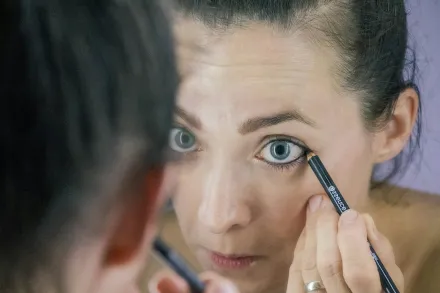
Defining the lash line for a natural look can be done with a soft pencil or a fine brush and shadow rather than a harsh liquid liner. Begin by outlining the upper lash line from the inner corner to about three quarters toward the outer corner with a pencil shade that matches your midtone or is one shade lighter. The line should be thin and almost invisible when the eye is relaxed, but it will help frames the lashes and make the lashes appear fuller. If you decide to use a gel liner, choose a warm brown with a creamy texture that blends easily into the shadow. Draw a fine line along the upper lash line and gently smudge it with a small, clean brush so the edge remains soft and diffused. Tightlining—placing a very thin line of color between the lashes—can also be used sparingly to enhance the appearance of fullness without creating a visible border. The aim is to keep the liner as unobtrusive as possible while still providing definition that supports a natural look.
When working on the lower lash line, opt for a nuance that complements the upper lid shade rather than competing with it. A light touch of the same midtone shade or a touch of the base cream can be swept along the lower lashes to echo the upper color, creating cohesion across the eye. If you prefer not to apply liner on the lower lid, you can substitute with a soft, brush loaded with a tiny amount of powder and then tap along the lower lashes to soften the lash line and prevent any harsh edges from appearing when you blink. The final effect should be a gentle frame that makes the lashes appear denser and the eyes more open without a visible liner line drawing attention to itself.
Curling Lashes and Applying Mascara Naturally
Lash curling is a quiet but powerful step in a natural eye makeup routine. A gentle curl can open the eye and give the sensation of lifted lashes without relying on heavy mascara. Start by curling the lashes near the base, hold for a few seconds, and then move to the midsection to achieve a uniform bend along the length. The texture of the mascara matters; a lightweight, lengthening formula that dries quickly and separates fibers is ideal for a natural look. Apply a thin coat at first, focusing on the center of the lash line to create a sense of lift rather than thickness. If you wish to intensify slightly, apply a second light coat only to the outer portion of the lashes to mimic the natural taper that occurs in healthy lashes. Avoid clumps by moving the wand in a zigzag motion as you apply and wiping off any excess product on the wand before you reach the lashes.
Color choice for mascara can influence the overall appearance. A brown mascara tends to appear more natural on many skin tones, especially when the lashes are light or the eye area carries cool undertones. If you choose black mascara, select a shade that is not jet black but rather a softer black or black-brown to keep the finish gentle. When you finish, comb through the lashes with a clean spoolie to separate and remove any remaining product buildup, ensuring the lashes stay feathered rather than lacquered. The final gaze should be one of effortless brightness, with lashes that appear defined yet unobtrusive against the skin.
Eyebrow Shaping to Frame the Eye
Eyebrows frame the eye as much as they do the face, and a soft, natural arch can dramatically influence the eye’s perceived size and shape. Begin by assessing your natural brow shape and identify areas where the eyebrow is sparse or slightly irregular. Use a pencil or powder that matches your hair color to fill only the sparse zones with light, hairlike strokes. Avoid heavy blocks of color that can age the eye or draw excessive attention to the brows. The goal is to create an even, airy line that follows the natural growth pattern of the brow hairs and enhances symmetry with the other features. Brush the brow with a spoolie to blend the product and soften any lines. If you prefer a more defined look, apply a tiny amount of product toward the tail of the brow to extend it subtly while ensuring the overall shape remains gentle and complementary to the eye’s structure. The effect should be one of balanced, well groomed brows that support the eye’s natural radiance rather than dominating the face.
As you work on shaping the brows, consider how their color interacts with your eye shadow. A brow shade that is too dark can create a contrived contrast that undermines a natural appearance, while a shade that is too light can fail to provide the necessary frame. A nuanced approach often involves choosing a color that is one shade lighter than the deepest hair tone and applying with a light hand. For those who have sparse areas, you can use a tiny brush to mimic individual hairs by drawing fine strokes, then blend. The finish should be a soft, cohesive edge that harmonizes with the eye makeup and skin tone, lending a polished but relaxed impression to the overall look.
The Light Touch of Eyeliner
Eyeliner for a natural eye look is more about silhouette than line visibility. A pencil or gel in a shade close to the lashes works well, providing an outline that makes the eye pop without declaring itself. Instead of bold wings or a thick line, focus on a near invisible rim that enhances the lash line. Start with the upper lash line and draw a faint line along the base of the lashes, then gently smudge the line with a small brush so there is no harsh border where the pencil meets the lid. If you choose to extend the line beyond the outer corner, keep it very subtle and short, just enough to elongate the eye softly. Tightlining is another option; a barely-there pencil applied between the lashes can amplify fullness while remaining unnoticeable. The key is restraint and mindful blending, ensuring the eyeliner serves the eye rather than drawing attention to itself.
For those who prefer a completely soft appearance, skip the lower lash line entirely and rely on mascara and shading for definition. The balanced combination of a gently enhanced lash line and a pair of well groomed brows can create a look that reads as truly natural. Regardless of the method you choose, the underlying principle remains constant: the makeup should glow from within and support the eye’s inherent beauty, not cover it up with heavy lines or dramatic saturation.
Finishing Touches: Highlighting and Blending
Highlighting the brow bone and the inner corner can brighten the eye and give it a more awake appearance. Use a light, satin or matte shade that is just lighter than the base color you have chosen and dab a small amount with a precise brush to the highlight areas. The inner corner should gleam gently, but be mindful not to create a sharp or metallic reflection, especially in bright daylight. The blending stage is where the look truly comes together. Go over the entire shadow area with a clean, soft brush to eliminate any obvious lines and unify the gradient. The edges where colors meet should melt into one another, allowing the eye’s natural contours to play against the color rather than against the brush strokes. For a lasting finish, you may sweep a tiny bit of translucent powder over the lid to fix any remaining shine while preserving the color’s softness. This technique anchors the makeup to the skin and prevents the shade from migrating, which helps the entire composition remain harmonious.
In addition to eye shadow and highlighting, you can add a whisper of skin tone or peach blush on the temple area around the eye to create a cohesive overall complexion. The idea is to keep changes in texture minimal and controlled, ensuring that every element breathes together, as if the makeup is a natural extension of your skin rather than a separate layer sitting on top. A well blended blend enhances the eye’s natural light without competing with the shade on the lid. The finished look should feel effortless and fresh, as if you have an unmadeup radiance that highlights rather than conceals your eyes’ natural beauty.
How to Adapt the Look for Different Eye Shapes
Different eye shapes require subtle adjustments to preserve the natural aesthetic while maximizing each eye’s unique characteristics. For almond eyes, you can emphasize the outer corner slightly to lift the eye shape, using a gentle diagonal motion to deepen the crease toward the tail. Hooded eyes benefit from keeping the crease color a touch higher toward the brow bone and ensuring the lid’s base shade remains visible when the eyes are open. For round eyes, a slightly longer lash line focus and a soft outer corner emphasis can elongate the eye subtly. Deep set eyes can benefit from a lighter lid shade to bring the eyes forward, with the crease color darkened just enough to define the socket without swallowing the lid’s surface. People with monolids can maintain a smooth lid color across the entire surface and use a tiny amount of darker shade on the outer third to create depth without creating a visible crease. The central idea is to observe the eye’s natural geometry and apply color that enhances that geometry rather than overpowering it, preserving the impression of a gentle, real eye behind a minimal makeup veil.
Across each variation, the foundation remains consistent: choose neutral tones that harmonize with your undertone, apply in soft layers, and blend meticulously until transitions are seamless. The natural look depends on a calm approach with consistent technique rather than dramatic changes in color or shape. As you practice, you will start recognizing the subtle cues in your eyes that signal when enough depth has been added and when the color has become too pronounced for the moment. The aim is always to preserve the eye’s inherent radiance and to let the makeup silently support it, rather than trying to rewrite it with bold lines or saturated pigment.
Considerations for Various Skin Tones and Undertones
Skin tone and undertone significantly influence how colors read on the eyelids. If your skin has a cool undertone, neutrals with a touch of gray or taupe can complement the cooler hue of your complexion, while paler skin benefits from lighter ivory or soft beige with a satin finish to avoid a pale, washed-out look. Those with warm undertones can lean into creamy browns and peachy shades that echo the warmth in their skin, producing a harmonious, sunlit glow. In all cases, you should test the palette on your own eyelid to confirm that the pigment flatters rather than competes with your natural color. Lighting dramatically affects color perception, so check your work in multiple environments, including natural daylight, to ensure you have achieved a balanced result that remains true to your complexion. This ongoing awareness allows you to adjust shade intensity and placement to maintain a look that is distinctly yours and consistently flattering across occasions.
Texture is also important for different skin types. Matte finishes tend to read more naturally on textured lids, while satin finishes offer a gentle glow that catches light without looking metallic. For those with oily lids, choosing long wearing, crease resistant formulas can prevent the color from slipping and maintain a unified appearance throughout the day. For those with dry lids, a light hydration and a careful base can keep pigment applying smoothly without accentuating dry patches. The broader goal remains unchanged: you want the eye makeup to settle into the skin and move with it, preserving a subtle radiance that supports your eye’s natural shape and color across time and lighting conditions.
Maintaining Cleanliness and Extending Product Life
Hygiene and upkeep are essential elements of a natural look because they influence both comfort and performance. Always wash brushes regularly to avoid transferring old product onto the eyelids, which can muddy tones and cause irritation. Keep powder products clean and store them in a cool, dry place away from moisture, which can degrade texture and color. When using eyeliner or mascara, replace them periodically to avoid bacterial buildup that can cause irritation or infections. It is wise to replace older palettes that have separated pigments or smell odd, since the integrity of the makeup matters to achieving a flawless look that remains gentle on the eyes. Even with a minimal routine, attention to sanitation ensures you can recreate the same natural effect safely every time you apply makeup, preserving both the quality of the products and the health of your eye area.
To support longevity, you can prime skin lightly and use a small amount of setting product that does not alter the color balance or finish. Avoid layers that feel heavy or caked as the day progresses and instead allow yourself to refresh the look with a quick blend or a dab of concealer if necessary. If you notice the color fading, a touch of the base shade in the same tone can revive the finish without adding extra pigment that would change the look. The practical takeaway is that natural makeup is as much about upkeep as it is about initial application, and care at every step helps you maintain a luminous, effortless appearance that remains faithful to your face’s inherent beauty.
Common Mistakes and How to Avoid Them
There are several missteps that can undermine the natural effect even when you start with careful technique. Overloading the lid with product creates a flattened, opaque appearance that looks less natural and more painted. Harsh liner edges and overly dramatic contrasts can break the subtle harmony that defines this look. A mistake many novices make is attempting to replicate a smoky effect in a look that should stay light and airy; the remedy is to scale back the depth and blur the edges until they merge seamlessly into the surrounding tones. Skipping blending entirely leaves obvious lines; always invest time in softening edges with a clean brush or a touch of base color to ensure a smooth transition across the entire lid. Finally, failing to consider lighting can ruin the natural effect. Always view your work in different lights and adjust your shading so the eyes retain their gentle glow no matter where you go. The guiding principle is restraint married to patience, enabling you to discover a look that is distinctly natural yet personally tailored to your features.
Another common error is neglecting the eyebrows in the pursuit of a simple lid. Brows that are too strong or too pale can throw off the eye’s balance, making the whole face appear off. The solution is to treat brows as a framing instrument of the eye and keep their color and density within a few degrees of your natural tone. Do not neglect the lash line, either; leaving it bare can create a hollow eye impression that undermines the look’s sense of life and vitality. Always strive for coherence in color temperature and brightness between the lid, the lashes, and the skin around the eye, which will produce a more natural, polished effect that remains believable under various forms of light.
Routine for Different Occasions and Times of Day
The natural eye makeup you build for daytime can transition for a more polished look in the evening with simple, measured adjustments. In the morning, you may prefer a lighter base, a touch of crease color to define the sockets, and a coat or two of mascara for a gentle lift. For the late afternoon or evening, you can deepen the crease very slightly, add a touch more shimmer to the inner corner, and perhaps darken the outer edge only a fraction more. The key is to maintain cohesion while adjusting intensity so that the overall impression remains natural despite the added dimension. This approach makes it easy to adapt your routine as lighting changes or as your plans evolve without losing the delicate balance that defines the look’s essence.
As you gain experience, you will discover that your eyes possess a unique rhythm that responds to your chosen shades and application technique. The same set of products can produce different results depending on your skin’s hydration, the humidity of the environment, and the time of day. Track these variables and adjust your method accordingly to preserve the natural look you enjoy. The habit of testing color in daylight, recording how long it lasts, and noting whether any shades drift or gather pigment in certain areas will empower you to refine your routine and maintain a signature appearance that remains timeless and effortless regardless of the occasion.
Final Thoughts on a Subtle yet Distinct Natural Eye Look
The natural eye makeup look is a study in restraint, humility, and thoughtful crafting. It invites you to observe your own eye as if it were a landscape, with colors that mimic the natural contours, highlights, and shadows that already exist. The routine rewards patience and careful blending, and it offers a sense of calm in its predictability while still allowing space for personal expression through shade choices and brush technique. When you follow these principles with care, you arrive at a finish that breathes with you, complementing your face rather than commanding attention. The beauty of this approach lies not in dramatic transformation but in the quiet confidence of eyes that look rested, awake, and sincerely you.
Maintaining the Natural Eye Makeup Look Across Time and Occasions
The enduring appeal of the natural look is its flexibility and ease of maintenance. With the right tools and a calm, deliberate routine, you can keep a soft, believable finish that adapts to changing circumstances without losing its core essence. The consistency comes from practicing the same blending logic, selecting harmonious color families, and upholding a light hand across every step. When you show up with eyes that look naturally luminous, you communicate a sense of self possession and clarity that resonates in everyday interactions and in environments where subtlety is valued. The practice of returning to the fundamentals—clean skin, a gentle base, a restrained crease, a near invisible lash line, and a soft lash lift—remains your best guide toward a reliable, flattering outcome that stands the test of time and circumstance. In embracing this approach, you honor your features and celebrate the quiet power of makeup that enhances your appearance without dominating it. The goal is to carry that confidence into every moment you wear the look, knowing that your eyes can speak softly yet clearly, and that your makeup is a natural extension of your own light rather than a distraction from it.