In makeup artistry, blush is more than a decorative splash of color; it is a strategic tool that anchors the complexion, adds warmth, and defines the contours of the face. The proper blush application can transform a tired, flat appearance into a radiant, healthy glow that looks natural in daylight and elegant under studio lighting. The purpose of blush goes beyond merely tinting the cheeks; it creates a sense of vitality, harmonizes with undertones in the skin, and helps the facial features read with balance. When chosen and placed with intention, blush becomes a soft punctuation mark that ties together foundation, eyes, and lips, making the overall look cohesive rather than disjointed. A well-applied blush can lift the cheekbones visually, soften harsh lines, and impart a youthful luminance that enhances the entire complexion without looking obvious or painted on. This understanding forms the foundation for mastering blush artistry, whether the goal is a barely there flush or a confident rosy contour that holds through the day’s activities.
Understanding the Purpose of Blush
Blush serves as a bridge between the skin’s undertone and the visible color of the cheeks, acting as a natural counterpoint to contour and highlight. The right blush accentuates the face’s natural warmth, simulating the flush that arises from exertion, cold air, or emotional warmth. It should look like a regular part of the skin rather than a pigment sitting on top of it. The human face is a three dimensional canvas, and blush helps to sculpt the perception of that dimension by adding brightness to the apples of the cheeks and drawing attention to the cheekbones when blended upward along the cheek arc. The painterly goal is to avoid harsh lines and to achieve a seamless gradient that blends into surrounding makeup. Subtle blush can knit together a pale foundation with a sun-kissed glow, while a brighter, more saturated payoff can be used for festive occasions or high fashion looks. The subtlety or intensity you choose will depend on lighting, the wearer’s skin tone, and the event for which the makeup is intended, but the guiding principle remains constant: blush should appear as a natural warmth, not as an obvious patch of color sitting on the skin.
In practice, the blush should respond to the skin’s natural undertones, which may be cooler or warmer than the surface appears under artificial light. People with pink undertones tend to benefit from cool pinks or berry tones that mimic the skin’s intrinsic hue, while those with peach or golden undertones often gain warmth from coral, peach, or apricot shades. A blush that mirrors the wearer’s undertone helps the face look healthy and coherent, and it reduces the risk of appearing washed out or discordant with the rest of the makeup. Additionally, the finish matters; matte blush offers a more restrained, everyday appearance that reads as natural on many skin types, whereas satin and pearl finishes can impart a dewy, more illuminated effect. The finish should complement the skin’s texture and the overall complexion routine, so that there is a harmonious balance across powder, cream, and skin care products. Ultimately, the purpose of blush is to awaken the face, bring back color after the removal of tones during foundation application, and provide a gentle lift that makes the wearer look rested and well cared for.
Choosing the Right Shade for Your Skin Tone
Selecting a blush shade begins with a careful assessment of undertones and depth, then expands to consider the desired level of impact in relation to the eye and lip color. In light of this, you should think of blush shades as belonging to families rather than single hues, with the most flattering options ranging from soft pinks and peaches to deeper rose and berry tones. If your skin is very fair, opt for barely there pinks or sheer peach shades that create a gentle glow without saturating the skin. For light to medium skin tones, a spectrum of pinks, peachy corals, and apricot tones typically blend beautifully, providing warmth without overpowering the complexion. Medium to tan complexions have more versatility, allowing for peachy corals and pinky-bronze hues that can mimic a sun-kissed look while maintaining a natural finish. Deep skin tones benefit from rich rose, berry, or warm apricot tones that give a sense of depth and vitality while staying harmonious with the complexion's natural richness. It is important to test shades along the cheekbone rather than the forearm, since the face demonstrates color response differently and can reveal a shade’s true compatibility with your skin in real-world light.
Beyond basic color families, pay attention to the intensity of the pigment. For daytime looks in bright light, a sheer, buildable formula lets you gradually introduce color to match the skin’s natural flush. In the evening or in photographs, you may opt for a more saturated application, ensuring that the tone remains flattering and not overpowering. It is also essential to consider warmth and coolness in the shade. Cool pinks work well for cool undertones, while warm peaches and corals complement warm undertones. The goal is to choose a shade that appears to be a natural extension of the wearer’s skin rather than a distinct layer of makeup sitting on the surface. Lastly, test lighting matters. A shade that looks perfect indoors might skew differently in daylight or under warm tungsten lighting, so it’s wise to check the color on the cheek in multiple lighting conditions before committing to a shade for a full day or event. This careful approach helps ensure you select blush colors that consistently flatter the wearer across various settings.
Types of Blush: Powder, Cream, Gel, Stain
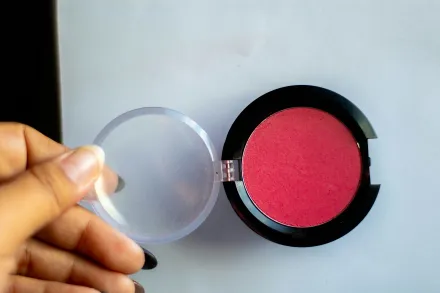
Blush products come in several formulations, each with distinct behavior on the skin, different levels of longevity, and varying applications. Powder blush is the traditional choice that tends to provide reliable blending, strong color payoff, and a wide range of shades. It is often convenient for all-day wear and can be layered easily for intensity control, though it may emphasize texture on very dry skin if not prepared properly. Cream blush offers a hydrating, skin-like finish that is particularly flattering on dry or aging skin, delivering a seamless transition from skin to color and a natural dewy glow that looks fresh in person and in photos. Gel blush sits between powder and cream in terms of texture and can deliver a long-lasting, semi-matte finish with excellent adhesion to the skin; it is especially useful for those who desire a light, airy feel with strong color payoff. Stain blush provides an intense, long-wearing flush that can survive heat and humidity; it commonly dries down into a persistent tint that remains visible even after other makeup is worn, though correct blending is essential to avoid a mottled appearance. Each type has its own preparation needs and technique requirements, so approaching application with an understanding of the product’s texture helps produce better results.
Consider your skin’s behavior and climate when choosing a blush type. For humid conditions, a long-wear stain or a powder blush with a smudge-resistant formula can be advantageous, while for dry climates or dry skin, a cream blush applied over a hydrating base may yield a more forgiving, luminous result. For combination skin, you might start with a cream blush on the apples and blend outward with a powder to set the color and extend wear. Regardless of formulation, the blending technique remains the most important factor in achieving a natural look. The color should melt into the base makeup and skin texture, not arrest attention with obvious lines or inconsistent patches. The right blush type, shade, and finish together determine whether you achieve a soft glow or a bold statement, so experimenting with samples and observing how the product behaves on your own skin is a valuable part of the learning process.
Tools You Need: Brushes and Sponges
The tools used to apply blush influence the result as much as the shade and finish. A fluffy, medium-density blush brush with a rounded head is ideal for powder blush because it distributes pigment evenly and allows for wide, soft motions that create a natural gradient from the apples up along the cheekbone. A smaller, fuller brush can help with more precise placement and is useful for targeted applications for contouring or for people with smaller faces. When working with cream blush, a synthetic brush, sponge, or clean fingers can yield a seamless, skin-like finish as the product blends into the foundation. For those who prefer a minimal toolkit, a clean fingertip can be surprisingly effective, especially with highly pigmented formulas, but it requires patience and careful blending to avoid accidental splotchiness. One should also consider the order of brush care; keeping brushes clean prevents color contamination, helps maintain product integrity, and promotes hygienic application that is gentle on the skin. Regular cleaning prevents pigment buildup that can cause a muddy appearance and reduces the risk of breakouts or irritation.
Hygiene is part of the makeup routine. Wash hands before applying makeup, sanitize brushes between uses on different skin types when sharing makeup, and store tools in a clean, dry place away from dust. The brush’s bristles should be set at an angle to the face so that color naturally lands on the higher part of the cheekbone while blending outward toward the temple. A light touch is critical; heavy pressure can push color into hard lines or cause the blush to appear patchy, especially on textured skin. Blending is the operative skill that distinguishes professional makeup from amateur application; a soft, gradual blend will always read as more natural than a clearly defined stripe. Remember that the best tools feel comfortable in your hand and respond to your control, enabling you to adjust pressure, direction, and density with confidence as you sculpt a flattering blush line that complements eye makeup and lip color.
Preparing the Skin for Blush
Preparation lays the groundwork for lasting color and a smooth finish. Begin with a clean canvas, then apply moisturizer suited to your skin type to ensure the blush sits atop a hydrated surface. A lightweight primer can help even out texture, control oil in the T-zone, and improve the adherence of makeup products. If you use foundation, ensure it is well blended and suitable for your skin’s needs; blush should harmonize with the base, not fight with it. In many looks, a luminizing primer or a sheer, natural-tint moisturizer can add a healthy glow that works well with blush, particularly for those who prefer a dewy finish. The lipstick choice can influence blush tone as well; neutral lips often provide more flexibility for bolder cheek color, whereas a bright lip can pair with a more subtle cheek for balance. The overarching aim is to create a cohesive starting point in which the blush can be layered gracefully without any portion of the skin fighting the color or finish.
For those with uneven skin tone or minor redness, a color-correcting step before blush can be beneficial. A green-tinted primer or concealer can calm redness, then you apply foundation that matches your skin tone. The blush application will then appear more even and natural because the underlying base has correct color neutrality, preventing the blush from turning orange or too pink on areas of redness. While these adjustments may seem technical, they are often what separates professional-looking results from a casual attempt. The final impression should be a face that appears balanced and radiant, with blush enhancing rather than revealing the makeup’s boundaries. The interplay between skincare and makeup is crucial; when the skin is well-prepared, blush can glide on smoothly and stay put across varying conditions without migrating or fading unevenly.
Placement Techniques for Different Face Shapes
Facial geometry dictates ideal blush placement, and subtle shifts in angle and position can dramatically alter the perceived shape of the face. For most faces, the blush should follow the natural high points of the cheekbones and fade toward the temple, but the exact path changes with face shape. On round faces, focus the color slightly higher on the cheeks and blend upward toward the temples to create the illusion of more lifted cheekbones, which adds definition without creating a flat midsection. On oval faces, the blush placement will align with the natural cheekbone curve, and a gentle sweep toward the outer cheekbone helps maintain balance while preserving softness. For square faces, a soft, sweeping motion along the cheekbone can soften the jawline while enhancing the elevation of the cheekbones, creating a more harmonious silhouette. For heart-shaped or diamond faces, a blush application that starts near the apples and curves along the upper cheekbone toward the ears can help balance a wider forehead with a narrower chin, producing a proportional glow that reads well across angles. The approach is not rigid; you should adjust the color’s depth and spread to accommodate individual bone structure, skin texture, and personal preferences, always aiming for a natural flush that looks like it belongs on the skin rather than sitting atop it.
In practice, you can think of blush as a soft sculpture. Start by establishing a lightly pigmented base at the center of the cheek, then blend outward and upward along the cheekbone’s natural slope. If you want more lift, emphasize the upper portion of the cheekbone and diffuse the color toward the temple. If you want a more subtle effect, keep the color lower and blend with the foundation for a barely rosy glow. Always step back from the mirror periodically to assess symmetry and ensure both sides read similarly under the current lighting. It may be helpful to test in daylight as well as indoor lighting, since artificial lighting can distort color perception and cause one side to appear slightly off-tone. Fine-tuning is a normal part of blush application, and patience will yield a more precise, polished result over time.
How to Apply Blush for Different Formulations
Powder blush is forgiving and easy to control. Load a small amount of product onto the brush, tap off the excess, and apply with a light, sweeping motion starting at the apples and moving toward the temples. Build gradually in layers, allowing the color to develop rather than trying to achieve full intensity in a single pass. If you notice any patchiness, you can smooth the edges with a clean brush or crush the color with a minimal amount of foundation to re-blend. The goal is a soft, even edge that blends into the skin, so avoid hard lines that betray the makeup’s artificial nature. Cream blush adheres best to moisturized skin or a light layer of primer; it can be applied with fingertips, a sponge, or a brush, then blended outward while the product remains wet, which helps achieve a seamless transition. The finish should look like skin, not makeup, and the blend should extend toward the hairline to create a natural gradient. For gel blush, a stippling motion can help deposit color evenly, then shaken-out strokes blend the edges, ensuring the pigment does not settle into any fine lines or pores. Gel formulas often require a longer setting time, after which a light dusting of powder can help lock the color in. For stains, apply a light layer and allow it to set before layering with another coat if deeper color is desired; stains tend to become more intense with time, so err on the side of restraint to avoid overdoing it. Align the technique with the product’s longevity, so you achieve lasting color without needing constant reapplication. Each formulation has its own rhythm, and once you understand the product’s behavior, you can tailor the approach to create consistent looks across days and events.
When blending, you can employ circular motions, sweeping arcs, or gentle tapping, depending on the formulation and the area being colored. Always blend toward the center of the face in a way that keeps color soft and natural-looking. A common mistake is applying blush too close to the nose or too high on the cheekbone, which can create a clownish or artificial impression. If this happens, you can correct by re-blending with a clean brush that has no product on it, using light pressure to merge the edges. Setting with a light dusting of translucent powder on top of the blush can help reduce any excess shine that may cause color to appear uneven in bright light. A setting spray can also help to unify the makeup and preserve the blush look throughout wear, particularly in warm conditions or during long days. The technique you choose will depend on the blush type, your skin type, and the event, but the overarching rule remains constant: blend with intention, layer gradually, and observe how the color interacts with the rest of the makeup as the day unfolds.
Blending and Building Color
Blending is the core skill behind a natural blush. After the initial placement, step back and assess the color’s reach and density. If the hue is too strong, a quick pass with a clean, fluffy brush can soften edges and dissipate pigment without removing too much color. If you need more definition, you can add a second, very light layer to intensify the tone, taking care to keep edges smooth and transitions gentle. The aim is a glow that emerges gradually rather than a single moment of color saturation. For people who want a more sculpted look, you can strategically place a slightly deeper shade along the top of the cheekbone and blend downward to the apples, creating a gentle contrast that highlights the bone’s curvature. In every case, maintain balance with the rest of the makeup: too much blush can overemphasize the cheeks and draw attention away from the eyes or lips; too little can make the face appear flat or dull. The best results come from thoughtful layering, careful assessment under different lighting, and an understanding of how the blush’s undertone relates to the wearer’s skin tone and makeup palette. The more you practice, the more you’ll understand how much pigment to apply for a given moment and how to steer clear of common mistakes such as patchiness, streaks, or muddy tones.
Setting and Longevity
Long wear depends on a combination of product choice, prep, and setting technique. Powder blush benefits from a light dusting of translucent setting powder in a shade close to the skin tone to lock color in place without altering its hue. For cream or gel blush, a gentle powder veil on top can increase durability and reduce sheen that may clash with highlight or foundation. In humid or hot environments, a long-wear formula with built-in tint and good adhesion can be particularly advantageous, while in cooler, drier climates, a more hydrating approach may be preferred to prevent flaking or patchiness. A setting spray can unify the makeup, reduce powdery texture, and help the blush settle evenly on the skin. Avoid layers that are too thick or sticky, which can cause blending to stall and color to appear heavier in photographs. The right balance of moisture, pigment, and finish is essential to ensure the blush reads well across all lighting scenarios, from daylight to flash photography, and that it remains visible without migrating or changing hue as the day progresses. When you are aware of the environmental conditions, you can adapt your technique to maintain a flattering blush that lasts longer and looks consistent through different activities.
Common Mistakes and How to Fix Them
One frequent mistake is choosing a shade too intense for the wearer’s skin tone or applying too much product in a single layer. This results in a heavy, unnatural appearance with visible edges. Another common misstep is placing blush too close to the nose, which can resemble a sunburn or an overly rosy look rather than a natural flush. A third pitfall is not blending thoroughly, leaving harsh lines that become more apparent in photos or under strong lighting. A lack of compatibility with foundation can also cause mismatched texture or color, especially if the skin is uneven or flaky. Correcting these issues begins with a lighter hand and more blending." And a careful color refresh is often necessary to ensure the shade harmonizes with skin tone and other makeup. If the blush looks flat, you can reintroduce life by adding a touch of color higher on the cheekbone and blending toward the temple to achieve a natural lift. If the color is too pink or too peachy, you can correct by layering a shade closer to your undertone or adjusting the base to create balance with the entire look. A practical rule is to step back and review the result in multiple mirrors and lighting conditions, ensuring the blush does not dominate and instead sits harmoniously within the makeup palette. Addressing these common mistakes by re-balancing and re-blending leads to a polished, professional appearance that remains timelessly flattering across different outfits and occasions.
Seasonal and Occasion Variations
Season and occasion influence the blush choice and application method. In daytime or professional environments, a light, sheer tint in a pink or peach family often provides a natural, approachable glow that photographs well and reads as healthy in most lighting. For evening events or photoshoots, a slightly deeper flush can be employed, but it should still be diffused upward for lift and blended outward to avoid a heavy, unblended appearance. In hot seasons, long-wear formulas help maintain color through sweat and humidity, while in cold seasons, a touch of cream blush under powder can maintain moisture and prevent the color from looking dry. When applying blush for special occasions, you can consider adding a subtle glow with a pearlescent or satin finish on the cheekbone while ensuring it does not conflict with highlights or metallic eye makeup. The underlying principle remains the same: adapt shade, finish, and technique to the context while preserving a natural, flattering look that enhances facial features without dominating them.
Blush for Special Features and Skin Conditions
People with rosacea or sensitive skin must approach blush with extra care. Choose hypoallergenic formulas and test on a small patch of skin for any adverse reaction before applying widely on the face. Avoid aggressive color contrasts that can irritate the skin or highlight redness. For oily skin, a silicone-based or long-wear powder blush can resist sliding and melting through the day, especially when combined with a mattifying base. Dry or flaky skin benefits from a creamy or gel blush that adds moisture and a glossy finish, making the skin appear plump and healthy rather than dull or patchy. Color choice is important here as well; softer, balanced tones tend to read more naturally on sensitive or rosacea-prone complexions, whereas you may opt for cooler rosier pinks to minimize warmth that could intensify redness. The goal is a blush look that respects the skin’s condition while delivering the intended aesthetic without causing irritation or discomfort.
Maintenance and Hygiene
Prolonged blush wear begins with good hygiene and tool care. Clean brushes regularly to avoid pigment buildup that can dull color and transfer old makeup onto fresh skin. The frequency of brush cleaning depends on usage, but a good practice is to wash brushes every one to two weeks if used daily, and keep makeup products capped and stored in a dry, cool place. Hygiene matters not only for preventing breakouts but also for maintaining color accuracy; pigments can carry residues from prior uses that alter shade perception. When traveling, protect blush compacts from heat and direct sunlight, which can alter the pigment and finish. Regular maintenance of both tools and products supports consistent results and helps you enjoy blush that remains true to color and texture across days and seasons. A mindful routine that includes skin care, proper product storage, and careful cleansing of applicators will ensure blush continues to flatter and harmonize with the rest of your makeup plan over time. This attention to detail is what elevates a routine from ordinary to refined, yielding looks that feel polished and enduring.
In summary, applying blush properly is a balance of understanding the purpose, selecting the right shade, choosing the correct formulation, using appropriate tools, preparing the skin, and applying with careful technique tailored to facial structure and occasion. The journey to mastery involves curiosity, experimentation, and consistent practice across different scenarios. As you become familiar with how blush behaves on your skin, you will gain confidence in layering, blending, and adjusting color intensity to suit the moment. With patience and a willingness to refine your approach, you can converge on a blush technique that is uniquely yours and that consistently enhances your natural beauty while staying harmonious with the rest of your makeup. The result is a complexion that looks alive, balanced, and effortlessly polished, with blush functioning as a quiet, reliable ally in every look you create.