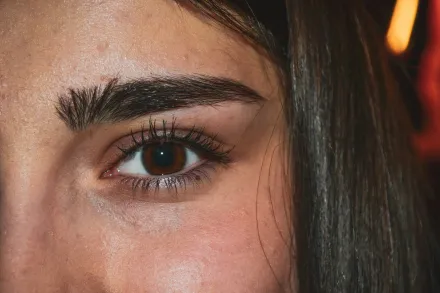
Eyebrows frame the face and can alter the perceived harmony of your features more than most other elements of makeup. A flawless eyebrow shape is not about chasing a trend but about achieving balance with your unique facial structure, hair color, skin tone, and eye shape. The goal is to create brows that look natural yet defined, so the arch and tail enhance your expression without drawing attention away from your eyes. To reach this goal, one must understand the anatomy of the brow, learn to map its proportions, and practice a thoughtful routine that respects growth patterns and skin sensitivity. The process blends artistry with patience, and the results can be transformative in a subtle, enduring way that supports confidence and comfort with your everyday appearance.
Understanding Your Face and Brow Proportions
Before touching a single hair, it helps to study the space around the eyes, the position of the nose, and how the brow interacts with the brow bone and eyelids. A well balanced eyebrow often starts at a point that lies vertically above the inner corner of the eye, a measurement that acts as a guide for symmetry across both sides of the face. The arch is typically the high point of the brow and should align with a vertical line that passes through the center of the pupil when you are looking straight ahead. The tail should extend toward the outer corner of the eye and taper gradually, following the natural slope of the brow line. These reference points form a framework that can adapt to many faces while preserving proportion and expression. It is essential to accept that symmetry is an ideal rather than a strict rule, and small variations between the two sides contribute to a natural appearance rather than a rigid, artificial look. When you begin this journey, you are not simply shaping hair; you are shaping how light and shadow play across your brow and how your eyes communicate with the world.
Tools and Materials You Need
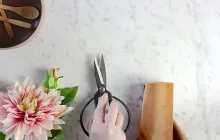
To work with precision and safety, gather tools that are gentle yet effective and ensure everything is clean and ready for use. A good spoolie brush helps you lift and separate brow hairs so you can see their natural direction and length. A small magnifying mirror with bright, cool light can reveal stray hairs and subtle asymmetries that might be missed otherwise. A reliable pair of tweezers allows you to remove unwanted hairs with control, and a pair of small brow scissors helps trim longer hairs that extend beyond the natural line. A soft brow pencil, a matching powder or a pomade can be used to sketch the shape and fill gaps, while a clear or tinted brow gel locks the result in place. It is wise to have a clean comb or spoolie for blending and a sanitizer or alcohol wipes to keep tools free of bacteria. When you work, make sure your hands are clean, your skin is clean, and you are working in a well-lit environment that lets you observe the smallest details. The quality of your tools influences both the ease of shaping and the comfort of your skin during and after the process, and paying attention to sanitation reduces the risk of irritation or infection as you refine the brow shape over time.
Shaping Foundations: Mapping and Growth
Shaping foundations start with understanding how your hairs grow and how their direction affects the overall silhouette of the brow. Begin by brushing the brow hairs upward with a spoolie, which reveals the true length and density at the inner edge and the tail. Visualize the three reference points described earlier and then imagine a gentle curved line that links the inner start, the peak arch, and the tail. This mental line helps you determine where stray hairs should be removed and which hairs should be kept to maintain a natural look. When you perform shaping, work conservatively at first, removing just a few hairs in areas that appear to break the symmetry or create an exaggerated arch. The aim is not to conquer the brow in one session but to invite a gradual refinement that respects the existing growth, so the final shape feels like a natural extension of your facial structure rather than a dramatic alteration. If you notice that your brows are uneven, think about the overall balance: sometimes a tiny adjustment on one side, such as softening a sharp tail or lifting a low inner edge, can bring the two sides into harmony without sacrificing personality or expression. A patient approach will yield a more resilient shape that stands the test of time and natural changes in hair growth.
Grooming and Trimming for Neatness
Grooming is an ongoing ritual that keeps brows looking intentional and well proportioned between professional shaping sessions. Brushing hairs upward and outward on a regular basis helps you identify the hairs that extend beyond the intended line and those that lie flat against the skin in awkward angles. When trimming, use small, careful snips of the longest hairs. The goal is to maintain a uniform density that follows the natural curve of the brow rather than creating an abrupt cut across the arch or tail. Be conservative with trimming at first and reassess after a day or two to see if the line reads balanced on your face in different lighting. Keep in mind that daily routines like cleansing and moisturizing near the brow area can influence hair growth and the texture of the skin, so choose gentle, non-irritating products that minimize the risk of inflammation. Regular maintenance reduces the need for more drastic reshaping later and supports a consistent, refined appearance that works with your evolving features rather than against them.
Hair Removal Methods: Waxing, Threading, and Tweezing
Several methods exist to remove hairs that lie outside your desired brow shape, and each has its own advantages and considerations. Waxing offers speed and can lift multiple hairs at once, which is convenient for shaping large areas; however, it can be less selective and may cause temporary irritation or sensitivity on sensitive skin. Threading is precise and less likely to remove hairs from deeper layers of the skin, making it a popular choice for delicate brow lines and for those with sensitive skin, yet it may require more time and a steady hand from an experienced practitioner. Tweezing provides the most control for fine adjustments and stray hairs, enabling careful sculpting along the natural line; it is ideal for maintenance and for addressing small asymmetries, but it may take longer and can cause slight redness if the pores become irritated. Regardless of method, prepare the skin with a warm towel to open follicles and apply a soothing post-removal product or a gentle aloe gel to calm the area. Aftercare matters, as the skin breathes and settles following shaping, and proper care reduces the risk of redness, swelling, or itchiness that could tempt you to rush into another session before you have fully recovered.
Eyebrow Shapes for Different Eye Types
Different eye shapes respond to brow shapes in distinct ways, and understanding these relationships helps you tailor your shape to enhance natural beauty rather than create a one size fits all look. For round eyes, a slightly higher arch can lend length and lift to the eye area, adding definition without making the brows appear harsh. For almond eyes, a softly curved arch with a balanced tail tends to preserve that graceful balance while adding a touch of structure. Hooded eyes benefit from a arch that starts higher up and a tail that elongates outward, which helps the eye look more open when the lids are in a seated position. Deep-set eyes respond well to a gradual arch and a tail that remains close to the natural brow line to avoid pushing the focus too far inward; this creates an impression of more space and openness. In every case, the most important principle is harmony: the brow should align with the brow bone and the eye shape so that the entire area looks cohesive in natural light and under makeup, and so that color, thickness, and length relate well to hair color and skin tone for a panoramic sense of balance rather than a sharp, isolated feature.
Filling, Defining, and Color Matching
After shaping, many people choose to fill and define the brows to create a more polished effect. A common approach is to use a brow pencil or a fine brush with powder to replicate individual hairs with light, feathery strokes. The color should be a shade lighter than your hair color for a soft, natural look, particularly if your brows are already quite bold; a more dramatic look may require a shade that sits closer to or slightly lighter than your natural shade, depending on the occasion and the lighting you expect in daily life. Start at the inner edge and draw sparse strokes in the direction of hair growth; focus on defining the arch and tail while keeping the inner brow gentle and open to avoid a harsh line near the nose. Blending with a spoolie helps to soften any lines and ensures the result looks effortless rather than drawn. If you prefer a more defined finish, consider a brow pomade or gel that adds color and holds shape for longer wear, but apply sparingly so the brows do not appear heavy or cartoonish. The key to believable filling is layering: build the shape gradually, check for symmetry in both eyes, and adjust shading so it mirrors natural density without creating a clumsy silhouette. Remember that brows should complement your eye color and skin undertones, which means taking time to test a few tones against your complexion under different lighting conditions before settling on a final choice.
Maintenance, Growth, and Long-Term Care
Once you establish a flattering shape, life becomes about maintenance and mindful growth. Allowing brows to grow in for a period can help you reassess their natural shape and reduce the risk of over-plucking in a single session. During growth periods, resist the urge to remove additional hairs unless they clearly disrupt the line or catch the light in an unflattering way. Regularly grooming every few weeks keeps the shape intact while giving you time to respond to any changes in hair thickness, especially if you use cosmetics, tanning, or skincare products that may affect the texture of the hair cuticle or the skin around the brow. Hydration is essential for skin health around the eye area; gentle moisturizers or serums designed for delicate facial skin can prevent dryness that might irritate the follicles. If you have naturally sparse brows, consider a cautious, gradual approach to filling in gaps with microfibrillar products or tinted gels that mimic the appearance of fine hairs, then reassess how the real hairs respond to daily routine and environmental factors. A consistent routine that respects growth cycles will preserve the shape you love while allowing your brows to age gracefully with your facial features.
Common Mistakes and How to Correct Them
Even seasoned brow enthusiasts encounter missteps along the way. Over-plucking can lead to thin or irregular tails and a perpetually surprised expression. Uneven arches can create an imbalance that reads as contrived rather than natural, especially when one side mirrors the other too closely. A brow line that is too sharp or too thick can overwhelm the eyes and disrupt the gentle radiance of the upper face. Mismatched color can appear artificial, particularly when the shade does not harmonize with the hair color or the skin tone. To correct these issues, take a step back and observe the brows in various lighting conditions, from daylight to evening illumination, and across different facial expressions. Consider making a gradual adjustment by removing fewer hairs during the next session and adding a touch of pigment through filling to restore balance, rather than attempting a radical change all at once. It is often helpful to keep a mental or even a physical note of what a slight modification accomplishes so you can learn to anticipate how future shaping will influence the overall aesthetic. A patient, observant approach—paired with a willingness to pause and reassess—will typically yield softer, more natural results that stand the test of time and different makeup looks.
Safety Considerations and Skin Health
Your skin around the brows deserves careful attention because the area is thin and sensitive, and repeated manipulation can cause irritation or micro-trauma if you push too hard. Always patch test products used for tinting or filling to ensure you do not react badly to dyes or gels. Use clean tools and avoid sharing instruments that touch the skin to prevent the transfer of bacteria. If you notice persistent redness, swelling, or tenderness after a shaping session, give the area time to recover and consider consulting a dermatologist or an experienced esthetician who can advise on suitable products and techniques for your skin type. When you perform do-it-yourself shaping at home, ensure the skin is moisturized and protected, and avoid aggressive exfoliation or aggressive rubbing near the brow line, which can thin the skin and raise the risk of irritation or infection. By treating the brow area with care and patience, you keep the skin healthy, which in turn supports a more aesthetically pleasing, enduring shape that ages gracefully with you.
Professional Options: Microblading and More
For those seeking semi-permanent enhancement, professional options such as microblading or powder brows offer a different set of advantages and responsibilities. Microblading uses tiny pigment-filled strokes to imitate individual hairs, creating a fuller appearance that can endure for months to years, depending on skin type and care. Powder brows deliver a soft, shaded fill that mimics the effect of makeup and can be tailored to be natural or more pronounced. Before proceeding, it is important to research licensed technicians who follow strict sanitation standards and who provide a patch test and a thorough consultation. A good professional will discuss your natural brow shape, skin type, and lifestyle to tailor the treatment to your needs. They will also talk through healing times, maintenance routines, and potential risks such as color fading or the need for touch-ups. As with any cosmetic procedure, you should weigh the benefits against possible drawbacks, consider financial and time commitments, and ensure you are comfortable with the chosen approach for your long-term aesthetic goals. When undertaken with care and professional guidance, these methods can complement a carefully established natural brow shape and extend a refined look beyond daily makeup routines.
Practical Troubleshooting and Quick Fixes
There are moments when a shape might feel off or an event calls for a rapid adjustment. In such situations, you can rely on a few practical techniques to restore balance without a full reshape. A light, precise fill with a pencil can quickly soften a harsh line or extend the inner brow slightly to create a more open look; always blend with a spoolie to ensure a natural transition into the real hair. If the tail appears too thick or heavy, a gentle brush through with a small amount of clear brow gel can lift and soften the line while maintaining hold. For overnight corrections, avoid heavy products that could clog pores or irritate the delicate skin around the eyes; instead, apply a calm, fragrance-free moisturizer to help reduce redness or sensitivity by morning. When you are uncertain about symmetry, step back and compare both brows in different angles and lighting, as perception changes with perspective. The best quick fixes are almost always subtle and reversible, providing room to refine your technique in the next shaping session rather than forcing a dramatic alteration that you might later regret.
Daily Routine for Flawless Brows
A daily routine that supports brow health and appearance includes gentle cleansing, careful makeup application, and mindful removal at the end of the day. Cleanse the brow area with a mild cleanser that respects the delicate skin around the eyes, followed by a lightweight moisturizer or an oil-free product if you prefer. If you wear makeup, remove it gently with a dedicated makeup remover designed for sensitive skin to prevent clogging the follicles or causing irritation. When applying makeup, use light strokes that imitate hair growth and blend thoroughly to avoid obvious lines between the actual hairs and the pigment. Keep a consistent color balance with your natural brow hair, adjusting shade as your hair color changes with the seasons or as you experiment with new looks. Sunscreen around the brow area protects the skin and helps prevent color fading in any tint or dye you might use. Finally, maintain a flexible approach that allows your brows to adapt to your evolving facial shape and personal style, accepting small shifts that occur with age, climate, and lifestyle as part of a natural aesthetic journey rather than a failure to maintain a flawless look."