When the occasion calls for a look that feels both polished and personal, hair becomes a powerful element of expression. The right style can elevate confidence, complement an outfit, and carry a mood through every moment of a celebration. This article explores a thoughtful approach to styling for special events, moving beyond quick fixes and superficial trends toward a method that respects your hair’s unique texture, your daily routine, and the long arc of the day from preparations to the final recollections. It invites you to consider how your hair behaves, what accessories can harmonize with a chosen silhouette, and how to work with tools and products in a way that protects health while delivering longevity and ease of maintenance. Throughout, the emphasis remains on coherence, creativity, and practical strategies that translate into a look you can wear with composure and joy.
Understanding your hair starts with listening to its natural rhythm. Hair varies in its tendency to hold a shape, its shine, and how it responds to moisture and heat. Some textures fall into place with a soft bounce, while others demand a bit more attention to set a wave or secure an updo. The porosity of hair, which describes how open the cuticle layer is to accept moisture and products, plays a central role in predicting hold and finish. High porosity hair often drinks in products quickly and may need a gentler approach to avoid stiffness, whereas low porosity hair can appear resistant to styling until warmth and precise timing coax a smooth result. Recognizing whether the density is light, medium, or heavy helps in choosing components like volume boosters or a supportive backdrop for a bridal veil or a dramatic headpiece. The health of the scalp and the ends influences how a style will endure. When hair has been overworked or neglected, even the best technique can falter, so balancing nourishment with technique becomes a cornerstone of a lasting look. Attention to how oil travels along the strand and where it tends to accumulate informs decisions about balancing moisturizers, serums, and finishing sprays so that the design remains flexible and comfortable during the entire event. This awareness guides the choice of styles that respect your hair’s voice rather than forcing it into a shape that silences its natural movement.
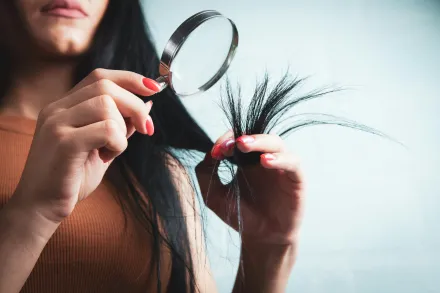
Preparation is the quiet partner to creativity in hair styling for a special occasion. It begins well before the event, with a washing routine that suits the texture and porosity, followed by a conditioning plan that strengthens without weighing down the root area. A deep conditioning treatment a day or two ahead can improve the hair’s resilience and shine, while a lighter conditioner used closer to the scalp on the day of styling can contribute to a clean, airy foundation. It is wise to consider a gentle clarifying wash if product buildup has occurred, especially when multiple styling products have been used in the weeks leading to the event. Trimming dry or split ends during a routine appointment can also reduce the risk of frizz and uneven texture once a style is formed. The day before the occasion, allowing the hair to rest and recover from heat exposure is a thoughtful practice; this reduces fatigue in the shaft and helps each strand respond with more consistency when heat or tension is introduced for a final look. When the time comes to style, the use of a heat protectant becomes a quiet ritual that honors the hair’s health while enabling the creation of longer lasting shapes. A calm scalp environment, free of heavy residues, supports a smoother experience as the chosen technique unfolds. The overall plan should balance nourishment, texture enhancement, and a sense of ease that makes the styling process enjoyable rather than stressful, because confidence in execution often begins with a prepared canvas and a generous amount of patience.
Choosing the right style for the occasion involves a conversation between mood, dress, match with accessories, and the dignity of your hair’s natural behavior. For a wedding, the aesthetic often leans toward timeless yet fresh silhouettes, where a classic updo might be joined with gentle waves or a delicate braid that frames the face without overpowering a veil or bouquet. A gala or formal dinner invites drama that remains graceful, perhaps a sculpted bun with subtle height, or a sleek, elongated silhouette that catches the light from chandeliers and cameras. Prom memories might lean toward playful textures and soft curls that echo youthful vitality, while corporate events call for refined simplicity that communicates professionalism with a hint of personal signature. The neckline of the attire interacts with the hairstyle through lines and open space, so a neckline with a high or broad shape can be balanced by hair that contours the jawline and keeps the face breathing with energy. Accessories deserve a thoughtful dialogue with the hair, too; a comb that glints under soft lighting, a jeweled clip that becomes a focal point, or a veil that moves with the wearer when walking can redefine how a style is perceived. The aim is harmony: a design that supports the wearer’s posture, breath, and presence while remaining faithful to the hair’s texture and the overall mood of the event.
Tools and products are the quiet collaborators in the artistry of styling for special occasions. The temple of good results rests on clever use of heat tools with temperature control that respects the hair's sensitivity. Ceramic or tourmaline plates distribute heat evenly, minimizing hotspots that can scorch delicate strands, and a cool touch at the end of the styling process helps lock in the shape without a stiff finish. The choice of curling irons, wands, and straighteners should consider the diameter that produces the most flattering bend for the desired effect, with larger barrels creating soft waves and smaller ones delivering tight curls for more structured looks. Brushes chosen to suit the texture—paddle brushes for smoothing, round brushes for shaping volume, and bristle variants for finishing—make a difference in how gently the style is formed. In the realm of products, a balance between grip and movement is essential. A light mousse or a volumizing spray applied at the roots can create body without heaviness, while a silk or light oil can add sheen and tame flyaways without flattening the design. Finishing sprays can set the look with a touch of hold that survives hours of movement, photography, and glances, yet remain touchable for moments of tenderness in a celebration. The ideal combination respects the hair’s natural bounce, maintains comfort against the scalp, and provides enough durability to endure dancing, weather changes, and time without requiring constant adjustment. The careful layering of products—allowing each to dry before applying the next—reduces unwanted buildup and helps the style age gracefully as the event unfolds. Bold or italic emphasis within the text can highlight key ideas, such as the importance of heat protection, the value of testing a look before the big day, and the joy of allowing the hair’s own character to participate in the final silhouette.
Within the realm of styling techniques, the artistry of creating a refined look without omitting personal expression becomes a dialogue between precision and improvisation. A classic updo can be made more contemporary by introducing soft texture through light backcombing at the crown, then smoothing the outer surfaces to reveal controlled volume rather than rigid height. A romantic half updo emerges when the upper portion is swept back and pinned with subtle pins, leaving tendrils to frame the face. For those who enjoy options, a softly twisted chignon can be formed by gathering sections of hair into a controlled, looping structure, with tendrils left loose to soften the line and add a touch of movement. The interplay of light and shadow on the hair can be guided by strategic placement of pins and accessories, so that the design reads cleanly from the front and from the sides. The texture of the hair itself contributes to the effect; straighter hair often responds best to a deliberate smoothing pass combined with a playful lift at the crown, while curly or wavy hair may benefit from enhanced definition of natural patterns through light shaping with a curling iron or a diffuser, followed by careful pinning to preserve the contour. In every approach, the bond between the style and the wearer’s facial features, neck length, and posture remains central, because a look that respects these elements will always translate as elegant and confident on the day.
Long hair opens a wide field for creative expression while testing endurance. A flowing cascade can become a stage for sculpted details, such as a jewel-encrusted clip or a delicate chain threaded through each strand to create a subtle shimmer as the head tilts. The balance between volume and fluidity is critical: too much mass can overwhelm the face, while too little may fail to translate the sense of ceremony you desire. Techniques that promote grip without stiffness—such as a gentle set with light mousse, soft velcro rollers that can be removed without tugging, and a careful pinning strategy—enable a look that moves with breath and gravity. Accessorizing responsibly means ensuring that any centerpiece, whether a floral arrangement, a tiara, or a comb, is anchored in a way that respects the weight distribution of the hairstyle to prevent shifting or discomfort during hours of celebration. The harmony between the hair, the accessories, and the wearer’s attire becomes a choreography that evolves from initial styling to final adjustments at the moment of stepping into the event space. This is where patience, practice, and a calm routine translate into the refined presence that defines a special occasion hair story.
For shorter hair or styles that sit closer to the head, the canvas invites clever shaping rather than long draping lines. The approach emphasizes clean lines, controlled texture, and the way light plays along the silhouette of the head. A chic bob can be elevated through precise smoothing at the back and a gentle wave at the ends, balanced by a few strategically placed pins that secure a shape without creating a rigid frame. A pixie cut can be transformed with dimensional product application and careful grooming that accentuates the haircut’s architecture while maintaining comfort. In each scenario, the goal is to create an impression of effortlessness that conceals the energy expended to achieve it, and the best way to achieve that is by understanding how shorter lengths respond to motion, gravity, and the addition of accessories. When styling short hair for a major event, pay attention to the way a small lift at the crown changes the line of the face, and consider how a slim, high-contrast accessory can become a focal point without overpowering the face’s natural features. The design should illuminate rather than obscure, celebrate individuality, and leave the wearer with a sense of ease and clarity about how to move and carry themselves during the celebration.
Updos are a realm where technique and patience make the difference between something that looks crafted and something that looks curated. A well executed updo begins with a foundation that respects the natural density and texture, often with a light, textured base rather than a slick, flat surface. The ironic paradox is that a secure look can still feel soft and romantic; it is achieved by distributing tension evenly across pins and by giving the silhouette a gentle asymmetry that reads as modern rather than stiff. A classic twist or a braided element can be woven into the structure, with each segment secured in a way that allows subtle movement when the wearer tilts or turns. Finishing touches can include a veil that lifts away from the base with the wearer’s motion, a small clip that catches the light without interrupting the line of the arrangement, or a delicate strand of hair that frames the ear and neck in a flattering manner. The choice of updo should also reflect practical concerns such as the weather, the duration of the event, and the possibility of dancing or mingling, which may lead to the need for a more robust hold in certain areas while remaining pliable in others. In this careful balance, the hair becomes a partner to the wearer’s presence, enabling a sense of elegance that does not demand constant adjustment or self-conscious correction.
Protecting hair from heat and environmental factors is a stewardship practice that survives beyond the moment of styling. When the air is dry or windy, hair tends toward roughness and static, which can compromise the sleekness of a designed shape. A heat protectant is essential, acting as a shield between the heat source and the cuticle, reducing the likelihood of dryness, breakage, and color fade. If the event takes place outdoors, a light barrier such as a finishing spray with UV protection can help preserve shine and prevent color from dulling under sun exposure. Humidity can pose a separate challenge, encouraging frizz and waviness that may either be embraced as texture or tinned into control with a whisper of anti-frizz product and precise pin placement. The goal is to deliver a style that endures the environmental onslaught without feeling stiff or uncomfortable. It is prudent to adjust the approach to weather and venue by considering protective styling options that minimize wetness, reduce manipulation, and maintain comfort as the day progresses. The result is a look that feels effortless as it travels from the morning preparations to the late-night celebration, with the confidence that the hair still reflects the wearer’s intention as the memories accumulate.
On the day of the event, simplicity and readiness can translate into more time for the wearer to focus on moments rather than adjustments. Begin with a calm routine that ensures clean, dry hair and a comfortable base. Consider the order of operations: some professionals prefer to complete the foundation first, building the shape over a secure frame, while others finalize with the finishing touches that emphasize color and shine. A deliberate approach to pinning—placing pins at anchor points that correspond to natural folds of the style—reduces loosening and maintains a smooth silhouette throughout the day. When stepping into makeup and wardrobe, gentle checks on balance and alignment help confirm that nothing pulls or shifts unexpectedly. A small mirror, a trusted friend, or a stylist’s guidance can offer a fresh perspective to confirm that the look remains cohesive with the overall ensemble. Soft, natural movement is often more flattering than a perfectly rigid form, so allowing for a little looseness in the design can yield a more modern and comfortable outcome. With attention to the interplay of hair, accessories, and garments, the final presentation can feel both meticulously planned and democratically expressive, reflecting the wearer’s presence with a quiet, enduring confidence.
As the event nears its end, care considerations shift toward preservation and transition. The final moments provide a clue about how much time remains before the look must hold through photographs or a dance floor finale. A light mist of finishing spray reaches for longevity without creating a barrier that distorts texture or movement; a touch of serum or oil on the ends can renew softness after hours of wear. If the wearer chooses to rework a detail—perhaps a gentle repositioning of a strand or a fresh placement of a clip—it can be done with a careful hand, always mindful of maintaining the integrity of the original design. Beyond the technique, what remains central is the experience of wearing hair that has been crafted with care, that respects personal health, and that allows the wearer to move through the celebration with ease and genuine presence. In this way, hair styling for special occasions becomes more than a fashion statement; it becomes a catalyst for confidence, grace, and memorable moments shared with friends, family, and the people who stand beside you as you celebrate.