Straight hair is often praised for its sleek lines and natural shine, yet it can present a unique set of challenges that require a thoughtful routine. The way straight strands reflect light can create a smooth, polished appearance, but without the right balance it can look flat, even limp, especially at the crown. The natural oils produced by the scalp travel quickly along the hair shaft in straight textures, which can mean a hairday goes from fresh to weighed down in a hurry. Achieving and maintaining a healthy, vibrant look for straight hair means balancing cleansing, conditioning, moisture, and texture with lifestyle choices and climate. The strategies described here aim to address these realities with practical steps, guidance on products and tools, and habits that fit into busy schedules while protecting the cuticle and maintaining the hair’s buoyant, reflective surface. By understanding the biology behind straight hair, you can tailor routines to climate, activity, and personal preferences, creating a look that is refined without appearing fussy.
Understanding Straight Hair: Properties and Challenges
Straight hair tends to reflect light more evenly, creating a crisp, smooth surface, but it can also reveal every follicle irregularity, oil level, and styling state. The lack of natural curl means fewer textured anchors at the roots, making volume a constant consideration and elevating the importance of lifts and layers. When the cuticle scales lie flat, shine is enhanced; however, the same flatness can magnify frizz in humid weather or after heat exposure if the surface has become rough from styling. Oils travel quickly down the strand in straight hair, which can be advantageous for lubrication but can also lead to a greasy crown if cleansing and product use aren’t balanced. The challenge is to preserve moisture, maintain light lift, and keep the surface smooth enough to maximize shine while preventing limpness. Understanding these tendencies helps you choose routines that deliver structure, resilience, and a lasting, polished appearance.
Daily Washing and Conditioning Practices
Washing frequency is highly individual, influenced by scalp type, activity level, and climate. For many people with straight hair, washing every other day or every two days helps prevent the hair from appearing dull or weighed down while still removing accumulated oil, sweat, and environmental impurities. If you have an oily scalp, daily washing may be appropriate, but it is wise to select a lightweight formula that cleanses without stripping essential moisture. When you wash, focus cleansing on the scalp to remove sebum and impurities, allowing the lather to rinse through the mid lengths and ends. After rinsing, apply conditioner primarily to the mid shaft and ends, avoiding the roots if possible to prevent flattening at the crown. A cool rinse at the end can help seal the cuticle and boost shine, which is particularly visible on straight hair. A clarifying wash is beneficial periodically to remove mineral buildup from water and product residues that can dull a smooth texture.
For conditioning, choose formulas that provide hydration without heavy oils that can sag at the roots. A lightweight conditioner keeps the mid lengths supple and ends protected, allowing the hair to maintain bounce. If your scalp feels dry, you can alternate with a scalp-targeted treatment, but avoid heavy emulsions at the root line that may weigh hair down. In dry climates or during winter months, consider a leave-in conditioner or a hydrating mist that adds moisture with a light touch. Always finish with a cool water rinse to help close the cuticle and lock in brightness and suppleness. A well-balanced cleansing and conditioning routine creates a foundation that supports style without sacrificing scalp comfort or hair integrity.
Detangling and Brushing Techniques
Detangling is a crucial step for straight hair to prevent breakage and minimize shedding during styling. Begin with gentle finger-combing to loosen knots before reaching for a brush. A wide-tooth comb tends to be kinder to wet hair, reducing snagging in the mid lengths and ends, where straight hair can be most fragile after washing. When hair is damp, glide the comb from the ends upward in short, careful strokes, then work toward the roots. After brushing, apply a lightweight leave-in conditioner or detangling spray to add slip and reduce friction, helping you brush through without pulling. If you plan to air-dry, opt for smoothing products that provide a touch of hold to prevent the strands from becoming fluffy as they dry. Never brush hair when it is fully dry if your goal is minimal breakage, as dry brushing can create static and roughen the surface.
Use a brush designed for straight hair to distribute natural oils evenly along the shaft, promoting shine and a uniform texture. When detangling, start at the ends and move upward gradually to preserve cuticle integrity. In addition to brushing, consider using a microfiber towel or a cotton T-shirt to blot hair rather than rubbing with a terry cloth towel, which can roughen the surface and lead to frizz. After towel drying, apply a small amount of leave-in conditioner on the mid-lengths and ends to enhance slip and reduce tangling. By combining careful detangling with a drying strategy that respects your hair type, you can maintain crisp texture and minimize tangles throughout the day.
Heat Styling and Protective Measures
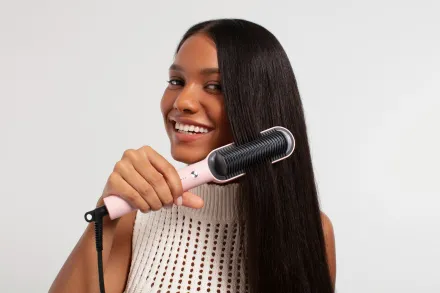
Heat styling is a common routine for straight hair because it helps create lift, shape, and a sleek finish, but excessive heat can damage the cuticle, causing dullness, breakage, and increased porosity. To protect strands, always use a heat protectant spray, cream, or serum and apply it evenly from mid-lengths to ends before styling. Choose a heat setting that matches your hair’s tolerance; for many straight-haired individuals, a moderate temperature in the 300 to 365 degrees Fahrenheit range suffices for most looks, with lower settings for fine or damaged hair. Limit the duration of high-heat exposure and avoid repeated passes over the same section. For a crisp finish, consider a light blow-dry with a round brush or a paddle brush, using cool air to set the style. Ceramic or tourmaline tools can distribute heat more evenly and reduce hotspots when used properly, helping to protect the cuticle and maintain shine.
If you prefer to minimize daily heat, a simple air-dry routine can yield excellent results. When you do use hot tools, work on dry hair to prevent steam-induced swelling and friction. If you must straighten, keep the temperature at the minimum level that achieves the desired style and consider a silicone-based serum to seal in moisture and create a moisture barrier against humidity. Regular trims help maintain a clean silhouette by removing split ends that can travel upward when exposed to heat. A weekly deep conditioning mask replenishes moisture and reinforces the protective barrier, ensuring the cuticle remains compact and glossy after routine styling. Proper tool storage, unplugging after use, and occasional plate cleaning can prevent residue transfer to hair during styling.
Air-Drying and Finishing Without Frizz
Air-drying straight hair can preserve natural integrity while reducing heat exposure and the risk of dryness. After washing, gently blot with a microfiber towel rather than rubbing, which can roughen the surface and create unwanted texture. If you rely on air-drying, apply a lightweight leave-in lotion or smoothing serum to the mid-lengths and ends to calm frizz and add moisture. For thicker or longer straight hair, consider using a silk or satin pillowcase to minimize friction during sleep, which helps reduce frizz and morning tangles. To maintain a crisp, polished look, finish with a small amount of shine serum or a lightweight oil applied only to the ends, avoiding the roots to prevent a heavy crown. Over time, practicing patience with air-drying yields smoother texture and natural movement without constant heat reliance.
Humidity can challenge straight hair by increasing frizz and creating static. In these conditions, embrace a routine that prioritizes moisture balance and a protective shield that seals the surface without sacrificing movement. A subtle anti-frizz spray can help seal the cuticle and minimize moisture uptake from the environment, preserving a straight silhouette. Avoid over-washing during humid periods, which can strip oils and trigger a rebound oil response. If you notice dullness or flyaways, a small amount of silicone-based serum along the lengths smooths the surface, but apply sparingly near the roots to avoid a weighed-down appearance. Pairing careful air-drying with protective finishing products can deliver smooth, controlled straight styles even in humid weather.
Products and Ingredient Considerations for Straight Hair
When selecting products for straight hair, look for formulas that cleanse without stripping moisture and finish without heaviness. Lightweight shampoos and conditioners that target mid-lengths and ends help maintain buoyancy and avoid root flattening. Silicone-based ingredients can provide slip and a controlled surface that boosts shine, though some people prefer silicone-free formulas with quick-absorbing natural oils such as argan or jojoba. For oil-prone scalps, a clarifying routine on a regular schedule can prevent buildup that dulls shine and weighs hair down. If you opt for light leave-in products, ensure they do not leave a greasy film; a small amount often goes a long way. Avoid heavy waxes or strong pomades that create a stiff, unnatural crown. Read ingredient lists to understand silicone content, waxes, and alcohol-based solvents that might impact texture and moisture balance.\n
In addition to the basics, explore styling products that provide a hint of hold without stiffness. A light mousse or foam can create root lift and body without compromising the smooth line, while a flexible cream can tame flyaways and preserve a polished surface. For days that demand heat styling, a dedicated heat-protective product paired with a finish-enhancing serum can maintain surface brightness. Remember that straight hair often responds best to a minimalistic approach: less product, carefully chosen formulas, and slow layering to avoid overloading the shaft. A pragmatic routine that respects porosity, density, and scalp health yields the most consistent results over time.
Coloring, Treatments, and Their Impact on Straight Hair
Coloring and chemical treatments can alter how straight hair reflects light and behaves through the day. Color can enhance shine and depth, but processing can also increase dryness or sensitivity if hair is already fine or compromised. If you color or chemically treat straight hair, consider bond-repair or strengthening treatments that help preserve the cortex and reduce breakage. After processing, moisture needs often increase, so adapt your conditioning strategy to include richly hydrating products without saturating the roots. Schedule maintenance with a stylist to ensure even color distribution and to avoid run-in effects or banding that can become more prominent on straight textures. Regular trims remain essential after chemical services to keep the surface smooth and to prevent frizz from split ends.
Keratin or smoothing treatments can produce a glassy finish and reduce texture for a period, but they can also alter porosity. If you pursue these options, maintain gentle washing and robust hydration to balance the closed cuticle and prevent dryness. After a chemical service, allow your hair to adjust before introducing aggressive styling, and consider weekly masks to nourish deeper layers. For color retention, use color-safe formulas and consider cool rinses to minimize pigment loss. If you color at home, practice careful application to avoid uneven tones and reduce the need for frequent chemical restyling. The objective is a luminous straight look that remains healthy and resilient across seasons and styling choices.
Managing Humidity and Frizz in Straight Hair
Humidity is a frequent adversary for straight hair because the flat surface can readily attract moisture, triggering puffiness and frizz. To manage this, maintain a steady moisture balance that keeps the cuticle smooth without overhydration. A clarifying treatment can reset the hair by removing mineral buildup that amplifies frizz and dampness, followed by a hydrating mask or repair treatment. For daytime protection, use a lightweight anti-frizz spray or serum that creates a protective barrier without weighing hair down. During humid days avoid excessive touching of the hair, which can transfer oils from the hands and create a greasy look. Trust your chosen finishing product to seal the cuticle and maintain combability. Regular trims help remove split ends that frizz first in humidity, restoring a clean line that is easier to manage in damp weather.
In humid seasons, the weight of straight hair can change as the hair absorbs moisture; adapt by choosing lighter root products and slightly more moisture at the ends. If you use a brush, select one with gentle bristles designed to minimize static. Some people find that drying with a microfiber towel or a cotton T-shirt reduces friction and helps maintain a sleek surface. For daytime styling, prefer simple, crisp looks that rely on a subtle, flexible hold rather than heavy layering products. By combining consistent hydration, thoughtful product selection, and mindful styling, you can keep straight hair behavior predictable and elegant even when humidity rises.
Seasonal Care: Adjusting for Summer and Winter
Seasonal changes can require adjustments in your routine. In summer, sun exposure, wind, and pool chlorine can dry straight hair or alter its texture. Use UV protection sprays or wear a hat to reduce sun damage, especially for fine hair prone to dullness. After swimming, rinse thoroughly and apply a light conditioner to restore moisture and shield the cuticle from chlorine. In winter, dry indoor air via heating can strip moisture, making hair feel brittle. Increase hydration with weekly masks and consider a more nourishing leave-in product to seal moisture. Adjust washing frequency to avoid over-drying the scalp while maintaining a refreshed crown. A satin pillowcase remains a practical ally year-round for preserving smoothness during sleep.
During seasonal transitions, monitor scalp health and adjust based on how your hair responds. Some people require more weekly deep conditioning in colder months and a lighter touch in summer, while others prefer steady maintenance. Remember that hair reflects overall health; staying hydrated, maintaining a balanced diet, and supporting skin health can translate into stronger, shinier strands. A routine that protects from environmental damage and minimizes heat exposure will help straight hair maintain vitality with less effort, delivering a polished, confident look that matches your lifestyle.
Sleep, Home Remedies, and Weekly Care Routines
Healthy straight hair benefits from a gentle nightly routine that protects the strands while you sleep. A satin or silk pillowcase reduces friction, which helps minimize breakage and morning frizz. If you prefer a cotton pillowcase, layering a silk scarf or using a lightweight cap can also reduce friction. Incorporating a weekly care day can accelerate results: perform a gentle scalp massage to stimulate circulation, follow with a clarifying wash if product buildup is present, or apply a deep conditioning mask to replenish moisture. After treatments, rinse well and style as usual. Consider protective hairstyles for overnight wear that reduce tension at the crown, preventing hair from pressing on itself in a way that strains the roots. Small adjustments to your nightly routine can produce a smoother texture and a healthier appearance over time.
For straight hair, avoiding heavy, oil-laden products at the roots and maintaining gentle handling during sleep are key. A routine that prioritizes silk or satin textures, light conditioners, and controlled brushing can lead to a refreshed morning look with minimal effort. When you wake up, a quick comb-through and a light finishing product can reset the look without a full wash. If you notice tangling at the ends, a soft brush and a small amount of leave-in conditioner can help rehome the strands and restore a sleek silhouette. The habit of caring for your hair as part of a broader nightly ritual makes a noticeable difference over time, particularly for straight textures that respond quickly to the right balance of moisture and control.
Common Mistakes to Avoid with Straight Hair
Several missteps are common for straight hair care. Washing too often with harsh shampoos can strip essential oils and leave the scalp dry, triggering overcompensation with oil production. Using heavy products can flatten the crown and create a dull finish that lacks lift and air. Neglecting scalp health can lead to buildup or irritation that manifests as itchiness or flakes, undermining the appearance of smoothness. Rough towel drying with a traditional terry towel can roughen the cuticle and promote frizz, while excessive brushing on dry hair can cause breakage and split ends. Also, skipping regular trims may allow split ends to travel up the shaft, diminishing the clean, crisp line that straight hair often displays. A gentle, consistent routine that respects texture typically prevents these issues and yields long-term results that look effortless and healthy.
Practical Grooming for Different Lengths
Length influences the strategy for straight hair care because weight changes how the strands sit and how they respond to styling. Shorter styles often benefit from root lift and a dash of texture to create an energized silhouette; lightweight products applied at the crown can achieve this effectively. Medium-length hair tends to respond well to layered shapes that introduce movement, so you might use a mild smoothing cream or a texture-enhancing product on damp hair and allow some air-drying for natural bounce. Long straight hair can accumulate oil and appear weighed down if moisture distribution is not balanced; a lighter conditioner and periodic protein treatment can help sustain strength and resilience. Across lengths, conditioning from mid-lengths to ends and careful product placement near the roots deliver a crisp, healthy appearance throughout the day.
Professional Treatments and When to Seek Help
Professional treatments deliver results that are often difficult to sustain at home, such as salon blowouts that deliver long-lasting smoothness or chemical services that alter texture for a period. Consulting a stylist can help you establish a baseline for how your straight hair can best respond to controlled styling with minimal damage. If you notice persistent frizz, lack of shine, or a desire for more volume without compromising smoothness, seek guidance about smoothing, color-bonding, or keratin options. A skilled professional can tailor a plan based on your hair’s porosity, density, scalp health, and lifestyle, including maintenance intervals, recommended at-home care, and tools that extend results between visits. It is important to recognize that not every treatment suits every hair type, so a personalized plan can save you time, money, and disappointment in the long run.
DIY Hair Masks and Natural Care for Straight Hair
Home-made masks can complement professional care by supplying targeted moisture and protection. Ingredients such as yogurt, avocado, honey, and egg yolk have a long history of use for hair nourishment, but you should account for fragrance preferences and potential allergies. A gentle mask once a week can restore softness and shine without leaving heavy residue on straight hair. For lighter options, blend banana with yogurt and a touch of olive oil to produce a creamy treatment that nourishes the strands; rinse thoroughly and follow with your usual routine. Avoid overly heavy masks that may leave the roots looking greasy, particularly if you have fine hair. Moderation and balance are key; aim for improved surface smoothness without sacrificing root lift or introducing unwanted weight, and tailor masks to your texture and climate conditions.
Rinses with herbal extracts or vinegar can help restore scalp balance and remove mineral residues from hard water. If you rely on silicone-rich products, a periodic clarifying treatment can help restore natural movement and prevent residue buildup over time. Always follow with a hydrating conditioner and a leave-in product to keep strands manageable, even after a deep cleanse. When experimenting with DIY approaches, start with gentle formulations and observe how your hair responds before increasing intensity. The best regimen blends scientific guidance with your personal experience, enabling you to achieve a straight hair aesthetic that feels healthy and looks radiant.
Balanced Diet and Overall Health for Hair Quality
Hair health mirrors overall wellness, with nutrition and lifestyle playing a crucial role in strength and resilience for straight hair as for any texture. Adequate protein supports the hair shaft, while essential fatty acids contribute lubrication to the scalp and hair, helping strands lay smoothly. Vitamins such as A, C, and E, along with minerals like iron and zinc, support healthy cell turnover and pigment stability, which influence fullness and shine. Hydration maintains scalp moisture and can improve how the hair feels and looks. A diet rich in diverse nutrients, combined with consistent hydration and proper sleep, translates into hair that responds more readily to care, styling, and environmental exposure. Healthy habits outside the bathroom often yield noticeable improvements in texture and luster, reinforcing the idea that hair care and personal well-being are deeply intertwined.
In addition to nutrition, ensure you maintain a balance of sun exposure, oxidative stress management, and avoidance of aggressive grooming habits. If you follow a specific dietary pattern, consult a nutritionist to ensure you’re meeting your protein and micronutrient needs. Avoid smoking and excessive alcohol use, and consider a hydration plan that supports skin and scalp, recognizing that the scalp is an extension of the hair system. A holistic approach to health, including regular exercise and stress reduction, often yields shinier, stronger straight hair that behaves consistently with your styling goals.
FAQs and Common Scenarios
Many readers want guidance for varying climates, time constraints, and specific hair conditions. For a quick, efficient routine, start with a gentle cleanser, a conditioner targeted to the mid-lengths and ends, and a light leave-in product that combats frizz without heavy buildup. In humid weather, select a shield that locks in moisture and resists frizz while still allowing movement; in very dry winter air, emphasize deeper hydration with a richer leave-in product and a weekly mask. If you have thin straight hair, avoid heavy products that weigh the crown down and opt for lighter formulas that deliver lift. For thicker straight hair, you may need slightly more hold to maintain a crisp line. A practical rule of thumb is to layer products gently and assess after each step, tailoring the routine to your texture and daily needs without overcomplicating the process.
Color care is essential for those who dye hair. Use color-safe shampoos and cool rinses to preserve pigment, and avoid repeated heat exposure that can accelerate color fading. If scalp irritation occurs, reassess wash frequency and the gentleness of products, and consider consulting a dermatologist for tailored recommendations. When you travel, pack travel-sized versions of your trusted, lightweight products and maintain a simple, adaptable routine. The core message is that straight hair responds best when you respect its reflective nature, its moisture needs, and its sensitivity to product weight. With consistency and patience, you can build a personal system that keeps straight hair crisp, healthy, and effortlessly stylish in any setting.