Understanding Curly Hair Types and Texture
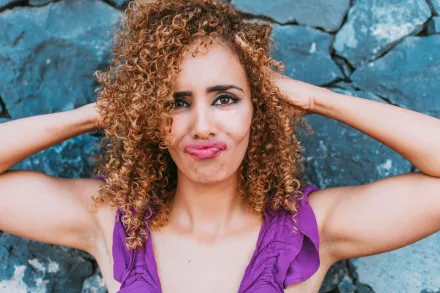
Curly hair exists on a spectrum that includes loose waves, corkscrew curls, tight coils, and everything in between, and each strand on that spectrum behaves differently when exposed to moisture, heat, and manipulation. Grasping the unique texture of your own curls starts with careful observation of how they respond to water, how they shrink, and how they spring back after being stretched. For many people, porosity and elasticity shift with the seasons, which means that a routine that works beautifully in one climate may need adjustments in another. When you run your fingers through damp locks, you may notice that some strands absorb moisture quickly while others bead water and stay drier longer. This is a clue about porosity, a factor that influences how long you should leave conditioner on, whether you should use heavier sealing oils, and how careful you must be with heat. In addition to porosity, the size of your curls matters because it affects how products distribute and how frizz forms. If your curls are loose, a lighter touch with products often suffices, while tighter curls may require richer hydration and more targeted sealing. The central aim of understanding curl type is not to pigeonhole your hair into a label but to tailor care so that hydration, definition, and manageability align with your personal goals. An honest assessment of texture also invites you to observe how your hair behaves when air-dried versus using a diffuser, how it responds to a little wind or humidity, and how it feels after a maintenance session that includes cleansing, conditioning, and detangling. The more you know about your curls, the more confident you become in designing a routine that preserves elasticity, reduces breakage, and supports the natural pattern rather than fighting against it. Recognizing your curl family helps demystify why certain ingredients feel luxurious on some days and heavy on others, and it encourages a flexible mindset that accepts variation rather than forcing a single outcome every day. This understanding is the foundation for choosing the right products, the appropriate wash frequency, and the proper styling approach so that your curls can thrive with consistency rather than suffering from abrupt changes in routine.
Gentle Cleansing: Choosing the Right Shampoo and Wash Schedule
The cleansing step for curly hair should prioritize gentleness, moisture preservation, and avoidance of harsh sulfates that strip the hair shaft and the scalp’s natural oils, which curls rely on to stay defined and frizz-free. A sulfate-free shampoo can cleanse effectively while leaving behind a layer of protective moisture; many curl enthusiasts prefer formulas that are pH-balanced to maintain the cuticle’s integrity and minimize unnecessary swelling that leads to frizz. Co-washing, or using a cleansing conditioner, is another option that provides cleaning while boosting hydration, particularly for those with very dry or highly/coily patterns. The decision to co-wash versus shampoo depends on your scalp’s needs, your lifestyle, and how your hair reacts to different cleansers in various seasons. A thoughtful wash schedule considers how often you exercise, sweat, or are exposed to pollutants, and it recognizes that too frequent cleansing can strip moisture, whereas infrequent cleansing can allow product buildup and sebum to accumulate, potentially dulling shine and definition. Some curls appreciate a light cleanse every few days to balance scalp health with moisture retention, while others thrive with a lengthier interval between washes. When cleansing, it is beneficial to apply the product focusing on the scalp and use gentle, slow movements that avoid rough rubbing, letting the cleansing agents rinse through the lengths rather than dragging knots into tighter tangles. After rinsing, you may notice that your curls appear flatter or more voluminous depending on the wash’s effect on the cuticle; this experience informs how you approach conditioning and detangling in the next steps. In this section the objective is steady hydration and scalp comfort, achieved through careful product selection, mindful frequency, and gentle handling that respects the delicate nature of curly strands.
Conditioning Strategies for Hydration and Shine
Conditioning is the cornerstone of curly hair maintenance because moisture retention directly influences curl pattern, flexibility, and resilience against breakage. A well-chosen conditioner should deliver moisture without weighing down the curl or leaving residue that slows drying or promotes buildup. For many curls, a rich, creamy conditioner with emollients such as glycerin, shea butter, or fatty alcohols can help seal the cuticle and smooth the surface, improving shine and reducing tangling. Leave-in conditioners extend the hydration window beyond the shower, providing ongoing slip and ongoing protection against daily friction that can fray and fuzz the curls. The technique of applying conditioner matters as much as the product itself; using a generous amount, distributing from mid-lengths to ends, and allowing it to sit for several minutes before rinsing—or leaving a portion in for extra moisture—can transform dry, frizzy textures into smooth, defined curls. For those with higher porosity, humectants can be beneficial because they attract atmospheric moisture; however, in very humid climates, humectants may draw moisture from the air too aggressively, leading to frizz, so it can be prudent to adjust the formula or reduce the concentration of certain ingredients during humid days. Some routines incorporate deep conditioning treatments periodically to rebuild elasticity and restore moisture after chemical processing or seasonal dryness, followed by a lighter daily conditioner to maintain the balance. In practice, the choice of conditioner should reflect not only curl type but also how your hair tolerates buildup and how your scalp reacts to different products. A balanced approach is to align conditioning with cleansing so that hair remains flexible, easily detangled, and capable of forming well-defined curls without heaviness.
Detangling Without Damage
Detangling is a delicate operation that, when done with care, preserves curls and minimizes breakage. For most curly textures, detangling works best when performed on wet or damp hair that has been coated with conditioner or a detangler, which provides slip and reduces friction. Long, slow strokes that start at the ends and gradually work toward the roots help separate knots with minimal tugging, a practice that protects the cortex and reduces strain on the hair shaft. Finger detangling can be a friendly option because it enables you to feel each knot and release it without pulling, while a wide-tooth comb or a tailored detangling brush can be used with patience and light pressure. The goal is to avoid common mistakes such as detangling when hair is dry, rushing through tangles without proper conditioner, or pulling too aggressively in a single motion, all of which can create split ends and thinning of the curls over time. When detangling, it is valuable to pause and re-wet or re-condition sections that resist slip, as this indicates drier fibers or tighter knots that require additional moisture and care. Post-detangling steps often involve gently applying a leave-in conditioner or a light oil to seal the strands and preserve the newly formed curl pattern, which helps maintain bounce and reduce frizz as you transition to drying and styling. The practice is to approach detangling as a mindful routine rather than a quick snap to release knots, recognizing that the method you choose will shape how your curls hold their form and how resilient they remain during the day.
Moisture Management: The Right Products for Curly Hair
Effective moisture management combines the right formulas with a consistent routine that respects the natural behavior of curly hair. Look for products that emphasize hydration without heavy silicones that can build up and weigh curls down, as well as ingredients that support cuticle sealing and long-lasting moisture retention. For many curls, formulations containing lightweight oils such as argan or jojoba, paired with humectants like glycerin in appropriate amounts, provide a balanced moisture layer that keeps curls plump without creating a greasy afterfeel. In drier climates or during the winter months, richer products—such as masks, deep conditioners, or sealants—can be applied less frequently but with greater emphasis on ends where dryness tends to be more pronounced. Oils and serums can be used as sealants, especially after applying water-based conditioners, to trap moisture inside the shaft and reduce evaporation from the surface. It is essential to consider porosity when selecting ingredients; high porosity curls may respond well to heavier sealing agents to lock in moisture, while low porosity curls often benefit from lighter formulas that do not sit on top of the hair and create a barrier that prevents moisture from entering. The maintenance mindset should include a regular check of product residue on the scalp and strands; if buildup is observed, a clarifying session or a careful adjustment of the product lineup may be warranted to restore the hair’s ability to drink moisture efficiently. By combining the right balance of cleansing, conditioning, and sealing, you establish a moisture management system that keeps curls soft, springy, and free from brittleness or dullness.
Styling Techniques to Define Curls and Minimize Frizz
Styling curly hair is an act of shaping chaos into controlled form, and success comes from embracing the natural curl pattern rather than fighting it with heavy products or harsh manipulation. Techniques such as wet styling with a generous dose of conditioner or styling cream can help lock in the curl while minimizing frizz. Plopping, where damp hair is wrapped in a microfiber towel or cotton T-shirt, encourages curls to form their own shape without heat and reduces drying time by redirecting water from the surface to the interior of the hair shaft. Diffusing with a cool to warm air setting can further define the curl pattern while avoiding heat damage, and using a diffuser in a gentle, slow motion allows the curls to set in their natural coils. Pineapple sleeping refers to gathering hair at the crown with a loose scrunchie to minimize friction during sleep, which helps preserve curl pattern and reduces the daytime poof. When applying styling products, a light hand is the rule; overloading with product can weigh curls down and create sticky residues that attract dust and cause buildup. The goal is to achieve a cohesive look where each curl is buoyant, with clear separation between strands and a defined twist at the tips. For curly hair, several days between washes can be sustainable if you maintain moisture and avoid mechanical friction, but you should adjust based on how your scalp feels and whether your curls appear dull or lifeless. The imaginative part of styling lies in selective product placement: apply more product to the mid-lengths and ends, where dryness tends to accumulate, and use less near the roots to prevent limpness. The end result should be a natural, bouncy pattern that remains tactile and expressive even after a full day of activity.
Protection Against Heat and Environmental Stress
Heat protection is a non-negotiable part of curly care if you regularly use hot tools, while environmental factors such as humidity, wind, and sun can challenge curl integrity. A quality heat protectant forms a layer that shields the cuticle from high temperatures and reduces the risk of irreversible damage that leads to breakage and dullness. Limiting heat exposure remains one of the most reliable habits for preserving curl health, and when heat is necessary, keeping the tool at the lowest effective setting and maintaining a reasonable distance from the scalp is prudent. Environmental protections include wearable sunscreen for hair and scalp when spending long periods outdoors, as UV rays can degrade proteins in the hair and fade vibrancy over time. Lightweight serums or creams designed to guard against humidity can help reduce frizz by smoothing the cuticle, and a satin or silk scarf or pillowcase minimizes friction that can cause tangling and rough texture upon waking. A practical approach is to rotate between heat-free styling days and heat-using days, matching the plan to activities, climate, and the condition of your curls. This balanced approach ensures that heat remains a tool rather than a crutch, enabling curl maintenance to thrive in a broad range of situations while minimizing accelerated aging of the hair fiber.
Maintenance Routine and Scheduling
A consistent routine supports curl health by creating predictable care moments that the hair can rely on. The schedule you adopt should reflect your lifestyle, climate, and hair goals, rather than adhering to a rigid timetable that ignores your hair’s current needs. A common structure includes regular cleansing at an interval that respects scalp balance, followed by conditioning and detangling, a styling phase that uses appropriate moisture and hold, and an occasional deep treatment to replenish nutrients. In practice, you might cleanse every few days or weekly, depending on your scalp’s oiliness and how quickly products accumulate on the hair. The conditioning step becomes a daily habit or a nightly routine, with leave-in products that support hydration and ease of detangling. Styling sessions can occur after each wash, with a plan to refresh curls in the morning using minimal touch-ups rather than full re-stylings, thereby preserving the integrity of the curl pattern. The rhythm of maintenance also takes into account fatigue and time constraints; in busy periods, you can lean toward simpler routines that still honor moisture and protection, while in calmer seasons you might intensify hydration and add periodic masks. The overarching idea is to build a cycle that your curls recognize and respond to with improved manageability, additional resilience, and a more consistent appearance.
Healthy Scalp and Hair Health
Healthy scalp health is inseparable from hair health, and curls benefit from a scalp care approach that respects natural oils and stimulates circulation without over-washing. A gentle scalp massage during cleansing can promote blood flow and help distribute natural oils more evenly along the hair shaft, encouraging a scalp environment that supports robust growth and stronger hair fibers. When evaluating scalp health, look for signs of irritation, flaking, or excessive oil that could indicate sensitivities to certain ingredients or an imbalance in cleansing frequency. Balanced scalp care includes choosing shampoos and cleansers with soothing botanical extracts and avoiding heavy products that could clog follicles while still ensuring hair fibers receive adequate moisture. Nutritional support plays a role as well, since water intake and a diet rich in proteins, omega fatty acids, and antioxidants contribute to hair strength from within. The relationship between shedding, growth, and texture is complex, but a steady routine that preserves natural oils and keeps the scalp comfortable will generally lead to healthier curl formation and longer-lasting shine. Regular trims are another practical component, as maintaining healthy ends prevents split ends from traveling upward and weakening the curl pattern. In short, a thriving scalp environment translates into curls that look lifted, springy, and resilient to daily wear.
Common Mistakes and How to Avoid Them
Even the most well-intentioned curl routines can stumble into familiar errors if you rely on a one-size-fits-all approach or chase trends rather than evidence from your own hair's behavior. Over-washing can strip moisture and reduce natural lubrication, while under-washing can lead to product buildup that dulls shine and inhibits curl definition. Heavy styling products or dense oils used in excess may weigh curls down and create a sticky film that attracts dust, leading to lackluster texture and a flat appearance. Drying curls with rough towels or aggressive towel rubbing increases friction, which in turn causes frizz and breakage; it is more productive to blot gently with a microfiber towel or a soft cotton tee. Inconsistent detangling, either rushing through knots or detangling on dry hair, can place unnecessary stress on the cuticle and result in thinning at the ends. Temperature extremes, whether from hot tools or environmental exposure, can degrade the hair’s internal structure, making fragility more likely. A mindful alternative is to adopt a more gradual approach to product layering, selecting formulas that complement each other and testing changes slowly to observe how your curls respond. Understanding your own hair's limits and preferences is the most reliable strategy to avoid common mistakes and sustain healthier, more defined curls over time.
Tips for Different Curl Patterns and Porosity
Different curl patterns and porosity levels respond to varied strategies, so recognizing your unique combination helps tailor a more effective routine. Low porosity curls often benefit from humidification, heat-assisted conditioning, and lighter stylers that can penetrate the cuticle without sitting on top of the hair. In contrast, high porosity curls may crave richer moisturizers, sealing oils, and a more frequent moisture replenishment cycle to compensate for rapid moisture loss. Medium porosity curls tend to strike a balance and respond well to a mix of hydrating products and lightweight sealing agents. For wavy or loose curls, leave-in conditioners with a gentle hold can enhance definition without creating stiffness, while for very tight coils, deeper conditioning, detangling patience, and careful sealing can unlock plumpness and reduce shrinkage that looks out of proportion. The texture also interacts with climate; humidity can magnify frizz for some curls and help others set a bouncy pattern, so adjusting humectant levels and the timing of application becomes important. When experimenting with products, try to keep changes minimal and observe how your curls react over several days; a single product switch may reveal a dramatic improvement or a subtle shift that guides further adjustments. By honoring the individuality of curl patterns and porosity, you design a maintenance regimen that respects hair health and yields a natural, vibrant look that reflects your personal style and environment.
Long-Term Care: Protective Styling and Sleep Habits
Protective styling and sleep routines are central pillars of long-term curl maintenance, serving to minimize mechanical damage and reduce daily friction that leads to frizz and breakage. A protective style can be as simple as loosely gathered braids, a low bun, or a twist-out that keeps ends tucked away from environmental stress and reduces the need for frequent styling with heat. The key is to avoid styles that pull tightly at the scalp or tug at fragile ends, which can cause traction alopecia or uneven wear over time. When sleeping, a satin or silk pillowcase offers a smoother surface than cotton, allowing curls to slide rather than rub against rough fibers that abrade the cuticle. For individuals who prefer caps or wraps, choosing breathable fabrics and ensuring the hair is not compressed too tightly around the crown can help retain moisture and curl shape through the night. In the morning, a light refresh with water and a small amount of conditioner or a water-based spray can reawaken the pattern without washing away built-up moisture. Protective styling can also include seasonal approaches, such as braiding in dry months to protect against harsh weather or adopting looser, low-tension methods when humidity is high to prevent excessive swelling and shrinkage that feels chaotic. A steady rhythm of protective care means fewer instances of severe breakage and more reliable curl integrity year after year.
At-Home Treatments and DIY Masks for Curly Hair
DIY masks and home-made treatments can supplement professional products, offering customizable hydration and nutrition using pantry staples. Ingredients such as avocado, yogurt, honey, coconut oil, and olive oil can be blended into masks that target moisture, shine, and softness, particularly when applied to the mid-lengths and ends where dryness tends to show first. The idea behind DIY care is to balance natural ingredients with your hair’s tolerance, ensuring that they do not weigh down curls or irritate the scalp. When crafting masks, consider the porosity of your hair and how long you leave the mixture on; too long a treatment on high porosity hair can lead to an overly heavy feel, while shorter sessions on low porosity hair may not provide enough moisture. Rinsing thoroughly is crucial to prevent residue that can hinder curl movement, and following with a lightweight conditioner can help seal the moisture gained from the mask. It is helpful to rotate between store-bought products and occasional DIY treatments so you can observe how each option affects your curl pattern and scalp comfort over time. Many people find that a monthly deep conditioning ritual, complemented by a weekly lighter treatment, supports overall curl health and keeps the hair resilient to daily wear and tear.
Transitioning from Straight to Curly or Regrowth Care
Transition periods require patience and a careful approach to minimize damage and support growth while your hair adjusts to new texture and pattern. When moving away from chemical straightening or heat manipulation, you may experience dryness and increased frizz initially as the hair rebuilds its natural cuticle structure. A strategy during this period emphasizes gentle cleansing, consistent moisture, and careful detangling to reduce breakage and encourage the new curl form to emerge gracefully. Regular trims can help remove damaged ends that hinder curl definition and give way to healthier growth along the length. It is important to monitor how your scalp responds to longer hair and to adapt your routine as growth progresses, including adjusting wash frequency, conditioning intensity, and styling choices to align with evolving curl patterns. A supportive mindset during transition recognizes that curl health is a journey with gradual improvements, and celebrating small milestones—such as the first days with less frizz after a wash or improved bounce after a deep conditioning session—reinforces a sustainable routine. In this phase, it is especially valuable to avoid aggressive chemical processing and to prioritize protective styling and moisture-rich care to cushion the hair through the change.
The Role of Diet, Hydration, and Lifestyle in Curly Hair Health
Hair health does not exist in a vacuum; it is influenced by overall lifestyle factors, including nutrition, hydration, stress levels, exercise, and sleep. A balanced diet rich in protein supports the keratin structure of hair, while essential fatty acids contribute to the lipid layer that protects the shaft. Consistent hydration helps maintain the moisture reservoir that curls rely on, and adequate sleep supports the body's capacity to repair and renew tissues, including hair follicles. When seasons shift or activity levels rise, adjusting both water intake and the intake of nutrient-dense foods can have downstream benefits for curl integrity and shine. Reducing processed foods and limiting sugar can also help improve scalp health and reduce inflammatory tendencies that may impact hair texture and growth. Lifestyle choices such as minimizing heat exposure when possible, wearing protective covers in gusty climates, and managing stress through mindfulness or regular exercise can indirectly influence how easily curls respond to care routines. In sum, the health of your curls benefits from a holistic approach that treats hair care as part of a broader self-care practice, encouraging habits that nourish both hair and body over time.