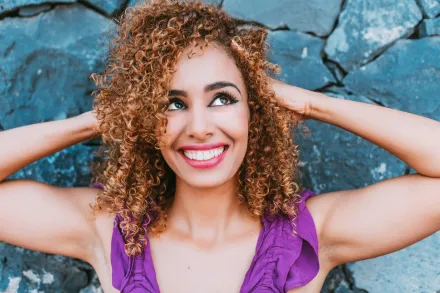
Curly hair exists as a living, breathing texture that tells a story of movement and moisture. It is shaped by the way the keratin fibers coil and how the cuticle lays over them, creating a surface that can sparkle in the light and yet be vulnerable to frizz and dryness. The journey of caring for curls begins with recognizing that curls are not just small versions of straight hair; they are a different structure with distinct needs. This difference is influenced by porosity, which describes how easily the hair shaft accepts and releases moisture, and by elasticity, which governs how well curls spring back after being stretched. An awareness of these factors helps in selecting cleansing products that respect the hair’s unique balance, and in crafting a care routine that supports healthy curl formation rather than flattening or fraying the pattern. Understanding that curls respond to humidity, product layering, and scalp health creates a foundation for a routine that protects natural bounce and shine while minimizing trouble spots like frizz and dullness.
Curly hair tends to be drier at the ends and moister at the scalp, where natural oils have a shorter distance to travel. This distribution makes the choice between cleansing methods particularly important, since frequent washing can strip away essential oils, while infrequent washing can allow buildup that weighs curls down and dulls their definition. The locks themselves carry moisture differently depending on their diameter and curvature, so a routine that is gentle, consistent, and tailored to the individual curl pattern tends to yield the most harmonious results. When the hair is treated as a living sculptural material rather than a uniform strand, it becomes easier to avoid aggressive techniques and instead employ practices that respect the hair’s natural curl power. In practice, this means listening to how the curls respond to water, products, and styling methods, and adjusting the approach with patience and curiosity rather than applying a one size fits all solution.
Washing and cleansing: finding the right balance
For many curl lovers, cleansing becomes a delicate act because it marks the boundary between removing impurities and stripping away the moisture that curls need to stay soft and resilient. The ideal routine often embraces a gentle cleansing or even culinary-like approach to cleansing, where cleansing agents are chosen not for aggressive cleansing power but for how they interact with the hair’s moisture barrier. Sulfate free shampoos or cleansing conditioners can offer a milder experience that preserves oils at the scalp while removing buildup on the lengths. In some cases, co washing or conditioner washing becomes a practical method to keep the hair consistently hydrated, especially in humid climates or during extended periods of heat exposure. The key is to observe how your curls feel after washing: if they still feel dry, heavy, or tangled, it may be a sign to adjust the product choice, reduce wash frequency, or introduce a lighter cleansing step that targets the scalp without compromising the moisture in the lengths. The scalp itself benefits from a gentle massage and a clean balance that encourages healthy sebum production, which in turn supports the entire strand’s health and curl pattern.
While cleansing, attention to technique matters as much as product. Gentle massaging with fingertips, rather than aggressive scratching, helps distribute oils without roughing up the cuticle. Rinsing with cool to lukewarm water can help seal the cuticle slightly and promote a smoother surface for the next steps. After cleansing, a light conditioning ritual on the lengths reinforces moisture without overwhelming the scalp with product. The transition from cleansing to conditioning is one of the most important moves in a curly hair routine because it sets the stage for the hair to hold moisture through the day or the night. Observing how the curls respond to different rinse temperatures and to varying levels of product residue can build a personal map of what works best in what climate, keeping moisture steady and frizz at bay.
Moisture and hydration as a cornerstone
Moisture is the lifeblood of curls, and maintaining it requires a careful balance of hydration, occlusion, and occasional sealing. After cleansing, a rich conditioner applied from mid lengths to the ends helps to restore the natural moisture reservoir that curls rely on to hold their shape. The ideal conditioner for curly hair tends to be creamy and emollient, with ingredients that bring lasting slip and barrier protection without weighing the curls down. A leave-in conditioner can then be introduced to provide ongoing hydration and to create a soft, pliable canvas for styling. Depending on the porosity of the hair, humectants like glycerin or honey may attract moisture from the air on humid days, whereas in very dry environments, humectants should be monitored to prevent the hair from feeling overly dry when humidity drops. A well-chosen oil or butter can seal the cuticle and lock in moisture after applying the conditioner, supporting frizz control and curl definition. The combination of moisture providers and sealants creates a protective microclimate around the strand that allows curls to bounce with energy while resisting breakage during handling and styling.
In addition to conditioning, the frequency and intensity of moisture application should be tuned to the climate and to the individual hair’s response. Some curls flourish with a heavier leave-in product and a careful oil layer, while others benefit from lighter hydration that avoids weighing the curl down. The aim is to establish a consistent moisture baseline that prevents the cuticle from becoming parched in dry weather and that allows the curls to interpret humidity in a positive way rather than turning into a frizzy mesh. Hydration routines that emphasize scalp-friendly products and avoid overloading the lengths with heavy substances tend to produce the most balanced curl pattern. Regular conditioning and mindful sealing help curls retain their natural sheen and reduce tangling, making detangling easier and less stressful for the shaft.
Detangling techniques that protect the cuticle
Detangling is arguably the most delicate moment in a curly hair regimen because it has the potential to either preserve or disrupt curl integrity. A gentle approach that respects the hair’s natural tangling tendency can prevent breakage and minimize friction that leads to frizz. When detangling, many curl specialists recommend working on damp, conditioned hair with a wide-tooth comb or the fingers, starting from the ends and gradually moving toward the roots. The idea is to ease knots apart in small, manageable sections rather than tugging through tangles aggressively. A detangling spray that provides slip can be a useful ally, helping to reduce friction and protect the cuticle as you work. It is important to be mindful of the order in which you detangle, because detangling from scalp to ends can sometimes introduce more tension near the roots. Instead, allowing the mid-lengths to act as a bridge for the detangling process helps to minimize stress on the overall curl pattern and can preserve the curl’s natural ringlets and bounce over time.
Patience becomes a virtue in detangling because rushing through the knots can contribute to snapped strands and dull, uneven curl shapes. A practical habit is to divide the hair into sections and treat each section with care, ensuring that products are evenly distributed to facilitate slip. For very tight curls, the use of a detangling brush designed for wet hair can help reduce the force required, but it should be used with gentle strokes and not as a blunt instrument to yank through tangles. For those who prefer finger detangling, the technique can be transformative when combined with a satin or silk pillowcase to reduce friction during sleep, thereby keeping detangled curls intact for longer periods. The ultimate goal is a smooth glide through the hair that preserves the natural curl pattern while minimizing breakage and shedding, turning detangling into a routine step that strengthens the bond between the hair and the care products used.
Styling approaches that honor curl patterns
Styling curly hair is a creative expression of the hair’s natural texture, not a battle over it. The most effective styling often means embracing the existing curl pattern and guiding it rather than forcing it into a uniform shape. The use of light styling products that offer hold without stiffness helps curls retain softness and bounce. Techniques such as scrunching during the product application, while the hair is still damp, can encourage curl formation and define individual ringlets without causing crunchy textures. For many curl types, a mid-length hair technique of applying products in small sections helps ensure even distribution and minimizes patchy results. The goal is to achieve consistent curl definition and separation that reads as a natural, effortless look rather than a manufactured one. Protective layers, such as a light gel or a flexible cream, can help hold the curl in place through the day while allowing movement and shine, which remains a key measure of healthy curls. When the humidity rises, having a bit more hold can prevent frizz without sacrificing the hair’s inherent softness, and in drier conditions, lighter products often prevent buildup while offering essential definition and sheen.
Texture and curl pattern are highly individual, so it is valuable to experiment with product layering and application methods. Some people discover that applying a leave-in conditioner first, followed by a stylizing cream and a subtle oil, yields a defined yet flexible curl pattern. Others prefer a water-based styling gel to maximize hold with a lighter feel. The most important rule is to check for product build-up and adjust accordingly, since too much product can weigh curls down and trap humidity, which leads to frizz. A balanced approach that respects the curl’s natural movement tends to deliver the most pleasing results, allowing curls to perform with vitality and ease rather than struggle under heavy or incompatible products.
Drying methods: air drying versus diffusion
The way curls dry can influence their final shape and texture just as much as the products chosen. Air drying on a microfiber towel or a soft cotton T-shirt can help minimize friction and frizz, while a diffusion method with a low heat setting can gently encourage curl formation and allow the pattern to set without excessive shrinkage. The choice between air drying and using a diffuser depends on lifestyle, climate, and the specific curl pattern. In many cases, air drying without direct heat preserves moisture and helps curls settle into a natural shape, recapturing volume and elongation as they dry. When diffusion is used, it should be at a moderate speed and with cool or low warmth to prevent heat damage, which can compromise elasticity and cause frizz. The timing of drying is also significant; allowing the hair to dry to about eighty to ninety percent before finishing with air drying or a cooler diffuse can help curls maintain their act of springing back into place rather than collapsing inward as moisture leaves the shaft too quickly. The result is a lively, bouncy set of curls that captures light and moves with the body in a graceful, effortless way.
Observing the hair’s reaction to different drying strategies helps refine the routine over time. Some days may call for a soft air dry that preserves moisture and growth, while other days may benefit from a light diffusion to direct curl formation after applying a styling product with hold. The key is to avoid excessive heat and to maintain an environment that supports the hair’s natural moisture balance, especially in rooms with dry air or strong air conditioning. With consistent practice, it becomes possible to tailor the drying method to the curl’s mood, climate, and activity level, ensuring that the final look remains healthy, defined, and full of life.
Protective styling for longevity
Protective styling serves as a shield against daily wear and tear, helping curls retain moisture and reducing mechanical damage from friction, brushing, and environmental exposure. Protective approaches can include loose braids, twists, or updos that keep ends tucked away and protected from the worst of the sun, wind, or cold. The aim is not to constrict the curl, but to create a gentle cage that reduces tension on the most vulnerable areas of the hair. During protective styling, it is important to avoid styles that pull on the hairline or create tension on the scalp for extended periods, because the goal is to support long-term health rather than achieve a single momentary aesthetic. Occasional breaks from protective styles give the hair a chance to breathe and rehydrate, which is essential for maintaining a healthy cycle of moisture and elasticity. Even when wearing protective styles, the use of a lightweight leave-in and a small amount of oil at the ends can help prevent dryness and keep the curl pattern intact while still allowing for comfortable movement and natural shine. The overall philosophy is to shield curls from excessive stress while preserving their natural beauty and resilience, enabling curls to recover fully between styling sessions and to participate in the rhythm of daily life with vitality.
Sleep care: protecting curls through the night
Nighttime care is often overlooked, yet it is one of the most important opportunities to preserve moisture and reduce friction. A satin or silk pillowcase helps minimize friction against the hair shaft, which translates into fewer breakages and less frizz in the morning. Wrapping curls in a soft scarf can also offer protection while allowing the hair to retain its moisture and shape. For some curls, loosely tying the hair with a gentle scrunchie in a high or low ponytail reduces movement and breakage without pressing on the scalp, especially if the hair is damp. A lightweight leave-in conditioner or a small amount of oil applied to the ends before bed can seal moisture and keep the curls ready for the next day, reducing the need for aggressive rehydration in the morning. The ultimate aim is to create a calm sleep environment that honors the hair’s need for moisture, gentle handling, and minimal mechanical stress, so that the curls wake up with fewer tangles and more defined texture.
In addition to material choices, sleep routines can influence morning outcomes. Limiting the use of heavy products before bedtime and opting for products designed for overnight use can help curls maintain a comfortable texture while resisting dryness. It is also helpful to avoid heavy hats or tight headwear at night, which can flatten curls and create crumpled patterns upon waking. By prioritizing a sleeping environment that emphasizes softness and moisture retention, a person with curly hair can reduce morning detangling time and keep the curls healthy, vibrant, and well defined for daily wear.
Common issues and practical solutions
Frizz, shrinkage, buildup, and dryness are familiar challenges in the world of curly hair, but they can be managed with a thoughtful routine that respects the hair’s needs. Frizz often appears when the cuticle is raised or when the hair is exposed to humidity without adequate moisture. A combination of lightweight conditioning, careful sealing, and a touch of a defining product can help the surface lie flat and reflect light more evenly, giving a smoother appearance. Shrinkage is a natural part of curls as they react to water and air; learning to embrace it or harness it through strategic layering can lead to a more controlled and intentional silhouette. Buildup can come from heavy products, minerals in water, or environmental pollutants, and addressing it may involve periodic clarifying steps using a gentle, sulfate-free cleanser or a clarifying conditioner that resets the moisture balance. Dryness tends to return in harsh weather or after experimental product choices, so reintroducing a robust conditioning routine, avoiding high pH detergents, and protecting the ends with oils or creams can reestablish hydration. The goal is to recognize patterns and adjust the regimen to keep curls resilient and lively, even when outside conditions shift and challenge the hair’s moisture balance.
Another recurring issue is uneven curl formation, where some sections seem defined while others fall flat. That can be a signal to adjust product distribution, increase the use of a styling cream on the mid lengths, or modify the drying technique to help the curls set uniformly. Providing consistent moisture and enabling the hair to set with a natural pattern often reduces the appearance of unevenness over time. Experimentation, patience, and gentle handling are essential ingredients in resolving these challenges, and a routine built on observation rather than impulse yields the most sustainable improvements for curly hair health and beauty.
Product ingredients to look for and avoid
When selecting products, ingredients play a central role in how well curls respond and how long they stay hydrated without becoming weighed down. Look for moisturizing agents such as glycerin in moderation, natural oils like argan or jojoba that harmonize with the hair’s natural lipid layer, and conditioning polymers that promote slip and detangle with efficiency. Silicones can provide a barrier against moisture loss and add gloss when used sparingly, but heavy silicone formulas may accumulate over time and require a gentle cleanse to prevent buildup. For many curls, humectants that balance moisture from the air can be helpful in humid climates, while in very dry environments, reducing humectant concentration or pairing it with a strong sealant can prevent excessive moisture loss. Protein in moderate amounts can support elasticity, but too much protein may lead to stiffness, especially in fine curls. Reading labels and aligning ingredients with personal tolerance and climate helps in selecting products that support curl health rather than create friction between strands. The path to a dependable routine is paved with products whose ingredients complement the hair’s needs without overwhelming it, delivering a soft, defined outcome that endures through daily activity and environmental exposure.
It is useful to track how different formulas feel as they interact with your hair. A product that leaves a clean, hydrated glow may be favorable, while one that leaves a waxy film or heavy residue may point to the need for adjustment. The goal is to curate a toolbox of products that work in concert to maintain moisture, define curls, and protect the hair from damage. By keeping a mindful eye on ingredients and how the hair responds to them, a person with curls can build a robust, sustainable routine that yields consistent results and long-term health.
Building a personal routine: a practical framework
A well-crafted routine is a living document that grows with the person and with the hair. The process begins with listening to how the curls respond to different cleansing, conditioning, and styling choices. A practical framework can start with a gentle cleanse, followed by a nourishing conditioner, a leave-in product for ongoing moisture, and a light sealant to lock in hydration. Styling should be approached with patience and a willingness to adjust the amount and distribution of products, while drying should be tailored to the curl pattern and climate. Sleep and protection become second nature when included as part of a daily cycle, and seasonal adjustments can help maintain consistent health. The routine evolves as experience reveals how the hair adapts to humidity, temperature, and activity level, yielding a tailored regimen that minimizes damage and maximizes curl vitality. The objective is a routine that feels almost automatic, yet remains flexible enough to accommodate changes in weather, lifestyle, or personal preference, delivering reliable, healthy curls that move with confidence and ease.
In this personalized framework, routine is not a rigid script but a flexible map. It invites experimentation with different products and applications while keeping a clear eye on moisture balance and curl pattern. The practice of documenting what works, what does not, and how the hair looks and feels after each change creates a feedback loop that sharpens intuition and enhances outcomes. The best routines are those that persist through time, allowing the hair to respond with consistent definition, shine, and resilience rather than fluctuating wildly with every new product or method. With commitment and mindful observation, the journey toward healthier curls becomes a steady, enjoyable exploration rather than a series of trial and error choices.
Seasonal care and climate adaptions
Seasonal shifts have a strong influence on curly hair because humidity, temperature, and air quality change how the hair loses or gains moisture. In warm, humid months, the hair may respond well to lightweight products that offer hold without heaviness, enabling curls to maintain bounce while resisting frizz. In dry or windy conditions, richer moisturizers and sealing oils can prevent moisture loss and protect the ends from becoming brittle. The sun and outdoor exposure can also encourage dryness and color fading, so adding UV protection and an extra conditioning step can help preserve health and color. Even indoor environments become variables to consider, as heating systems and air conditioning can reduce ambient humidity and dry the hair. Adjusting the routine to accommodate these changes—by tweaking moisture levels, changing the timing of wash days, or shifting from lighter to richer products—helps preserve curl integrity and minimizes the discomfort associated with dryness or frizz. The aim is to maintain a sense of consistency across the year while listening carefully to the hair’s responses to the changing environment, ensuring that curls remain vibrant and manageable regardless of season.
As seasons shift, it can be helpful to develop a flexible plan that includes a rehydration step following outdoor exposure and a potential adjustment to the frequency of washing to accommodate seasonal oils and sweat. The combination of thoughtful product choices and adaptive routines lets curls respond gracefully to weather patterns and lifestyle demands, offering a sense of continuity and control that reduces stress and confusion. The result is curls that hold their shape, stay soft, and retain their health through the ups and downs of seasonal change, continuing to look and feel their best throughout the year.
Maintenance mindset: long-term health for curls
Beyond products and techniques, a maintenance mindset fosters lasting curl health. This means prioritizing regular trims to prevent split ends from migrating up the shaft, protecting hair from mechanical stress during brushing or styling, and giving the curls time to rest between aggressive styling sessions. It also means acknowledging that hair health is influenced by nutrition, sleep, and overall wellness, since the scalp and hair shafts respond to the body’s internal balance. Adequate hydration, a balanced diet rich in proteins and essential fatty acids, and a consistent sleep schedule all contribute to the quality of the hair strand. By treating curls with patience and care, a person can cultivate a routine that not only improves appearance but also strengthens the hair from within, reducing breakage and enhancing resilience over years. The discipline of a thoughtful routine becomes a companion on the journey to consistently vibrant, healthy curls that feel as good as they look and move with confidence in every situation.
Final notes on embracing your curls
Ultimately, curly hair invites a relationship of ongoing discovery where patience and observation replace trial and error as the primary tools of improvement. Each curl pattern holds a story about moisture, elasticity, and memory, and each day offers a chance to nurture that story through mindful cleansing, conditioning, styling, and protection. By honoring the hair’s need for gentle handling, balanced moisture, and seasonal adaptability, the journey becomes not a chore but a daily ritual of care that yields visible rewards in texture, shine, and resilience. The aim is simple yet profound: to listen to the hair, respond with kindness, and let the curls express their natural beauty in a way that feels effortless and true to the individual you are.
Sustaining healthy curls for the long term
With a stable foundation of moisture, careful detangling, protective styling, and a flexible approach to cleansing and drying, curls can thrive across years and seasons. The long view is built on consistency rather than dramatic shifts, with small adjustments that reflect changes in climate or daily life. A sustainable routine respects the hair’s architecture and life cycle, acknowledging that curls require nourishment, gentle management, and a pause for rest. When this mindset guides decisions, curls respond with increased elasticity, stronger strands, and a healthy, natural sheen that speaks to a happiness shared between hair and its caretaker. The result is a harmonious balance where routine and individuality meet, producing curls that are resilient, luminous, and expressive in every moment of daily life.