In modern life, stress becomes a constant companion for many people, shaping mood, sleep, appetite, and overall well-being. Reflexology, a practice rooted in ancient systems of holistic health, proposes that stimulating specific points on the feet, hands, or ears can influence the body's reflex networks and promote a balanced physiological response to stress. This article explores how reflexology fits into stress management, how it is practiced in various settings, what mechanisms are proposed by practitioners and researchers, and how individuals can integrate reflexology into a broader toolkit of self-care, resilience, and humane care for nervous system regulation. By examining historical perspectives, current practices, and practical applications, we can appreciate how a seemingly simple therapeutic touch might contribute to a calmer body and a clearer mind in the presence of persistent demands and emotional strain.
The experience of stress is not merely a momentary feeling of pressure; it engages a complex network of signals that travel through the nervous system, hormonal pathways, and physical responses. When a person encounters stress, the body often activates the sympathetic branch of the autonomic nervous system, sometimes described as the fight‑or‑flight response. Heart rate can accelerate, muscles tense, breathing may become shallow, and attention tightens around perceived threats or challenges. Reflexology approaches stress relief through a different lens. It treats the body as an integrated map, where stimulation of specific peripheral points is believed to send messages that influence central regulatory processes. Although the exact anatomical pathways remain the subject of ongoing research, many therapists and clients report that reflexology sessions create a sense of release, improved sleeping patterns, and a heightened sense of calm that seems to extend beyond the moment of touch. This experiential quality is often cited as a practical benefit for people seeking nonpharmacological means to manage stress and its emotional companions such as anxiety and irritability.
Understanding the reflexology map and the science behind it
Reflexology rests on the idea that the feet, hands, and ears host zones that correspond to different organs, glands, and bodily systems. The practitioner uses precise pressure to stimulate these zones, guided by a map that links to structures such as the adrenal glands, the liver, the diaphragm, and the nervous system. While the traditional maps vary across schools and cultural backgrounds, the common thread is the belief that targeted touch can promote relaxation, digestive balance, and improved energy flow. From a scientific standpoint, the physiological effects of reflexology are often described in terms of somatosensory input, autonomic modulation, and neuroendocrine influence. When someone receives intentional touch that feels safe and soothing, the brain may respond by dampening the perception of threat and decreasing muscle tension, a process that can facilitate a shift toward parasympathetic dominance. In this way, reflexology can be viewed as a complementary practice that supports the body’s own regulatory mechanisms rather than as a stand‑alone cure for stress-related conditions.
Practitioners emphasize the experiential nature of reflexology, acknowledging that the most meaningful changes may occur through the person’s subjective experience of relief and restoration. The practice often incorporates mindful breathing, steady pacing, and attention to the client’s cues, creating an interface where touch becomes a bridge between physical sensation and emotional regulation. Some clients notice improvements in sleep quality, mood stability, and daytime focus after regular sessions, while others experience shorter-term benefits that contribute to a more resilient baseline during periods of heightened demand. Although not every study demonstrates dramatic outcomes, there is a growing interest in how reflexology can be integrated with conventional stress management approaches to offer a more holistic path toward balance and well-being. The overall sense of reorientation that clients describe is often framed as a return to a calmer, more controlled nervous system state rather than a complete elimination of stressors from daily life.
Mechanisms and pathways theorized by practitioners
One commonly cited mechanism is the modulation of the autonomic nervous system through peripheral stimulation. By engaging sensory receptors in the feet or hands, the brain may recalibrate autonomic output, increasing parasympathetic activity that supports rest, digestion, and recovery. This shift can translate into slower breathing, reduced heart rate, and diminished muscle tension, which collectively make it easier to manage stress and recover from challenging experiences. Another proposed pathway relates to the release of endorphins and other neurochemicals that act as natural analgesics and mood modulators. Practitioners sometimes describe reflexology as a means to provoke a gentle, noninvasive form of physiological meditation, where attention to touch creates a safe space for the nervous system to unwind. The cumulative effect of repeated sessions may enhance an individual’s capacity to tolerate daily stressors with less reactivity, enabling a more measured response instead of impulsive or automatic reactions sparked by fear or overwhelm.
Moreover, reflexology can influence circulation and lymphatic flow, which in turn can affect energy distribution, nutrient delivery, and toxin elimination. While these effects can be modest and variable among individuals, they contribute to a broader sense of vitality that supports stress resilience. The practice often integrates a calm environment, consistent pacing, and a focus on breathing, all of which can synergize with the physical stimulation to create a multisensory opportunity for reset. From a therapeutic standpoint, reflexology serves as a nonpharmacological intervention that respects the body’s natural rhythms and emphasizes the importance of touch in human connection. This interpersonal dimension—feeling seen, touched with intention, and held in a supportive space—can itself be a powerful antidote to chronic stress, isolation, and the pressures of modern life.
Evidence from clinical research and practical considerations
Clinical research on reflexology’s impact on stress has produced a spectrum of findings, with some studies indicating reductions in perceived stress, improvements in sleep quality, and modest changes in physiological indicators such as heart rate variability. Yet the research is often heterogeneous in design, sample size, and outcome measures, which makes it challenging to draw definitive conclusions about efficacy. Critics point to methodological limitations, including small sample sizes, lack of blinding, and varying practitioner techniques. Supporters, however, emphasize the experiential and subjective dimensions of relief that clients report, arguing that stress management is not merely about objective numbers but about how a person experiences and copes with daily demands. When reflexology is offered as part of a broader, client‑centered plan—combining education, breathing practices, physical activity, sleep hygiene, and social support—the potential benefits may multiply through a cooperative and empowering process rather than a single intervention alone.
In clinical settings, reflexology is frequently used as an adjunct to conventional therapies rather than a replacement. It is important to consider contraindications and individualized care, as foot conditions, circulatory issues, pregnancy, or recent surgeries may influence what is appropriate during a session. Practitioners typically begin with an intake that identifies stress triggers, lifestyle patterns, and goals, using this information to tailor the session. Some clients prefer shorter, lighter touch for acute tension, while others seek longer, deeper work for chronic muscle tightness. Insurance coverage, availability, and the therapist’s training level also shape how reflexology is implemented in real world contexts. Despite variability, many people find reflexology to be a welcoming entry point into a broader conversation about stress, with the potential to build self‑awareness and a sense of agency in managing daily pressures.
Practical applications: session structure, duration, and client experience
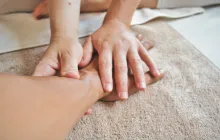
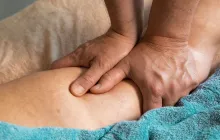
A typical reflexology session begins with a warm welcome, a brief check‑in about how stress is felt in the body, and a concise overview of what the client hopes to achieve. The practitioner may invite the client to lie down or sit comfortably, ensuring the environment is quiet, clean, and reassuring. A session lasting thirty to sixty minutes often focuses on key reflex zones associated with the nervous system, the digestive tract, and regions linked to relaxation responses. The pace is deliberate and attuned to the client’s breathing and feedback, with pauses to allow information to metabolize and sensation to settle. Many clients describe a gradual sense of warmth and lightness as the work progresses, followed by periods of slowed thinking or a softening of worry thoughts. The effect is frequently described as a kind of emotional and physical “reset,” in which the body’s systems recalibrate toward a baseline of steadiness that persists beyond the treatment table.
Breath awareness is commonly integrated into the session, guiding the client to observe inhalations and exhalations and to use the rhythm of breath as a companion to touch. This combination of touch and breath can help to shift attention away from distressing thoughts and toward bodily sensations that are useful anchors for calming the nervous system. Some practitioners incorporate gentle stretching, mindful visualization, or supportive reassurances to reinforce a sense of safety. After the session, clients are often encouraged to drink water, rest for a moment, and reflect on any sensations, emotions, or thoughts that emerged. This reflective phase can help individuals connect the tactile experience of reflexology with their broader self‑care goals, such as reducing nighttime awakenings, improving daytime focus, or diminishing the intensity of afternoon stress spikes.
Integrating reflexology with broader stress management strategies
Reflexology does not stand alone as a solution for chronic stress, but it can be a powerful component of a comprehensive approach to well‑being. When combined with mindfulness practices, cognitive strategies for reframing stressors, regular physical activity, and good sleep hygiene, reflexology can contribute to a resilient nervous system. A practical approach might involve scheduling regular sessions as a maintenance practice during demanding life periods, while also engaging in daily routines that reinforce calm states. For example, short, technique‑driven self‑soothing routines, such as breathing exercises and gentle foot massage, can extend the benefits of professional reflexology between sessions. Clients may also benefit from journaling about their stress patterns, identifying triggers, and noticing how sensitivity to cues changes as reflexology is incorporated into their life. The synergy created by combining touch, awareness, and lifestyle choices can foster a sense of mastery and continuity that strengthens emotional regulation and reduces the intensity and duration of stress responses.
Beyond the individual, reflexology can be used in group settings as part of workplace wellness programs, community health initiatives, or supportive care in clinical environments. When delivered with professional standards, reflexology sessions can contribute to a culture that values calm, presence, and compassionate care. In these contexts, the practice helps to create spaces where people feel cared for and heard, which in itself can blunt the corrosive effects of chronic stress. The social aspect of receiving care and giving attention to one’s body can reinforce the belief that stress can be managed with practical tools and supportive relationships. Although each person’s response to reflexology will be unique, many report that the experience fosters a renewed sense of energy and an increased capacity to approach daily tasks with patience rather than haste, ultimately reducing the cumulative burden that stress often imposes over time.
Self‑care, home practice, and accessibility
One attractive aspect of reflexology is its potential for accessibility and empowerment through self‑care. While professional sessions provide a skilled and guided experience, individuals can learn basic reflexology principles to use at home as a supplementary routine. Simple, respectful techniques such as warming the feet, applying gentle pressure to comfortable zones, and coordinating touch with slow, diaphragmatic breathing can be practiced by many people with minimal equipment. Home practice can offer a sense of control, particularly during periods of high stress when seeking relief quickly and privately. It is important, however, to approach self‑care with curiosity and patience, recognizing that mastery develops gradually and that some techniques require professional guidance to avoid discomfort or injury. For those who may have conditions such as neuropathy, circulatory disorders, or foot injuries, consulting a qualified reflexology practitioner is advisable, as they can tailor the approach to individual needs and ensure safety throughout the process.
Access to reflexology varies across communities and health care systems, yet growing interest in complementary and integrative health keeps expanding opportunities for education and training. Some practitioners offer sliding scale fees, community workshops, or online resources that demystify reflexology while underscoring the importance of informed consent and personal boundaries. In addition, reflexology education often emphasizes safety, hygiene, and ethical practice, which helps build trust between clients and therapists. As people become more aware of the mind‑body connections that shape their responses to stress, reflexology can be presented as a compassionate, client‑centered option that respects individual preferences, cultural values, and personal healing journeys. This openness to diverse experiences contributes to the practice’s resilience and its appeal to a broad audience seeking balance in a fast‑paced world.
Cultural perspectives, ethics, and cautions in reflexology practice
Reflexology sits at the intersection of several cultural health traditions, drawing on holistic views of the body and energy flow found across many societies. This cultural richness informs both the philosophy and the technique of reflexology, reminding practitioners to honor diverse beliefs about healing while offering evidence‑informed care. Ethical practice in reflexology involves clear communication about what the modality can and cannot do, informed consent, respect for boundaries, and sensitivity to the client’s comfort levels during touch. Practitioners are encouraged to maintain professional standards, document sessions appropriately, and refer clients to medical care when needed, particularly if stress symptoms accompany other health concerns or if there is uncertainty about underlying conditions. Acknowledging cultural contexts helps reflexology become a respectful, inclusive form of care that supports stress management without diminishing the client’s agency or autonomy.
As with any form of bodywork, safety considerations are essential. Individuals with acute injuries, fractures, skin conditions on the feet or hands, circulatory problems, neuropathy, pregnancy, or infectious diseases may require adaptations or contraindications for reflexology. A careful intake process and ongoing communication ensure that sessions remain comfortable and appropriate for each person. While reflexology can be a soothing and uplifting experience, it is not a substitute for medical evaluation when mental health symptoms are severe or persistent. Integrating reflexology with professional mental health care, medical treatment, or counseling can provide a well‑rounded approach to stress management that respects the person as a whole and honors the multiple layers of well‑being involved in daily life.
In summary, reflexology offers a thoughtful and compassionate approach to stress management that centers on the body’s capacity to regulate itself through mindful touch and thoughtful care. While scientific research continues to refine our understanding of the precise mechanisms at work, the practical benefits observed in many clients point toward a meaningful role for reflexology as part of a broader strategy to cultivate calm, resilience, and vitality. The practice invites individuals to slow down, listen to their bodies, and explore ways to regulate stress with tools that honor the interconnectedness of physical sensation, emotional experience, and everyday living. Through consistent application, reflective learning, and integration with other healthy habits, reflexology can contribute to a steadier nervous system, deeper relaxation, and a renewed sense of well‑being that supports people in meeting life’s demands with greater ease and presence.