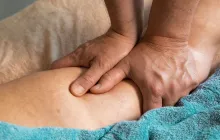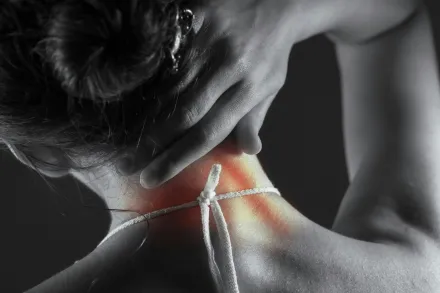
Reflexology is a complementary practice that rests on the idea that the feet, hands, and ears mirror the body and that applying targeted pressure to specific reflex points can influence overall health and pain perception. Practitioners describe reflex zones that correspond to organs, systems, and physiological processes. From a historical perspective, reflexology emerged from ancient traditions and has evolved into a modern therapy that is used worldwide in wellness clinics, spa settings, and integrated healthcare programs. In pain management contexts, reflexology is typically presented as an adjunct approach intended to reduce perceived pain, improve function, and support coping strategies by addressing stress, tension, and neural responses. The practice emphasizes a careful, client-centered approach that respects safety, consent, and the individual's unique pain experience. According to many practitioners, pain cannot be viewed in isolation from emotion, sleep, and daily life activities, and reflexology aims to create a supportive environment in which these interconnected aspects can be addressed through mindful touch and consistent sessions.
Overview of the practice and its theoretical foundations
Reflexology is built on the idea that the body is interlinked through a network of reflex zones. These zones are thought to channel influence from the skin, nerves, and connective tissues to the broader physiologic systems. In practice, therapists use precise finger and thumb techniques to apply pressure along the curves and points of the feet, hands, and sometimes ears. While the exact mechanisms remain a subject of debate within the scientific community, clinicians who integrate reflexology into pain management frequently emphasize the role of nervous system modulation, local tissue responses, and psychological factors such as relaxation and perceived control. The theoretical framework suggests that stimulating specific reflex points may activate neural pathways that lead to changes in autonomic balance, hormone release, and inflammatory signaling. In daily care, reflexology is often framed as part of a holistic approach that values patient comfort, meaningful communication, and the creation of a therapeutic alliance that supports ongoing assessment and adaptation to pain experiences.
Within this framework, the practitioner’s touch is not merely mechanical; it is designed to be attuned to the client’s responses and preferences. The process often begins with a conversation, followed by a careful assessment of areas of tension, sensitivity, and functional limitations. The hand and footprint maps that guide a reflexology session are used as reference points rather than rigid prescriptions, because individual physiology and pain patterns vary widely. In many cases, reflexology is integrated with other supportive modalities such as education about stress management, breathing techniques, and gentle range-of-motion activities. This integration reflects a modern understanding that pain is multifaceted, influenced by physical input, emotional state, sleep quality, nutrition, and social context. The objective is not to replace conventional pain treatments but to complement them by enhancing well-being, reducing stress, and potentially lowering the subjective intensity of pain experienced by the patient.
Critically, practitioners emphasize consent, safety, and tailoring the session to the client’s tolerance. A respectful pace, clear explanations, and responsiveness to discomfort are regarded as essential components of effective reflexology care. The hands-on technique itself can foster a sense of grounding and body awareness, which may help individuals reinterpret pain signals and regain a sense of agency. In academic terms, reflexology is often described as a gateway intervention that influences the brain–body axis and thereby contributes to modulation of pain perception, mood, and coping mechanisms. Although researchers continue to explore the precise pathways, clinical reports highlight consistent themes of enhanced relaxation, diminished muscle tension, and improved sleep following regular reflexology sessions, all of which can contribute to a more favorable pain trajectory for some individuals.
Physiological mechanisms proposed for pain modulation
Several physiological mechanisms are proposed to explain how reflexology might modulate pain. One common notion is that targeted stimulation of reflex points can activate sensory afferents that converge on spinal circuits, thereby engaging endogenous analgesic processes such as endorphin release and serotonin signaling. This aligns with the gate control theory of pain, which posits that non-nociceptive input from touch can dampen the transmission of pain signals at the spinal level, reducing the perception of pain. In practical terms, a reflexology session can produce a relaxation response characterized by lowered heart rate, reduced muscular tension, and a shift toward parasympathetic dominance. These autonomic changes can help break the cycle of pain amplification that is often driven by stress and hyperarousal, and they may also improve blood flow and tissue oxygenation in the extremities, which, in turn, can support tissue healing and metabolic waste removal.
In addition to neural and autonomic pathways, reflexology is thought to influence inflammatory processes through systemic effects mediated by the nervous system and endocrine outputs. Relaxation and reduced stress hormone levels can dampen sympathetic overactivity that commonly accompanies chronic pain states. Some researchers propose that repetitive, focused touch might modulate the hypothalamic-pituitary-adrenal axis, leading to more balanced cortisol patterns and improved sleep architecture. Better sleep has cascading benefits for pain management, including enhanced mood, greater pain tolerance, and improved daily functioning. While these mechanisms are plausible, it is important to note that direct causal evidence linking foot reflexology to specific biochemical changes remains limited, and the overall picture arises from a convergence of clinical observations, patient-reported outcomes, and theoretical models that connect nervous system function, endocrine regulation, and peripheral tissue health.
Another dimension involves the psychosocial aspects of pain. Pain is not a purely physiological sensation; it is experienced within a context of emotional response, attention, expectations, and social support. Reflexology sessions can offer a distraction from pain, opportunities for mindful breathing, and a soothing environment that fosters a sense of safety. This comfort can recalibrate pain appraisal by improving mood and resilience, which in turn can influence how pain is perceived and endured. Consequently, even in the absence of direct tissue-level changes, reflexology may contribute to a meaningful reduction in pain disability by enhancing a patient’s capacity to engage with daily activities and maintain a sense of normalcy. The integration of these mechanisms—neural gating, autonomic balance, endocrine regulation, tissue perfusion, and psychosocial buffering—helps explain why reflexology can be a valuable component of comprehensive pain management programs for selected individuals.
Evidence from clinical research
The clinical literature on reflexology and pain management encompasses a spectrum from qualitative reports of improved well-being to randomized controlled trials assessing pain intensity and functional outcomes. Systematic reviews often conclude that reflexology can produce small to moderate reductions in perceived pain and improvements in quality of life measures, particularly when added to standard care. However, the quality of evidence varies across studies, with many trials facing methodological challenges such as small sample sizes, heterogeneity in techniques, and limited blinding. Despite these limitations, accumulating clinical experiences indicate that reflexology is generally safe when performed by trained practitioners, and many patients report subjective improvements in relaxation, sleep, and day-to-day functioning that correlate with reductions in pain severity or pain-related interference with daily activities.
From a methodological standpoint, higher-quality trials tend to show more modest effects, suggesting that reflexology’s strongest contributions may lie in adjunctive roles rather than as stand-alone therapies. Trials that compare reflexology to sham or attention-control conditions often reveal smaller effect sizes, underscoring the importance of caregiver interaction, supportive presence, and therapeutic context. Nevertheless, there are noteworthy studies that demonstrate meaningful reductions in pain scores or disability indices for conditions such as chronic low back pain, osteoarthritis-related pain, and certain headache syndromes when reflexology is combined with conventional treatments like physical therapy or pharmacologic regimens. The pattern across reviews is consistent: reflexology appears to be a low-risk option with potential analgesic benefits, particularly when the patient values nonpharmacological strategies and seeks a holistic approach to pain management.
Researchers emphasize the need for standardized reporting of interventions, including the duration, frequency, pressure techniques, and the specific reflex maps used. They also advocate for longer follow-up periods to determine whether observed pain reductions persist beyond the treatment window and whether reflexology contributes to sustained functional gains. In clinical practice, the integration of reflexology within multimodal pain programs is increasingly common, with therapists coordinating with physicians, physical therapists, psychologists, and other health professionals to ensure that reflexology complements targeted rehabilitation goals and pain coping strategies. While more rigorous research is required to establish definitive effect sizes and mechanisms, the current evidence base supports the consideration of reflexology as a feasible, patient-centered option within a broader treatment plan for certain pain conditions.
Applications in specific pain conditions
Chronic low back pain is one of the most frequently reported conditions for which patients seek reflexology. Clinicians describe improvements in perceived pain intensity, muscle stiffness, and overall mobility following regular sessions, particularly when reflexology is part of a broader plan that includes physical activity and core strengthening exercises. In the context of osteoarthritis, foot or hand reflexology can be a complementary option to reduce pain flare-ups and improve joint function, especially when patients prefer noninvasive approaches or wish to minimize reliance on analgesics. For some individuals who experience tension-type headaches or migraines, reflexology may reduce the frequency and intensity of episodes, potentially through relaxation effects and improved autonomic balance. Neuropathic pain, post-surgical discomfort, and cancer-related pain have also been areas of interest, with case reports and small studies suggesting symptom relief and enhanced coping in certain scenarios. It is important to recognize that responses to reflexology are highly individual, and what helps one person may be less impactful for another. Clinicians therefore emphasize collaborative decision-making, careful monitoring of pain trajectories, and ongoing communication about goals and preferences.
In addition to musculoskeletal conditions, reflexology is sometimes explored in pediatric and geriatric populations, where the emphasis is often on comfort, sleep, and anxiety reduction rather than aggressive pain diminution. In these groups, reflexology can serve as a soothing modality that supports restfulness and daytime function, with attention to developmental considerations and caregiver involvement. Across the lifespan, the common thread is the focus on patient-centered care, respectful touch, and the recognition that pain experiences are embedded within broader physical, emotional, and social contexts. When integrated into a comprehensive care plan, reflexology may contribute to a more favorable pain experience by attenuating sympathetic arousal, promoting relaxation, and enhancing patients’ sense of self-efficacy in managing their symptoms.
Integration with conventional pain management
Optimal use of reflexology in pain management often involves collaboration with conventional medical teams. Reflexology is typically offered as a complementary option that respects evidence-based practices while providing an additional layer of support for patients. Healthcare providers may discuss reflexology as part of a multimodal strategy that includes pharmacologic treatments, physical therapy, cognitive-behavioral approaches, and lifestyle modifications. When appropriate, reflexology sessions can be scheduled to coincide with or follow physical therapy appointments, and therapists may coordinate with clinicians to adjust reflexology plans based on changes in pain levels, medications, or comorbid conditions. The aim is to harmonize reflexology with therapeutic interventions that address biomechanics, tissue healing, sleep quality, and emotional well-being. This integrated approach can help minimize patient burden by reducing the number of separate visits while maintaining a patient-centered focus on comfort and function.
From a patient perspective, reflexology can strengthen the sense of agency in pain management. The process often involves education about body awareness, the relationship between stress and pain, and practical strategies that people can apply in daily life, such as relaxation breathing, paced activity, and symptom journaling. Practitioners commonly encourage ongoing self-care routines, including periodic reflexology check-ins, to support sustained benefits. Medical professionals may also note changes in patient-reported outcomes, such as improved sleep, reduced anxiety, and greater engagement in rehabilitation programs, which can indirectly contribute to pain relief and better functional results. The key to successful integration is clear communication, mutual respect for each discipline’s strengths, and explicit attention to safety and contraindications when forming a care plan.
Clinicians emphasize that reflexology should never replace urgent medical evaluation for red flag symptoms or acute illnesses. It is essential to screen for conditions that require immediate attention, such as uncontrolled pain, signs of infection, or neurological deficits. In the context of chronic conditions, reflexology can be offered as a supportive measure, with careful documentation of outcomes and patient preferences. For individuals taking medications that affect sensation, blood pressure, or circulation, practitioners monitor responses during sessions and adjust pressure accordingly to avoid adverse effects. When performed by trained and licensed therapists, reflexology is generally well tolerated, and adverse events are rare and typically limited to transient discomfort, foot soreness, or temporary fatigue after a session. The responsible integration of reflexology into pain management rests on ongoing evaluation, informed consent, and a shared commitment to enhancing overall well-being as part of a comprehensive care strategy.
Safety considerations and contraindications
Safety is a central priority in reflexology practice. While the technique is generally considered safe for most adults, certain conditions require caution or avoidance. Individuals with active foot infections, ulcers, broken skin, severe edema, or recently undergone foot surgery should defer reflexology until medically cleared. People with profound neuropathy, vascular disorders, or peripheral arterial disease may require adapted pressure levels and closer supervision. Women who are pregnant, especially in early or late stages of gestation, should inform their reflexologist, as some points are traditionally approached with particular sensitivity. Individuals with bleeding disorders or those who use anticoagulant medications should discuss any potential risks and ensure that the session is conducted with appropriate gentleness. Safety considerations also extend to the clinical environment: clean instruments, hygienic handwashing, and respectful, consent-based touch contribute to a risk-minimized experience. Reflexologists typically maintain thorough client intake forms, update health histories, and communicate with the broader care team to ensure that services align with medical guidance and patient safety priorities.
From the standpoint of scientific inquiry, researchers advocate for standardized safety reporting and better documentation of adverse events. Although serious complications are rare, practitioners acknowledge the importance of continuous education, professional boundaries, and adherence to evidence-informed practices. In practice, the safest approach is to tailor sessions to the individual’s tolerance, monitor for any adverse responses, and adjust techniques, duration, and location of reflex points accordingly. This patient-centered caution helps preserve the therapeutic alliance and ensures that reflexology remains a supportive and respectful option within a comprehensive pain management plan.
Practical aspects of reflexology sessions
In a typical reflexology session, a trained practitioner begins with a friendly intake process to understand the patient’s pain history, current treatments, and personal goals. The session usually lasts about forty-five to sixty minutes, though durations can vary based on patient needs and tolerance. The environment is designed to be calm and comfortable, often featuring soft lighting, soothing music, and comfortable seating or reclining arrangements. The technique involves precise, rhythmic finger and thumb pressures along the reflex maps, with adjustments made in response to client feedback and observed signs of relaxation. Throughout the session, clients are encouraged to communicate about pressure levels, pain sensations, and any shifts in mood or energy. A good reflexology session integrates breath awareness and mindful listening, creating an opportunity for the patient to reconnect with bodily sensations in a nonjudgmental space.
Following a session, many clients report a period of rest, improved sleep, and heightened bodily awareness that can extend into the next day. Practitioners often provide aftercare guidance, including gentle self-massage techniques, hydration, and recommendations to pace activity, especially after a first trial period. Regular scheduling—such as weekly or biweekly visits over several weeks—may help consolidate benefits and support sustained pain management. The precise plan varies according to the individual’s pain condition, comorbidities, lifestyle, and preferences, but the overarching principle remains consistent: reflexology is most effective when it is integrated into a patient’s broader care pathway with clear, shared goals and open communication among the patient, reflexologist, and other healthcare providers.
Education also plays a role in practical reflexology. Clients learn about how stress, sleep, nutrition, and physical activity influence pain and how reflexology can support a more balanced nervous system response. In addition, many practitioners encourage clients to monitor changes in pain patterns, mood, and functional abilities across sessions, maintaining a simple self-report approach that helps track progress without overwhelming the patient. This practical, collaborative approach to reflexology fosters empowerment and helps individuals determine whether continued sessions align with their evolving pain management objectives. In sum, when delivered with skill, empathy, and professional standards, reflexology becomes a meaningful component of a comprehensive plan to reduce pain burden and enhance quality of life for many people.
Future directions and research gaps
Looking ahead, the field of reflexology and pain management is likely to benefit from research designs that emphasize standardized intervention protocols, rigorous outcome measures, and long-term follow-up. Improved reporting of session parameters, patient characteristics, and concurrent therapies would help clarify which subgroups respond most positively and under what circumstances reflexology offers the greatest value. Additionally, multidisciplinary trials that compare reflexology to other nonpharmacologic modalities or that evaluate reflexology as part of a multimodal program can shed light on its relative contributions to pain relief, functional improvement, and psychological well-being. Advances in neuroimaging and biomarker research may also illuminate potential pathways by which somatic touch modulates the central nervous system, though such work requires careful methodological planning and robust sample sizes to yield meaningful conclusions. Ethical considerations and patient-centered outcomes should remain central to research agendas, ensuring that findings translate into practical guidance for clinicians and patients alike.
From the perspective of clinical practice, continued professional education, credentialing, and standardized safety guidelines will help ensure high-quality care. The integration of reflexology into conventional care will benefit from clear communication channels among patients, reflexologists, and medical teams, as well as from patient education that respects cultural beliefs while presenting evidence-based information about benefits, expectations, and limitations. As healthcare systems increasingly emphasize holistic approaches to pain, reflexology may find a stable niche within integrative medicine, particularly for individuals seeking noninvasive, low-risk modalities that support relaxation, mood, and daily functioning. The evolving landscape invites practitioners to maintain patient-centered values, adapt to diverse needs, and pursue rigorous inquiry that enhances understanding while protecting safety and dignity for all participants in reflexology care.
In the final analysis, reflexology offers a compassionate, human-centered option in the broad spectrum of pain management strategies. Its strength lies not only in the potential for direct analgesic effects but also in its capacity to nurture resilience, comfort, and a sense of control over pain. For many people, these psychosocial benefits translate into tangible improvements in sleep, mood, activity tolerance, and daily engagement, which are essential components of a meaningful quality of life. The role of reflexology in pain management, then, is best understood as part of a nuanced, patient-guided approach that honors individual differences, respects medical oversight, and remains adaptable as scientific knowledge continues to evolve. Through thoughtful application, reflexology can contribute to a comprehensive, person-centered pathway toward reducing pain burden and supporting overall well-being.