Introduction to massage therapy in athletic recovery
In the world of competitive sport, recovery is not a luxury but a strategic imperative that translates into better performance, reduced risk of injury, and a longer athletic lifespan. Massage therapy has emerged as a versatile tool within the broader repertoire of recovery strategies, designed to address the body as a dynamic system that processes fatigue, microscopic tissue disruption, and the demands of high training loads. This introduction explains how massage fits into a holistic approach to athletic restoration, emphasizing the nuanced interplay between manual techniques and the physiological responses they evoke, as well as the psychological and perceptual dimensions that shape how athletes experience post exertion healing. Unlike general wellness massage, sports-oriented modalities are tailored to the specific characteristics of sport training, including the repetitive patterns of muscle activation, the common sites of microtrauma, and the timing of interventions in relation to training cycles, competitions, and return-to-play plans. The purpose of massage in this context extends beyond momentary relaxation; it seeks to enhance tissue quality, optimize circulation, and support nervous system regulation while respecting the individual variability that athletes bring in terms of anatomy, previous injuries, and pain thresholds. This framing helps to establish expectations about what massage therapy can reasonably contribute to recovery and how it should be integrated with rest, nutrition, hydration, sleep, and appropriate conditioning. As evidence accumulates across diverse sports and populations, professional practitioners increasingly adopt protocols that emphasize precision, communication, and monitoring, ensuring that massage remains a coherent component of evidence-informed care rather than a standalone remedy. In this sense, massage is best viewed as an adaptable ally that can complement movement-based therapies, manual therapy administered by clinicians, and time-efficient recovery practices that respond to the realities of training schedules and competition calendars while prioritizing long-term athlete health and performance sustainability.
Physiological mechanisms in recovery
Massage therapy influences recovery through a cascade of physiological processes that begin at the skin and connective tissues and extend into the vascular, nervous, and musculoskeletal systems. One primary mechanism is the modulation of blood flow and lymphatic drainage. Techniques such as long, rhythmic strokes and compressive kneading can stimulate vasodilation, increasing perfusion to strained muscles and facilitating the removal of metabolic byproducts like lactate and carbon dioxide. While the lactate hypothesis remains nuanced, the broader principle is that improved microcirculation sustains aerobic and anaerobic tissue metabolism during the postexercise period and enhances waste clearance, which can contribute to reduced perceived heaviness and soreness. The lymphatic system, often overlooked, plays a critical role in managing interstitial fluid and inflammatory mediators. Targeted manual work encourages gentle movement of lymphatic fluid, potentially reducing edema in edematous or inflamed tissues and supporting a more rapid restoration of tissue homeostasis. The biomechanical actions of massage also alter the viscoelastic properties of connective tissues, especially fascia, tendons, and muscle sheaths. Through sustained pressure and friction, therapists can influence fascial glide and adhesions, potentially improving tissue compliance and decreasing the mechanical impedance to movement. These mechanical effects are complemented by neurophysiological responses. Stimulation of cutaneous and subcutaneous mechanoreceptors can engage the body’s natural pain gating systems, reducing nociceptive signaling and altering the perception of pain and fatigue. In athletes, even modest reductions in pain perception can lead to more effective participation in practice and competition, promoting confidence in movement and enabling higher-quality training sessions. The autonomic nervous system is also implicated; relaxation and parasympathetic activation can lower heart rate and improve heart rate variability, providing a physiological milieu more conducive to recovery, sleep, and restoration of energy stores. In sum, massage therapy can support a multi-system recovery process by facilitating improved circulation and lymphatic flow, enhancing tissue quality, modulating pain, and promoting autonomic balance, all of which contribute to a more efficient transition from strenuous activity to baseline performance levels.
Tissue healing, inflammation modulation, and neuromuscular conditioning
Beyond immediate hemodynamic changes, massage therapy intersects with the biology of tissue healing in ways that align with the stages of recovery. In the early postexercise period, microtrauma is part of normal adaptation, triggering inflammatory processes that clear damaged cells and begin repair. Gentle massage can influence the local inflammatory milieu by affecting interstitial pressure, edema distribution, and the activity of immune cells in the affected tissues. While the inflammatory response is essential for healing, excessive or prolonged inflammation can impede the restoration of contractile function. Strategic massage aims to optimize this balance by promoting controlled fluid exchange and reducing excessive swelling in susceptible muscle groups, which in turn supports faster re-establishment of tissue integrity. As healing progresses, massage can facilitate remodeling of collagen fibers by managing mechanical loads and promoting better alignment of connective tissue. This is particularly relevant for athletes who experience repetitive strain or subtle tendon injuries, where improved fascial slide and tissue pliability may translate into less stiffness and greater tolerance to loading. A key neuromuscular consideration is the role massage plays in proprioception and motor control. By providing sustained, precise tactile input, therapists can help retrain the sensory nerves that inform the central nervous system about limb position and muscle tension. Improved sensory feedback supports better movement patterns, which is especially important during rehabilitation when athletes transition back to sport-specific activities. In this way, massage therapy becomes part of a broader strategy to recalibrate the neuromuscular system after fatigue, injury, or high-volume training, contributing to more robust performance outcomes and reduced risk of re-injury when combined with targeted exercise and movement re-education.
Impact on range of motion, flexibility, and performance readiness
Range of motion and functional flexibility are multidimensional constructs influenced by neural, muscular, and connective tissue factors. Massage therapy can contribute to improvements in passive range of motion by reducing muscle stiffness, myofascial restrictions, and localized scar tissue that may limit gliding between layers of tissue. For athletes engaged in sports requiring rapid acceleration, deceleration, and complex rotational movements, even modest gains in ROM can translate into more efficient technique and reduced compensatory strain in adjacent joints. The sensory effects of massage—diminished perceived effort and increased readiness—also play a role in performance psychology. When athletes feel physically prepared and experience less subjective fatigue after a massage session, they may approach training and competition with a more positive mental state, which can subtly influence decision-making, timing, and execution. It is important to recognize that ROM enhancements from massage are most effective when integrated with dynamic mobility work, sport-specific drills, and progressive loading that respects tissue tolerance. Massaging alone without subsequent movement and stabilization work is unlikely to yield durable functional gains. Therapists and coaches should coordinate to structure recovery sessions that transition from passive tissue manipulation to active mobility, strength, and neuromuscular control exercises, thus reinforcing the transfer from improved tissue quality to tangible performance readiness.
Techniques and modalities used in sports recovery
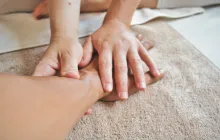
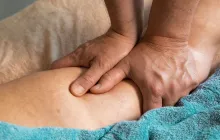
Sports recovery massage draws on a diverse toolkit, with practitioners selecting techniques based on the athlete’s goals, tissue state, and stage of recovery. Classic effleurage provides broad, soothing contact that facilitates initial relaxation and venous return, while petrissage involves deeper kneading that targets muscle fibers, knots, and adhesions. Friction techniques, applied transversely to a tissue, aim to break up cross-linked collagen and promote realignment of fibers during the healing process. Tapotement, with rhythmic percussion, can enhance arousal and stimulate sensory pathways in the early postexercise period, though intensity is carefully modulated to avoid aggravating sensitive tissues. Myofascial release focuses on the interconnected network of fascia that envelopes muscles and organs, seeking to restore glide and reduce adhesions that contribute to stiffness. Trigger point therapy targets localized hyperirritable nodules associated with referred pain and motor dysfunction, with the goal of relieving dysfunctional muscle shortening and improving overall functional capacity. Lymphatic drainage techniques involve light, rhythmic strokes designed to stimulate lymphatic vessels and encourage drainage of interstitial fluid, which may assist in edema management after intense or high-volume sessions. Cupping and compression approaches, when used within a sports recovery context, require careful consideration of the athlete’s tissue state and skin integrity; many practitioners integrate these modalities as adjuncts to traditional massage rather than standalone interventions. Importantly, all techniques must be adapted to the individual, with attention to tissue sensitivity, pain thresholds, and the tempo of recovery, ensuring that the intervention supports healing without introducing excessive tissue strain.
Post-event recovery protocols and timing considerations
Effective recovery after competition or hard training is highly time-sensitive, with massage therapy playing a role at several strategic points. Immediately after exertion, light, soothing massage can facilitate initial relaxation, promote venous return, and begin the process of waste product clearance, ideally within a window when muscles are warm and receptive to mechanical cues. In the hours and days that follow, a graduated approach to massage—starting with lighter, more restorative work and progressively introducing deeper tissue techniques as soreness subsides—helps prevent overstimulation of inflamed tissues while maintaining tissue quality and mobility. For endurance events, where muscle groups experience substantial barreled fatigue, shorter, more frequent sessions can be advantageous, whereas for strength or power athletes, longer sessions focusing on fascia, trigger points, and myofascial release may be appropriate once immediate soreness has diminished. Frequent communication between the athlete, coach, medical staff, and the massage therapist is essential to tailor the recovery plan to the individual’s schedule, travel constraints, and competition timeline. A well-structured post-event protocol often includes follow-up sessions coordinated with active recovery modalities such as light cycling, swimming, or mobility work, creating a synergy that reinforces tissue health and mental readiness for subsequent training blocks. The overarching aim is to support consistent recovery without compromising tissue recovery trajectories or introducing cumulative fatigue or pain that could hinder next-day performance. Proper documentation and adherence to a cautious progression help ensure that massage contributes positively to the recovery continuum rather than becoming a source of risk or discomfort.
Massage in injury rehabilitation and return-to-play planning
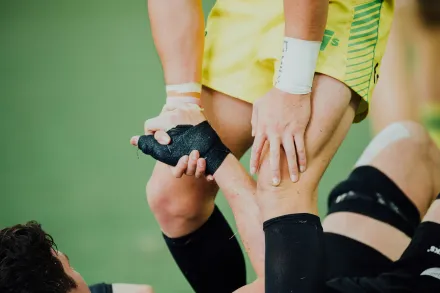
Injury rehabilitation presents a unique set of considerations for massage therapy, requiring collaboration with clinicians, therapists, and the athlete to design a staged plan that aligns with biological healing timelines and functional milestones. In the early rehabilitation phase, massage can support joint- and tissue-mspecific goals by maintaining tissue pliability, reducing adhesion formation, and preserving ROM in joints adjacent to an injured area. Careful attention is given to protecting healing structures, avoiding excessive mechanical load on damaged tissue, and monitoring signs of irritation or inflammation. As healing progresses, massage therapists can progressively increase tissue manipulation intensity and incorporate modalities that address scar tissue remodeling and neuromuscular retraining. A critical component of successful return-to-play planning is objective assessment and progressive loading tests that quantify readiness to resume sport-specific tasks. Massage therapy by itself cannot replace structured rehabilitation exercises, but it can complement them by maintaining tissue health, enabling more effective movement retraining, and reducing the risk of compensatory injuries that commonly arise when rehabilitation is rushed or inadequately supported. Integrated care models that emphasize clear communication channels between rehabilitation specialists, athletic trainers, and massage practitioners help ensure continuity of care and consistency of messaging about when and how to reintroduce full training loads. In this collaborative framework, massage is positioned as a facilitator of healing and functional restoration, contributing to a smoother and safer return to competition.
Pre-event considerations, risk management, and performance readiness
Pre-event massage exists to prepare the athlete for activity by signaling the body to optimize readiness rather than simply soothing fatigue. In the pre-competition window, therapists may use lighter touch, maintaining tissue pliability and reducing perceived stiffness without altering explosive performance plans. The emphasis here is on facilitating efficient neuromuscular activation, improving relaxation in a manner that does not blunt readiness, and ensuring that any patterns of movement inconsistent with sport-specific tasks are not reinforced. Risk management in sports massage centers on screening for contraindications, such as acute injuries, infectious processes, thrombosis, uncontrolled hypertension, and skin conditions that could be aggravated by contact. Communication with medical staff is essential to identify any red flags and tailor the session accordingly. The intensity, duration, and timing of pre-event massage are adjusted to the athlete’s tolerance, competition schedule, and the demands of the sport. For some athletes, a brief, energetic session aimed at maintaining muscle tone and proprioceptive clarity is preferable, while others may benefit from a more restorative approach to reduce anticipatory anxiety and ensure consistent performance across rounds or stages of competition. A measured, individualized approach helps maximize the potential benefits while minimizing any risks associated with tissue sensitivity and fatigue levels on race day or game day.
Psychological benefits and perceptual recovery
Recovery is not solely a physical process; it encompasses cognitive and emotional dimensions that influence motivation, confidence, and perceived readiness. Massage therapy can have meaningful psychological benefits for athletes, including reductions in perceived stress, improved mood, and heightened sense of control over the recovery process. The subjective experience of receiving focused, attentive care contributes to a positive therapeutic alliance between athlete and therapist, which in turn can enhance adherence to recovery plans and openness to feedback. The sense of relief—both physical and mental—after a massage session can reduce performance anxiety and improve sleep onset and quality, which are critical factors in actual recovery. Physiological correlates of relaxation, such as decreased cortisol levels and enhanced parasympathetic activity, may accompany these subjective experiences, contributing to a more robust overall recovery state. A mindful approach to massage that emphasizes breath, body awareness, and sensory integration can transform the session into a holistic ritual that reinforces homeostatic balance, resilience, and the athlete’s ability to cope with training stress. This psychosomatic dimension underscores the importance of integrating massage within a comprehensive wellness strategy that acknowledges the interconnected nature of mind and body in athletic performance.
Integration with other recovery modalities and training programs
Massage therapy rarely exists in isolation; its benefits are amplified when integrated with other recovery modalities, including sleep optimization, nutrition, hydration, and active recovery strategies. Collaboration with coaching staff and medical professionals ensures that massage timing aligns with training cycles, competition schedules, and the athlete’s broader health plan. For example, massage may be scheduled around high-intensity training blocks to alleviate stiffness and enhance tissue readiness for the next session, or it may follow intense endurance sessions to assist with metabolic waste clearance and central nervous system recovery. Complementary modalities such as compression garments, cryotherapy, hydrotherapy, or contrast baths can be chosen to suit the athlete’s preferences and the nature of tissue stress. The goal of integration is to create a cohesive, individualized recovery ecosystem in which each component reinforces the others. In practice, therapists document observed outcomes, monitor changes in tissue quality and range of motion, and adjust the plan in consultation with the athlete and the care team, thereby ensuring that massage remains a valued, evidence-informed contributor to performance restoration rather than an isolated intervention. When thoughtfully coordinated, massage therapy helps maintain training quality, reduces downtime, and supports sustainable athletic development across seasons and career trajectories.
Evidence, research landscape, and practical considerations for implementation
The scientific literature on massage therapy in sports recovery presents a nuanced picture. A body of research supports modest improvements in perceived soreness, subjective recovery, and short-term ROM, with variable results for objective performance metrics. Meta-analytic reviews often highlight small, yet meaningful, effect sizes, especially for delayed-onset muscle soreness and fatigue perception in the hours after a difficult workout. The heterogeneity of study designs, massage techniques, and population characteristics makes direct comparisons challenging, but a common thread is that massage can contribute positively to recovery when delivered by trained professionals, in appropriate doses, and within integrated care plans. Practical considerations for implementation include therapist certification, adherence to ethical and safety standards, the athlete’s consent and preferences, and the alignment of expectations with coaches and medical staff. Institutions that implement sports massage as part of a structured recovery program typically establish treatment protocols, record-keeping practices, and communication channels that facilitate continuity of care. Accessibility and cost considerations also influence adoption at the professional level; teams with resources and dedicated therapy teams can more readily offer regular sessions, whereas individual athletes may rely on personal providers or limited team-based offerings. Despite the variability in evidence, the experiential accounts of athletes and practitioners often converge on a core message: massage therapy, when delivered thoughtfully and integrated with other recovery practices, can support tissue health, pain modulation, and psychological readiness, contributing to a more resilient performance trajectory over time.
Safety, contraindications, and ethical considerations
Safety is fundamental in any therapeutic context, and sports massage carries specific considerations related to tissue state, injury history, and overall health. Contraindications may include active infection, open wounds, skin conditions with contagious potential, acute fractures, severe vascular or neurological symptoms, and hypersensitivity or intolerance to touch that could provoke undue stress. Therapists must screen for these factors before sessions, obtain informed consent, and tailor techniques accordingly. Ethical practice involves respecting athlete autonomy, maintaining professional boundaries, and ensuring confidentiality of injury information and treatment plans. The therapist should communicate clearly about the goals of each session, potential risks, expected sensations, and the possible need for adjustments in technique or intensity. In addition to safety, ethical considerations also encompass cultural competence, accessibility, and fairness in care provision, ensuring that athletes from diverse backgrounds receive respectful, evidence-based, and individualized treatment. Because sports medicine is a high-stakes arena where performance intersects with health, therapists must stay current with evolving guidelines, engage in continuing education, and integrate findings from contemporary research to refine their practice while maintaining a patient-centered focus. This commitment to safety, ethics, and professional development helps sustain trust with athletes and care teams and supports long-term success across training cycles and competitive seasons.
Practical guidelines for athletes and therapists
From the athlete’s perspective, practical guidelines emphasize communication, consent, and active participation in the recovery process. Athletes should share their pain history, tissue sensitivity, and goals for each session, while therapists should explain the rationale for chosen techniques and monitor tissue responses during and after treatment. Scheduling should consider training load, travel demands, and sleep quality to avoid compromising recovery. For therapists, clinical reasoning, hands-on assessment, and ongoing evaluation of tissue quality and range of motion guide the intervention plan. Documentation is essential to track progress, adjust modalities, and support return-to-play decisions. Therapists should also be mindful of tissue state and adjust intensity to avoid flare-ups, recognizing that progress may be non-linear and that patience and consistency often yield better outcomes than aggressive sessions. In practice, a well-designed recovery plan weaves massage into a larger tapestry of rest, nutrition, hydration, sleep hygiene, and movement strategies. This approach helps athletes experience tangible improvements in tissue health and subjective well-being while maintaining alignment with training objectives and competition calendars. By fostering clear communication, individualized dosing, and collaborative care, massage therapy can become a reliable pillar of athletic recovery that complements other evidence-informed practices.
Future directions in sports massage research and practice
Looking ahead, the field of sports massage is likely to be influenced by advances in biomechanics, imaging, and biomarker assessment that enable more precise targeting of tissue dysfunction and more objective monitoring of recovery. Emerging modalities and integrative approaches may expand the toolkit available to clinicians, with an emphasis on individualized phenotyping of athletes, real-time feedback mechanisms, and data-driven adjustments to treatment plans. Wearable sensors, quantitative ultrasound, and other noninvasive assessment tools could enhance the ability to track tissue elasticity, perfusion, and neuromuscular control, informing when and how to apply massage techniques most effectively. As the science evolves, it will be essential to translate research findings into practical guidelines that can be implemented in diverse settings, from elite professional teams to community-based training programs. The evolution of education and certification standards for massage therapists working with athletes will likely emphasize evidence-informed practice, safety, and interprofessional collaboration. Ultimately, the role of massage therapy in sports recovery will continue to be defined by a balance between scientific insight, clinical artistry, and the lived experiences of athletes who rely on recovery strategies to perform at their best and sustain long-term health.