Historical perspective on herbal use for immune health
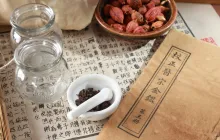
Throughout human history, communities across continents have looked to the natural world to support bodily defenses, relying on a diverse tapestry of plants, roots, barks, and resins to bolster vitality and resilience. In many traditions, botanicals were not treated as isolated remedies but as part of a broader lifestyle that included diet, sleep, physical activity, and rituals of rest. The knowledge accumulated over generations offered practitioners a guide to seasonality, coastal or highland climates, and the types of infections that tended to recur in particular regions. Modern science has begun to sift through that wisdom, translating anecdotal observations into pharmacological concepts that explain how certain plant constituents may interact with immune pathways. Yet the lessons from the past remain relevant: herbal supplements are seldom magic bullets but rather potential support for a system that functions best when the body is well-nourished, well-hydrated, and engaged in regulated activity.
Biological basis: how plant compounds influence immune function
At the core of immunity lies a complex network of cells, tissues, and signaling molecules that coordinate defense against pathogens while maintaining balance to avoid excessive inflammation. Plant-derived compounds—often called phytochemicals—interact with this network in multiple ways. Some act as antioxidants, neutralizing reactive oxygen species that can accumulate during infection and tissue stress. Others modulate inflammatory responses by dampening or redirecting inflammatory mediators, which can be beneficial when the response is out of proportion. Certain constituents prime immune cells, making them more likely to recognize invaders, while others support mucosal barriers that constitute the first line of defense in the respiratory and digestive tracts. In this sense, herbal supplements can influence immunity not by forcing a stronger response in every situation, but by supporting appropriate, well-regulated activity of immune cells such as macrophages, natural killer cells, dendritic cells, and various lymphocytes.
Biochemically, many plant medicines contain a mix of primary metabolites and secondary metabolites that can travel through tissues and interact with receptors on immune cells. Flavonoids, polyphenols, terpenoids, alkaloids, and sulfur-containing compounds are among the diverse chemical families that researchers study in relation to immune outcomes. Some of these compounds may influence signaling pathways such as NF-kB, NLRP3 inflammasome, and interferon responses, all of which play pivotal roles in how the body detects threats and regulates inflammation. It is important to emphasize that the same plant can deliver different effects depending on its form, the dose, the preparation method, and the individual’s unique biology, including genetics, nutrient status, and existing health conditions. This complexity is part of why robust clinical evidence often shows heterogeneous results across studies and populations.
In addition to direct effects on immune cells, herbs may support immunity indirectly by improving sleep quality, reducing perceived stress, and enhancing overall resilience. Adequate sleep and stress management are known to influence immune surveillance and the efficiency of response to pathogens. When these lifestyle aspects align with the use of well-chosen herbal supplements, the cumulative effect can be a more harmonious orchestration of defense mechanisms rather than a single, linear boost. The perspective to adopt is integrative: herbs may contribute to the immune system’s readiness, especially during seasonal changes or times of greater exposure to environmental challenges, but they work best in the context of a balanced, health-promoting lifestyle.
Common herbs and their proposed roles in supporting immunity
Echinacea is frequently discussed in conversations about immune support, and its use is rooted in centuries of traditional practice. The plant contains a range of bioactive compounds, including polysaccharides and phenolic constituents, that some studies suggest may enhance certain aspects of the immune response or help reduce the duration of mild upper respiratory infections. The evidence is mixed, and efficacy appears to depend on the species, preparation, and timing of administration. Echinacea should be approached with an appreciation for the variability in products and an awareness that benefits may be modest for otherwise healthy individuals. It may be less appropriate for people with autoimmune conditions or those taking immunosuppressive medications, underscoring the need for individualized guidance from healthcare providers.
Elderberry is often highlighted for its potential to support the immune response during viral illnesses. Rich in anthocyanins and other polyphenols, elderberry preparations have been associated with reductions in inflammation and improvements in some clinical outcomes in certain studies, though results are not uniformly positive. The berry’s composition can vary based on species, cultivation, and processing, which means that quality and standardization are important considerations. When used appropriately and in standard forms, elderberry may offer transient benefits for some individuals, but it is not a substitute for evidence-based medical care in cases of severe infection, and potential interactions with medications or conditions should be discussed with a clinician.
Garlic has long been celebrated for its antimicrobial properties in traditional cultures. Modern investigations point to organosulfur compounds such as allicin that may influence immune cell function and exhibit anti-inflammatory effects. Garlic is commonly integrated into diets and can be provided as a supplement in standardized forms. Like other botanicals, garlic’s effects may vary among people, and high doses can cause gastrointestinal irritation or interact with anticoagulants, so moderation and medical counsel are prudent for individuals with specific health concerns or those who take certain medications.
Astragalus has a historical footprint in traditional medicine systems for boosting vitality and supporting endurance through seasonal transitions. Contemporary research often centers on its polysaccharides and saponins, which have been explored for possible immune-enhancing effects, particularly in models of infection or stress. Human data remain variable, with some trials suggesting modest improvements in certain immune markers or reduced duration of illness in specific populations. Given the diverse preparations of astragalus and potential interactions with immunosuppressants, it is important to use this herb under professional guidance and in appropriate formulations.
Turmeric and its active component curcumin are valued for anti-inflammatory properties and potential indirect benefits to immune health. Curcumin has been studied for its ability to modulate inflammatory signaling pathways and to support general well-being in the context of chronic inflammatory states. However, bioavailability challenges are a practical consideration, and high-quality clinical data linking turmeric directly to meaningful immune outcomes are mixed. Pairing turmeric with compounds that enhance absorption or choosing formulations designed to optimize bioavailability can influence potential benefits, but users should be mindful of interactions, particularly with anticoagulants or certain metabolic medications.
Ginseng, including Panax varieties, is recognized for adaptogenic properties that may help the body respond to stress and fatigue, factors that can indirectly influence immune competence. The evidence for enhanced immune function with ginseng often points to improvements in specific immune parameters and a reduction in illness severity in some trials. As with all botanicals, dosing, extract standardization, and long-term safety require careful consideration. People with autoimmune conditions or those taking immune-modulating therapies should consult healthcare providers to determine whether ginseng is appropriate in their individual plans.
Ginger offers a blend of anti-inflammatory and potential immune-supporting actions through bioactive constituents such as gingerols. It is commonly consumed in culinary contexts but is also used in standardized supplements. The immune-related benefits are typically described as supportive rather than curative, with potential benefits including improved gut function and reduced inflammatory signaling. Ginger is generally well tolerated, yet high doses may cause heartburn or interact with anticoagulants, so personal tolerance and medical history guide usage choices.
These examples illustrate the breadth of herbal options that people consider when thinking about immune support. It is essential to recognize that each herb operates within a larger matrix of dietary patterns, sleep, physical activity, and existing health conditions. The idea is not to treat an illness with a single botanical choice but to thoughtfully integrate botanicals in a manner that aligns with individual biology, preferences, and medical advice. The quality of the product and the context of use—whether as a daily dietary contributor or a short-term supportive measure during an illness—help shape expected outcomes and safety considerations.
Quality, safety, and potential interactions with conventional medicine
With any supplement, the quality of the product matters profoundly. Plants are natural, but the concentration of active constituents can vary widely depending on growing conditions, harvest timing, and processing methods. Standardized extracts aim to deliver consistent amounts of certain bioactive compounds, which helps practitioners and consumers gauge potential effects. Third-party testing and transparent labeling are important markers of reliability, yet even high-quality products can differ in how they behave in the body due to formulation choices, such as solvent extracts, carriers, and combination products. Consumers should look for products that provide explicit ingredient lists, dosage guidelines, and information about batch testing, ideally with independent certification.
Safety Considerations are central to any discussion about herbal supplements. While many botanicals are well tolerated when used appropriately, some carries risks for who might use them. Interactions with prescription medications can occur, including anticoagulants, antidiabetes drugs, antidepressants, and immune-modulating therapies. People with autoimmune diseases or those who have undergone organ transplantation should be especially cautious, as certain herbs could influence immune activity in unpredictable ways. Pregnant and lactating individuals, as well as children and the elderly, may require different dosing or avoidance altogether. In all cases, medical consultation is critical before adding a new herb to one’s regimen, particularly if there are chronic health concerns or if multiple supplements are being used concurrently.
Another safety dimension concerns quality control and contamination. Plant materials can be contaminated with heavy metals, pesticides, or adulterants when sourcing and manufacturing practices are lax. Consumers should prefer products with clear quality-control statements and disclosure of testing results. Practitioners often advise starting with a low dose to assess tolerability and monitoring for adverse effects, because individual responses can range from mild gastrointestinal upset to allergic reactions or skin sensitivities. When signs of intolerance emerge, it is prudent to discontinue use and seek guidance from a healthcare professional to determine whether the herb should be continued, substituted, or replaced with an alternative approach.
The conversation about herbs and immunity also benefits from a realistic appraisal of the current evidence base. Multiple herbs have plausible mechanisms of action supported by laboratory data, and some small clinical studies indicate potential benefits in specific contexts. However, larger, well-designed randomized trials are often needed to establish clear clinical guidelines. In practice, healthcare providers frequently emphasize that herbal supplements should complement, not replace, foundational health strategies—adequate nutrition, physical activity, adequate sleep, vaccination when appropriate, hand hygiene, and timely medical care for infectious illnesses. This pragmatic stance helps people use botanicals thoughtfully while maintaining attention to proven preventive measures and early treatment when illness arises.
Practical guidance for incorporating herbal supplements into a health plan
For individuals considering herbal supplements as part of immune support, a measured, personalized approach yields better safety and potential benefit. Begin with an open discussion that includes medical history, current medications, and health goals. If a decision is made to try a particular herb, choose a product from a reputable manufacturer that provides standardized extracts, clear labeling, and evidence of third-party testing. Start with a conservative dose and monitor how the body responds over several weeks, noting any changes in digestion, energy, sleep patterns, or immune-related symptoms. Maintaining a symptom diary during the initial trial period can help detect subtle effects that may not be immediately obvious.
Timing matters, especially for herbs that may influence immune activity. Some botanicals might be more suitable during maintenance phases to support general resilience, while others may be considered during periods of heightened exposure to pathogens, such as the cold and flu season. It is not unusual for practitioners to tailor plans to seasons, travel, stress levels, or nutritional status, reflecting the dynamic nature of immunity. For people with chronic illnesses or those who are immunocompromised, clinical supervision becomes a key component of any plan, ensuring that herbal use aligns with other treatments and monitoring aims.
Diet, hydration, and lifestyle factors interact with the effects of herbal supplements. A nutrient-dense diet rich in fruits, vegetables, whole grains, and lean proteins provides the material the immune system needs to function optimally. Sufficient sleep supports immune regulation and recovery, while regular physical activity can enhance circulation and immune surveillance. Adequate hydration supports mucosal integrity, a critical line of defense for respiratory pathogens. The synergy between these lifestyle elements and botanical support can improve overall resilience, whereas neglect in one area may dampen potential benefits from herbs and supplements.
For individuals who wish to prioritize safety and evidence, focusing on well-studied options with the most consistent data may be prudent. This approach does not guarantee dramatic results, but it aligns expectations with what scientific research currently indicates. It also reduces the risk of adverse events that can occur when people experiment with multiple products, inconsistent dosages, or substitutes for medical guidance during illness. A careful, informed approach emphasizes patient autonomy, scientific literacy, and a collaborative relationship with healthcare providers, all of which are essential when navigating a landscape that includes both ancient knowledge and modern pharmacology.
Quality assessment, labeling, and regulatory considerations
Regulatory frameworks for herbal supplements vary by country, but across borders there is a core expectation that products are manufactured in a manner consistent with good manufacturing practices and that claims are truthful and not misleading. Quality assessment often hinges on the presence of standardized markers, batch consistency, and independent laboratory verification. Consumers benefit from looking beyond marketing language to the specifics of what is in the product, how much of it there is, and how it was tested. Transparent labeling that includes the plant source, extraction method, potency, and potential allergens helps users make safer choices. In practice, it may also be wise to discuss a planned routine with a pharmacist or clinician who can review possible interactions with current medications and chronic disease states.
From a scientific perspective, the field continues to refine approaches to study design, dosage, and the identification of subgroups most likely to benefit from specific botanicals. Heterogeneity in study populations and in herbal preparations can obscure results, which is why replication and standardized methodologies are essential. Researchers increasingly apply standardized extracts, rigorous blinding, and objective biomarkers to assess whether a given herb exerts meaningful effects on immune parameters or clinical outcomes. This evolving evidence base helps clinicians discern when a supplement is likely to be useful, and when it should be approached with caution or avoided altogether.
In clinical practice, an individualized plan often balances patient preferences, risk factors, and the best available evidence. A clinician may propose trying a particular herb for a defined period, with clear criteria for stopping or adjusting the regimen if no benefit is observed or if adverse effects occur. The patient’s values and lifestyle constraints also play a critical role in decision-making, ensuring that recommendations are feasible and acceptable. This collaborative process respects patient autonomy and acknowledges that the science of herbal immunomodulation remains a dynamic field, one in which personalized care tends to outperform one-size-fits-all approaches.
Special populations and considerations
Certain groups require extra care when using herbal supplements in the context of immune health. For example, individuals with autoimmune diseases face a nuanced situation: some botanicals may modulate immune activity in ways that could either help or hinder disease control. Therefore, any herbal strategy should be discussed with a rheumatologist or immunologist who understands the patient’s specific condition and current therapies. Children and older adults may have different tolerances and metabolic rates, which influences dosing and the selection of botanicals. Pregnant and lactating individuals must be particularly cautious, as some herbs can affect hormonal balances or fetal development, and evidence on safety during pregnancy is often limited. In these contexts, professional guidance is essential to optimize safety while considering potential benefits.
People with chronic illnesses, those undergoing cancer treatment, or patients taking immune-modulating agents should approach herbal supplements with careful assessment of interactions. Even commonplace herbs can alter the pharmacokinetics of medications, shift immune balance, or exacerbate certain symptoms. In clinical practice, a comprehensive medication review, including over-the-counter products and complementary therapies, helps identify potential conflicts. The goal is a cohesive care plan where the person’s immune health is supported without compromising the effectiveness of prescribed therapies or generating new safety concerns.
Allergic individuals should be mindful of potential sensitivities to plant constituents, including pollens and other components that can trigger reactions. When trying new products, starting with a small test dose and monitoring for signs of intolerance—such as skin rashes, itching, or digestive upset—can help detect issues early. If any allergic reaction occurs, discontinuing use and seeking medical advice is prudent. Education about potential cross-reactivity with other medications or supplements can empower patients to manage their choices more confidently and safely.
In a broader public health context, the responsible use of herbal supplements intersects with vaccination strategies, infection control measures, and evidence-based medical care. A well-informed patient who understands both the potential benefits and the limitations of botanicals can participate more fully in decisions about preventive health. The emphasis remains on integrating botanical support within a comprehensive plan that prioritizes proven measures, individualized risk assessment, and ongoing dialogue with healthcare providers who can interpret evolving research and translate it into practical recommendations for daily life.
Future directions: research, personalization, and the microbiome
Researchers are increasingly exploring how herbal compounds interact with the immune system at a molecular level, including their effects on the gut microbiome, a key regulator of immune competence. The gut microbiota influences the development and regulation of immune cells, and certain botanicals may alter microbial composition in ways that affect host defense. This area of inquiry holds promise for understanding why some individuals respond differently to the same herb and how dietary patterns and probiotic interventions might enhance or diminish immunomodulatory effects. The integration of machine learning and systems biology aims to map complex interactions among plant constituents, host genetics, microbiota, and environmental exposures to tailor recommendations more precisely.
Personalized medicine, once primarily associated with pharmaceuticals, is expanding into the realm of herbal supplements as well. The concept envisions selecting botanicals based on genetic profiles, immune status, and life circumstances to optimize safety and efficacy. Such an approach would require robust data, standardized products, and careful interpretation by clinicians who can translate insights into practical guidance. While this frontier is still developing, it signals a shift toward more nuanced, patient-centered care in which botanicals are one instrument among many in a clinician’s toolkit for supporting immune health.
In parallel, ongoing clinical trials and meta-analyses strive to clarify which conditions are most responsive to specific herbs and under what circumstances. Large-scale, well-designed studies that account for product quality, dosing, duration, and participant heterogeneity are essential to move beyond anecdote toward robust recommendations. As the field advances, practitioners will be better equipped to identify subgroups of patients who stand to gain the most from particular botanicals, while also recognizing the limits of what herbs can achieve in relation to vaccines, antibiotics, antivirals, and other conventional therapies.
Finally, an interdisciplinary perspective that combines ethnobotany, pharmacology, immunology, nutrition, and environmental science may illuminate how sustainable cultivation, harvesting practices, and biodiversity influence the availability and potency of immunomodulatory plants. Protecting ecological balance while providing access to high-quality botanicals is integral to long-term success in integrating herbal supplements into mainstream healthcare. This broader view reinforces the idea that herbal immunomodulation is not merely about isolated compounds but about a continuum that connects soil, plant chemistry, human biology, and social well-being in a complex, evolving landscape.
As science continues to unfold, the practical takeaway for readers is to approach herbal supplements with curiosity tempered by caution, and to prioritize safety, quality, and informed decision-making. This mindset supports a responsible, thoughtful engagement with plant medicines that respects traditional wisdom while embracing modern research. The result can be a balanced, pragmatic approach to immune health that acknowledges the gifts of nature without overlooking the necessity of evidence, medical supervision, and a holistic view of wellness that extends beyond any single remedy.