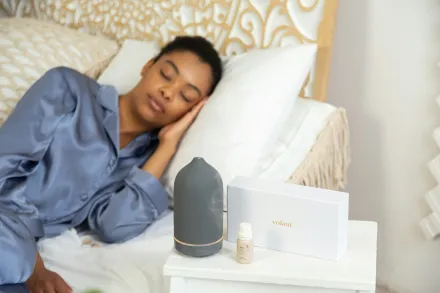
Introduction to Aromatherapy and Sleep
Aromatherapy, as a practice that uses volatile plant extracts to influence mood, physiology, and behavior, sits at an intersection of tradition and science that continues to evolve with new research and practical experience. At its core, aromatherapy engages the sense of smell, a direct pathway to the brain that can alter autonomic processes, emotional state, and cortical activity. When someone enters a restful state after a long day, the careful introduction of botanical scents can act as a cue that signals the brain to transition from wakefulness to a more restorative mode. The sleep process itself is a delicate orchestra of neural rhythms, hormonal signals, and environmental inputs, and scent can play a supporting role by shaping arousal levels, reducing perceived stress, and setting a conducive atmosphere for winding down. In practice, many individuals report that certain fragrances help them fall asleep more quickly, experience fewer awakenings during the night, or enjoy more stable sleep architecture over the course of several weeks. Although aromatherapy is not a panacea, when integrated thoughtfully with established sleep hygiene practices, it can contribute to a holistic approach to improving sleep quality and daytime functioning. The appeal of aromatherapy lies not only in potential physiological effects but also in its capacity to foster rituals, mindfulness, and a sense of personal control over the nightly environment, all of which can soften anxiety and promote a gentler transition into sleep.
Understanding Sleep and Olfactory Pathways
Sleep is a dynamic process that unfolds through cycles of nonrapid eye movement and rapid eye movement phases, each associated with distinctive brain activity and restorative goals. The olfactory system, unlike many other sensory pathways, has a unique and direct line to limbic structures such as the amygdala and hippocampus, regions deeply involved in emotion, memory, and autonomic regulation. When a scent is inhaled, odor molecules interact with receptors in the nasal epithelium, sending signals to the brain that can influence emotional tone, stress hormone release, and even cortical synchrony. This intimate connection helps explain why some fragrances can feel emotionally soothing while others may be alerting. In practical terms, this means that the choice of essential oils and the way they are experienced can shift subjective experiences of evening calm, perceived sleep pressure, and readiness for bed. It also suggests why scent exposure at specific times of the evening might have lingering effects on sleep onset latency and sleep quality, especially when combined with factors such as light exposure, temperature, and noise. The science acknowledges the complexity of these interactions, but it also opens a door for careful experimentation and personalization that respects individual differences in scent preference and responsiveness.
Common Essential Oils and Their Proposed Roles
Among the oils most frequently discussed in sleep contexts are lavender, chamomile, bergamot, sandalwood, clary sage, ylang-ylang, and vetiver, each bringing a distinct aromatic profile and a set of proposed mechanisms. Lavender is often described as floral and mildly herbaceous, and in many studies it is associated with modest reductions in sleep onset time and improved subjective sleep quality, though results vary depending on the population and methodology. Chamomile, which carries sweet, floral notes, has a long cultural association with bedtime routines, and its pharmacological components may contribute to relaxation, albeit with effects that are typically subtle in healthy adults. Bergamot’s citrusy aroma tends to be uplifting yet can be calming in the right context, while sandalwood offers a woodsy, grounding scent that some individuals report as conducive to contemplation and restful states. Clary sage and ylang-ylang bring muskier or floral aspects that some find relaxing, and vetiver provides an earthy, deep fragrance that can anchor attention and reduce restlessness. The practical takeaway is not a universal prescription but a recognition that a few oils often align with commonly reported sleep benefits. This landscape invites careful trial, keen attention to dose and diffusion level, and an awareness that scent experiences are highly subjective and shaped by memory, mood, and prior associations with certain smells.
Mechanisms Behind Aromatherapy’s Sleep Effects
Two broad mechanisms are frequently discussed in the literature: olfactory-induced modulation of arousal and the influence of scent on circadian and homeostatic processes. On one hand, certain fragrances appear to dampen sympathetic nervous system activity, lowering heart rate and reducing perceived tension as the evening progresses. On the other hand, scents may serve as conditioned cues that signal the brain it is time to wind down, thereby aligning internal clocks with a consistent bedtime routine. Additionally, essential oils may subtly affect neurotransmitter systems involved in sleep regulation, such as gamma-aminobutyric acid, serotonin, and melatonin pathways, though the magnitude and durability of these effects vary. Importantly, the placebo component and expectancy effects should not be dismissed; a belief in the soothing power of a fragrance can heighten relaxation responses and contribute to improved sleep experiences. When examining mechanisms, researchers emphasize that aromatherapy acts most effectively as part of a broader strategy that includes sleep hygiene, stress management, and environmental optimization rather than as a stand-alone remedy. The result is a nuanced picture in which scent supports but does not dictate sleep outcomes, and individualized responses are a central feature of its utility.
Application Methods and Practical Considerations
Choosing how to apply aromatherapy for sleep involves balancing effectiveness, safety, and personal preference. Diffusion is a common and accessible approach, delivering a slow, ambient release of essential oils into the bedroom air. Pillow sprays offer a direct, gentle interaction with the senses at the moment of lying down, though care must be taken to ensure oils are not irritants to the eyes or airways. Topical application, when properly diluted, can provide a localized relaxing sensation and may be appropriate for individuals who want a tactile ritual on the skin before bed. It is crucial to avoid high concentrations, which can lead to irritation or sensitization, especially for those with sensitive skin or respiratory issues. In all cases, fragrance intensity should be calibrated to a low-to-moderate level, avoiding overpowering scents that could disrupt sleep or trigger headaches. It is also important to use high-quality, pure essential oils from reputable sources to minimize contamination with synthetic additives that might irritate the airways. In practice, many people integrate aromatherapy into a broader wind-down routine that includes quiet activities, dim lighting, and a consistent bed-time schedule, thereby reinforcing the environmental cues that prepare the body for sleep.
Evidence from Clinical Studies and Systematic Reviews
Clinical inquiries into aromatherapy and sleep have grown, but the field remains characterized by heterogeneity in study design, oil selections, delivery methods, and participant populations. Meta-analyses often report modest improvements in sleep onset latency and subjective sleep quality among various groups, including healthy adults and individuals with mild sleep disturbances, yet the effect sizes are frequently small and not uniformly reproduced. Importantly, robust trials emphasize the value of standardizing aroma exposure, ensuring blinding where feasible, and accounting for placebo and expectation effects. Safety data from these studies generally indicate good tolerability for most adults when oils are properly diluted and used as directed, with rare instances of contact dermatitis or respiratory irritation reported in some cohorts. The practical implication is that aromatherapy should be viewed as a complementary approach that may enhance sleep when used thoughtfully, particularly for those who already engage in consistent bedtime routines and favorable sleep environments. It is not a guaranteed remedy, but a therapeutic option with potential meaningful benefit for certain individuals.
Safety, Precautions, and Responsible Use
Safety is a central concern when incorporating essential oils into sleep routines. People with asthma or chronic respiratory conditions should approach diffusion cautiously, ensuring adequate ventilation and monitoring for any irritation or coughing that might be triggered by certain scents. Pregnant individuals and those with known sensitivities should consult with a healthcare professional before introducing specific oils, as some components may have contraindications or interactions. Children require heightened caution, with much lower dosages and shorter exposure times, reflecting their developing systems and potential for heightened sensitivity. Always dilute essential oils with a suitable carrier if applying topically, and perform a patch test to check for adverse skin reactions. It is wise to avoid ingesting oils unless under formal guidance from a qualified professional. Cleaning diffusers regularly prevents residue buildup that could affect scent quality or promote microbial growth. In practice, responsible use combines vigilance, personalized preferences, and a commitment to discontinuing use if any adverse symptoms arise, ensuring that aromatherapy enhances sleep rather than becoming a source of new disruptions.
Integrating Aromatherapy with Sleep Hygiene
Arising from research and clinical experience is the insight that aromatherapy yields the best results when integrated within a broader framework of sleep hygiene. Sleep hygiene refers to a constellation of behavioral and environmental practices that support healthy sleep, including a regular bedtime, a dimmer environment, avoidance of caffeine late in the day, and a quiet, cool bedroom. When a calming scent is paired with a consistent routine, the brain learns to associate the fragrance with the process of winding down, reinforcing a conditioned response that can reduce sleep latency over time. The synergy between scent and routine is particularly evident for individuals who experience anticipatory anxiety about sleep or restless thoughts in the evening. In such cases, the scent can become a comforting cue that invites mindful breathing, progressive muscle relaxation, or gentle visualization practices, further enhancing the quality of sleep and daytime alertness. The practical takeaway is that aromatherapy should be seen as part of a holistic toolkit, not a stand-alone intervention, and should be customized to align with personal rituals and environmental constraints.
Choosing Oils with Personalized Sensitivity in Mind
Personal scent preferences and past experiences with particular fragrances significantly shape the effectiveness of aromatherapy. A fragrance that one person associates with safety and rest may provoke alertness or discomfort in another. This variability highlights the importance of a personalized trial approach: select a few candidate oils, test them on different evenings, and keep notes about mood, ease of sleep onset, nighttime awakenings, and morning energy. Keeping a simple log helps identify patterns and fosters a sense of agency in the process, which itself can contribute to a calmer bedtime. In addition to preference, consider the oil’s perceived calming tone: some individuals respond best to a soothing floral profile, while others gravitate toward clean, woody, or spicy notes. When this personalization is combined with careful attention to diffusion levels and timing, the likelihood of meaningful sleep improvements increases without resorting to excessive exposure or dependency on a single scent.
Historical Context and Cultural Perspectives
Aromatherapy has roots that extend across multiple traditions and centuries, with plants used for sleep and healing appearing in ancient apothecaries, monasteries, and household rituals alike. Across cultures, the idea that scent can shape mood and physiological states is intertwined with concepts of harmony, balance, and ritual purification. In some traditions, aromatic plants are burned or steam inhaled as part of ceremonial practices intended to calm the mind before rest. In others, simple aromatic herbs are integrated into bedtime routines for their comforting associations and perceived contributions to physical relaxation. Today, functional aroma science draws on these historical insights while applying contemporary research methods to discern which oils may reliably influence sleep in diverse populations. The continuity between past and present reinforces the idea that scent is a powerful, culturally embedded medium for signaling the body to slow down and prepare for rest, even as modern living introduces new stressors that challenge the border between wakefulness and sleep.
Impact on Anxiety, Stress, and Mood
One of the most widely discussed benefits of aromatherapy in relation to sleep is its potential to alleviate anxiety and reduce perceived stress, both of which are common barriers to falling asleep and maintaining uninterrupted rest. For many individuals, the emotional systems are in a state of heightened vigilance as nighttime approaches, which can prolong arousal. Aromatic exposure with gentle diffusion or inhalation can foster parasympathetic activation, producing sensations of safety and ease. This shift can translate into a calmer cognitive landscape, allowing racing thoughts to settle and sleep pressure to accumulate more readily. Although the precise magnitude of these effects varies, the pattern of mood improvement accompanying scent exposure aligns with broader sleep research that emphasizes the interplay between emotional regulation and sleep quality. The practical implication is that aromatherapy can function as a mood-modulating adjunct that supports a calmer emotional baseline before bed, contributing to a more predictable and restorative sleep experience.
Common Myths and Realistic Expectations
Several myths circulate around aromatherapy, including the belief that it is a guaranteed sleep cure for all people or that it can substitute for major medical interventions in sleep disorders. Realistic expectations prime success: aromatherapy can offer modest improvements for individuals with mild sleep disturbances or situational stress but is unlikely to fully resolve persistent insomnia without additional strategies. It is also not a universal sedative; responses depend on biology, psychology, and context, making personalization essential. Another misconception is the notion that more fragrance equals better sleep; in fact, excessive scent can become stimulating or irritating and disrupt sleep onset. Clear communication with healthcare providers when sleep problems are persistent remains crucial, and aromatherapy should be viewed as a supportive, optional element rather than a definitive treatment pathway. By aligning expectations with actual outcomes, individuals can make informed choices that respect both safety and efficacy.
Practical Guidelines for Daily Use
In daily practice, a thoughtful, measured approach to aromatherapy can be both enjoyable and beneficial. Start with a small set of well-tolerated oils and test them in relaxed evenings to gauge impact on sleep onset and perceived restfulness. Diffuse at a low intensity for a limited period before bedtime, ensuring the room is well ventilated and that the scent does not become overpowering. If using a pillow or a skin application, ensure proper dilution and perform a patch test to detect any irritation. Maintain consistency by starting a fixed routine each night, aligning fragrance use with a regular sleep time to strengthen conditioned associations. Integrate these practices with non-aromatic routines such as dimming lights, turning off screens, and engaging in gentle stretching or breathing exercises. Over weeks, observe whether the combination of scent exposure and routine results in reduced time to fall asleep, longer sleep duration, or fewer awakenings, and adjust accordingly. The practical aim is to create a serene atmosphere that supports sleep without creating new dependencies or discomforts.
Future Directions in Research and Practice
As the science of aromatherapy matures, researchers are exploring standardized protocols, individualized scent profiling, and objective sleep measures to better capture the real-world impact of aromatic therapies on sleep. Advances in imaging and biomarkers may illuminate how specific oils influence neural circuits involved in arousal, emotion, and circadian regulation. There is growing interest in personalized aromatherapy, where scent choices are guided by genetic differences in olfactory receptors, perfume preferences, and mood responses. Emerging technologies, such as smart diffusers that adjust intensity based on sleep stage data, have the potential to optimize aroma exposure in real time. Practically, this means that future sleep clinics and wellness programs may incorporate aromatherapy as part of a comprehensive, evidence-informed plan tailored to individual needs, preferences, and health profiles. The overarching vision is a nuanced, science-backed approach that honors traditional wisdom while embracing rigorous evaluation and individualized care.
Ethical and Environmental Considerations
Responsible use of aromatherapy also encompasses ethics and sustainability. The sourcing of essential oils should consider environmental impact, fair labor practices, and biodiversity preservation, given the often high demand for aromatic plants. Clinicians and practitioners who recommend essential oils should prioritize products with transparent labeling, quality certifications, and appropriate testing for purity. The cultivation and extraction methods influence not only the ecological footprint but also the chemical composition of the oils, which in turn affects safety and efficacy. Consumers can contribute to ethical practices by selecting reputable brands, avoiding products that rely on synthetic substitutes without disclosure, and supporting producers who engage in sustainable agriculture. The broader message is that sleep improvement strategies can be aligned with responsible stewardship of natural resources, ensuring that the benefits extend beyond the individual to communities and ecosystems.
Closing Reflections on Aromatherapy and Sleep
Across cultures and clinical contexts, aromatherapy offers a lens through which to view sleep as an experience shaped by biology, psychology, and environment. The scents chosen for evening routines carry meaning beyond their chemical constituents; they evoke memories, associations, and a sense of ritual that can soften edges of stress and invite the body toward rest. While not a universal remedy, aromatherapy can be a meaningful, personalized component of a comprehensive sleep strategy that respects safety, embraces evidence, and honors individual sensory preferences. The ongoing dialogue between traditional wisdom and modern science invites curious minds to explore how scent, in concert with good sleep hygiene, can gently nudge the body toward a more restorative night. In this light, sleep improvement becomes not merely a physiological goal but a holistic practice that nurtures well-being through mindful engagement with the sensory world surrounding us.