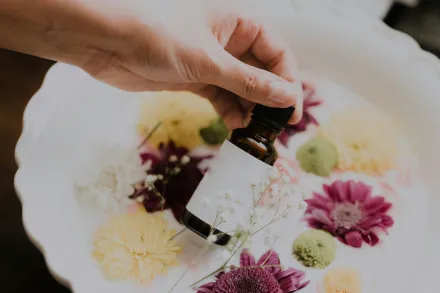
Aromatherapy emerges from a long lineage of healing arts that seek to align the senses with inner experience. Its focus on fragrance as a bridge between the physical body and emotional life invites a patient and intimate approach to wellbeing. When a person breathes in a softly scented milieu or receives a gentle massage infused with fragrant oils, the mind may settle, memories can surface with clarity, and a subtle sense of safety can begin to unfold. This article explores how aroma, memory, emotion, and inner resilience interact, and it examines the ways aromatherapy can support emotional healing within a compassionate, person centered framework.
Foundations of aromatherapy rest on the recognition that the sense of smell is tightly woven into the brain’s emotional and memory circuits. Unlike other senses, which travel through cortical pathways before reaching awareness, olfactory signals have a direct route to the limbic system, a network that governs mood, arousal, and memory. This direct connection helps explain why a familiar scent can instantly evoke a mood, a memory, or a sense of belonging. The practice emphasizes attention to aroma in daily life, the deliberate selection of oils with particular emotional resonance, and the creation of sensory rituals that nourish a person’s capacity to cope with distress, grief, anxiety, or a sense of disconnection.
Biological Pathways Linking Olfactory Signals to Mood and Memory
When fragrance molecules drift into the nose, they interact with olfactory receptors and set off a cascade of signals that rise from the nasal epithelium to brain centers responsible for emotion and memory. The amygdala, a deep brain structure involved in threat detection and emotional processing, responds to scents with a rapid appraisal that can shift the intensity of feelings. The hippocampus, central to the formation and retrieval of memories, can retrieve associations tied to a fragrance, bringing past experiences into present awareness in ways that are not purely cognitive. At the same time, the hypothalamus modulates autonomic responses, hormonal release, and energy balance in response to perceived emotional states. Through these pathways, aroma can influence heart rate, breathing patterns, muscle tension, and even gut function, creating a holistic milieu in which emotional healing can begin or accelerate.
Beyond these neural pathways, the neurochemical landscape also shifts in response to aromatic exposure. The soothing properties of certain oils can elevate gamma-aminobutyric acid activity, which supports a calming effect on the nervous system. The release of endorphins, serotonin, and dopamine can be subtly modulated by fragrance, contributing to improved mood, enhanced sense of safety, and a greater willingness to engage with difficult emotions. These biochemical changes are not simple cause and effect mechanisms but resonant shifts that occur in the context of attention, intention, and the overall therapeutic setting. Aromatherapy is thus not a magic solution but a sensory ally that can help orchestrate the body’s natural healing rhythms during emotional work.
Common Essential Oils and Their Emotive Qualities
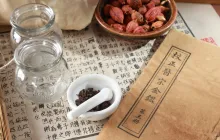
Lavender is widely recognized for its gentle, balancing qualities and is often used to ease tension and promote a quiet alertness that supports reflective processing. Bergamot carries a citrusy brightness that can lift mood and foster a sense of optimism, while also inviting a compassionate stance toward one’s own vulnerability. Sandalwood offers a grounding, meditative depth that can anchor the mind during moments of overwhelm, creating space for breath and observation. Rose and chamomile carry soft, nurturing associations for many people, particularly when grief, longing, or fatigue presses in. Ylang ylang can bring a sensuous calm that unlocks a slower pace of thinking, encouraging a kinder internal dialogue. Peppermint or citrus notes may offer a momentary surge of clarity and alertness, which can be useful when mental fog accompanies emotional distress.
It is important to acknowledge that individual preferences and cultural associations shape how an oil is perceived and tolerated. A fragrance that feels uplifting to one person may be overwhelming to another, and some oils can irritate sensitive skin or provoke reactions in individuals with asthma or fragrance sensitivities. The intention behind choosing an oil matters as much as the scent itself. A practitioner or a compassionate caregiver will listen for what the person finds reassuring or triggering, and will adapt the aromatic plan accordingly. When used thoughtfully, essential oils become allies rather than triggers, offering a gentle invitation to pause, breathe, and notice inner experience with curiosity rather than resistance.
Methods of Use and Practical Application
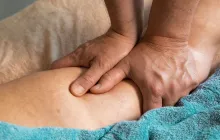
Aromatherapy can be woven into daily life through multiple modalities, each offering a distinct pathway for emotional engagement. Diffusion allows a space to become scented in a way that supports ambient mood without direct skin contact, making it suitable for shared environments such as homes, clinics, or group rooms. Inhalation through a handkerchief or a personal inhaler provides a portable, private channel for self-regulation during moments of sudden distress or anxiety. Topical application, when properly diluted in a suitable carrier oil, invites a more intimate contact with the fragrance and the body, complementing slow, mindful breathing and grounding practices. Massage with scented oil can combine touch, warmth, and aroma to release physical tension and-to some extent-psychic rigidity, offering a sensory landscape in which emotional work can unfold with support and safety.
In practice, the choice of method depends on the context, the person’s preferences, and the goals of the emotional healing process. A quiet space, soft lighting, and a mindful tempo can amplify the effects of aroma by creating a safe container for exploration. The oils should be used with attention to dilution, sensitivity, and personal history; the practitioner emphasizes consent, pace, and the possibility of pausing at any moment. A scent might accompany a guided breathing exercise, a brief body scan, or a moment of reflective journaling to help translate sensory experience into insight. What matters most is a compassionate stance that respects the person’s evolving relationship with fragrance and emotion, rather than a rigid protocol that can feel prescriptive or coercive.
Integrating Aromatherapy with Therapeutic Practices
When integrated with psychotherapy, mindfulness practices, or somatic approaches, aromatherapy can deepen the process of emotional healing by anchoring states of awareness within the body. A fragrance can signal a shift from a defensive stance to one of curiosity, or it can accompany a memory processing task in a way that reduces defensive reactivity. The scent becomes a cofacilitator in the therapeutic dialogue, inviting moments of pause, reflection, and nonjudgmental observation. For some individuals, aroma helps create a ritual that marks transitions between levels of emotional activation, such as moving from agitation to quiet concentration or from sorrow to a grounded sense of presence. In this collaborative space, the practitioner remains sensitive to the client’s pace and preferences, using scent as a flexible support rather than a fixed instrument of therapy.
Incorporating aroma into group sessions or community healing settings can foster shared calm and a collective sense of safety. A carefully chosen scent can act as a unifying cue that signals the group into a common contemplative posture, without erasing individual differences or triggering personal associations. The ethical practice of aromatherapy in these settings requires transparent communication, informed consent, and vigilance for any discomfort expressed by participants. The goal is to nurture a culture in which fragrance supports emotional processing while honoring each person’s unique emotional map and healing trajectory.
Safety, Ethics, and Individual Variation
Safety considerations form an essential frame for ethical practice. Aromatic oils are potent substances that can cause skin irritation, allergic reactions, or photo sensitivity in some individuals. A thorough intake process helps identify sensitivities, medical conditions, and potential contraindications. Pregnant and nursing individuals, people with epilepsy, those taking certain medications, or persons with chronic health issues may require adjustments or avoidance of particular oils. Environmental factors matter as well; a fragrance that is soothing in a private space might be overwhelming in a busy, crowded setting. The ethical dimension includes obtaining informed consent for aromatherapy work, explaining the aims, potential risks, and the boundaries of what aroma can and cannot achieve, and ensuring that the person maintains agency over their sensory environment.
Emotional healing also requires a critical stance toward overpromising. While scent can facilitate relaxation, broaden awareness, and support processing, it does not replace evidence based psychotherapy, medical treatment, or sustained social support. A responsible practice anchors aroma within a collaborative plan that respects the person’s goals, pace, and cultural context. It involves ongoing monitoring of effects, willingness to modify or pause use, and a commitment to remove potential triggers if they arise. In this sense, aromatherapy supports healing not as a shortcut but as a generous adjunct that enhances the patient’s capacity to engage with inner work and relationship to self.
Personalization and Case Vignettes
Every individual carries a unique sensory history shaped by culture, family, and personal experience. A fragrance that resonates with one person’s memory may evoke a sense of safety and warmth, while another person may encounter a different emotional response. Personalization is therefore essential, and it rests on careful listening, observation, and collaborative decision making. A vignette from a therapeutic encounter might describe someone who has endured chronic anxiety and finds that a gentle lavender and bergamot blend, used during a calm breathing exercise, gradually reduces the hypervigilant tone in the body. In another case, a person navigating grief may respond more deeply to rose or sandalwood when used in a slow ritual of self compassion. These narratives illustrate how aroma can be woven into tailored processes that honor each person’s emotional map and healing pace, rather than deploying a one size fits all formula.
The art of personalization also involves honoring the person’s current life stresses and resources. A scent plan may adapt to a person’s daily routines, work environment, and family commitments, ensuring that aroma remains an accessible ally rather than an additional obligation. The therapist or practitioner remains attentive to subtle shifts in mood, attention, and relational ease as the aromatic practice unfolds. The goal is to support sustainable emotional regulation and increased capacity for reflective engagement with difficult emotions, rather than creating dependency on fragrance or a rigid routine.
Cultural and Contextual Dimensions
Fragrance carries cultural meanings that shape its emotional impact. Different societies attribute symbolic values to specific scents, and individual histories often embed fragrance within rituals of care, healing, or celebration. An aromatherapy plan that honors cultural context can enhance its relevance and effectiveness. This might involve selecting oils that align with traditional remedies, incorporating culturally meaningful rituals, or adapting scent combinations to reflect the person’s heritage and personal preferences. At the same time, cross cultural sensitivity is essential, as scents that evoke positive associations in one culture could trigger discomfort or confusion in another. A thoughtful approach acknowledges diversity, invites dialogue, and remains flexible in the face of evolving beliefs and experiences. In practice this means asking open questions about scent preferences, exploring the personal meanings attached to certain aromas, and co creating a plan that respects both scientific understanding and lived experience.
Economically and logistically, access to aromatherapy can vary, and equity becomes part of ethical practice. Practitioners seek to remove barriers to participation by offering affordable options, considering the use of non essential oil based aroma environments when appropriate, and educating clients about safe use without pressuring any individual to join a particular approach. The cultural dimension is not merely about flavor or fragrance; it is about listening for the subtle ways in which scent signals belong, care, and community. When fragrance is offered as a language of care rather than a product to be consumed, it supports inclusion and a more humane approach to emotional healing.
Future Directions and Research Gaps
Despite a growing interest in the therapeutic potential of aroma, there remains a need for rigorous inquiry that clarifies mechanisms, identifies which populations benefit most, and delineates the boundaries of safe and effective use. Research that combines neuroscience with clinical outcomes can illuminate how specific essential oils influence stress regulation, mood, and emotional processing. Studies that consider individual differences in olfactory perception, cultural associations, and prior experiences can help build a more nuanced understanding of who benefits from aromatherapy and under what conditions. In clinical practice, integrating qualitative insights from clients about their subjective experiences with aroma can enrich the interpretation of measurable outcomes and foster a more person centered approach to interpretation and care.
Technology and innovation may expand how aromatherapy is delivered, with careful attention to preserving the integrity of the sensory experience and avoiding over commercialized or dehumanizing uses. Digital tools could support monitoring of mood fluctuations in relation to aroma exposure, while still prioritizing the human relationship at the heart of healing. The future invites collaboration among clinicians, researchers, and practitioners who value scent as a conduit for presence, empathy, and resilience, rather than merely a decorative or mood lifting accessory. In this evolving landscape, aromatherapy remains a dynamic practice that grows with understanding while honoring each individual’s slow, honest process of healing.
Myths and Misconceptions
One common myth is that essential oils are a universal cure for emotional distress. In reality, aroma is a powerful, yet adjunctive, support that can enhance inner work but does not replace professional treatment or the essential routines of self care. Another misconception is that stronger scents guarantee stronger effects; the most impactful fragrance may be the one that feels safest, most comfortable, and most honest to the person receiving it. Some assume that any scented product is safe for all ages; fragrance sensitivity, allergies, and skin reactions require careful testing and individualized guidance. It is also important to recognize that oils are not inert substances; they are active ingredients that interact with the body, memory, and mood, and must be used with humility, restraint, and respect for personal boundaries. Finally, the belief that aroma can instantly erase trauma or distress dissolves into the truth that healing is a long, sometimes uneven journey that unfolds through sustained attention, care networks, and skilled support, in which scent serves as a companion rather than a magician.
By addressing these myths openly, the practice invites a more honest relationship with fragrance and healing. A person can appreciate aroma as a meaningful resource that supports emotional resilience without expecting it to perform miracles or substitute for the complexities of clinical care. In that spirit, aromatherapy becomes part of a broader tapestry of approaches that together nurture a richer emotional life, healthier relationships with self, and a more compassionate stance toward the vulnerable moments that constitute the human experience.
The Everyday Practice of Aromatherapy for Emotional Wellbeing
In everyday life, aroma can be a quiet ally that helps people pause, breathe, and re connect with their bodies. A simple ritual might involve selecting a scent that feels approachable, taking a few slow breaths, and allowing the fragrance to accompany a moment of grounding. Such practices can be integrated into morning routines, work breaks, or evening wind downs to create boundaries between stress and rest. The rhythm of daily scent use can cultivate a sense of self trust, reminding a person that they possess a resourceful inner landscape even when external circumstances feel overwhelming. When approached with awareness, aroma can help sustain emotional balance across the vagaries of life, supporting moments of courage, tenderness, and clarity.
In therapy oriented settings, aroma may accompany reflective storytelling, body awareness exercises, or guided imagery. A gentle scent can soften the edges of fear, offering a way to observe feelings without being overwhelmed by them. It can also support a sense of continuity between sessions, allowing a person to carry a feeling of safety back into daily routines. The practical aim is not to erase pain but to provide an expandable space in which emotions can surface, be named, and be held with compassionate attention. The caregiver’s attentiveness, ethical practice, and humility about the limits of aroma create a trustworthy container within which healing can unfold, freely and at a pace that honors the person who seeks help.
Ultimately, the role of aromatherapy in emotional healing rests on its ability to attend to both the sensory and the symbolic. The fragrance is not merely a background scent but a meaningful element of the emotional field. It can signal safety, invite memory, soften judgment, and invite a gentler relation to self. When incorporated with care, curiosity, and professional guidance, aroma becomes a living practice that helps people stay present with themselves, cultivate resilience, and participate more fully in their own healing journeys. In this sense, scent is not a cure alone but a partner in healing, a sensory instrument through which inner awareness can deepen, friendships with oneself can grow, and emotional life can become more navigable and humane.