Tai Chi is a centuries-old practice rooted in the art of mindful movement, balance, and breath control. When viewed through the lens of joint health, it emerges as a comprehensive approach that blends safety with functional challenge. The smooth, deliberate sequences that characterise Tai Chi create a cadence in which joints move through soft arcs, which can promote smoother joint surfaces, maintain cartilage nourishment, and encourage a steady state of tissue resilience. This combination makes Tai Chi accessible for people across the lifespan and across levels of fitness, including those dealing with mild to moderate joint discomfort, stiffness, or prior joint injuries. The practice does not rely on dramatic ranges of motion or high-impact loading; instead, it celebrates slow progress, consistent stimulus, and a kind of somatic education that helps the nervous system coordinate movement in ways that protect the joints rather than threaten them.
At its core, Tai Chi invites practitioners to observe sensation, align posture, and synchronize movement with breathing. This trio—awareness, alignment, and respiration—acts as a regulatory system for the joints. When the mind is calmly focused, muscle tone tends to become more evenly distributed, reducing the tendency for overgripping or bracing that can accumulate tension around the knees, hips, and shoulders. Over time, this mindful approach helps joints glide more smoothly through their natural ranges of motion, while the soft, continuous nature of the movements reduces sharp spikes of force that can contribute to wear or irritation.
From a biomechanical standpoint, Tai Chi strengthens the muscles that support joints without imposing abrupt mechanical shocks. The legs, hips, core, and upper body participate in weight transfer, balance challenges, and controlled pivots. Muscles such as the quadriceps, hamstrings, gluteals, and muscles around the ankle and foot become more coordinated, which improves joint stability. With improved stability comes more confident movement, which in turn encourages more use of the joints in daily activities without fear of pain or misalignment. This cycle—improved stability, increased confidence, greater activity—creates a positive feedback loop for joint health that can persist long after a single session.
Low-Impact Movement and Joint Load
The design of Tai Chi emphasizes continuous, low-impact actions that keep joints within comfortable ranges. The slow tempo and deliberate sequencing minimize high peak forces that bang joints together, which is a common concern for individuals living with osteoarthritis or post-injury rehabilitation. Each posture or form typically involves weight shifts, partial squats, gentle rotations, and fluid transitions from one stance to another. Within this framework, joints experience repetitive, mild loading that stimulates synovial fluid circulation and soft tissue remodeling without triggering sharp pain responses. The cumulative effect of many small, well-tolerated movements is greater joint lubrication, improved cartilage nutrition, and a more resilient connective tissue matrix around the joints.
Another practical benefit of low-impact practice is the gradual desensitization that occurs when joints are exposed to movement in a controlled environment. Over weeks and months, this exposure can reduce pain sensitization and improve tolerance to movement. For people who live with chronic joint discomfort, this desensitization can translate to a broader range of safe activities, from climbing stairs to gardening, without becoming a source of distress. The gentle challenge to balance and stability also promotes proprioceptive awareness, helping the nervous system to better interpret where the joints are in space, which reduces the likelihood of missteps that could aggravate joints.
Crucially, the risk of injury remains low when Tai Chi is practiced under appropriate guidance and with reasonable expectations. For beginners, working with a qualified instructor who demonstrates proper alignment and offers modifications—such as chair-based options or reduced-depth stances—can sustain the benefits while maintaining comfort and safety. The neutral spine, relaxed shoulders, and soft knees that characterize many Tai Chi forms contribute to a joint-friendly practice, supporting long-term engagement rather than short-term bursts of exertion that might inflame sensitive joints.
The patient or older adult who approaches Tai Chi with curiosity rather than hurry often discovers that the practice offers more than physical relief. The mental component, including mindful breathing and reduced tension, can lessen pain perceptions and improve mood. In turn, lower perceived pain can lead to greater willingness to move, which further reinforces healthy joint function. While Tai Chi is not a substitute for medical treatment when needed, it can complement conventional therapies by providing a reliable, sustainable method to support joints through daily life.
In addition to the tangible mechanics of movement, Tai Chi training often emphasizes the quality of the tissue around the joints. The gradual, controlled loading encourages a healthy balance between stress and recovery in muscles, ligaments, and the joint capsule. This balance supports the complex interplay of joint structures—cartilage, synovial membrane, and subchondral bone—by maintaining a steady supply of nutrients delivered through the synovial fluid. The fluid acts as a lubrication and a shock-absorbing medium, and its movement is facilitated by regular, gentle motion. Thus, the practice can positively influence the environment within which the joints operate, making everyday activities easier and more comfortable.
For many people, the most noticeable outcomes of starting Tai Chi include a sense of steadiness in daily routines. Climbing stairs becomes more manageable, transitions from sitting to standing feel less labored, and the overall fear of joint pain during movement diminishes. These improvements may also contribute to a more active social life, as individuals feel more capable of participating in group activities and outdoor excursions without protective withdrawal from physical challenge. The cumulative effect is a healthier relationship with movement and a lower barrier to living an active, fulfilling lifestyle despite joint concerns.
Range of Motion, Flexibility, and Muscle Balance
A core aspect of joint health is the maintenance of range of motion without compromising stability. Tai Chi supports this balance by guiding practitioners through entire movement sequences that require the shoulder girdle, hips, knees, and ankles to work together. The slow, deliberate repetitions encourage soft tissue to lengthen gradually and safely, contributing to improved flexibility without triggering sharp resistance from tight ligaments or tendons. Regular practice helps maintain grafts of mobility in joints that might stiffen with age or after periods of inactivity, making everyday movements like turning the head, bending the knees, or reaching across the body more fluid and less painful.
Flexibility in Tai Chi arises not from forcing joints into extreme positions but from engaging joints in controlled arcs that mirror natural patterns of motion. As joints learn to move through these arcs with even pressure, muscles around the joints become more balanced. This symmetry reduces the risk of compensatory overuse on one side of the body, which can lead to localized strains and discomfort. The result is a more evenly distributed load across joints, which supports longer-term joint health and resilience. In addition, improved muscular balance around the joints helps protect the surfaces that come into contact during movement, potentially slowing the progression of degenerative changes for some individuals.
Another important benefit concerns corrective alignment. Tai Chi places emphasis on the alignment of the spine, pelvis, knees, and feet as a foundation for all forms. When alignment is optimized, joints share the load in a more efficient manner, decreasing unnecessary stress on a single joint or on a single plane of motion. This integrated approach helps reduce the wear that can accumulate over many years of daily activity and may contribute to improved functional capacity in the hips and knees, which are commonly affected by aging and prolonged sedentary behavior.
The practice also fosters proprioceptive refinement, the sense by which the body knows where it is in space. Enhanced proprioception supports safer, more precise movements, decreases the likelihood of awkward joint positions, and contributes to a more natural, economical gait. A gait that uses joints more effectively tends to produce less impact shock per step, which is particularly valuable for joints that are prone to irritation or discomfort. Over time, improved range of motion and better movement patterns can lead to fewer episodes of pain and stiffness, translating into an enhanced quality of life and a greater willingness to move with confidence.
From the perspective of muscular development, Tai Chi engages a broad set of muscle groups with an emphasis on sustained, balanced tension rather than rapid, high-intensity bursts. The slow tempo challenges endurance in the supporting muscles around the joints. This increased endurance helps joints tolerate daily activities better and reduces fatigue-related compensations that often lead to joint irritation. The synergy of flexibility, strength, and stability cultivated by Tai Chi is particularly beneficial for joints that rely on a stable framework to function well, such as the knee and hip joints, which are central to walking, climbing, and standing tasks.
Synovial Fluid Circulation and Joint Nutrition
A healthy joint operates with a well-lubricated interface, where synovial fluid nourishes cartilage and reduces friction during movement. Tai Chi supports this internal lubrication through continuous, gentle movement that promotes circulation in the joints and surrounding tissues. Mild, progressive loading helps keep the synovial fluid in motion, encouraging nutrients to be transported to avascular cartilage and helping to remove metabolic waste. Although cartilage itself lacks a direct blood supply, it benefits from the environment created by the synovial membrane and surrounding tissues. Regular, low-impact activity can foster a state in which this nutrient exchange proceeds smoothly, aiding the maintenance of tissue health and reducing stiffness and discomfort associated with sedentary periods.
The nature of Tai Chi also emphasizes breath, which plays a role in internal organ function, tissue oxygenation, and the relaxation of muscles that may surround a joint. Balanced breathing patterns can lower residual muscular tension, allowing joints to move with less resistance and more ease. This interplay between breath, movement, and fluid exchange within the joint capsule creates a holistic mechanism by which Tai Chi may support ongoing joint nourishment and comfort, particularly in populations where cartilage wear and synovial inflammation contribute to symptoms.
In practical terms, practitioners often notice improvements in how joints respond to day-to-day tasks after sustained practice. Movements that previously felt stiff or painful may become more manageable, suggesting enhanced lubrication and more favorable mechanical conditions within the joint space. While Tai Chi is not a replacement for medical attention when joint disease is present, it can serve as a complementary approach that preserves joint nutrition and health through consistent, thoughtful activity. The cumulative effects of this gentle practice can become evident over weeks to months, reinforcing a positive cycle of movement and nourishment that supports joint longevity.
Alongside the physiological aspects, Tai Chi also introduces practical skills that specifically benefit joint health. Spatial awareness and careful sequencing reduce the risk of misalignment that can irritate joint surfaces. The practice often includes transitions that require deliberate weight shifting and controlled deceleration, which help minimize abrupt joint loading. Over time, the joints learn to respond to slower stimuli with a more efficient, resilient pattern of motion, an outcome that translates into less pain, improved function, and a greater sense of ease in daily life.
Finally, the enjoyment and satisfaction associated with learning and repeating structured forms can contribute to long-term adherence. When individuals feel capable and comfortable engaging in movement, they are more likely to continue practicing over months and years. This persistence is crucial for maintaining the joint-health benefits of Tai Chi, and the social and cognitive dimensions of a group or class setting can further reinforce commitment, turning joint care into a sustainable, enjoyable habit rather than a short-term intervention.
Balance, Proprioception, and Joint Stability
Balance is a foundational aspect of joint health because instability can lead to falls or evasive movements that strain joints further. Tai Chi emphasizes slow weight transfers, foot placement, and postural alignment, all of which cultivate balance and reduce the risk of missteps. By training the body to sense where it is in space and how to adjust in real time, practitioners enhance proprioception—the body’s internal map of joint position. Improved proprioception translates into safer turns, more controlled transitions between stances, and a reduced likelihood of sudden, injurious movements that might irritate knees, hips, or ankles.
The routines commonly involve multi-directional shifts, gentle rotations, and weight-bearing steps that are deliberately paced. These elements engage sensory receptors in muscles, tendons, and joints, sharpening the nervous system’s ability to coordinate movement with greater precision. As proprioception improves, the joint receives more subtle and accurate cues about how much to bend, rotate, or extend during a given movement. This heightened awareness helps to maintain joint alignment and reduce compressive forces that can contribute to pain and degenerative changes over time.
In addition to mechanical benefits, improved balance can change how people approach daily activities. A more stable gait lowers the risk of slips that could land as micro-traumas on joints, especially in older adults who may already be dealing with stiffness or loss of range. The confidence gained from better balance often reduces the tendency to favor a single leg or rely excessively on hand support, which unbalances other joints and perpetuates compensatory patterns. Over time, this broader distribution of effort across joints supports long-term joint health and functional independence.
From a neural perspective, Tai Chi fosters motor learning and neuroplastic changes that support smoother motor programs. The repeated, deliberate patterns reinforce efficient neural pathways that govern postural control and joint coordination. This neurological adaptation is particularly valuable for joints that lose some of their functional reserve with age, as the nervous system becomes better at guiding muscles to respond appropriately to changing circumstances. As a result, joint movements feel more controlled, balanced, and natural, reducing the risk of injurious twists or strains during everyday life.
Inflammation, Pain, and Stress Regulation
Chronic joint conditions often involve inflammatory processes that contribute to pain, stiffness, and functional limitation. Tai Chi offers a non-pharmacological approach to modulating these processes through several pathways. First, the gentle, rhythmic movement can act like a light, steady form of physical therapy, stimulating circulation and lymphatic flow that assist in resolving inflammatory mediators in the affected areas. Second, the meditative aspect of practice reduces sympathetic nervous system arousal, which is commonly elevated in chronic pain states. A calmer autonomic tone supports tissue healing, lowers perceived pain intensity, and can expand the window of comfortable movement.
Regular practice is associated with reductions in markers of systemic inflammation for some individuals, which in turn can alleviate joint discomfort and the sense of heaviness that accompanies stiffness. The breathwork employed in Tai Chi—often a combination of diaphragmatic in-breaths and slow exhalations—further promotes parasympathetic dominance, a state associated with tissue repair and reduced pain sensitivity. This combination of physical and cognitive regulation creates a holistic environment in which joints may feel more at ease and capable of performing day-to-day tasks with less discomfort.
The psychological benefits of Tai Chi—lower anxiety, improved mood, and a sense of mastery—also contribute to pain modulation. The mind-body connection means that when a person feels more in control of their body, their experience of pain can lessen even if there is an ongoing condition. By replacing fear-driven movement with confident, mindful motion, individuals often experience greater tolerance for movement, a critical factor in maintaining joint health over time. In this broader sense, Tai Chi can be viewed as a non-pharmacological strategy that simultaneously targets physical, neural, and emotional components of joint health.
Moreover, the practice fosters a supportive environment for self-management. The habit of regular practice creates a routine that can reduce stress-related disturbances in sleep and daytime energy, both of which influence inflammation and pain perception. Over weeks and months, practitioners frequently report improvements in sleep quality, mood, and energy levels, all of which have indirect but meaningful effects on joint health. While Tai Chi is not a replacement for medical therapies when needed, it provides a complementary approach that aligns physical movement with mental calm, potentially reducing the burden of chronic joint pain on daily life.
For people with inflammatory joint conditions, it is important to tailor the intensity and depth of movements to individual tolerance and to communicate with healthcare providers about any changes in symptoms. Modifications, such as seated or chair-based sequences, can preserve the benefits while accommodating limited mobility. The essence of Tai Chi—gentle, mindful, and rhythmic movement—remains accessible and beneficial even when adaptations are necessary, making it a flexible option for a broad spectrum of joint health needs.
Building a Gentle Timeline: The Progressive Path
A realistic approach to joint health through Tai Chi involves a gradual ramping of practice. Beginning with short sessions of 10 to 15 minutes, several times per week, can establish a foundation of technique, breathing, and rhythm without overloading sensitive joints. As comfort and confidence grow, the duration and frequency can be gently increased, allowing the tissues to adapt and respond more robustly to the movements. This progressive path respects individual variability in pain thresholds, mobility, and previous activity levels, recognizing that what constitutes meaningful progress will differ from person to person.
Guided progression also helps maintain motivation. When learners experience steady improvements in ease of movement, balance, and day-to-day function, they are more likely to continue practicing. Instructors can structure progression by introducing more complex forms only after confirming that core movements remain pain-free and well-coordinated. This staged approach protects joints from sudden, high-demand tasks while gradually expanding the practitioner’s repertoire of postures and transitions, which in turn broadens the potential for joint health benefits to accrue over time.
Another important dimension of progression lies in the quality of practice beyond duration. Focusing on alignment, breath, and attentional focus enhances the effectiveness of each movement. The aim is not merely to perform more repetitions but to cultivate precision and ease in every motion. This can lead to better joint control, reduced muscle guarding, and an expanded sense of mobility. Over months, many people notice a transformation in posture and walking pattern, both of which are intimately connected to how well joints function in daily life.
To support long-term adherence, consider integrating Tai Chi with other healthy habits. For example, combining practice with gentle strength training or mobility work on alternate days can create a well-rounded routine. Adequate hydration, balanced nutrition, adequate sleep, and stress management further reinforce the body’s capacity to care for joints. While Tai Chi stands as a distinct practice, its greatest power often emerges when it is part of a holistic lifestyle approach geared toward durable joint health.
A practical, community-based approach can also foster consistency. Joining a class, practicing with partners, or following a structured online program can provide accountability, social encouragement, and access to feedback that supports correct technique. The social dimension of Tai Chi can be especially meaningful for older adults who may experience isolation. In addition to physical gains, such engagement nurtures mental well-being, which is itself a contributor to a healthier life with joints that function with greater ease and resilience.
Ultimately, the timeline for joint health benefits from Tai Chi varies widely among individuals. Some may notice subtle improvements within a few weeks, while others may require several months to perceive meaningful shifts in joint comfort and mobility. The key is consistency, gentle progression, and listening to the body. When practiced with patience and mindful intention, Tai Chi provides a durable framework for nurturing joint health that can accompany a person through many seasons of life.
Practical Practice: Forms, Routines, and Modifications
Practical Tai Chi routines commonly employ a series of flowing movements that maintain gentle pace and stable posture. A typical approach begins with a focus on stance, weight transfer, and coordinating breath with movement. The sequences gradually introduce spine rotation, arm movements, and controlled leg bending in a manner that protects the joints while encouraging full, functional engagement of the body. Practitioners learn to initiate movements from the center, with the spine as a stable axis, while the limbs follow through in a relaxed, coordinated manner. This central principle helps preserve joint integrity and fosters efficient energy use throughout the practice.
Modifications are an essential component of a joint-friendly Tai Chi program. For individuals with limited knee flexion, for example, instructors can substitute shallower stances or introduce chair-based variations that preserve alignment and flow. Those with shoulder restrictions can focus on movements that minimize overhead reaching while still encouraging scapular mobility and arm coordination. The goal of these modifications is to preserve the safety and therapeutic potential of the practice while honoring each person’s current level of function. A patient, gradually expanding repertoire of movements, will still receive the joint-health benefits even when some postures must be toned down.
Consistency of practice remains more important than intensity. Short, frequent sessions are often more beneficial for joint health than sporadic, longer sessions. A simple daily routine that includes a warm-up, a few primary forms, and a cool-down can yield meaningful improvements over time. A warm-up might involve gentle ankle circles, knee bends, and shoulder rolls to prepare the joints for the coming movements. The main segment focuses on coordinated sequences with a slow tempo and mindful breathing. A concluding cool-down emphasizes gentle stretching and relaxation. The structure supports joint health by providing a predictable, repeatable stimulus that is easy to integrate into daily life.
Instructors can also emphasize breath-guided pacing, encouraging students to synchronize inhalations with certain phases of a movement and exhalations with others. This synchronization helps regulate the autonomic nervous system, which in turn can influence inflammation and muscle tone around joints. The combination of breath, posture, and movement fosters a sense of control and ease that translates into practical benefits: reduced stiffness, improved function, and a calmer, more resilient approach to daily activities.
When practicing at home, a practical plan might include setting aside a space free of clutter, wearing comfortable clothing, and ensuring supportive footwear or barefoot practice depending on personal preference. A reflective practice journal can help track symptoms, energy levels, and perceived improvements, enabling a person to adjust intensity and pace as needed. The value of home practice lies in its capacity to reinforce technique, sustain momentum, and empower the practitioner to take ownership of joint health as an ongoing journey rather than a finite program.
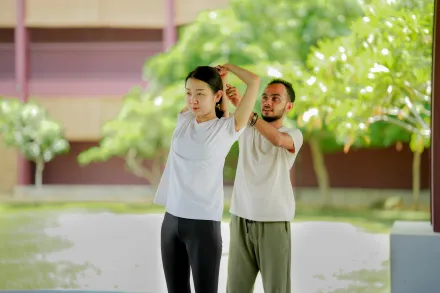
Finally, the social dimension of Tai Chi practice should not be underestimated. Participating in a group class, sharing experiences with peers, and receiving guidance from a skilled instructor can enhance motivation and ensure proper technique. Social connection adds enjoyment to the routine and can help individuals stay engaged for the long term, which is particularly important for joints that benefit from regular movement and continual adaptation to gradually increasing challenges. In this supportive environment, the practice becomes not only a physical activity but a meaningful, engaging habit that nourishes overall well-being and joint resilience.
Techniques that Specifically Benefit Joints
Many Tai Chi movements inherently target joints in beneficial ways. For example, gentle hip rotations and weight-transferring steps encourage hip and knee joints to experience controlled flexion and extension, supporting joint lubrication and soft tissue conditioning. Arm movements, including open and close gestures, engage the shoulder girdle and elbow joints in a manner that fosters mobility without excessive load. Spinal rotations and mindful head-to-tail alignment contribute to the health of the spine and its supporting joints, reducing compensatory patterns that can affect the neck, mid-back, and lower back. The cumulative effect across joints is improved mechanical harmony and reduced stiffness across the body.
In addition to whole-body movements, specific forms emphasize particular joint regions. The gentle knee bends and side-to-side steps can enhance the range of motion in the knees while preserving joint stability. The open-hand, soft-grip gestures around the hands and wrists support dexterity and proprioception, helping to maintain joint health in the upper extremities. The coordinated sequences that connect these joints through a continuous flow reinforce the sense of ease in movement, which translates into everyday activities such as reaching, carrying, and gripping with less effort and discomfort.
Breath-focused techniques in Tai Chi also play a role in joint health. Slow, diaphragmatic breathing fosters a calm state that can influence muscle tone and joint sensitivity. When the breath aligns with movement, the body tends to stay relaxed, reducing the likelihood of compensatory tensing around joints. This relaxed muscular state helps joints glide more freely and, over time, can support more fluid, pain-free motion during daily tasks. The combination of movement and breath is a core principle that differentiates Tai Chi from brisk, high-intensity exercise while delivering meaningful joint benefits.
Another technique of note is the emphasis on fluid transitions between postures. Rather than abrupt stops or sudden changes in direction, transitions are practiced with a soft, continuous line of movement. This approach minimizes joint impact and preserves a stable joint environment. The practice of maintaining a stable pelvis, an aligned spine, and relaxed shoulders throughout transitions reduces the risk of joint irritation and fosters enduring joint health as the body adapts to longer-term movement patterns.
In essence, the techniques of Tai Chi that support joints arise from a convergence of mechanical, neurological, and sensory processes. By engaging multiple joints in a coordinated, mindful, and low-impact manner, Tai Chi builds a durable foundation for healthy joint function. This holistic approach aligns physical capability with inner calm, creating a practice that not only protects joints but also enhances the overall sense of balance, strength, and well-being that people seek in daily life.
Safety Considerations and Adaptations for Age and Condition
To maximize safety, it is important to tailor Tai Chi practice to the individual’s health status, mobility level, and medical guidance. People with significant joint disease, recent injuries, or medical conditions should consult healthcare professionals before beginning any new exercise program. A well-designed Tai Chi plan respects pain limits, avoids aggressive ranges of motion, and incorporates appropriate rest periods. Instructors skilled in adaptive movement can tailor sequences to accommodate limitations, gradually increasing intensity as tolerance improves. For older adults or those with limited mobility, chair-based Tai Chi or seated forms can provide a secure entry point while still offering meaningful joint-health benefits.
Safety also includes attention to footwear, surface, and environmental conditions. Practicing on a stable, non-slip surface reduces the chance of slips that could place unexpected stress on joints. Comfortable footwear with adequate cushioning supports joints during weight-bearing elements of the forms. Instructors emphasize alignment cues and instruct students to stop if any movement triggers sharp or lingering pain. This emphasis on listening to the body ensures that safety remains the priority as strength, flexibility, and balance improve over time.
Modifications are a practical and essential aspect of safe practice. For individuals with knee pain, options like shallower stances, reduced pivoting, and slow, controlled movements can preserve joint integrity while providing health benefits. Those with limited shoulder mobility may focus on movements that keep the arms within a comfortable range, avoiding overhead reach that could exacerbate discomfort. With thoughtful adjustments, Tai Chi remains a versatile, accessible activity that can be sustained with minimal risk and meaningful gains for joint health.
Progression should be guided by symptoms rather than a rigid schedule. If pain worsens or if swelling increases, it is prudent to pause the practice and seek professional guidance. A gradual reintroduction to movement after a pause is often safer and more sustainable than pushing through discomfort. This patient-centered approach ensures that joint health is protected while enabling ongoing improvement in mobility, stability, and overall well-being.
Tai Chi as a Complement to Medical Care
Tai Chi is best understood as a complementary practice that can support conventional medical care for joint health. For conditions such as osteoarthritis, rheumatoid arthritis, or post-injury healing, Tai Chi can be integrated with prescribed therapies and rehabilitation protocols. The practice is not a substitute for necessary medical interventions, but it can enhance outcomes by promoting movement, reducing stiffness, and improving pain coping strategies. When used in combination with evidence-based treatments, Tai Chi may contribute to a more comprehensive, patient-centered approach to joint health.
Healthcare providers may recommend Tai Chi as part of a broader plan that includes physical therapy, medications, weight management, and activity modification. The non-pharmacological nature of Tai Chi offers an option with relatively low risk and broad potential benefits. For many individuals, the act of engaging in a structured movement practice can empower participation in health care decisions, support adherence to treatment plans, and foster a proactive stance toward joint health.
Effective collaboration with medical professionals involves open communication about the patient’s experiences, symptom changes, and any adverse reactions. Instructors can work together with clinicians to tailor sessions that align with treatment goals and medical limitations. This collaborative approach ensures that Tai Chi contributes positively to joint health without compromising safety or medical priorities. The partnership between traditional movement practices and modern medicine can yield a synergistic path toward improved joint function and quality of life.
Cultivating Daily Habit for Longevity of Joints
Long-term joint health through Tai Chi hinges on the creation of sustainable daily habits. Rather than viewing Tai Chi as a one-off intervention, it is practical to integrate short routines into daily life. A consistent habit supports ongoing stimulation of joint tissues, enhances neuromuscular control, and sustains the psychological benefits that accompany mindful movement. Establishing a routine—whether in the morning, afternoon, or evening—helps embed joint-supportive behaviors into daily rhythm, increasing the likelihood of continued practice over months and years.
Structure, accountability, and enjoyment all contribute to persistence. A small, achievable daily practice provides a sense of progress, while a longer weekly session can deepen technique and form mastery. The social component of group practice can reinforce commitment, while individual practice at home supports personalization and self-monitoring. Keeping a simple record of sessions, sensations, and improvements can help sustain motivation and clarify how Tai Chi is contributing to joint health over time.
Nutrition, sleep, hydration, and stress management play supporting roles in joint health. Balanced meals rich in anti-inflammatory nutrients, adequate protein for tissue repair, and sufficient hydration help joints function optimally. Sleep supports tissue recovery, while stress management reduces sympathetic drive that can exacerbate pain perception. Integrating Tai Chi with these lifestyle factors creates a holistic approach to joint health that extends beyond the movement itself and into everyday living.
In the end, Tai Chi offers a pathway to maintain and enhance joint health through a combination of mechanical loading that is gentle yet generative, mindful breathing and focus that calm the nervous system, and social engagement that sustains motivation. It respects individual variability, adapts to changing health conditions, and remains accessible to people across ages and fitness levels. The practice invites a patient, ongoing relationship with movement, one that can accompany a person through the seasons of life with grace, balance, and renewed joint vitality.
As a living practice, Tai Chi continually invites reflection on how movement and stillness, strength and softness, control and freedom come together in the body. The journey toward stronger, more flexible, and more resilient joints is not a single milestone but a continuous process of learning to move with less resistance, less pain, and more ease. In this sense, Tai Chi becomes not just exercise but a partner in daily life, supporting sustainable joint health that can enrich everyday experiences, reduce discomfort, and encourage active participation in the world around us.