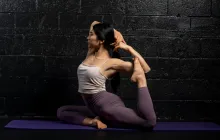
In modern life, stress often arrives as a quiet pressure in the chest, a restlessness that lingers after the phone stops buzzing, a tide that rises and falls with daily demands. Tai Chi offers a deliberate alternative to rush and reaction, a practice that invites the nervous system to slow down through gentle, continuous motion and conscious breathing. This ancient form of movement therapy does not rely on strenuous exertion or dramatic displays; instead it cultivates a soft strength that underpins a steadier mood, clearer thoughts, and a more resilient inner state. When practiced with patience and curiosity, Tai Chi becomes a reliable shelter where tension dissolves, attention returns to the present moment, and the body learns a rhythm that aligns with calm rather than crisis. Over time, that rhythm can shift the baseline of stress responses, so that everyday challenges no longer trigger the same degree of alarm, and anxiety can loosen its grip in a natural, enduring way.
The quiet science of stress and anxiety
The experience of stress triggers a cascade of physiological responses designed to protect the body in the short term. The brain signals the adrenal glands to release hormones such as adrenaline and cortisol, increasing heart rate, narrowing peripheral vision, and sharpening focus. In moderate bursts this response is adaptive, mobilizing energy to handle a threat or urgent task. Yet when stress becomes chronic, the system can remain on high alert, keeping muscles tense, sleep disturbed, and mood fragile. Anxiety often rides on this platform of persistent arousal, shaping patterns of worry, rumination, and a sense of impending danger that may not correspond to immediate danger. Tai Chi addressing these patterns works on multiple levels: it calms the mind, reduces physical tension, and recalibrates the autonomic nervous system toward a more balanced state. Researchers describe changes in heart rate variability, inflammatory markers, and neural activity associated with mindful movement practices. While science continues to explore the full mechanism, the experiential result is clear to practitioners: a gentle activity that systematically lowers the body's readiness to react in fear, while increasing the capacity to respond with steadiness and clarity.
How slow movement meets the nervous system
Tai Chi is often framed as a form of moving meditation because it combines slow, deliberate movement with sustained attention to breath, posture, and sensation. Each posture is held and flowed into with mindful intention, creating a sequence that trains the nervous system to inhabit a state of relaxed alertness. The pace matters: slower tempo gives the brain time to process information, reduces cognitive load, and lessens the accelerative feedback loop that fuels anxious thoughts. By coordinating breath with movement, practitioners activate the parasympathetic branch of the autonomic nervous system, the system responsible for rest, digestion, and recovery. This activation is not a withdrawal from life; it is a deliberate invitation to regulate arousal so that the body can recover more fully between moments of activity. Over weeks and months, the consistent pairing of breath, balance, and controlled muscular tension shifts baseline physiology, making it easier to manage stress when confronted with daily pressures.
Breathing as the doorway to calm
In Tai Chi, breathing is more than a mechanical action; it is a gateway to a quieter inner life. The practice emphasizes abdominal or diaphragmatic breathing, where the abdomen rises gently with the inhale and softens with the exhale. This diaphragmatic pattern slows the respiratory rate, reduces the breath’s effort, and signals the nervous system to unwind the fight or flight response. As inhalations lengthen and exhalations become complete, the lungs become a reservoir that can be drawn upon during moments of tension. An extended exhale, in particular, helps to trigger the relaxation response, decreasing heart rate and lowering blood pressure. The cadence of breath in Tai Chi often mirrors the tempo of the movement, creating a harmonious loop in which breath and body reinforce each other. Even in the early stages of learning, practitioners notice a tangible shift: a sense of heaviness or difficulty recedes with each conscious breath, and that quiet breath becomes a steady anchor for the mind amidst fluctuating thoughts.
Posture, balance, and the body’s message to the mind
Posture is not a cosmetic feature in Tai Chi; it is a communication system between body and mind. When the spine is lengthened, the chest can open, and the shoulders settle, the lungs function more efficiently, and the heart experiences less mechanical stress. This improved biomechanical economy reduces the energy cost of daily activities, making it easier to maintain calm even during exertion or fatigue. A gently engaged core supports the lower back, providing a stable center that the nervous system recognizes as a reliable reference point. Balanced alignment also reduces muscular tension in the neck, jaw, and shoulders, areas notorious for harboring anxiety when grip tightens or breath becomes shallow. The practice often guides students through a sequence of weight shifts, slow turns, and controlled weight-bearing that cultivate proprioceptive awareness: the sense of where the body is in space. This heightened body awareness acts as a counterbalance to anxious ruminations, grounding thoughts in physical experience rather than speculative worry. As the body learns to inhabit a composed alignment, the mind naturally follows, perceiving less threat in ordinary situations and offering a clearer window into genuine needs instead of automatic reactions.
Focused attention as a shield against rumination
A common feature of Tai Chi training is the cultivation of focused attention, which serves as an antidote to the mind’s tendency toward repetitive worry. Rather than attempting to empty thoughts in a vacuum, practitioners learn to observe sensations, postures, and sequences with curiosity and nonjudgment. This practice of mindful noticing creates a mental environment in which fears and anxious predictions are examined with a calm, investigative stance rather than rehearsed catastrophizing. The more frequently attention is trained to return to a chosen focal point—such as the flow of the hands, the sensation of the feet connecting with the ground, or the breath moving in and out—the more resilient the cognitive pattern becomes. Over time, this improves cognitive flexibility, allowing a person to shift away from rigid narratives that feed anxiety and toward adaptive responses grounded in present reality. The effect is subtle but profound: a steadying of inner weather that makes storms less intense and less frequent.
The role of intention and mindfulness in movement
Intention in Tai Chi refers to the deliberate shaping of energy and attention with each movement. This mental stance transforms exercise into a purposeful practice rather than a mechanical routine. By setting a gentle intention to release tension, to soften the jaw, or to direct breath to the abdomen, the practitioner creates a feedback loop in which mental posture mirrors physical relaxation. The mind becomes a collaborator with the body, not a critic or observer at a distance. This collaborative dynamic fosters a state known in contemplative traditions as effortless effort, where effort is applied in a way that is steady yet unstrainingly light. When facing anxiety, this approach can reduce the sense of fighting with one’s own sensations, replacing resistance with acceptance and response. The combination of focused attention, smooth movement, and mindful intention helps to retrain automatic stress responses and to promote a calmer operating system for daily life.
Form practice and the establishment of routine
Physically, Tai Chi forms are sequences of postures performed in a continuous, flowing manner. The beauty of forms lies in their regularity: the mind becomes attuned to a predictable pattern, reducing the cognitive burden of deciding what to do next. This predictability can be especially comforting when anxiety tends to escalate with ambiguity. Practicing forms at a comfortable pace gives the nervous system time to integrate new patterns of breathing, quietness, and movement. Repetition is not monotony in this context; it is a training ground where small adjustments accumulate into noticeable changes in ease, balance, and emotional steadiness. The routine aspect also supports consistency, which research associates with better mental health outcomes. A steady practice schedule reinforces the sense that one has agency over mood and body, which in turn reduces feelings of helplessness that often accompany stress and anxiety.
Tai Chi and the science of emotional regulation
Emotional regulation refers to the ability to manage and respond to emotional experiences in adaptive ways. Tai Chi supports regulation by dampening arousal, expanding the repertoire of coping responses, and increasing awareness of early emotional cues. When a person begins to notice the onset of tension or anxious anticipation, the stillness and breathwork of Tai Chi offer a constructive outlet that interrupts automatic escalation. Over weeks, results accumulate: improved calm during a hectic day, better sleep, and a more generous response to social stressors. Studies in psychology and neuroscience suggest that slow, intentional movement can enhance connectivity between brain regions responsible for executive control and emotion processing, thereby strengthening the brain’s capacity to regulate mood. While each individual’s results will vary, the mechanism remains consistent: practice makes the nervous system less reactive and more adaptable to change, reducing the grip of anxiety and increasing the space for calm decision-making.
Comparisons with other mindfulness and movement practices
Tai Chi shares ground with mindfulness meditation, qigong, and gentle yoga in inviting present-moment awareness and breath-centered regulation. Yet it offers a unique blend of physical flow, postural alignment, and martial origins that can feel more accessible to some learners. The continuous, circular movements create a gentle resistance that strengthens muscles without forcing extreme exertion, while the lower impact means joints may tolerate practice across a wide range of ages and conditions. Unlike some forms of exercise that emphasize achievement or competition, Tai Chi often emphasizes endurance, subtle skill development, and internal balance. For people who are sensitive to intense instruction or high-speed movements, Tai Chi provides a slower, more forgiving path to experiences of calm, since there is no single endpoint or performance goal beyond the ongoing cultivation of ease and presence. In this way, Tai Chi occupies a distinctive niche among practices designed to ease stress and ease anxiety, offering an experience that is at once physically soothing and psychologically nourishing.
Working with teachers, classes, and self-guided learning
Participation can begin in a social setting with a knowledgeable teacher who demonstrates forms, breath cues, and alignment. A good teacher helps beginners translate abstract concepts like weight transfer and spiral energy into tangible sensations in the body, while also guiding feedback that respects individual differences in flexibility and strength. If access to classes is limited, self-guided practice supported by instructional videos or detailed manuals can still deliver benefits, provided the learner maintains a compassionate, patient approach. The key elements remain consistent: slow, deliberate movements; attentive breathing; gentle postural cues; and a nonjudgmental attitude toward one’s own experience. The social dimension of group practice can offer companionship, accountability, and shared intention, but the core changes come from the practitioner’s consistent engagement with breath, presence, and body awareness. When learners balance self-directed work with occasional instruction, they often experience a steady progression toward greater resilience in the face of stress.
Cultivating accessibility and adapting to personal needs
Tai Chi is adaptable to many physical conditions, ranging from mild back stiffness to more significant mobility limitations. Modifications such as seated practice, reduced range of motion, or supported postures can preserve the benefits while honoring individual safety and comfort. The emphasis on soft energy flow rather than maximal effort supports people who experience pain, fatigue, or chronic illness. In practice, adaptations can emphasize breath coherence, balance training, and mental focus, while maintaining the spirit of continuous, fluid motion. As practitioners explore modifications, they often discover new ways to experience relaxation, presence, and emotional balance that fit within their unique lifestyle and abilities. This flexibility is one of Tai Chi’s strengths, allowing more people to access its stress-reducing potential without feeling overwhelmed by technical demands.
Integrating Tai Chi into daily routines
The benefits of Tai Chi compound when it becomes a regular, predictable part of living rather than a sporadic activity. Short daily sessions can be as effective as longer, less frequent ones because consistency reinforces the nervous system’s learned patterns. A practical approach is to anchor a brief sequence to a daily habit, such as shortly after waking, during a lunch break, or in the early evening before rest. Beyond formal practice, practitioners can carry principles into daily activities: stepping with awareness, breathing with intention during routine tasks, and pausing to reset when meetings become stressful or plans unravel. The integration of Tai Chi into daily life strengthens the mind’s capacity to respond with patience and clarity and gradually reduces the default tendency to react impulsively under pressure. Over time, small, regular moments of mindfulness accumulate into a more peaceful overall tone, enabling better sleep, clearer decision-making, and more harmonious interactions with others.
Common challenges and how to move through them
A frequent hurdle for newcomers is the sense that they are not “getting it” quickly enough. In truth, Tai Chi is a slow apprenticeship, and progress rests on patience rather than speed. Another challenge is the tendency to overcontrol posture or breath, which paradoxically reduces ease. The remedy is to soften the focus, allow a slight looseness at the joints, and remind the mind that perfect results are not the goal; rather, consistent, gentle effort is the aim. Fatigue or discomfort can tempt learners to abandon practice, yet this is precisely when a mindful pause can be most beneficial. In those moments, reverting to a small, comfortable sequence with emphasis on deep breathing can reestablish a sense of safety and calm. Finally, social environments can be intimidating for some; choosing a supportive teacher, practicing with sympathetic peers, and accepting gradual progress often helps learners maintain long-term engagement. By acknowledging these challenges and approaching them with curiosity, students can sustain a practice that protects against stress and cultivates inner balance.
Stories from practitioners: real-world reflections
Many people who incorporate Tai Chi into their lives speak of quieter mornings, more resilient evenings, and a softening of the inner voice that sometimes becomes loud with worry. One practitioner notes that after weeks of regular practice, the morning rush loses its grip, and even when a stressful event occurs, the body does not default to tightness as quickly as before. Another describes a nightly routine where breath and movement ease sleep, reducing wakefulness and restlessness. In group settings, people report feeling connected to others in a shared experience that validates emotional states and offers gentle encouragement. The subjective nature of stress relief means experiences vary, yet the common thread is a gradual shift toward steadiness and a more compassionate relationship with one’s own nervous system. Across diverse backgrounds, the consistent message is that Tai Chi can become a reliable ally in managing stress and reducing anxiety by changing how the body and mind respond to life’s pressures.
Long-term benefits and a broader view of well-being
Beyond immediate relief from tense muscles or racing thoughts, ongoing Tai Chi practice nurtures a broader sense of well-being that touches mood, sleep, appetite, and social connectedness. The regular practice lengthens attention spans, enhances self-regulation, and fosters a kinder inner dialogue. People often notice improvements in sleep quality and daytime energy, which in turn support better mood stability and emotional resilience. The practice’s philosophy emphasizes balance, patience, and harmony, inviting a person to cultivate lightness in movement as a living metaphor for how to meet life’s demands with steadiness rather than strain. As confidence grows in navigating stress, individuals may discover that anxiety becomes a less dominant force in daily life, replaced by a sustainable sense of presence, curiosity, and constructive action. In this way Tai Chi can be understood as a practical, embodied approach to mental health that complements other strategies and therapies when needed.
The enduring appeal of a humane form of practice
What makes Tai Chi durable is its accessibility, its gentle demands, and its respect for gradual progress. It does not require extraordinary flexibility, stamina, or specialized equipment; it does require time, attention, and a willingness to slow down. The practice invites a person to reframe stress as a signal rather than an enemy, to treat anxiety as a map pointing to what needs care, and to respond with kindness toward the physical body and the mental life. In a world that often prizes speed and external achievements, Tai Chi offers a counterbalance: a slow, generous, consistent approach to living that honors the body’s wisdom and the mind’s need for rest. The result is not a cure in the absolute sense but a sustainable method for reducing the frequency and intensity of stress responses, promoting emotional balance, and enhancing one’s capacity to meet life’s challenges with steadiness and grace.